
Airtightness at home: How it can save you energy and money

How Two London Homes Achieved Exceptional Energy Efficiency Through Strategic Airtightness Solutions

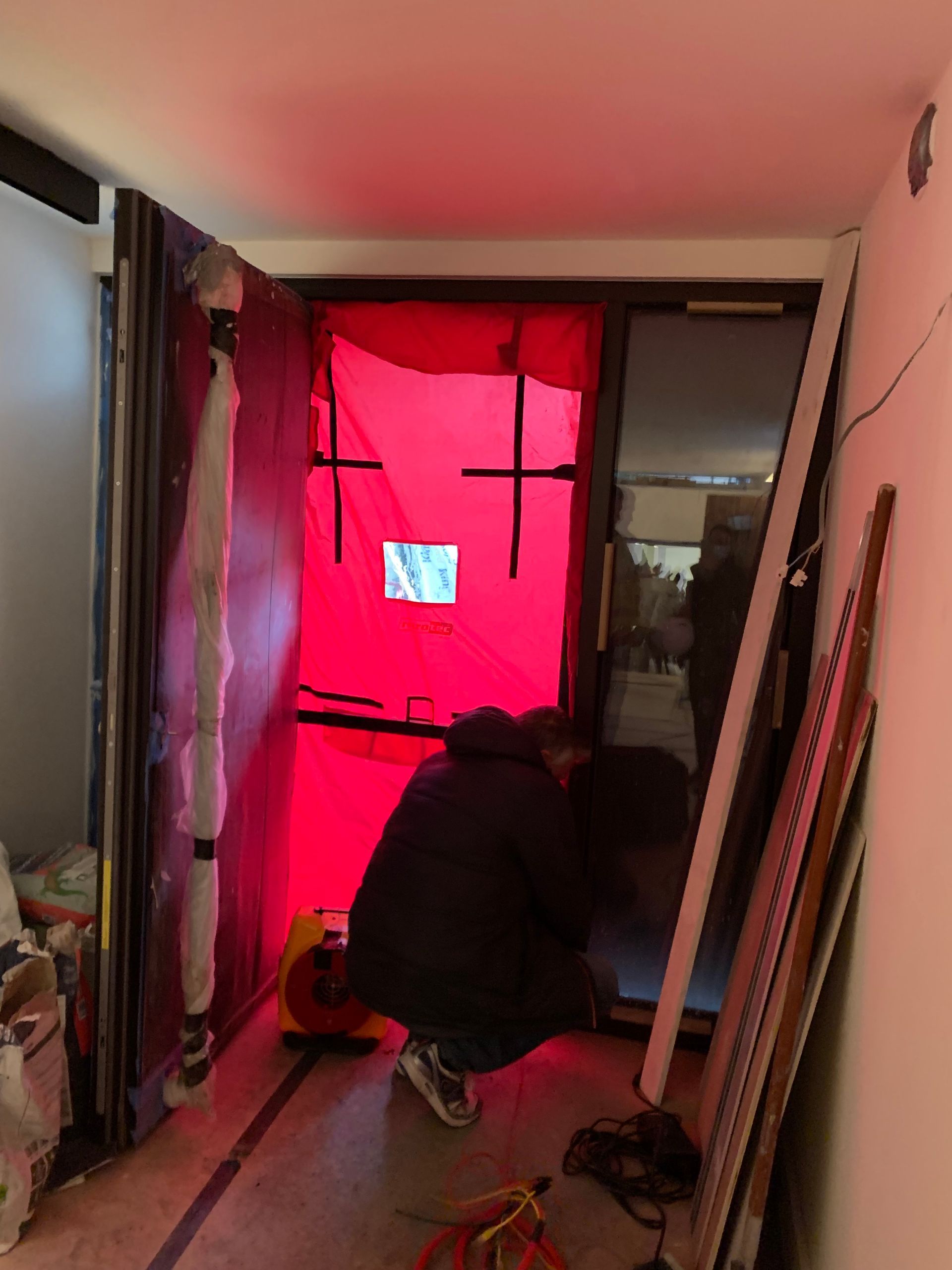
Imagine your home as a high-quality flask. When sealed properly, it keeps your drink at the perfect temperature for hours. Airtightness in buildings works similarly: it's about creating a continuous, sealed envelope around your home that prevents unwanted air from leaking in or out. Think of all the tiny gaps around windows, doors, or where pipes enter your house. These seemingly insignificant spaces can add up to the equivalent of leaving a window open all year round.
 
In today's world of rising energy costs, where the average London home loses £400-£500 annually through air leakage alone, airtightness has become increasingly crucial. At RDA Architects, with over 25 years of experience in sustainable home design, we've seen how proper airtightness transforms living spaces, offering benefits that go far beyond energy savings:

  • Enhanced temperature control: No more cold spots or drafts
  • Significantly reduced noise pollution from outside
  • Better air quality through controlled ventilation
  • Protection against moisture issues and mould
  • Reduced dust and allergen infiltration
  • Lower heating and cooling costs (typically 70-90% reduction)
Passive Mews II: A Modern Marvel of Efficiency

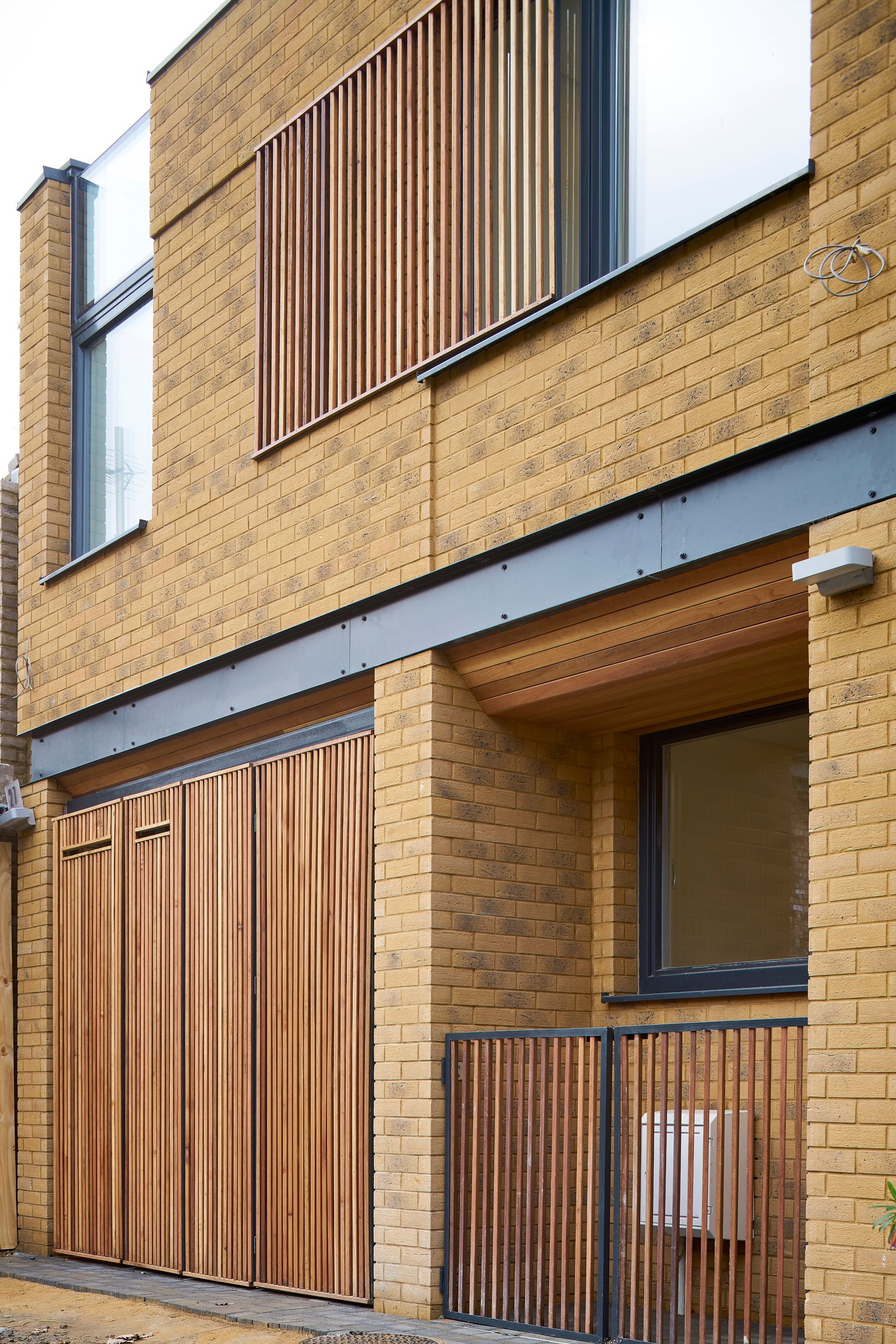
Designed on a limited budget in 2017, our Passive Mews II project showcases how exceptional design can elevate living standards while maintaining sustainability. Our client, seeking to downsize from a Georgian townhouse, approached RDA to leverage our Passivhaus expertise. The result was a three-bedroom certified Passivhaus, built for £350,000, featuring a concealed solar-powered hydrotherapy pool.


Achieving Passivhaus certification required adherence to principles that harness solar energy, super insulation, airtightness, and a ventilation system to create a healthy, comfortable, low-energy building. The home consumes around 90% less energy than a typical build, thanks to:


  • Highly insulated structural panels wrapped in additional insulation
  • Triple glazed windows and doors
  • A mechanical ventilation and heat recovery system


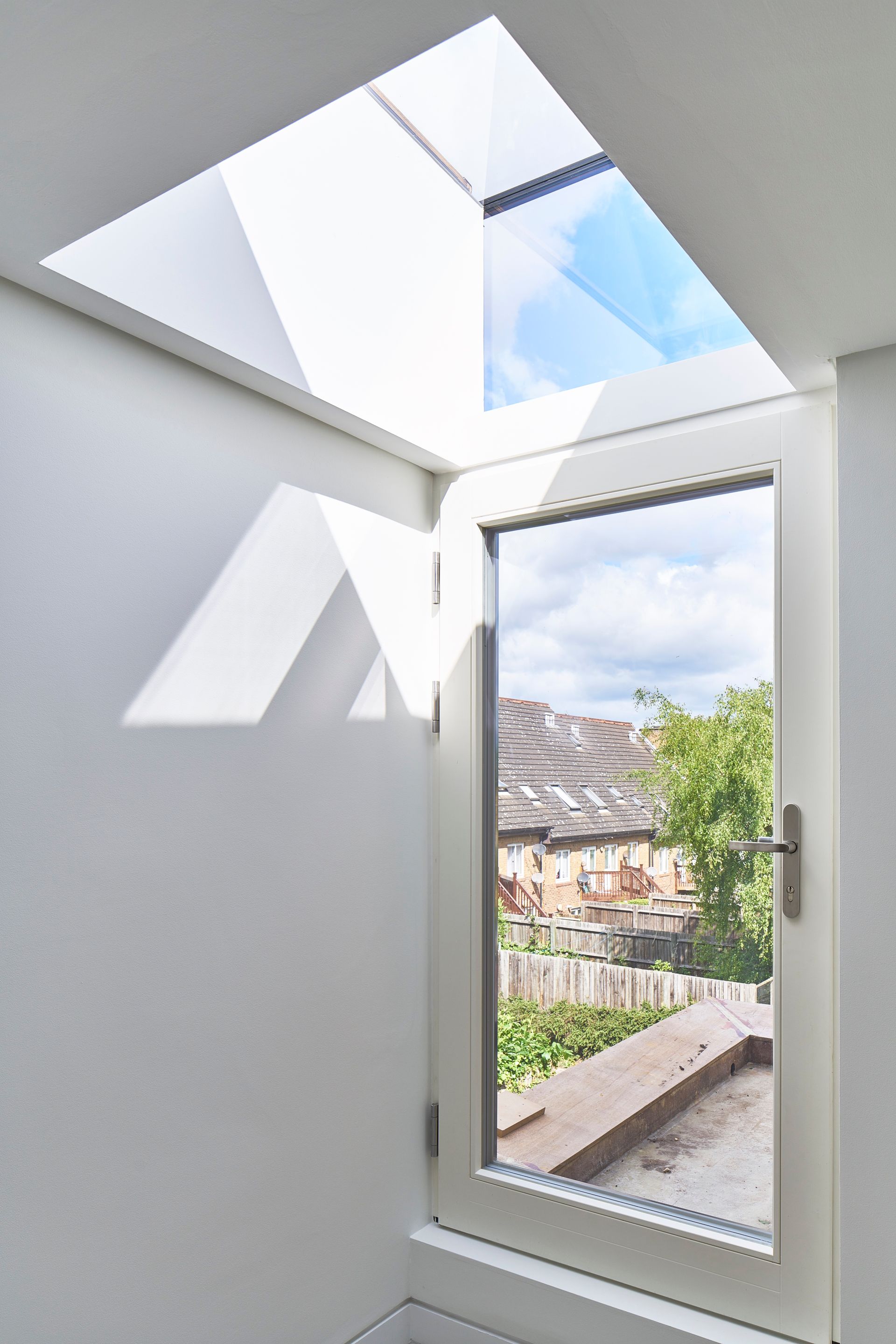
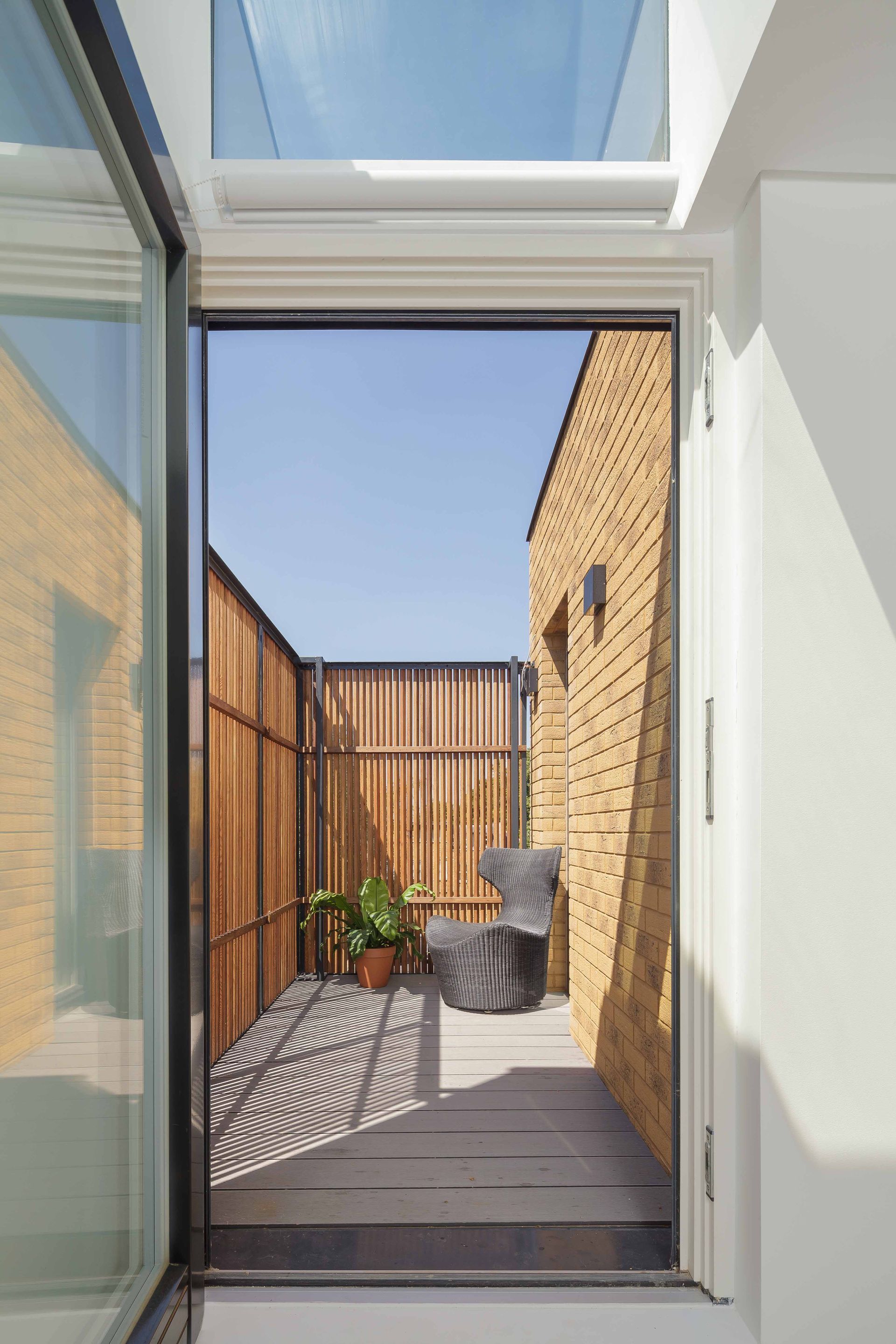
The design respects the industrial service nature of the mews lane, with elevations combining brick and steel softened by red cedar detailing. Light floods every room, enhancing the internal spaces and creating a sense of luxury. The outdoor amenities include a rear courtyard and a first-floor terrace, with a timber deck that slides open to reveal a compact swimming pool, its energy consumption offset by photovoltaic panels.


Modernist EnerPHit Retrofit: A Testament to Possibility
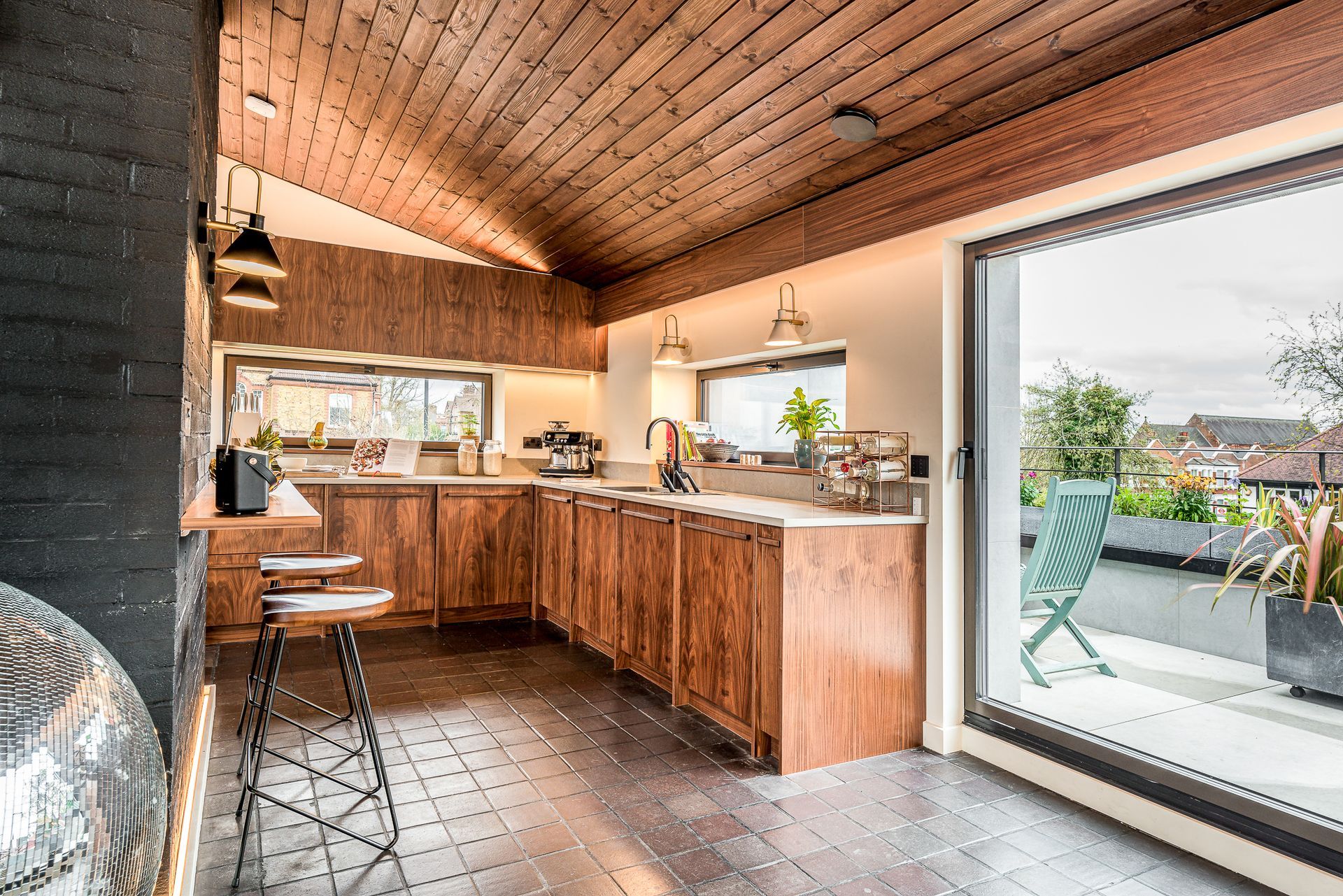

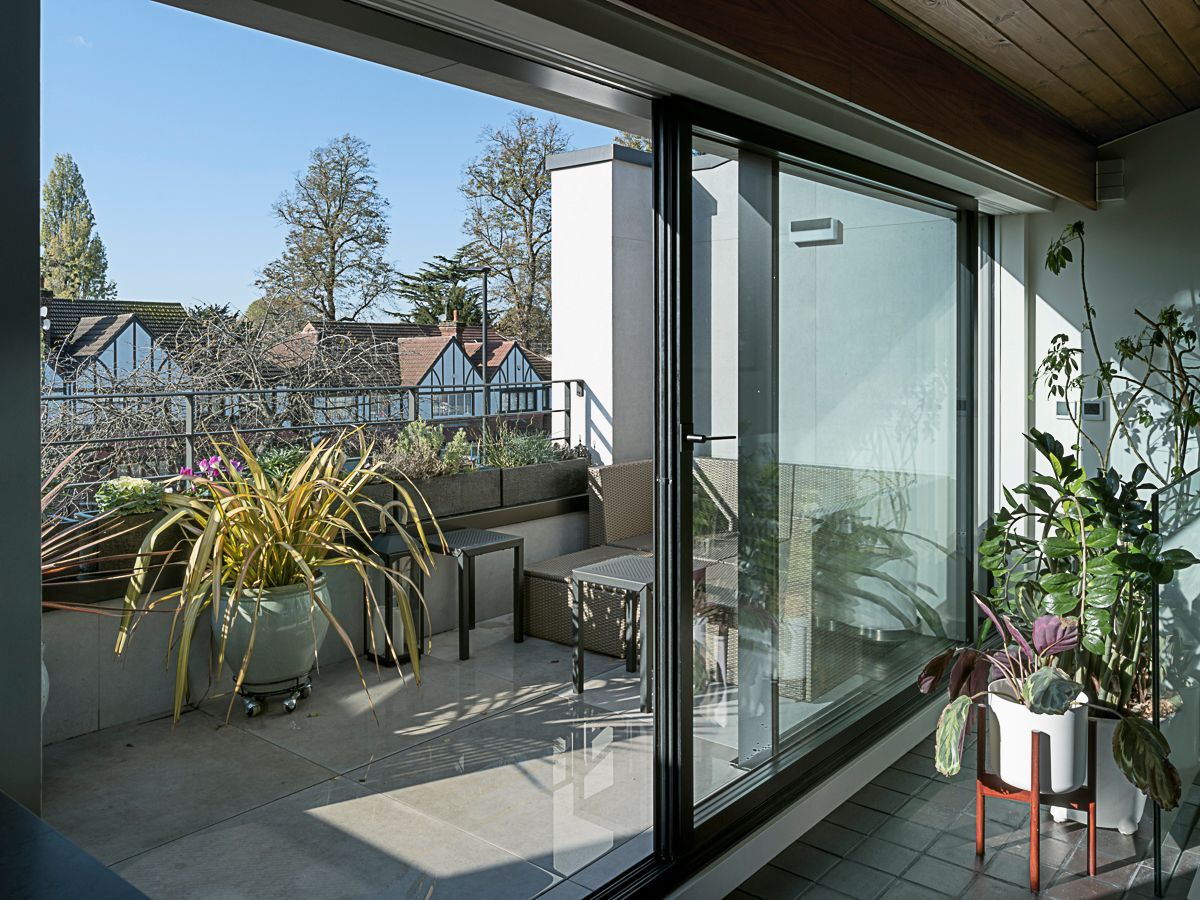
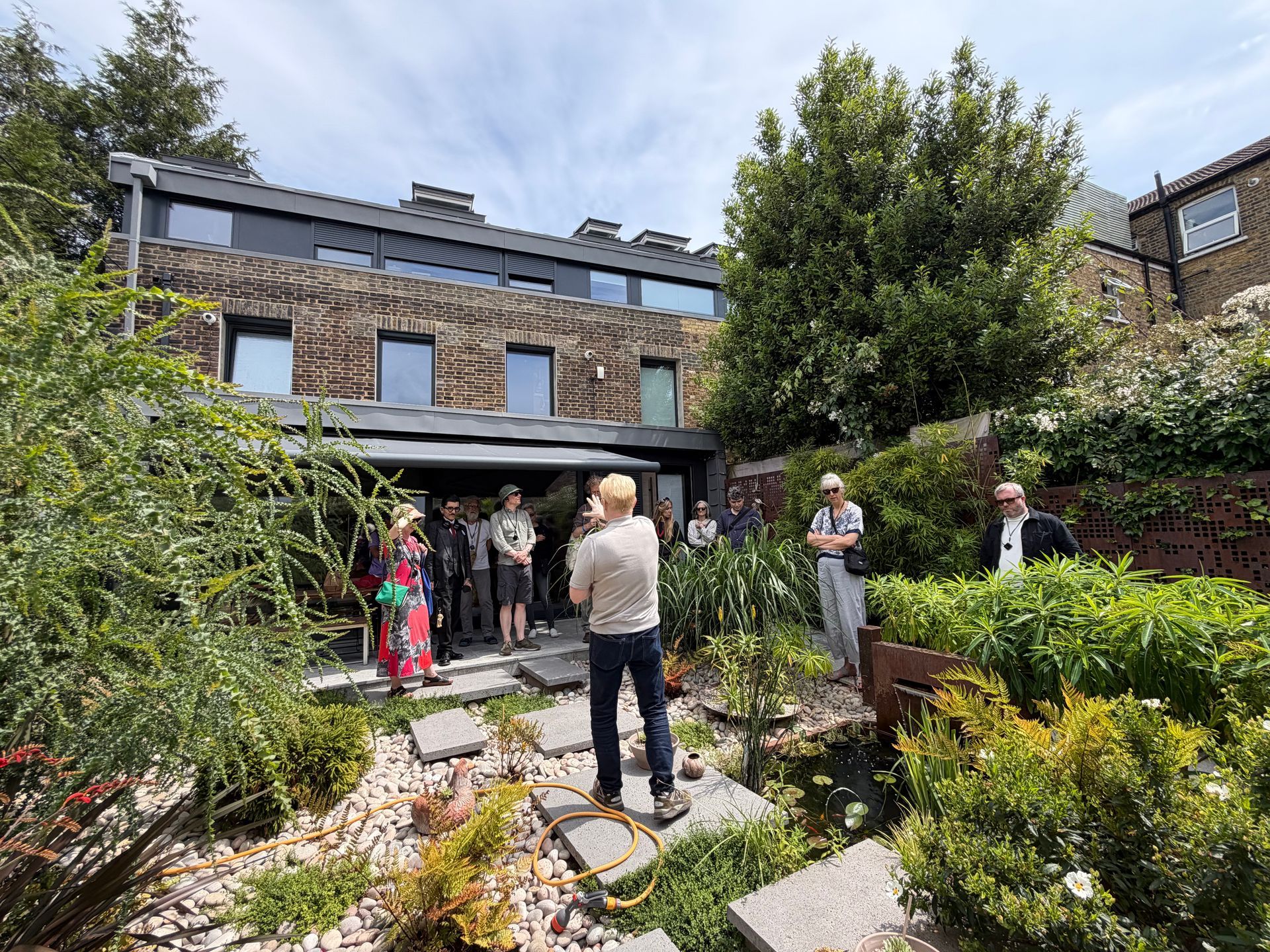
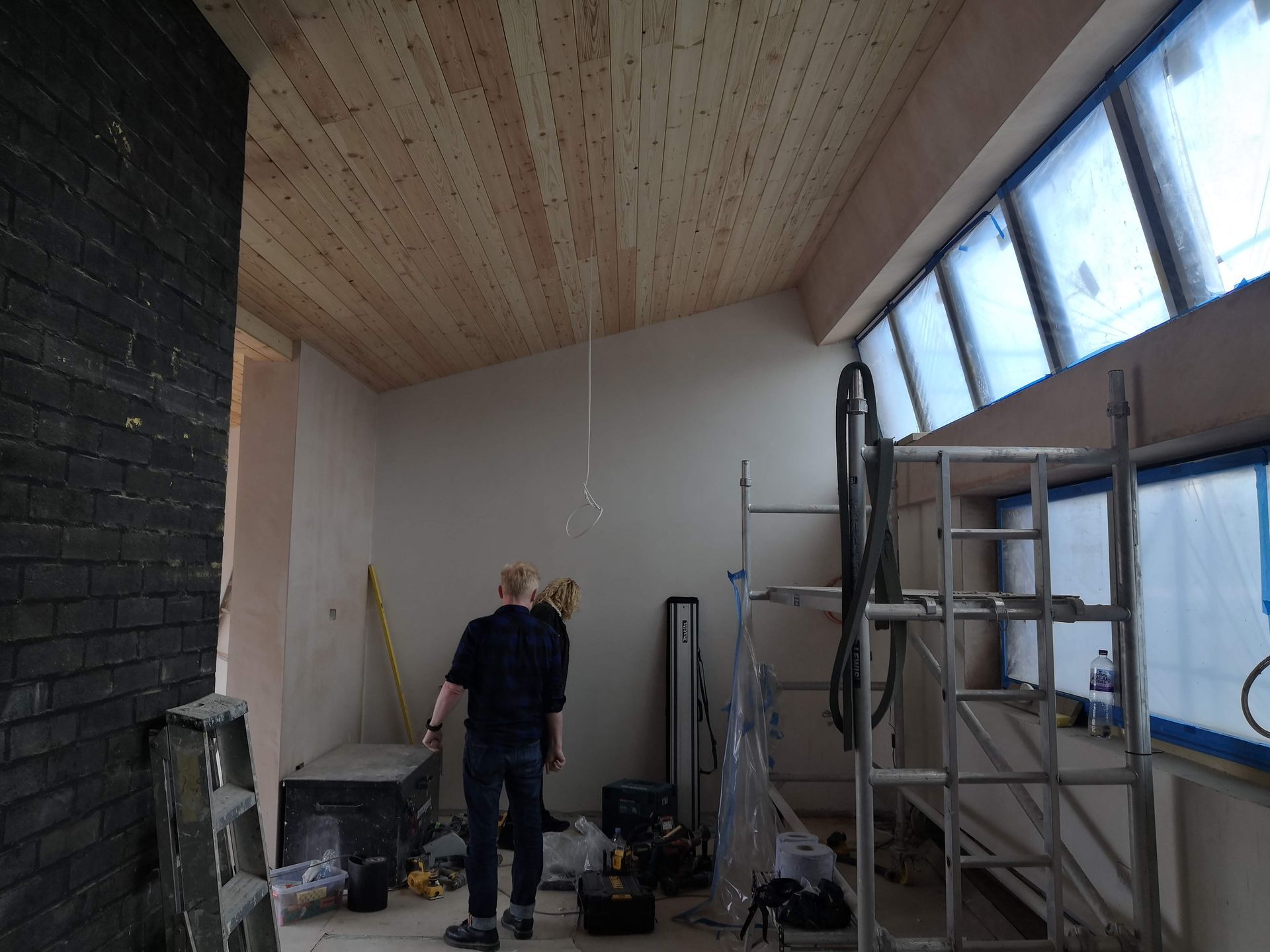
Our Modernist EnerPHit project, recently shortlisted for the Architects' Journal Retrofit and Reuse Awards 2024, showcases how modern homes can be transformed through airtightness. The original house was losing heat at an alarming rate, with energy bills exceeding £3,500 annually.


Our approach included:


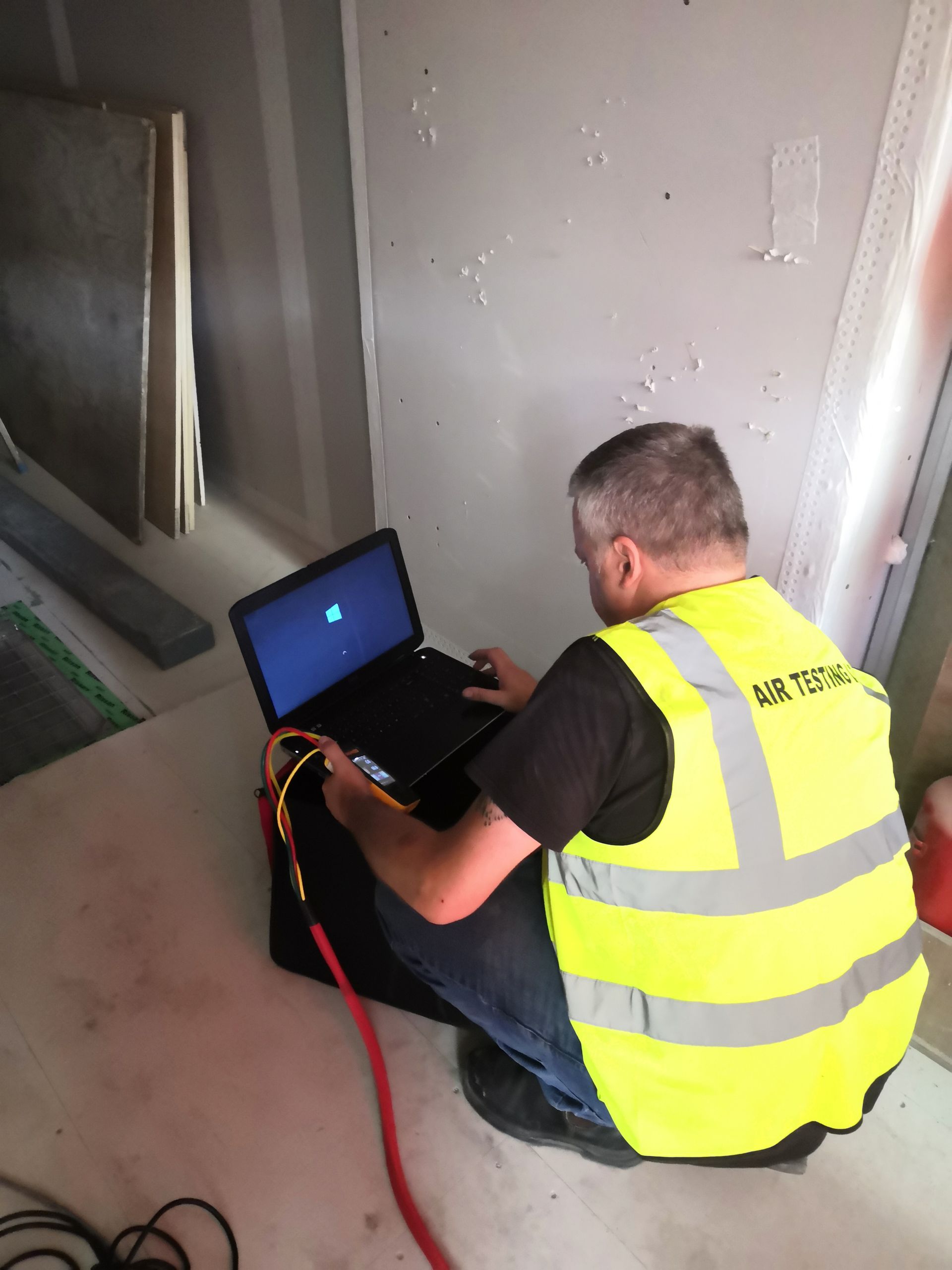
  • Advanced thermal imaging to identify air leakage points
  • Implementation of state of the art sealing techniques
  • Installation of a smart ventilation system that recovers 95% of heat


Post-retrofit measurements showed remarkable improvements:


  • Energy consumption reduced by 85%
  • Energy bills reduced to approximately £500 annually 
  • Indoor air quality improved with CO2 levels consistently below 800ppm (parts per million)
  • Temperature fluctuations reduced to less than 0.5°C throughout the day
  • Ambient noise levels decreased by 42 decibels


Dispelling Common Myths


A frequent concern we hear is that "buildings need to breathe". This misunderstanding confuses air leakage with ventilation. In an airtight home, fresh air is provided through controlled ventilation systems that:


  • Filter out pollutants and pollen
  • Recover heat from outgoing air
  • Maintain optimal humidity levels
  • Provide consistent fresh air without drafts


Modern airtightness solutions are incredibly durable and, contrary to popular belief, require minimal maintenance. Our projects demonstrate that airtightness and luxury living work hand in hand, creating homes that are not just energy-efficient but offer superior comfort and wellbeing.


The Path Forward


The success of these projects demonstrates that exceptional airtightness is achievable in any home, whether it's a period property or a modern dwelling. Independent studies show that airtight homes command a 15-20% premium on resale value, making it a sound investment for the future.

At RDA Architects, we've seen first-hand how attention to airtightness transforms not just the energy efficiency of homes, but the entire living experience. Our clients often tell us they wish they had done it sooner, particularly noting:


  • The unexpected silence and peace in their homes
  • The elimination of drafts and cold spots
  • Consistently perfect temperatures year-round
  • Significantly reduced dust and cleaning requirements
  • Lower maintenance costs over time


Ready to explore how airtightness could transform your home? We invite you to schedule a consultation with our team to discuss your project and discover the possibilities of Passivhaus design.


Book a free consultation with us today!

Recent Blogs

By Richard Dudzicki March 27, 2026
Between History and Innovation: Learning from Mexico City Richard recently travelled to Mexico City with the Architects Marketing Group for a series of intensive workshops exploring the intersection of marketing and artificial intelligence within architectural practice.
By Richard Dudzicki March 10, 2026
On 25 March, Richard will be speaking at NLA’s Coffee Conversation about how London’s most constrained and overlooked sites can play a role in addressing both the housing crisis and the climate emergency. Across the city, small and fragmented plots are often dismissed as too difficult to develop. Backland sites, former garages and leftover spaces within established neighbourhoods are frequently overlooked by conventional development models. Yet collectively they represent a significant and largely untapped opportunity.
By Richard Dudzicki March 3, 2026
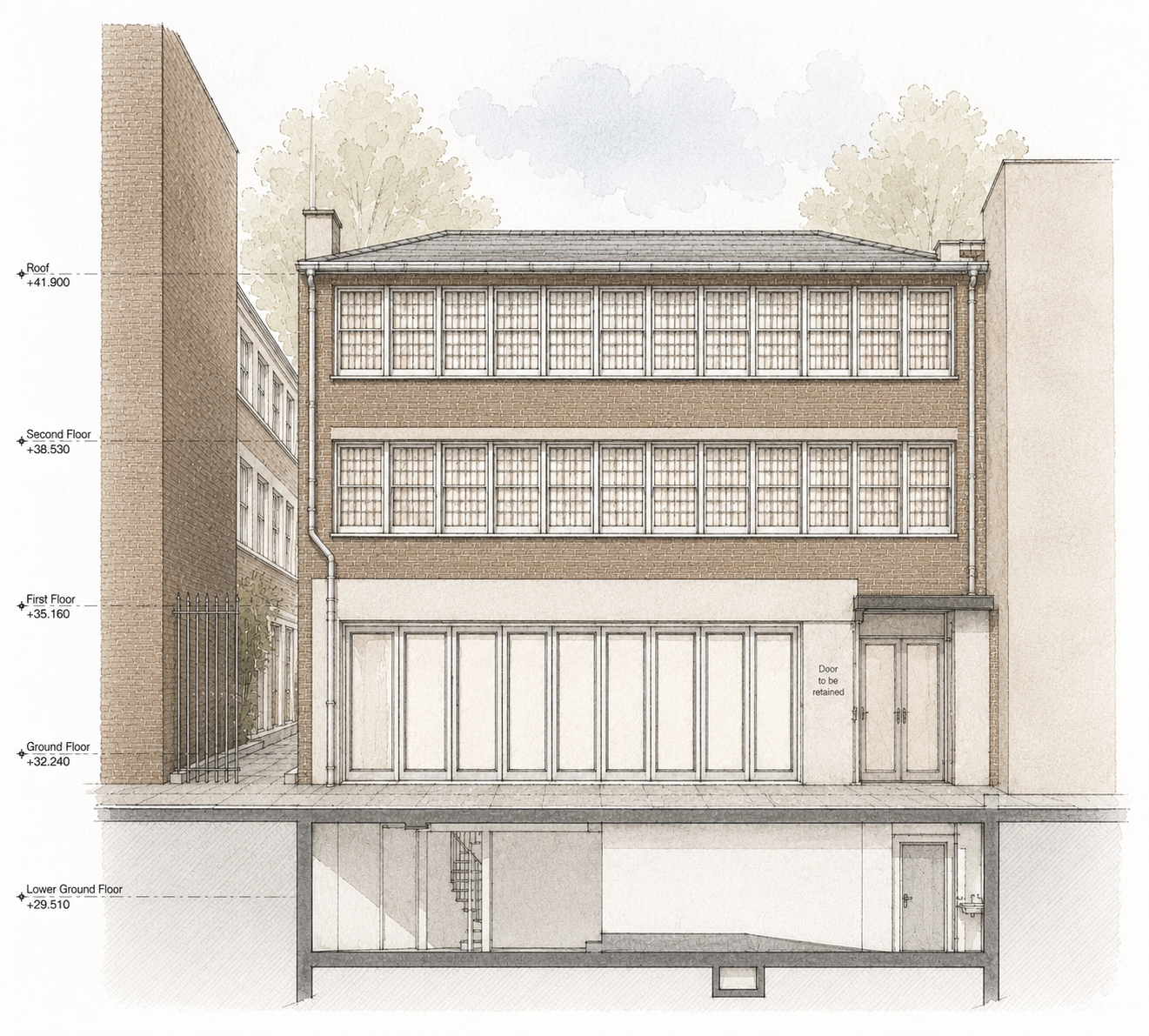
There is a particular responsibility that comes with working on an existing building. The Old Timberyard , a former Victorian workshop, offered the opportunity to demonstrate how careful retrofit can honour heritage whilst delivering genuine long-term performance. Behind its retained brickwork and historic fabric sits a carefully executed EnerPHit upgrade. This was not about surface improvements, but a rigorous, fabric-first transformation, reworking a cold, underperforming structure into a comfortable, resilient and low-energy building fit for contemporary use.

Ask an expert


Book a free consultation today with Richard Dudzicki, RDA's director, founder and lead architect.


Ease your mind and take the first step towards your future home with confidence. No commitment, flexible timings.
Book now
By Richard Dudzicki March 27, 2026
Between History and Innovation: Learning from Mexico City Richard recently travelled to Mexico City with the Architects Marketing Group for a series of intensive workshops exploring the intersection of marketing and artificial intelligence within architectural practice.
By Richard Dudzicki March 10, 2026
On 25 March, Richard will be speaking at NLA’s Coffee Conversation about how London’s most constrained and overlooked sites can play a role in addressing both the housing crisis and the climate emergency. Across the city, small and fragmented plots are often dismissed as too difficult to develop. Backland sites, former garages and leftover spaces within established neighbourhoods are frequently overlooked by conventional development models. Yet collectively they represent a significant and largely untapped opportunity.
By Richard Dudzicki March 3, 2026
There is a particular responsibility that comes with working on an existing building. The Old Timberyard , a former Victorian workshop, offered the opportunity to demonstrate how careful retrofit can honour heritage whilst delivering genuine long-term performance. Behind its retained brickwork and historic fabric sits a carefully executed EnerPHit upgrade. This was not about surface improvements, but a rigorous, fabric-first transformation, reworking a cold, underperforming structure into a comfortable, resilient and low-energy building fit for contemporary use.
By Richard Dudzicki March 3, 2026
Three weeks ago, Heather Faulding and I had the pleasure of presenting at the NLA’s technical briefing on Retrofit and Reuse a CPD-certified webinar on low-energy & high-performance buildings. It was a fantastic session spotlighting some of the most innovative retrofit work. Heather shared her incredible project for Daily Paper in New York: a powerful example of creative reuse, transforming a crumbling structure using over 7,500 soda cans crafted by local communities. The shimmering façade reflected not only light but the heritage of African beadwork a story of culture and circularity woven into architecture.