
PassivHaus
Passive Mews II
PASSIVHAUS CERTIFIED | 90% LESS ENERGY CONSUMPTION | CONCEALED SWIMMING POOL
Designed on a limited budget in 2017, this 3 bedroom Passive house demonstrates how good and sustainable design can improve living standards.
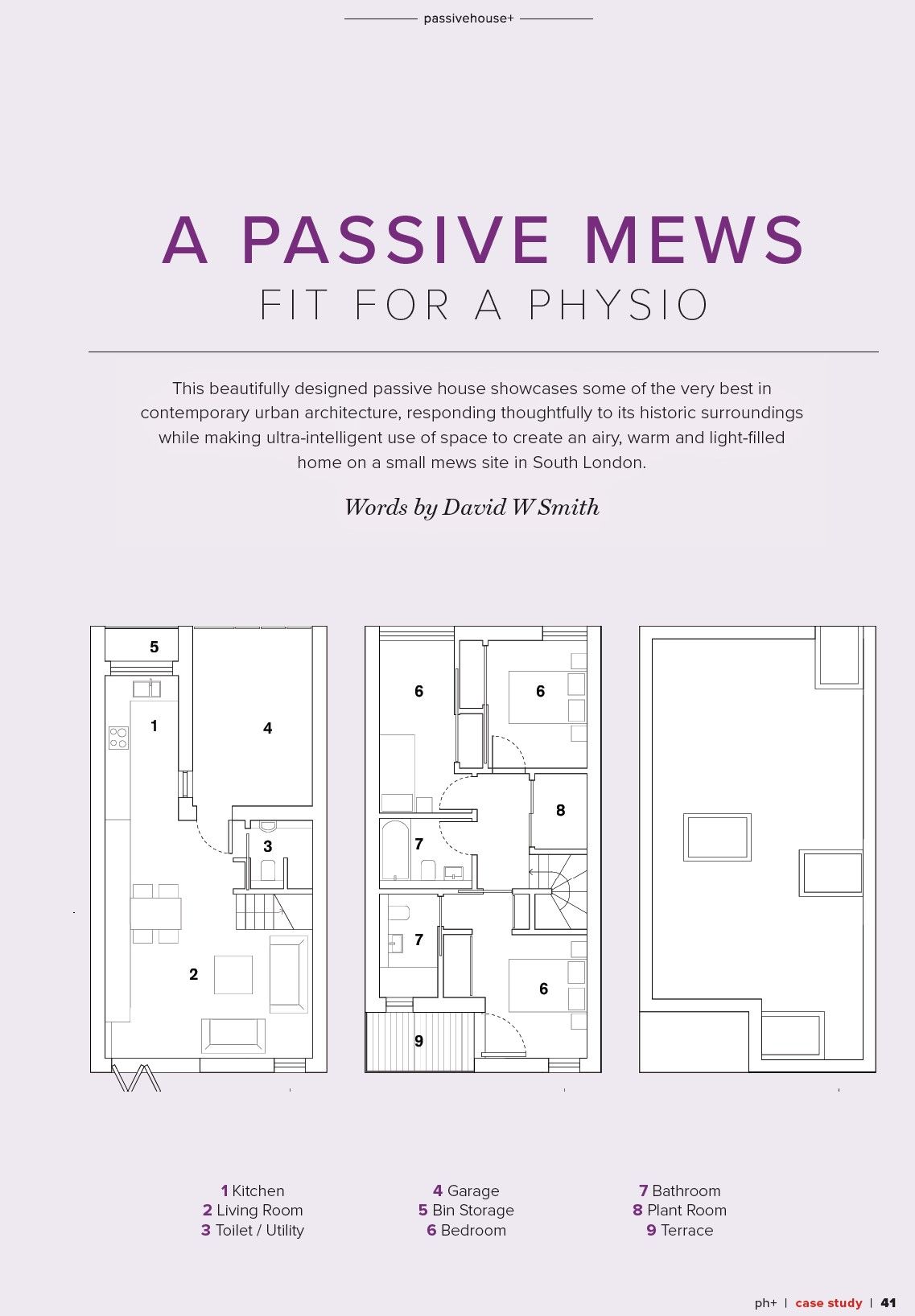
Passivhaus Plus Magazine, 2019
Our client approached RDA to downsize from her Georgian townhouse, seeking to capitalise on our expertise in Passivhaus design. The resulting three-bedroom certified Passivhaus, delivered within a build cost of £250,000 and incorporating a hidden solar-powered hydrotherapy pool, occupies a tight infill site within a conservation area mews.
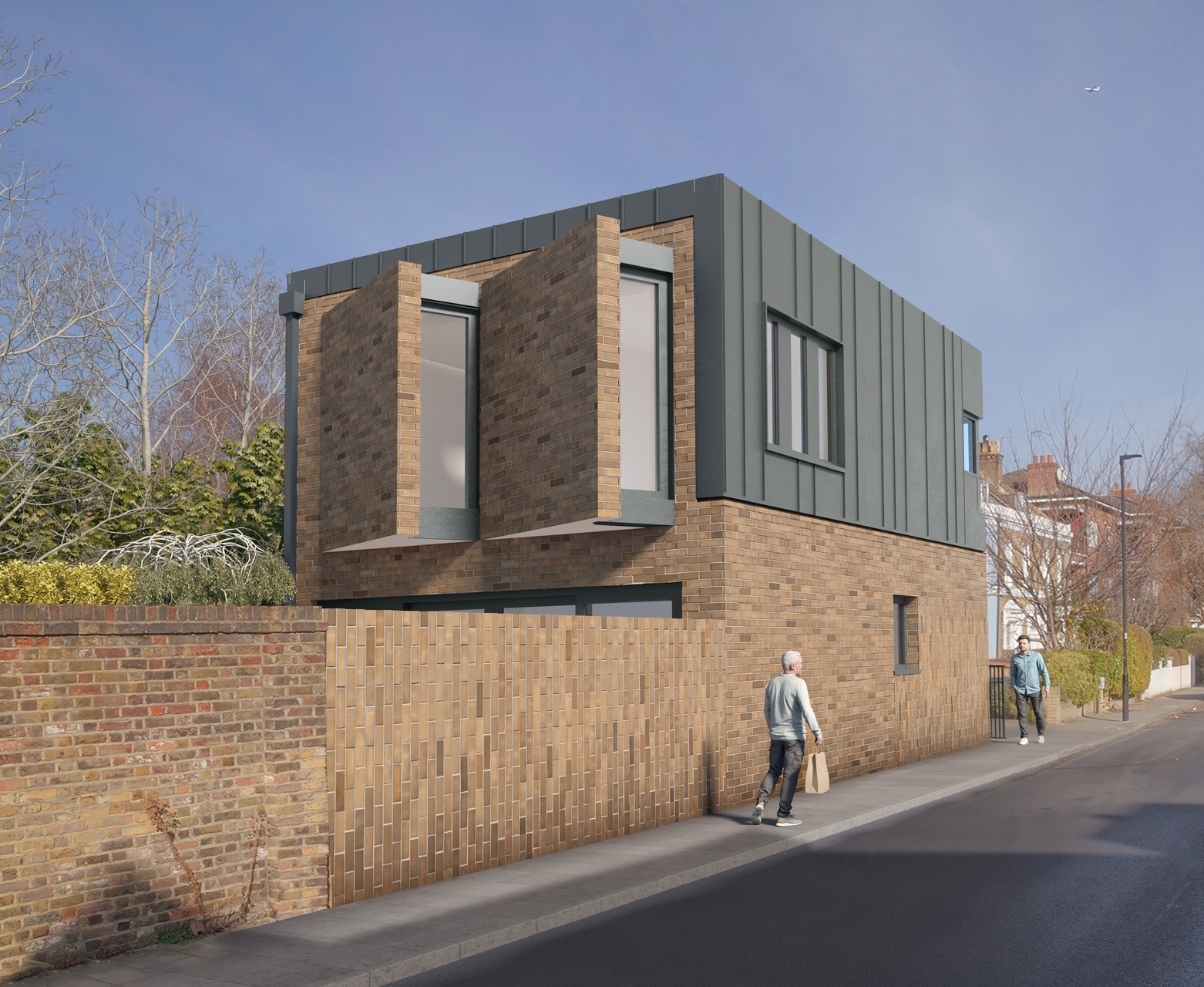
Completed five years after the first house on the street, the project is shaped by significant planning constraints and narrow site access, requiring a carefully considered design that responds to the mews’ industrial character while integrating sensitively with the surrounding London stock brick context.
To achieve Passivhaus certification, the building must follow a set of principles which utilise energy from the sun, super insulation, airtightness and a ventilation system to create a healthy, comfortable, low energy building, that results in super low running costs. To help achieve this, highly insulation structural panels were further wrapped in more insulation, before being fitted with triple glazed windows and doors. Combined with a mechanical ventilation and heat recovery system, the house will consume around 90% less energy than a typical build.
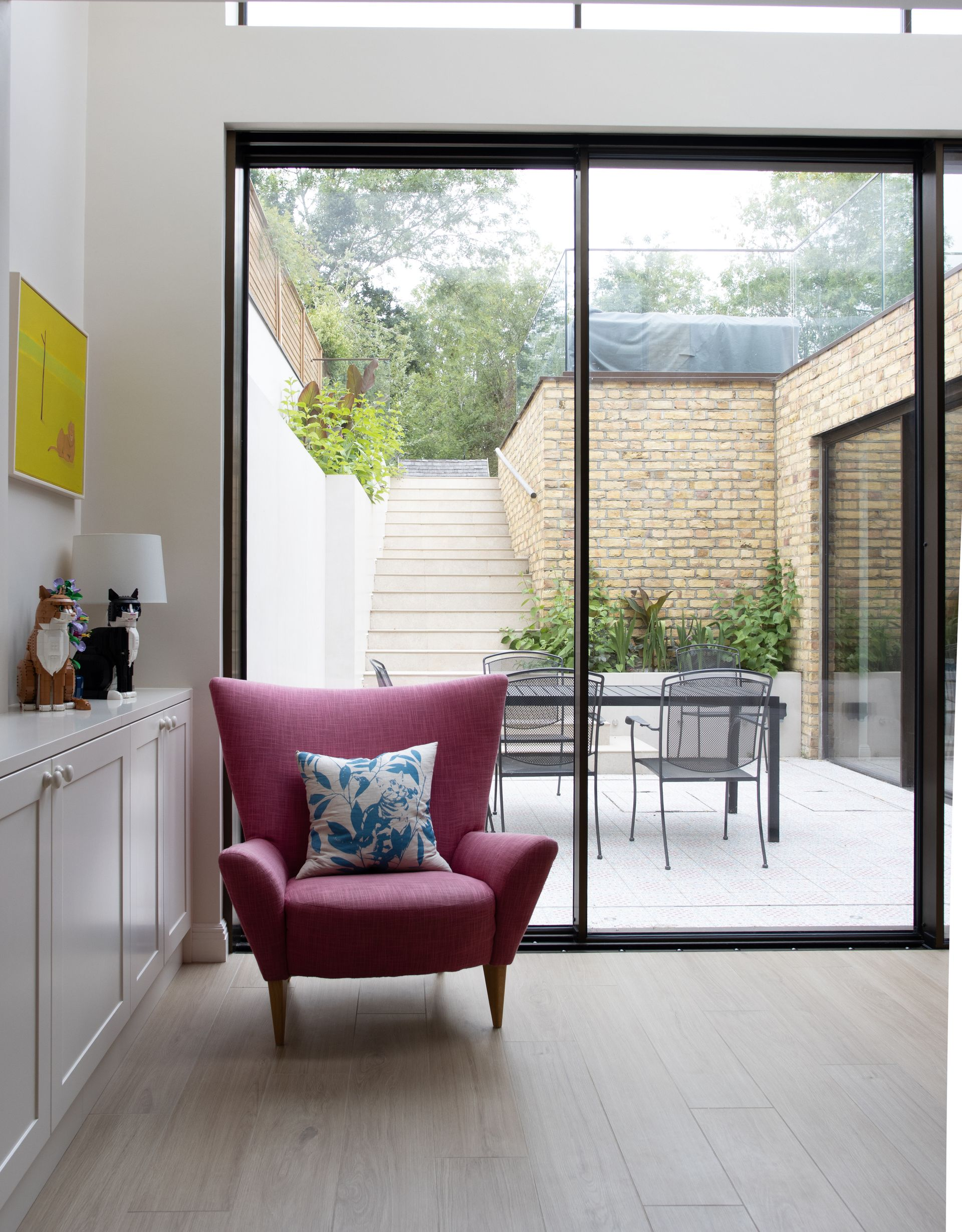
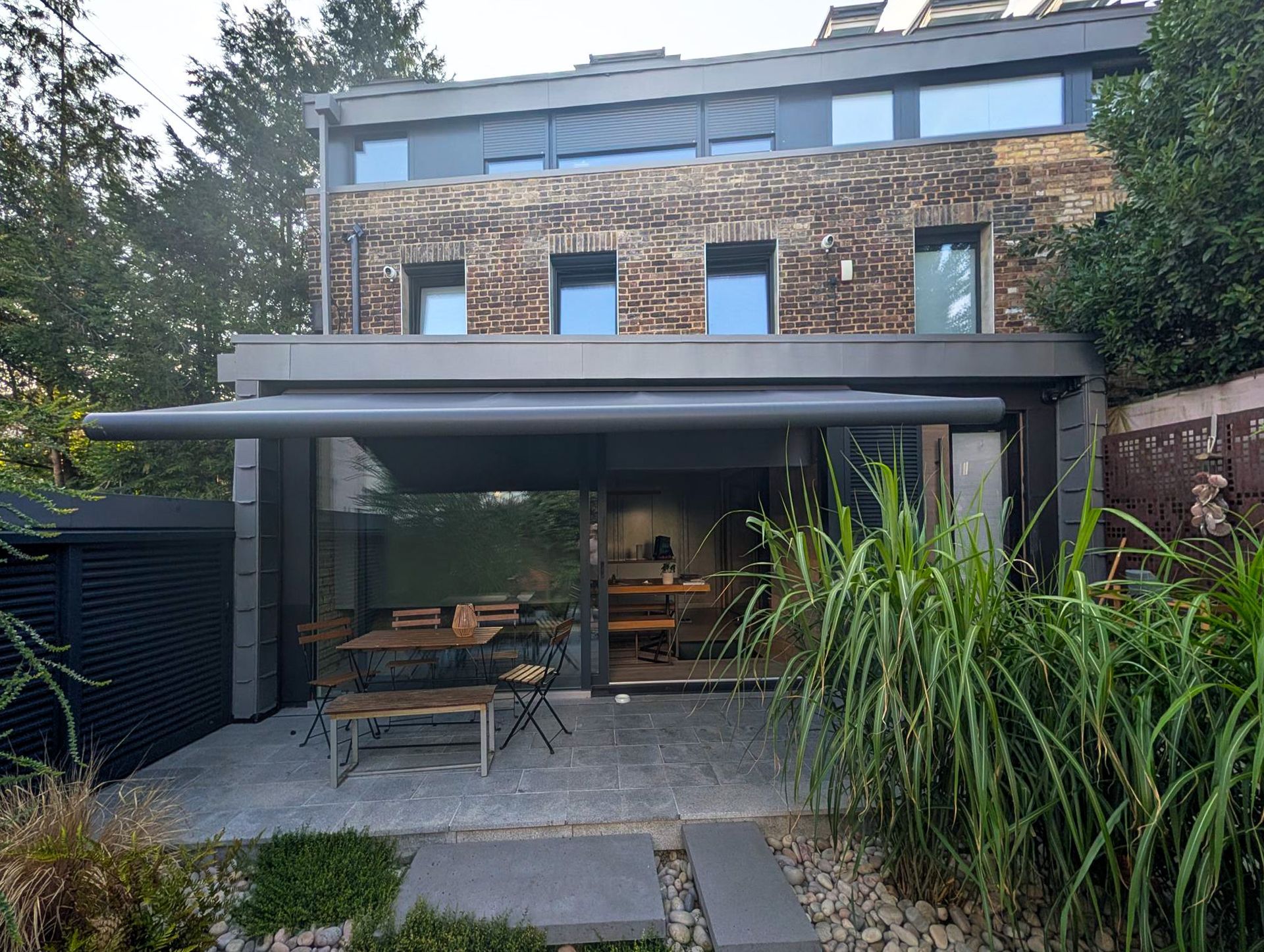
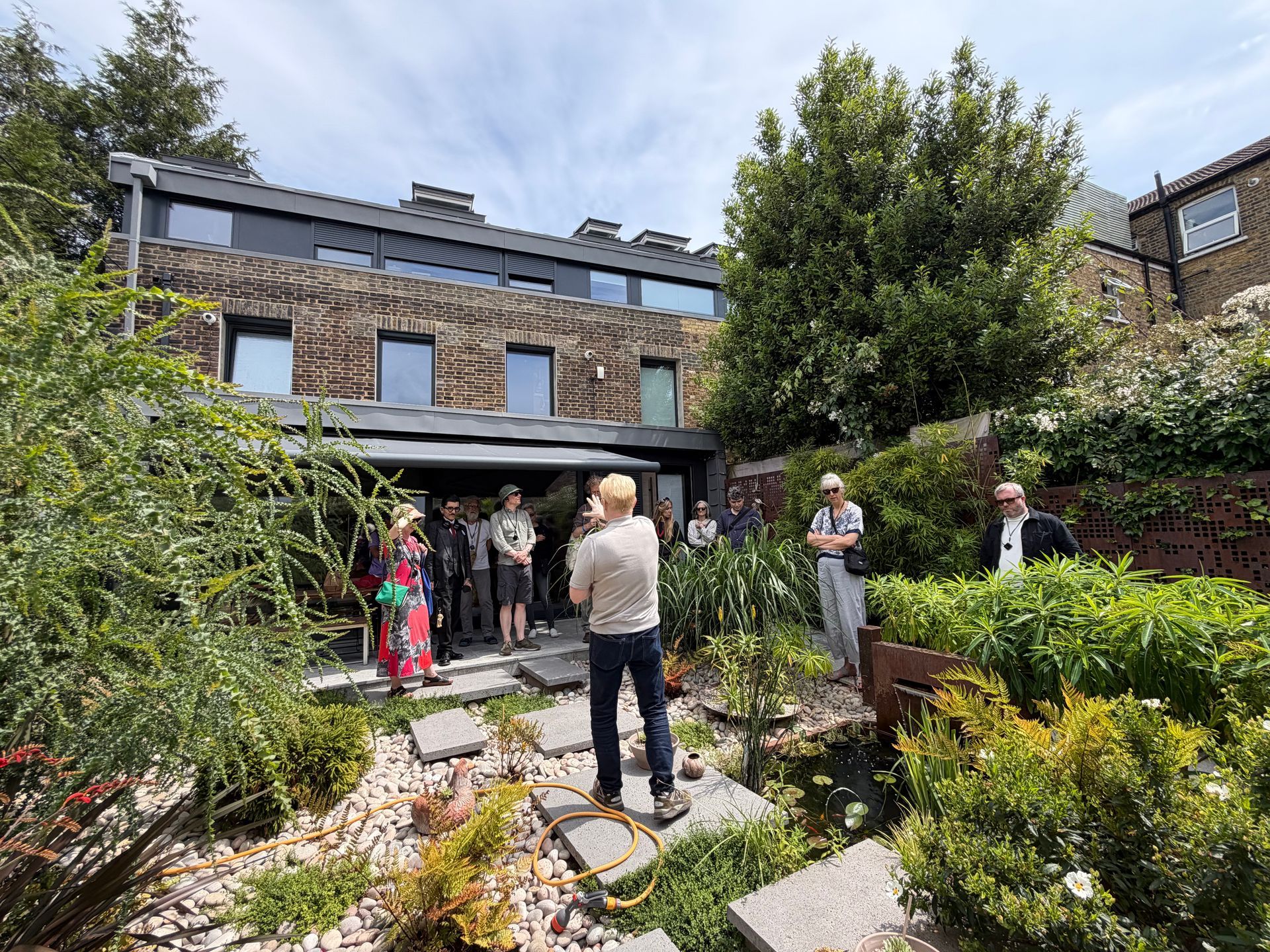
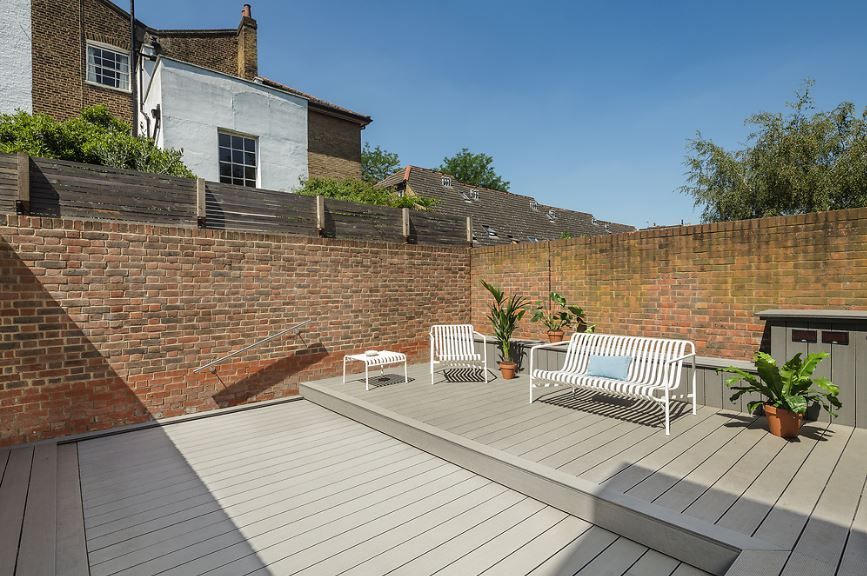
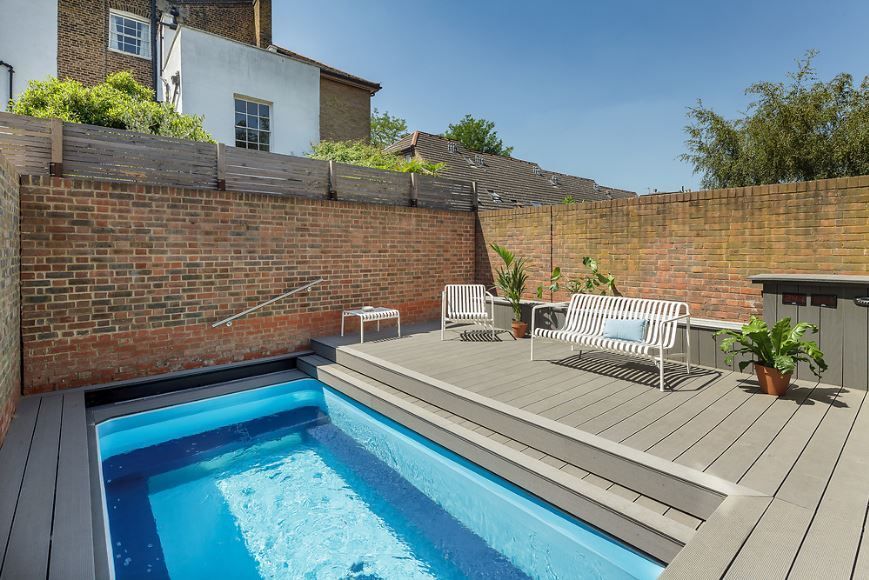
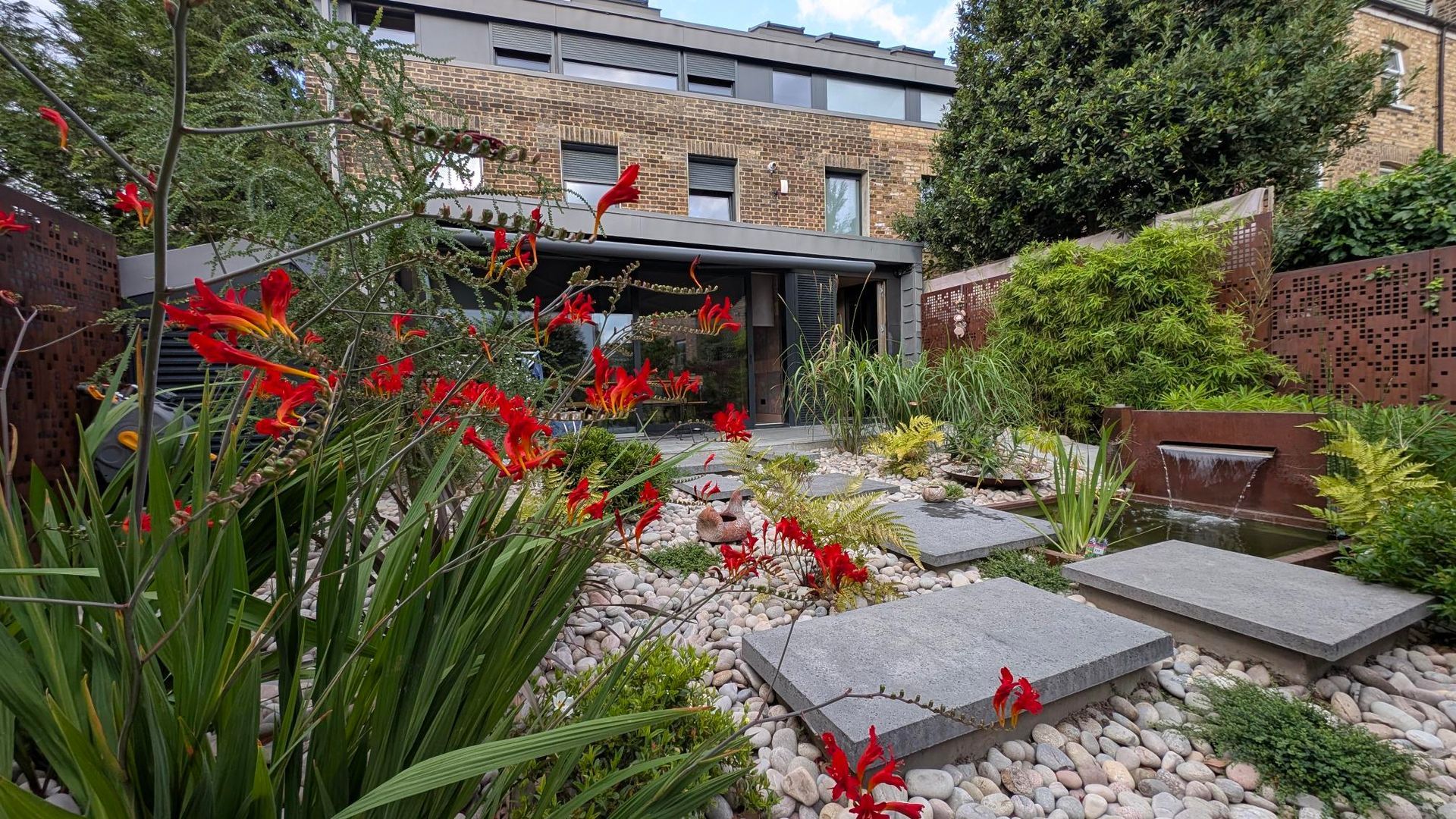
Maximising the outdoor amenity, the house offers a rear courtyard and a first-floor terrace, accessed off the master bedroom, which provides a more sheltered and private outdoor space. Standing in the courtyard, one flick of a switch starts to move the timber deck, which slides open to reveal a compact swimming pool underneath. The pool is electrically heated, which whilst is a significant consumer of energy, is almost completely offset by four large photovoltaic panels on the roof.
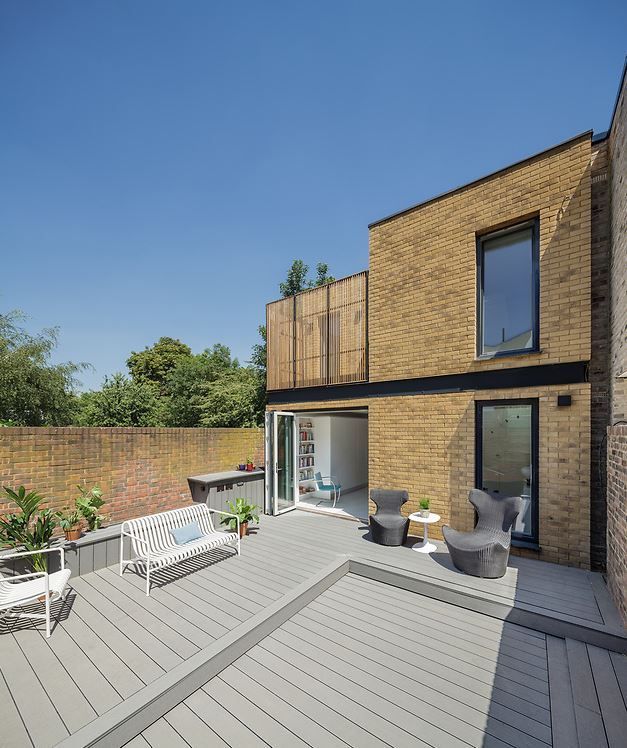
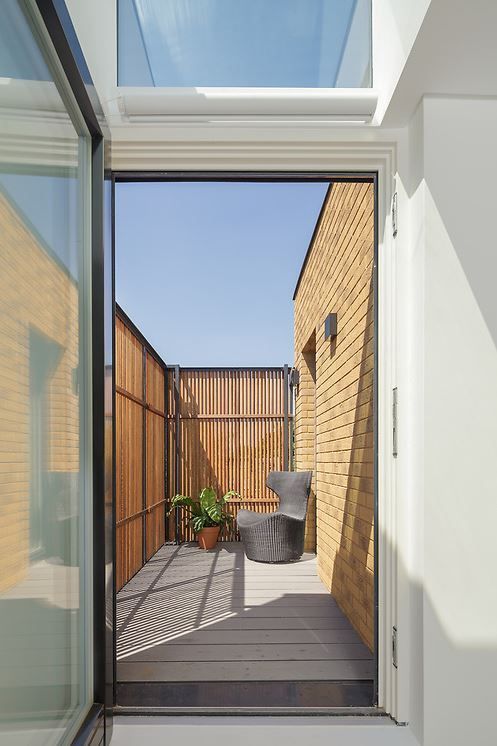
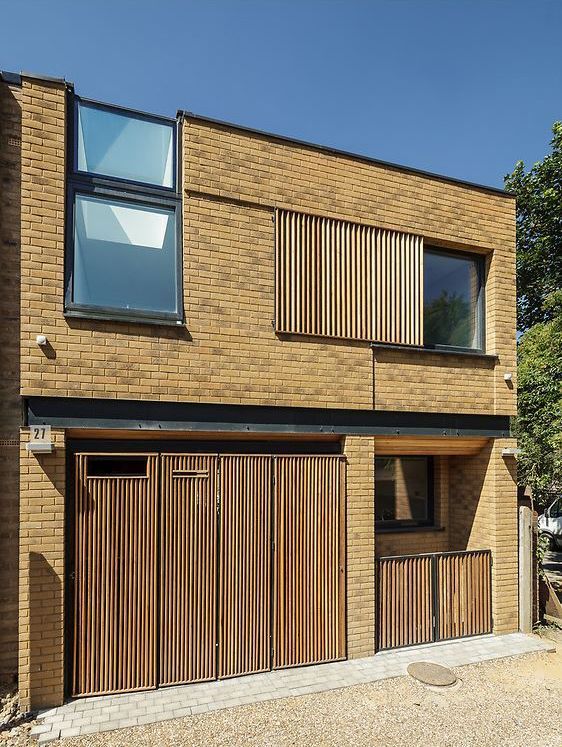
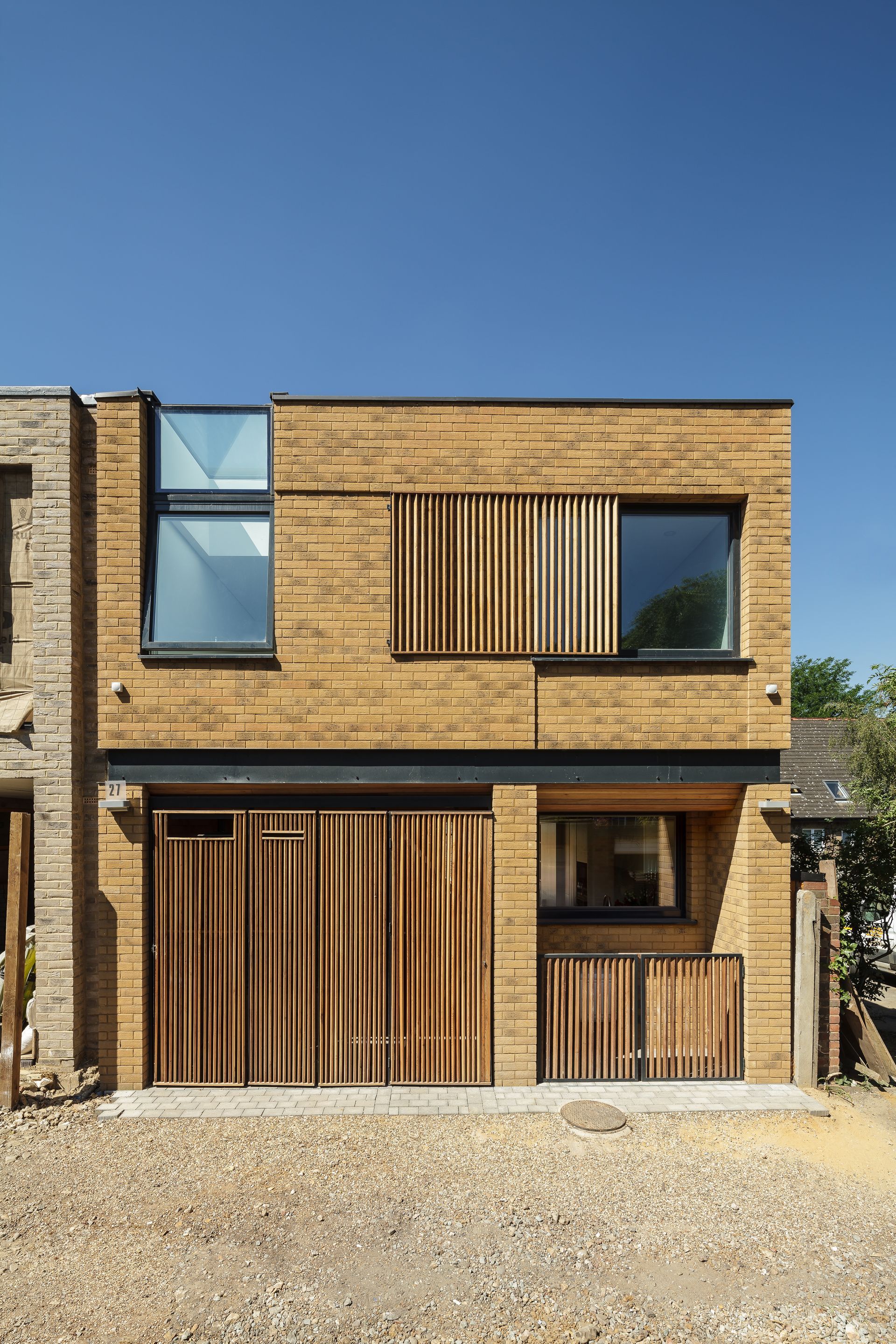
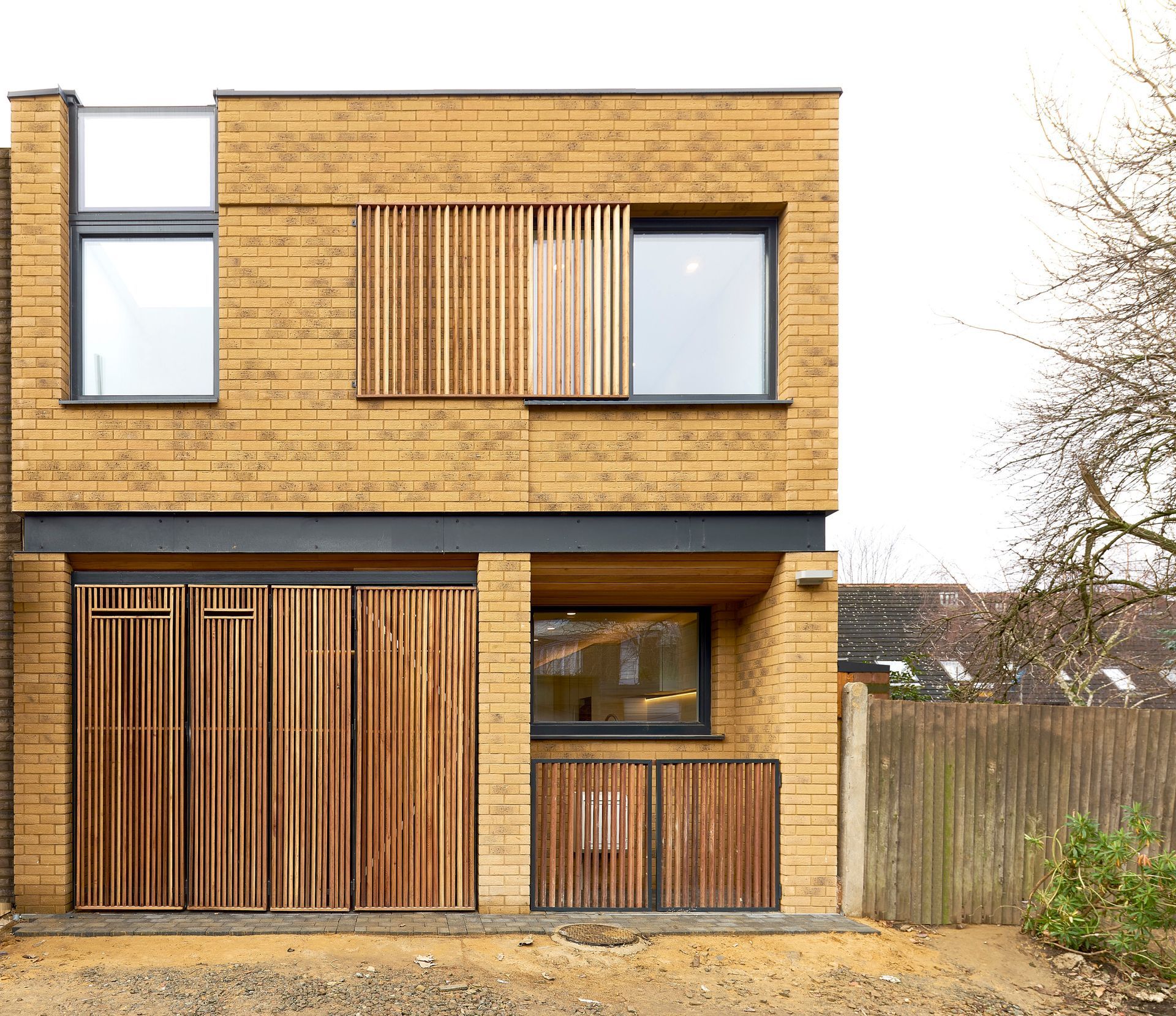
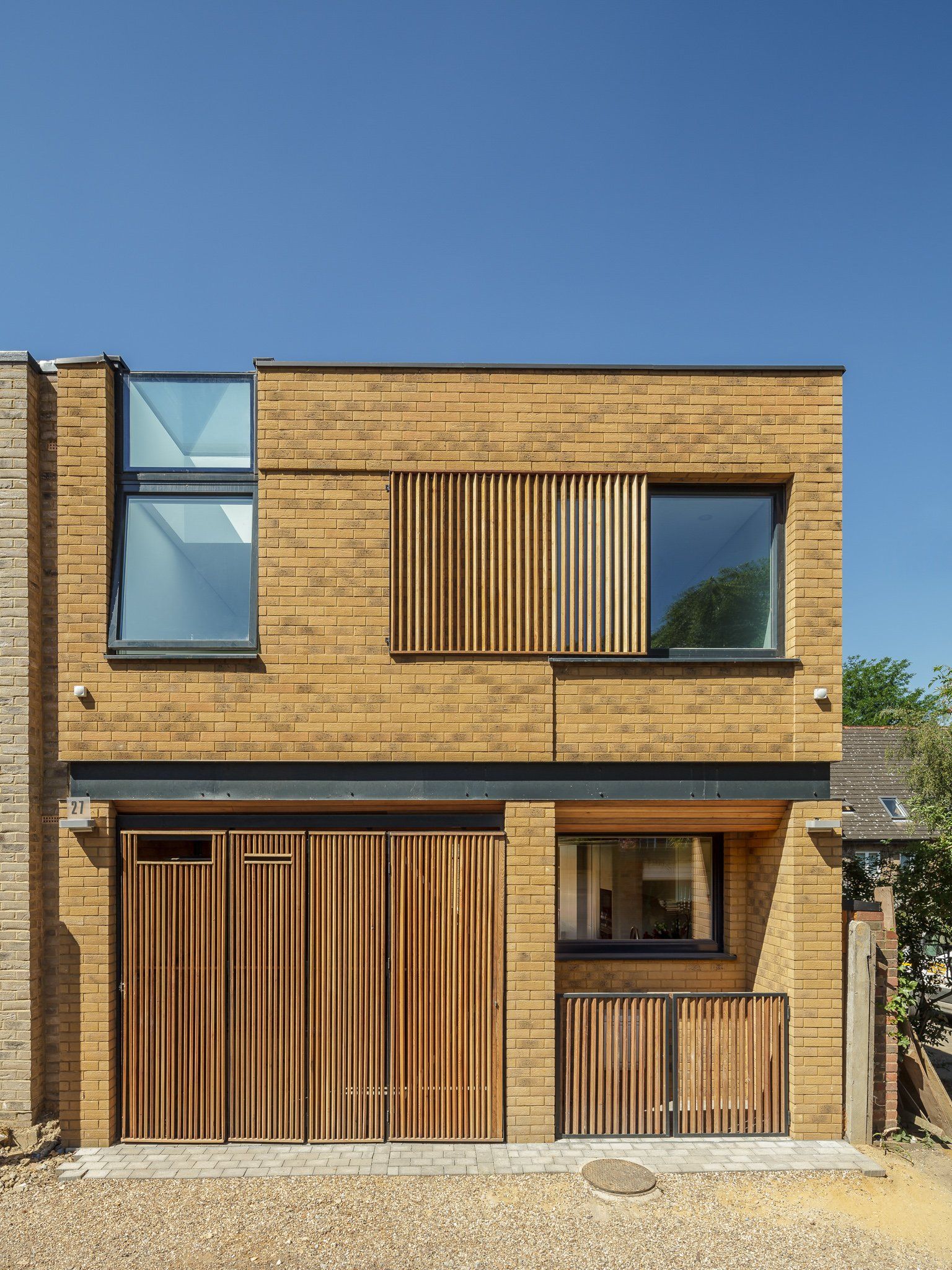
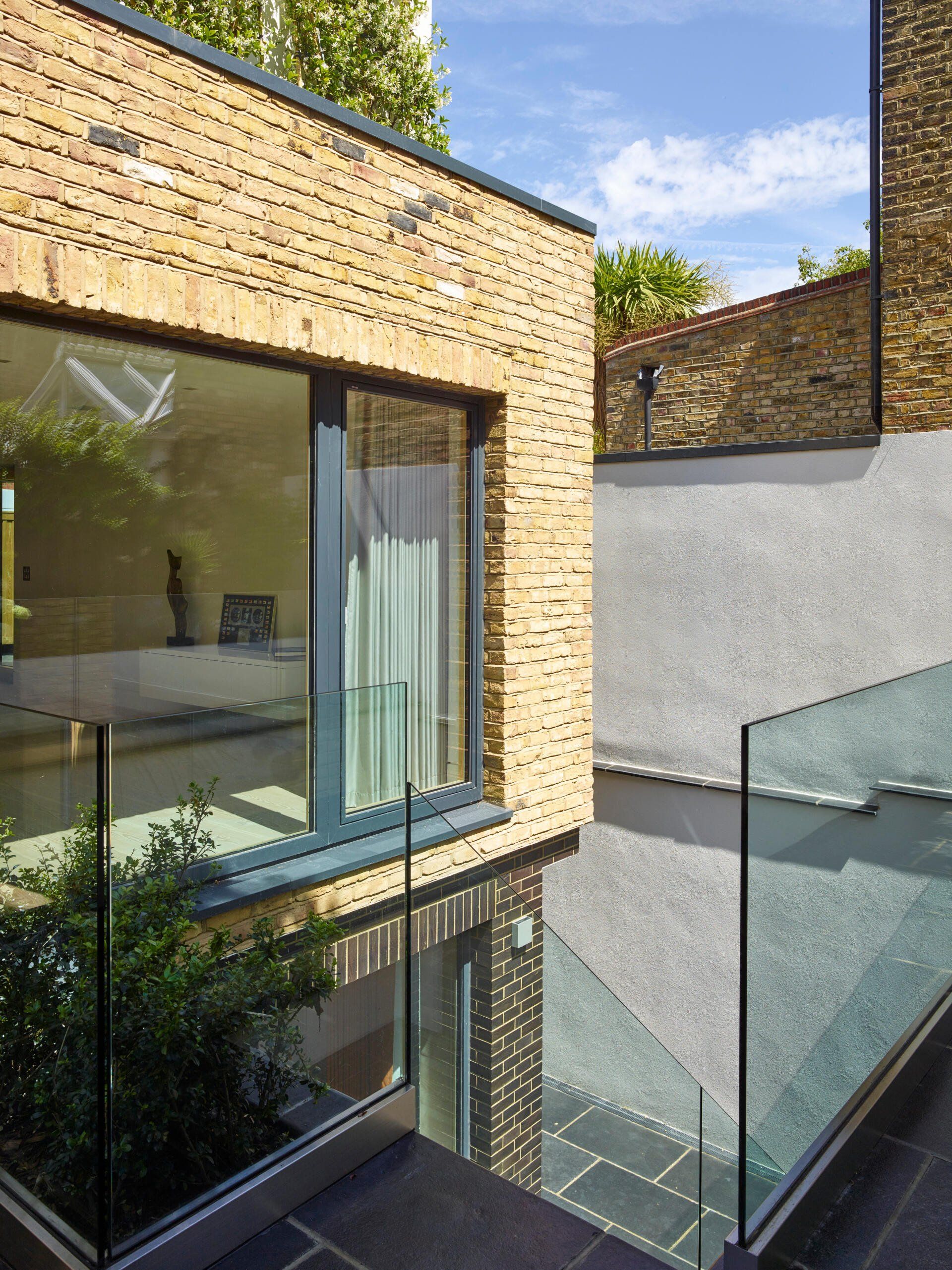
The overall design concept plays on the industrial service nature of the mews lane, maintaining a subservient presence to the town-houses behind it. The elevations use a combination of brick and steel that are softened with red cedar detailing. Chamfered timber soffits and slight variances in the brick depth bring lightness to the elevations that are animated with sun and shadow.
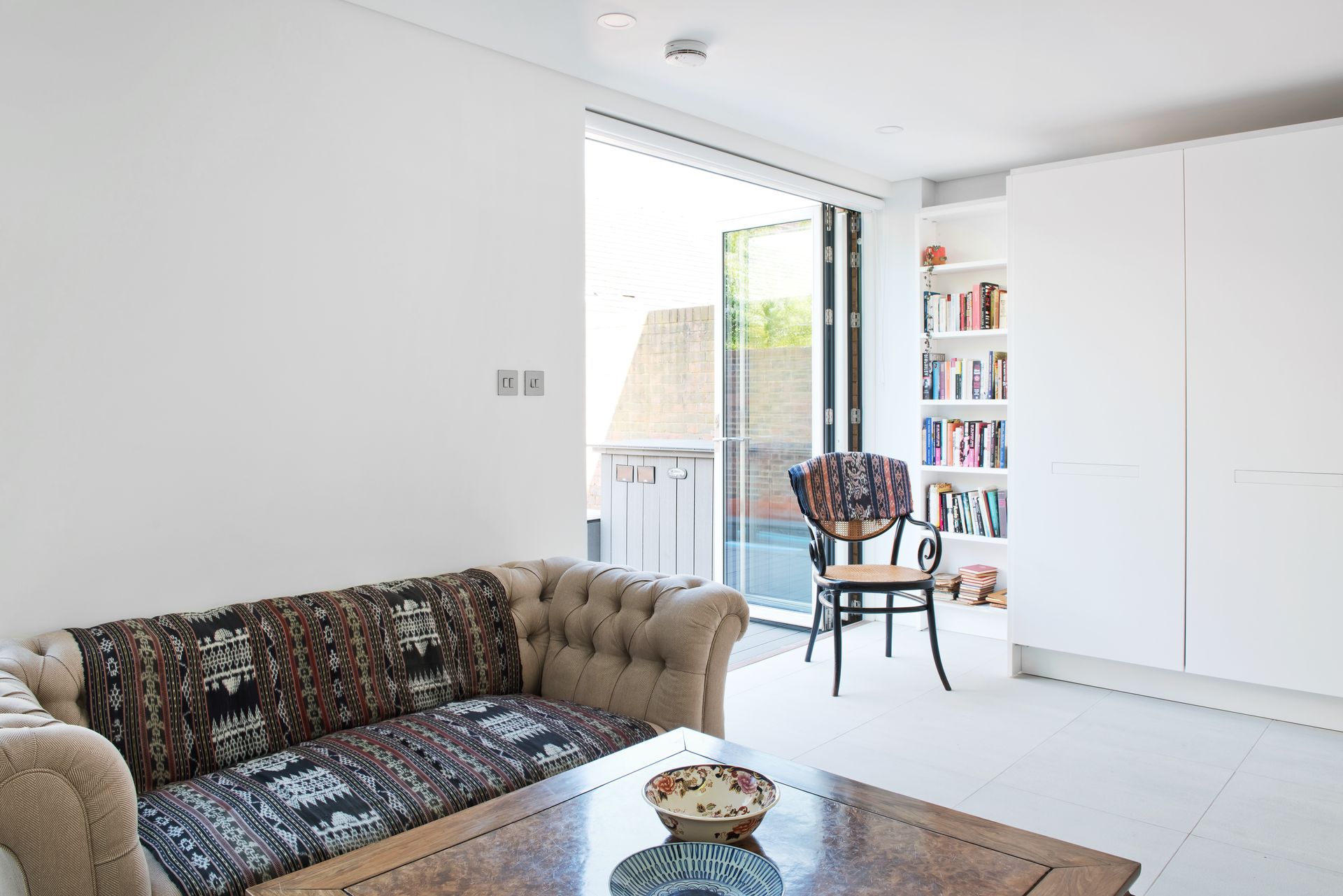
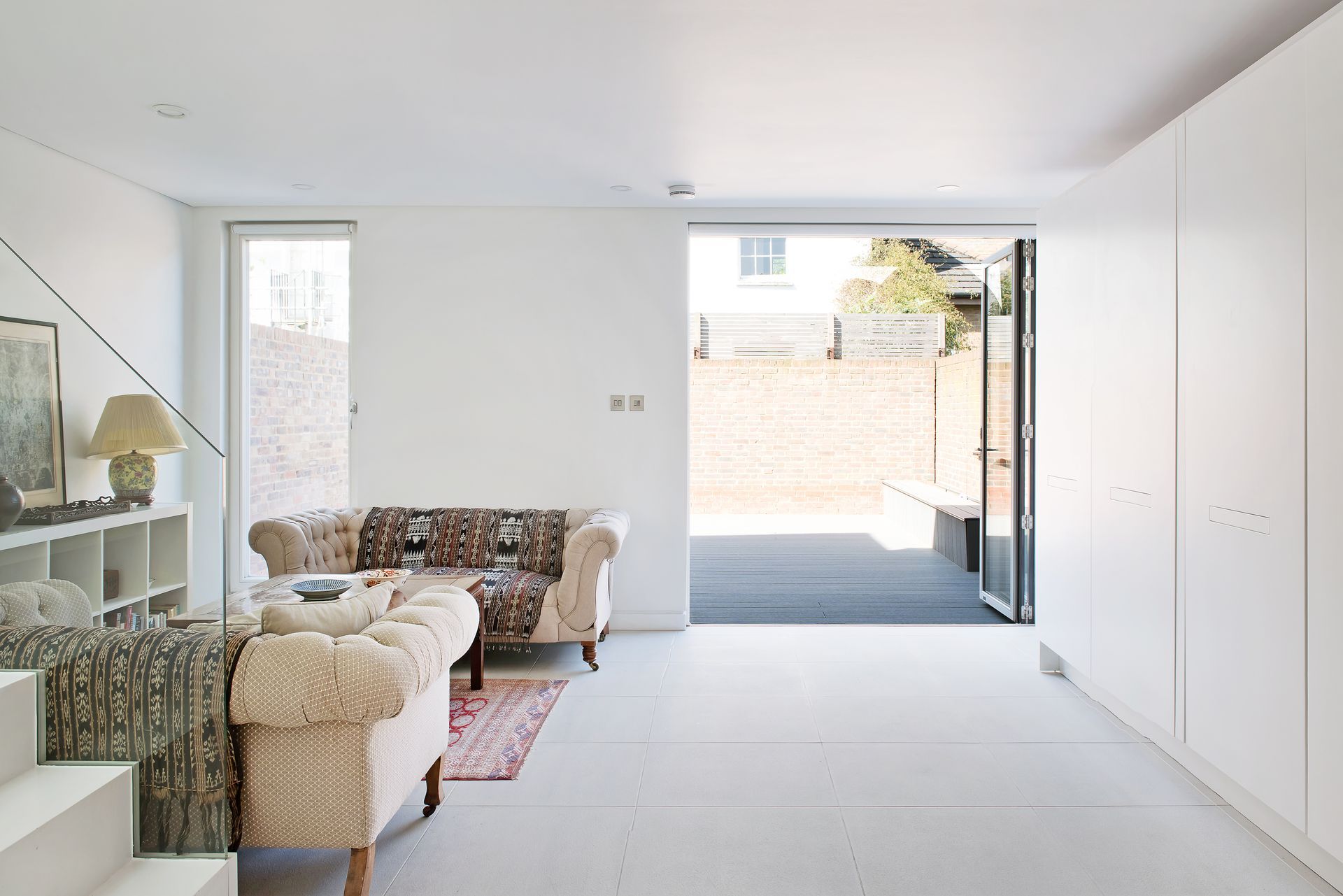
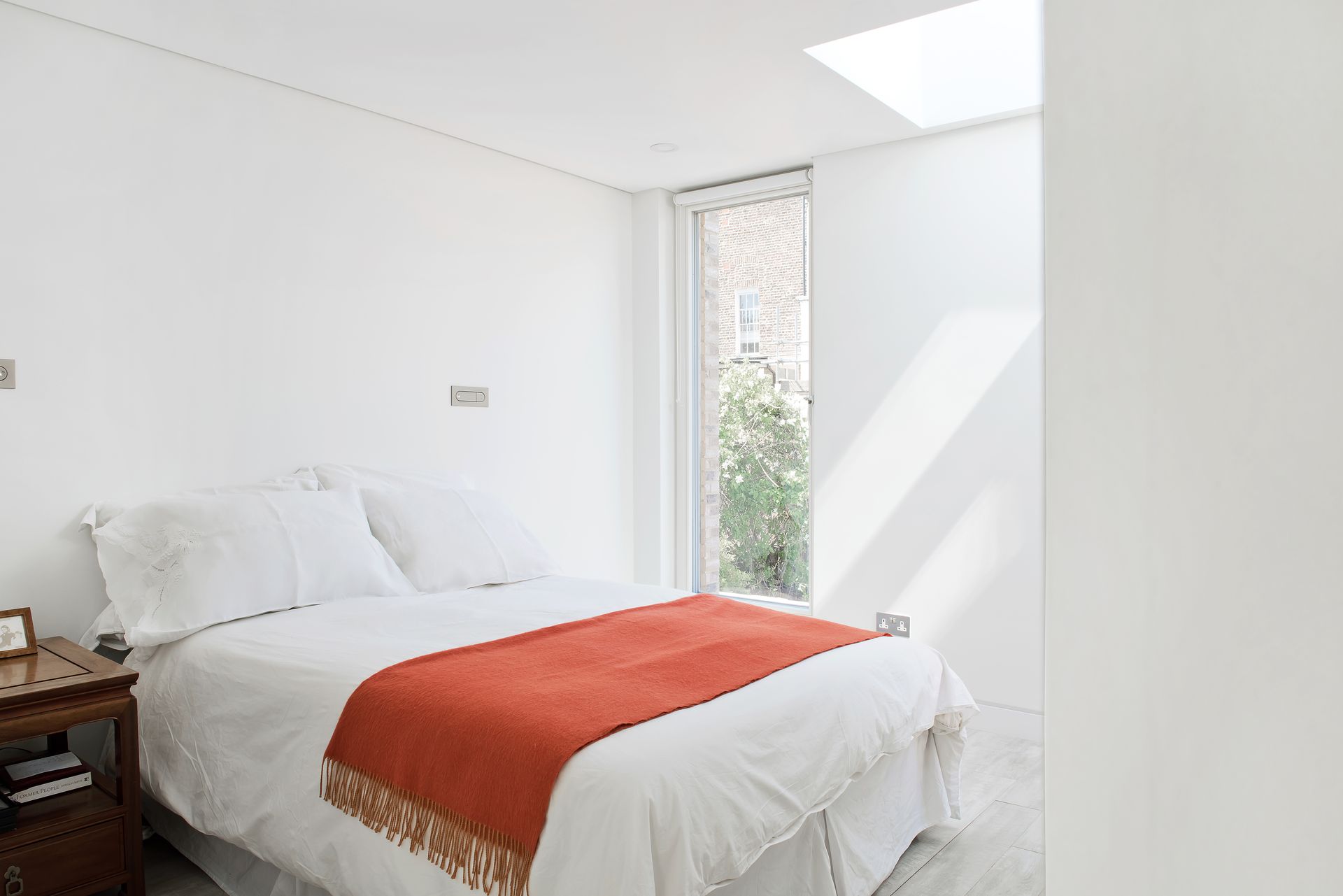
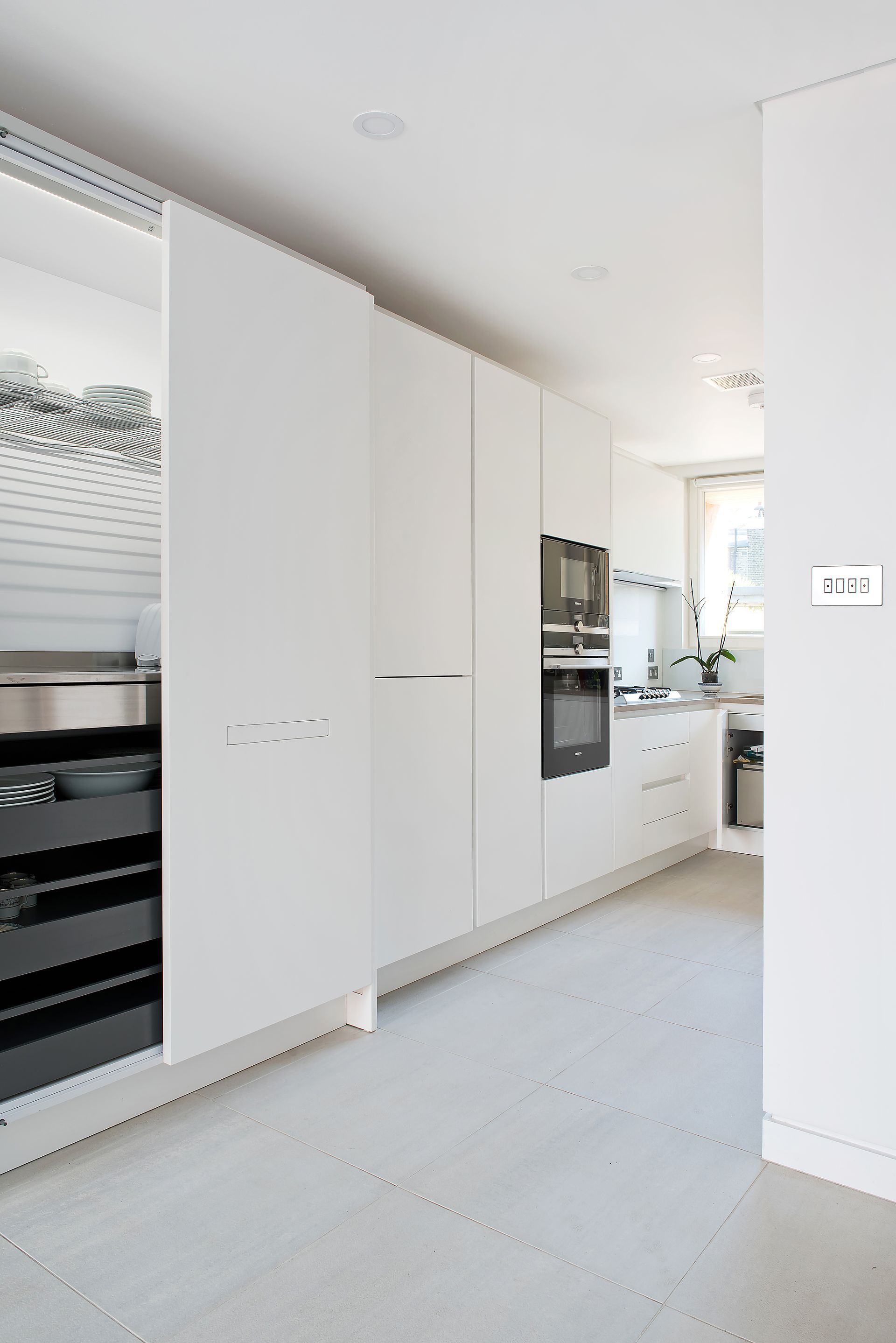
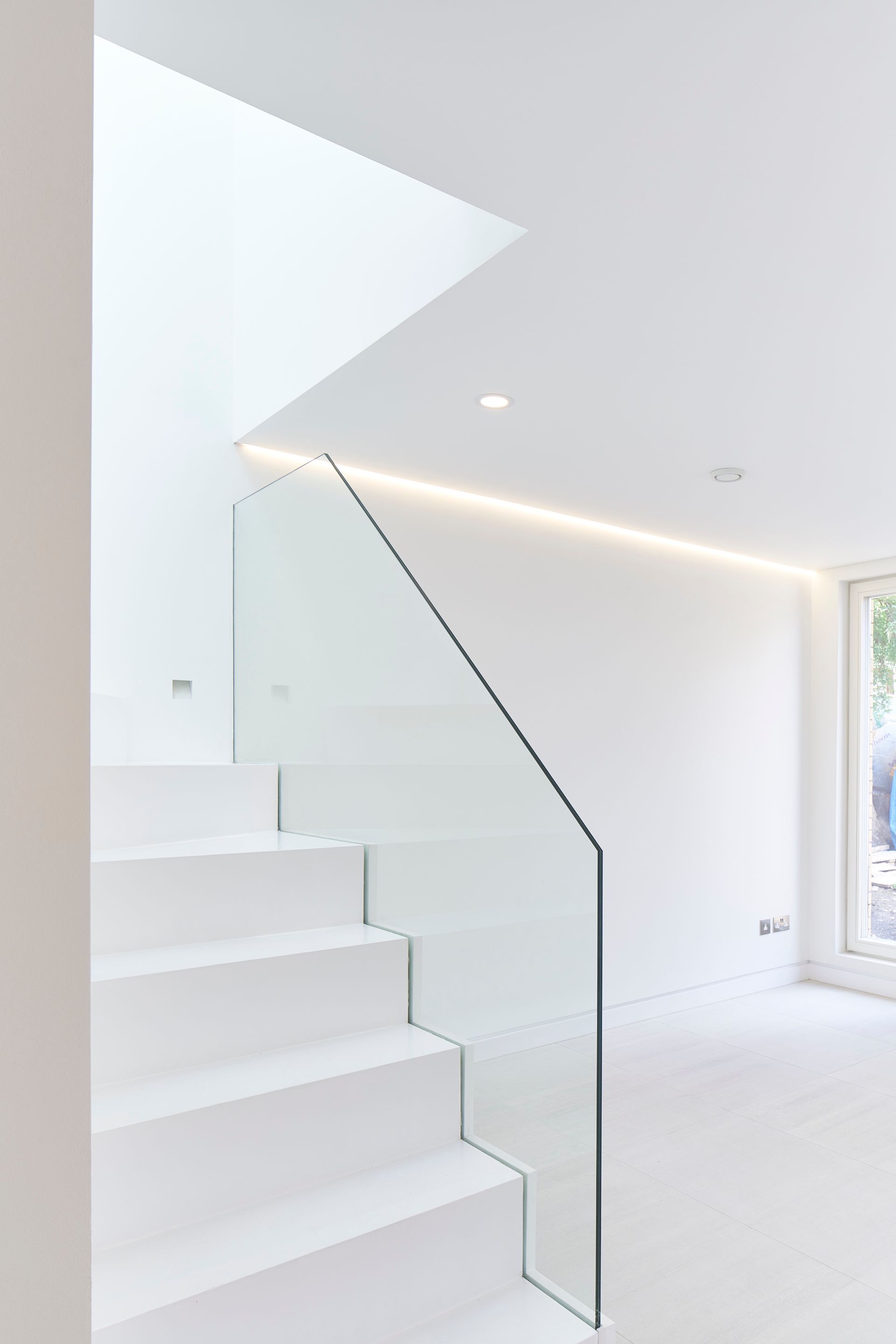
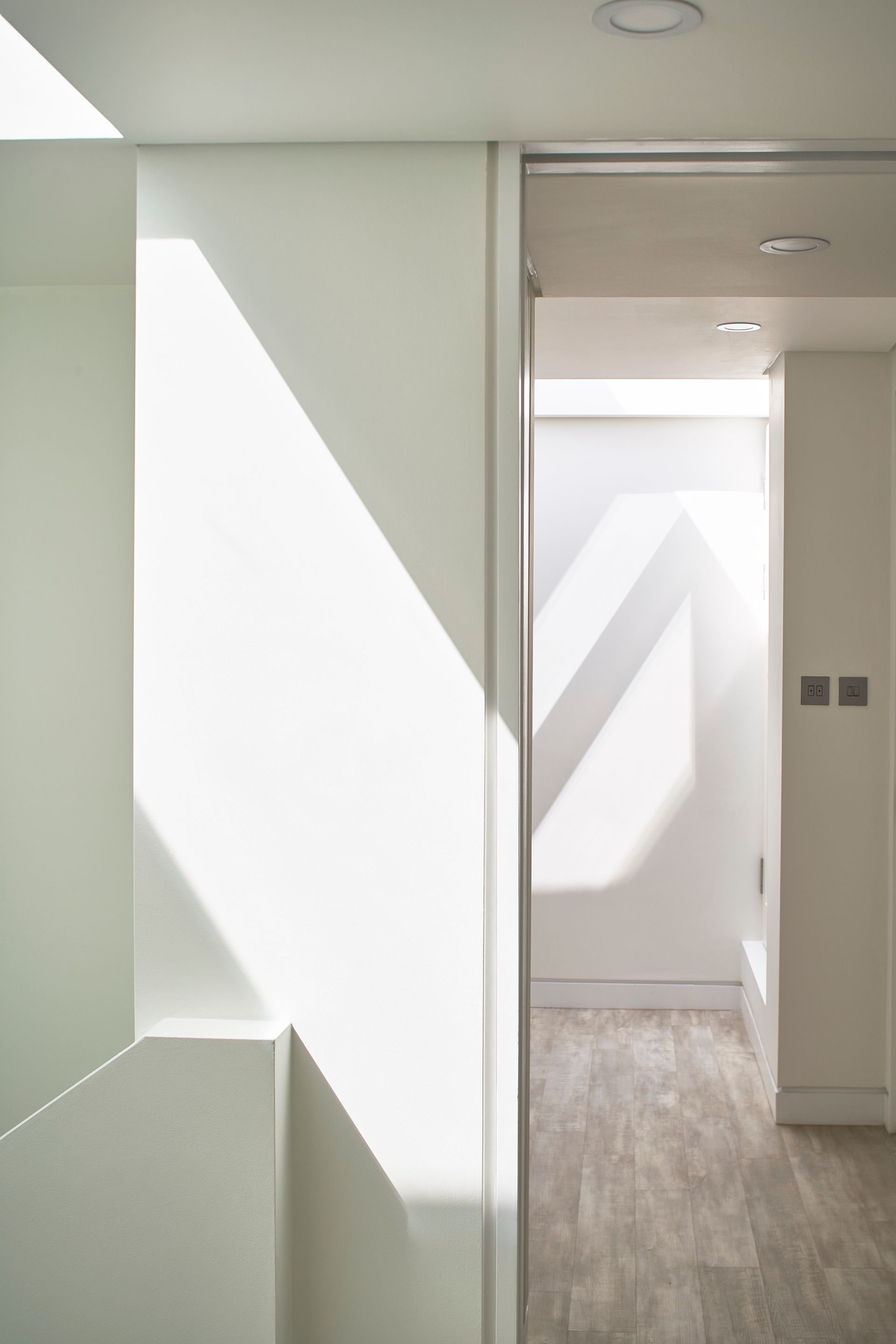
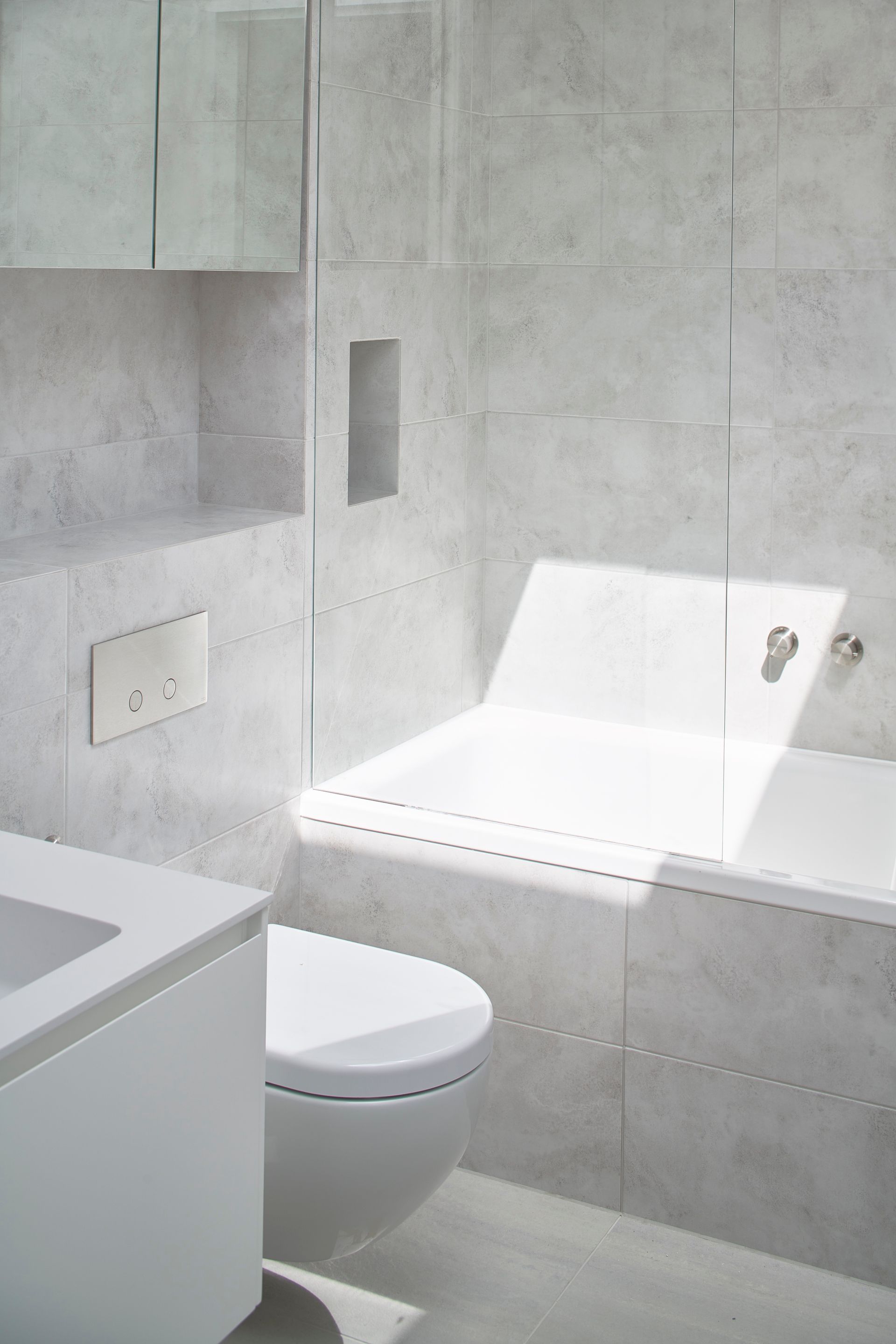
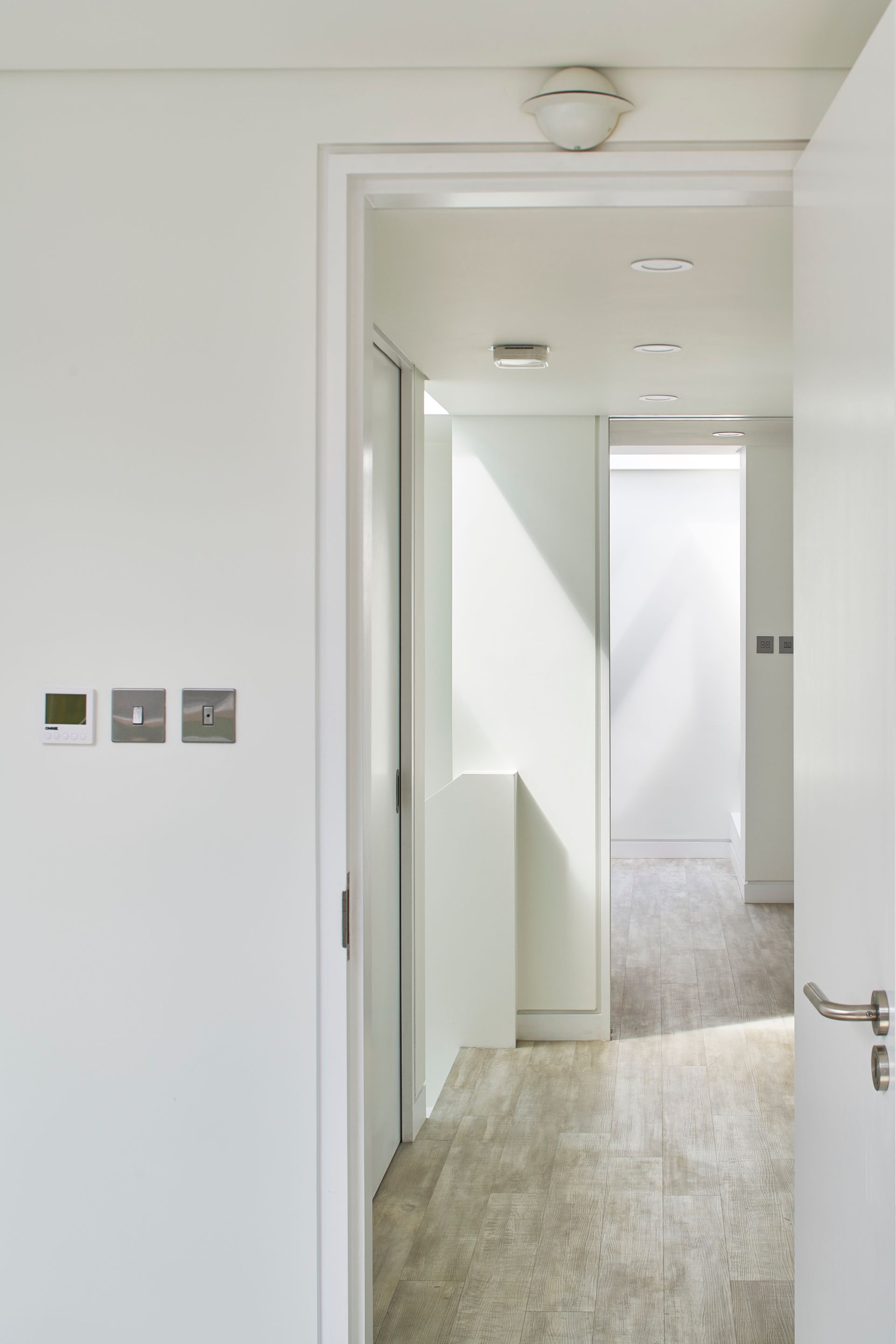
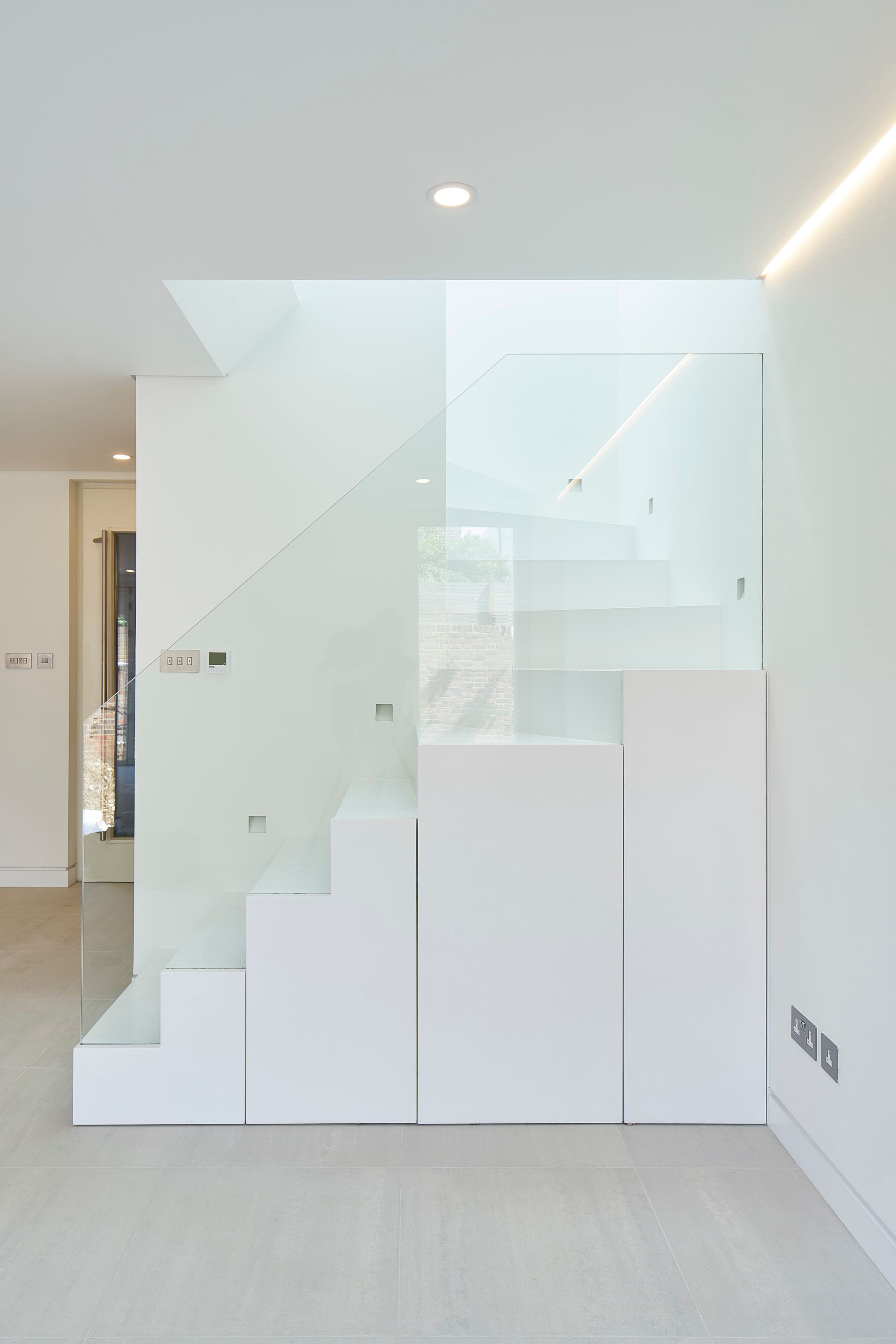
Light plays an important role in this house; every room is flooded with it. Not only does this enhance the internal living spaces, it making them feel more spacious and luxurious. The light bounces off the clean and simple internal material palette, defined by sharp clean lines, flush skirting boards and shadow gaps.
Constrained Site
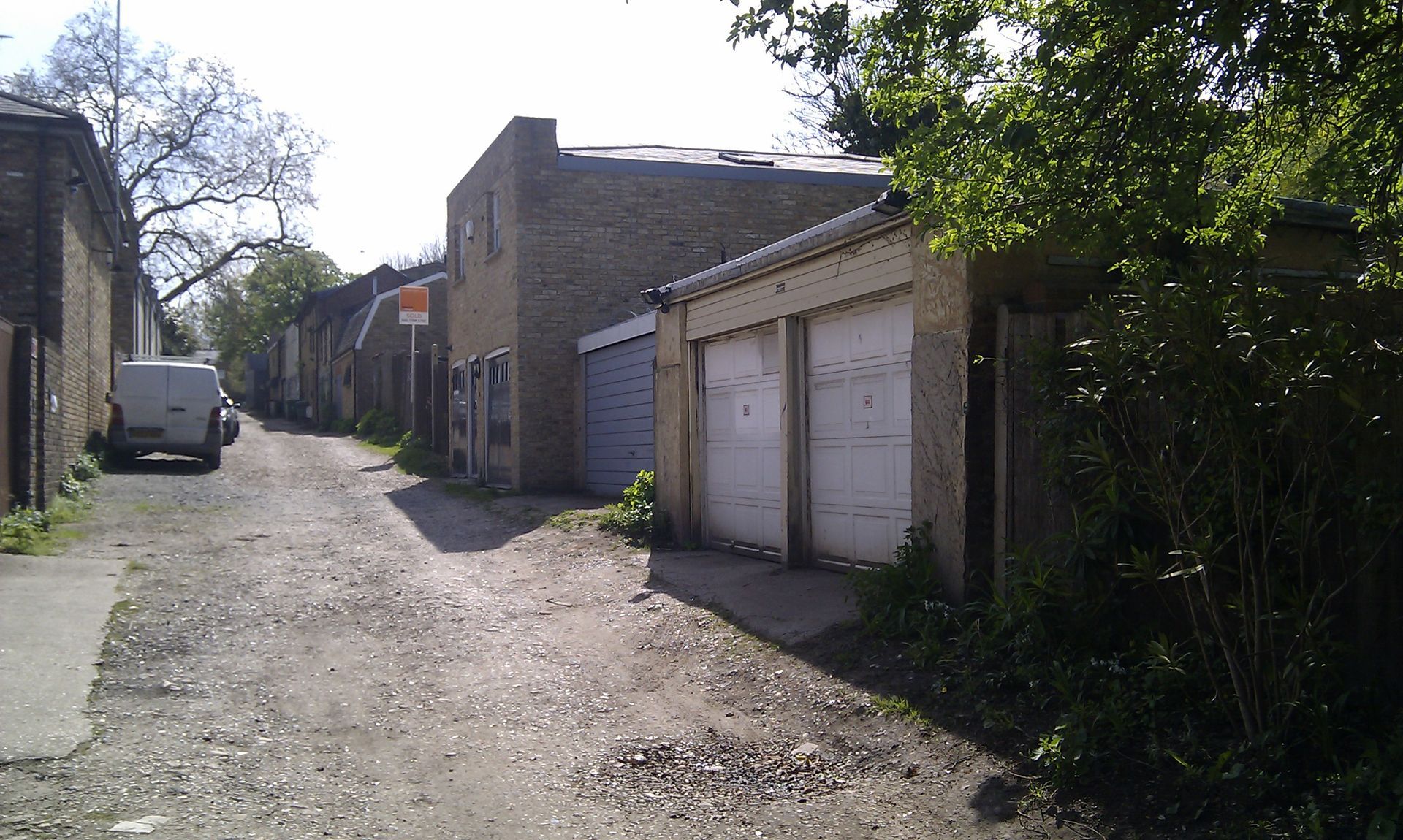
Occupying a tight infill plot within a designated conservation area, the project was shaped by a series of inherent constraints. Limited site width and restricted access required a highly coordinated design and construction approach, with materials and components carefully selected for ease of delivery and assembly.
Planning considerations further informed the scale, massing, and material palette, ensuring the new dwelling sits comfortably within its historic context.
Ask an expert
Book a free consultation today with Richard Dudzicki, RDA's director, founder and lead architect.
Ease your mind and take the first step towards your future home with confidence. No commitment, flexible timings.
View More Projects
Dulwich Park Passivhaus
The Old Timberyard
Passivhaus Mews II
Eco Lodge