
RDA & London Festival of Architecture : Conversations on Sustainable Living

Conversations on Sustainable Living: Join Us for a Guided Walk Through East Dulwich During LFA 2025

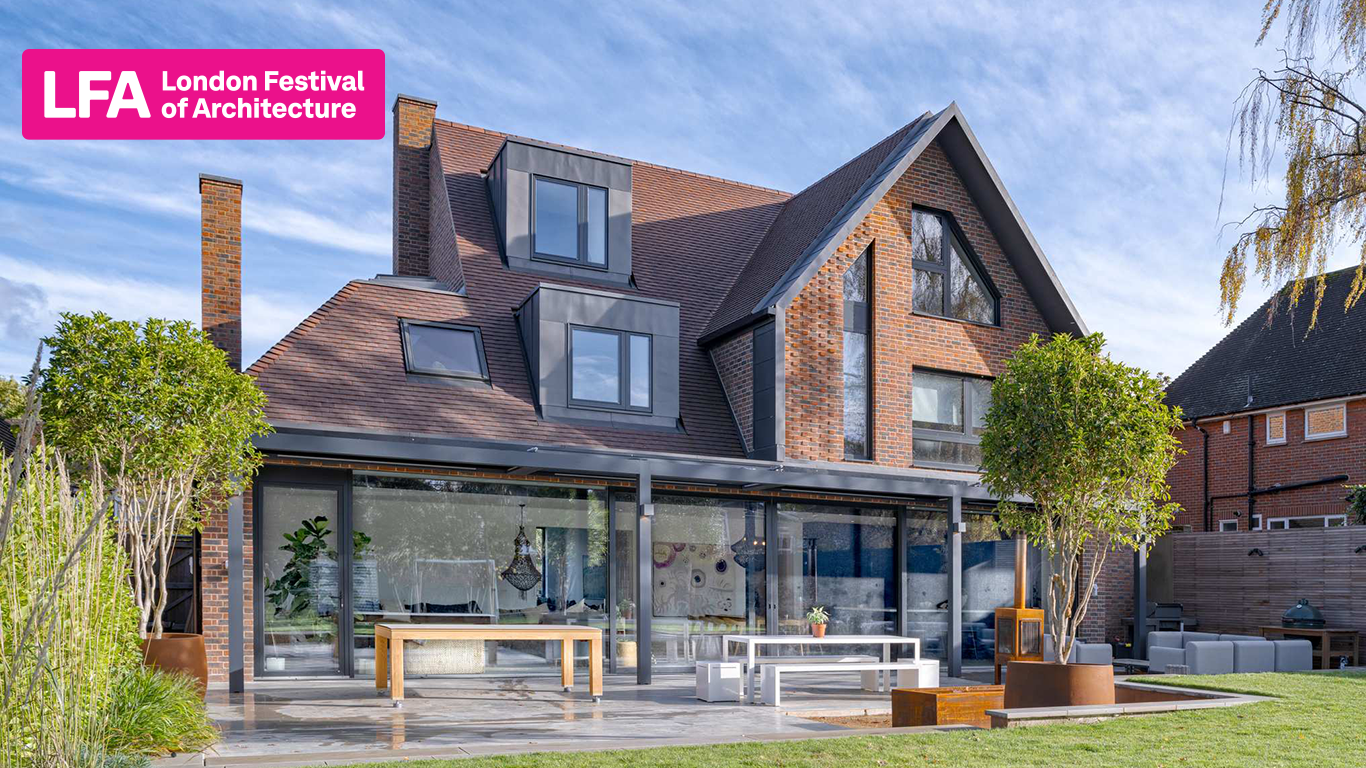
RDA Architects is proud to be participating in the London Festival of Architecture (LFA) 2025, with a specially curated event designed to spark dialogue around sustainable design and future-facing housing. As part of this year’s festival, we are hosting “Conversations on Sustainable Living: A Guided Walk Through East Dulwich,” offering the public a rare chance to explore the principles of Passivhaus architecture in real-world residential settings.

You can now book your free place via Eventbrite:

About the London Festival of Architecture 2025
The London Festival of Architecture is Europe’s largest annual festival of architecture, with hundreds of events that bring together architects, communities, and the public. The 2025 theme, “Voices,” asks how we listen, who gets heard, and how design can empower underrepresented perspectives—whether social, cultural, environmental, or spatial.

This theme is especially resonant for us at RDA Architects, where we believe sustainable design isn’t just about energy efficiency—it’s about creating spaces that reflect and respond to the needs of the people who live in them.

Explore the full festival programme:

Our Event: Conversations on Sustainable Living


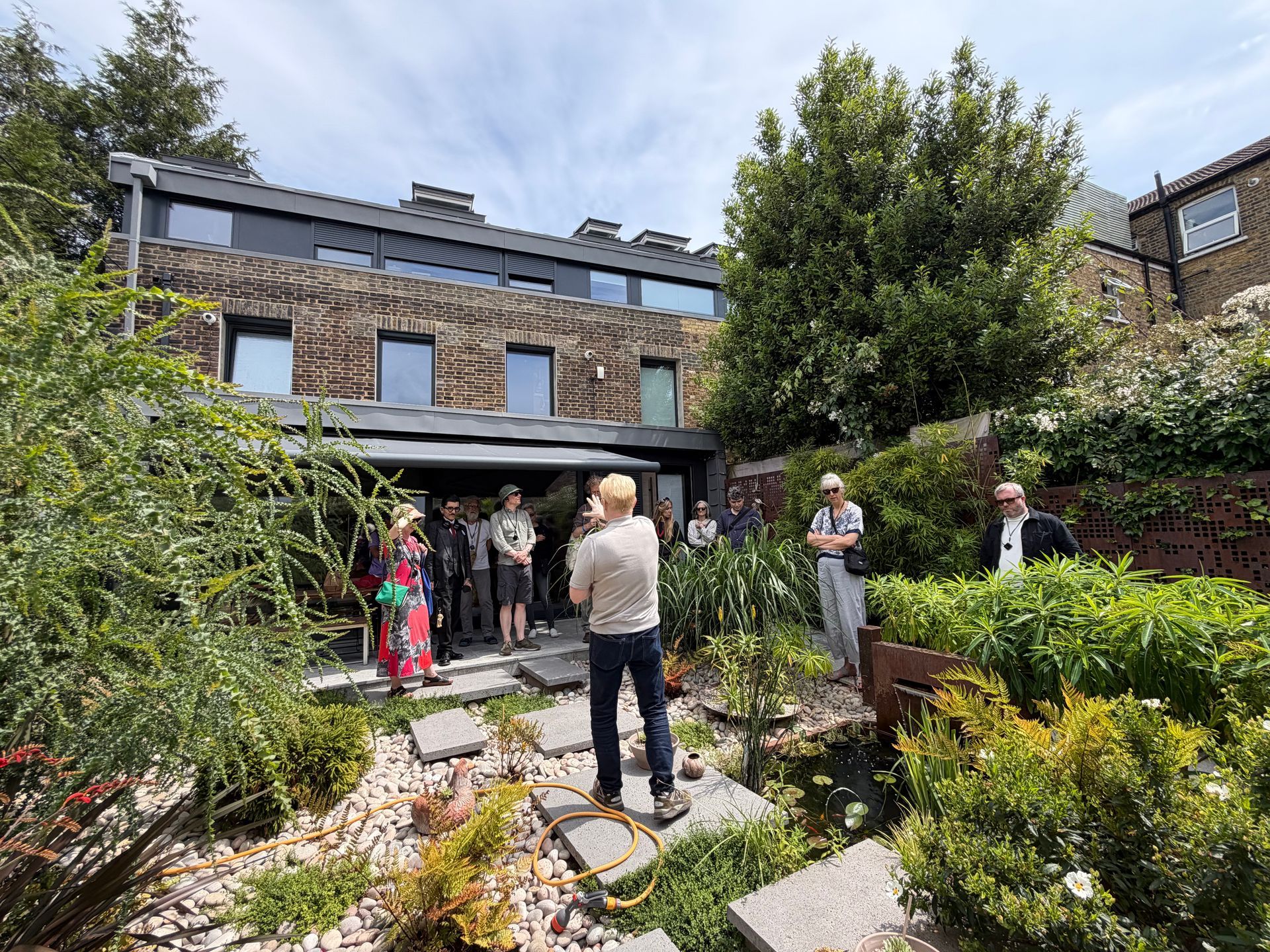
As part of LFA 2025, RDA Architects invites you to join Director Richard Dudzicki for a guided walk through East Dulwich to explore a series of homes designed to the Passivhaus standard. This event is more than a tour—it’s a conversation about the future of sustainable architecture, how design responds to climate, and how our homes can give voice to a better, more equitable built environment.


Participants will:

  • Walk through East Dulwich to see Passivhaus homes designed by RDA
  • Learn about energy-efficient building principles in practice
  • Engage in open discussion with a leading sustainable architect
  • Experience how low-carbon architecture can integrate with local communities


Event Details


Dates:

  • Tuesday 10 June 2025
  • Wednesday 11 June 2025

Cost: Free of charge
Booking required:
Reserve your free slot on Eventbrite


Walk 1 – Scenic & Informative (Approx. 2 hours)

  • Start: Sydenham Hill Station, Car Park – 9:00 AM
  • Route: A scenic walk through the Dulwich Estate to East Dulwich
  • Focus: Deeper exploration of Passivhaus principles and contextual design

Walk 2 – Shorter & More Accessible (Approx. 1–1.5 hours)

  • Start: Denmark Hill Station
  • Route: A relaxed pace through local neighbourhoods, ideal for broader access
  • Focus: Accessible insights into sustainable housing and community context


Why Passivhaus?


Passivhaus is an internationally recognised standard for energy-efficient buildings that dramatically reduce energy use while enhancing comfort and air quality. At RDA Architects, we view Passivhaus not just as a technical solution, but as a platform for responsible, future-oriented design that considers both people and the planet.

Our LFA 2025 event is a way to give voice to these values—and to invite you into that conversation.

Read about PassivHaus


Join the Conversation


In the spirit of this year’s theme, “Voices,” we believe that architecture should not only speak—it should listen. We hope you’ll join us in June to explore how thoughtful, sustainable design can contribute to a more inclusive, liveable, and resilient future.


Reserve your free place now:
Book via Eventbrite

Learn more about the London Festival of Architecture 2025:
Visit the LFA website
Recent Blogs

By Richard Dudzicki November 19, 2025
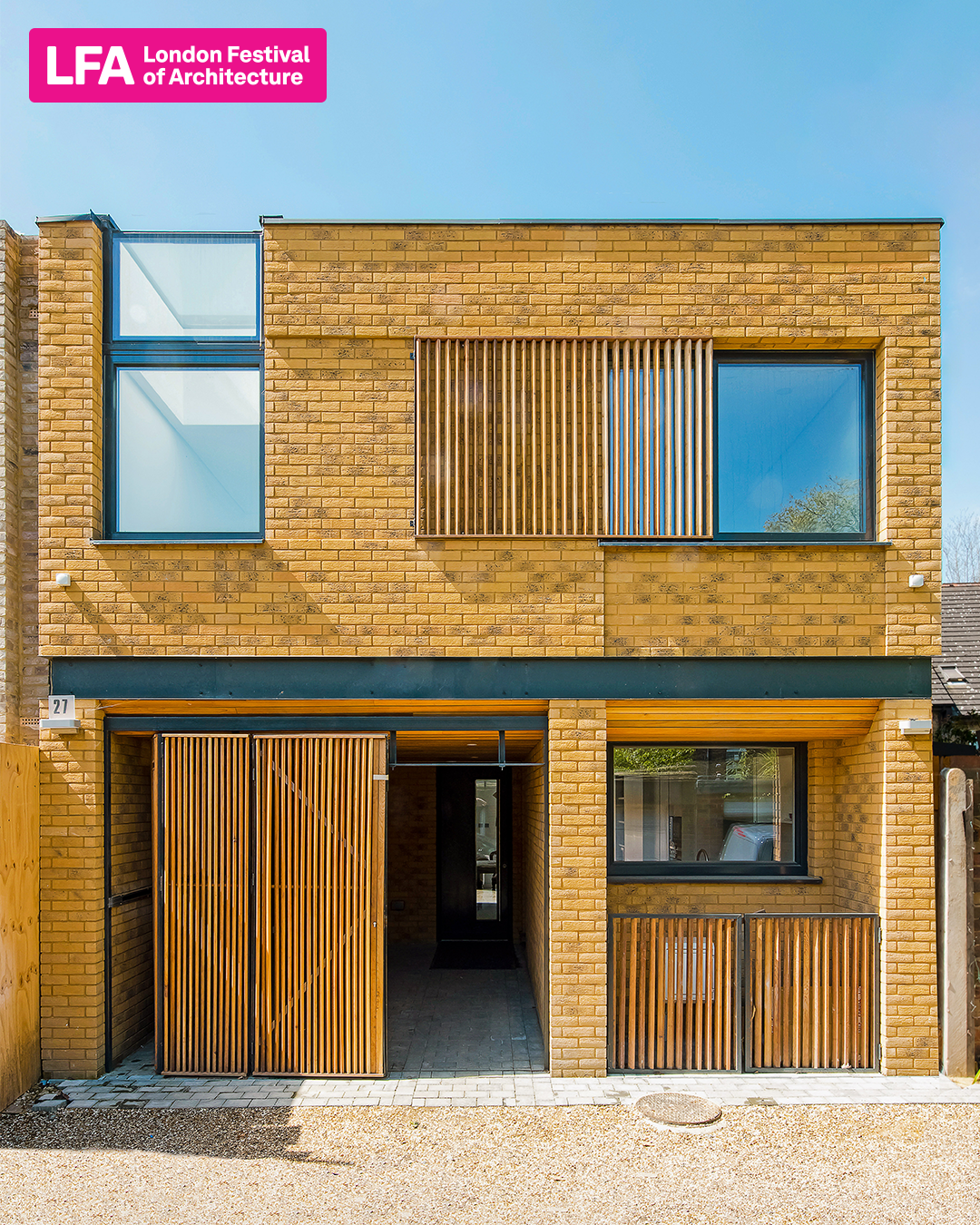
What Makes Brownfield Sites Unique? Across the UK’s cities, thousands of small, disused plots sit idle: the remnants of former garages, workshops, and scrap yards. These brownfield sites, often dismissed as too constrained or contaminated for development, represent an untapped opportunity. Yet within these limits lies enormous potential. When approached with imagination and technical rigour, they can become prototypes for compact, sustainable urban living. Projects on brownfield sites are unique in their demand for a precise balance between innovation, practicality, and sustainability; ultimately, every square metre counts. And the result can be one of the most rewarding in contemporary housing design. Our project, Eva’s House , completed in 2005, offers a compelling example. Built on the footprint of two derelict garages in Southeast London, this modest three-storey home demonstrates how a forgotten plot can be transformed into a durable, adaptable dwelling that continues to perform nearly two decades later.
By Richard Dudzicki October 10, 2025
Architectural Trip Venice Biennale RDA Architects
By Richard Dudzicki September 23, 2025
Upgrading a listed home is one of the most rewarding yet challenging projects a homeowner can undertake. Unlike Standard properties, every change must respect strict planning regulations whilst protecting the historic character that makes the building unique. Choices that may seem simple in modern homes such as changing windows, adding insulation, or altering layouts can become complex negotiations between performance, aesthetics and compliance. The key to success lies in working with conservation architects, skilled craftspeople, and heritage professionals who understand both the technical and regulatory landscape. With their guidance, upgrades can be achieved in ways that not only preserve but often enhance the building's long-term performance and beauty. When done right, a listed home can be both energy-efficient and historically authentic, ready to thrive for future generations.
By Richard Dudzicki November 19, 2025
What Makes Brownfield Sites Unique? Across the UK’s cities, thousands of small, disused plots sit idle: the remnants of former garages, workshops, and scrap yards. These brownfield sites, often dismissed as too constrained or contaminated for development, represent an untapped opportunity. Yet within these limits lies enormous potential. When approached with imagination and technical rigour, they can become prototypes for compact, sustainable urban living. Projects on brownfield sites are unique in their demand for a precise balance between innovation, practicality, and sustainability; ultimately, every square metre counts. And the result can be one of the most rewarding in contemporary housing design. Our project, Eva’s House , completed in 2005, offers a compelling example. Built on the footprint of two derelict garages in Southeast London, this modest three-storey home demonstrates how a forgotten plot can be transformed into a durable, adaptable dwelling that continues to perform nearly two decades later.
By Richard Dudzicki October 10, 2025
Architectural Trip Venice Biennale RDA Architects
By Richard Dudzicki September 23, 2025
Upgrading a listed home is one of the most rewarding yet challenging projects a homeowner can undertake. Unlike Standard properties, every change must respect strict planning regulations whilst protecting the historic character that makes the building unique. Choices that may seem simple in modern homes such as changing windows, adding insulation, or altering layouts can become complex negotiations between performance, aesthetics and compliance. The key to success lies in working with conservation architects, skilled craftspeople, and heritage professionals who understand both the technical and regulatory landscape. With their guidance, upgrades can be achieved in ways that not only preserve but often enhance the building's long-term performance and beauty. When done right, a listed home can be both energy-efficient and historically authentic, ready to thrive for future generations.
By Richard Dudzicki August 6, 2025
Thinking about renovating your home? Don’t do it alone. We will be explaining how working with an architect rather than just a construction team alone can help you save potential future costs to your project. A big renovation can be exciting, but overwhelming. Costs can spiral, timelines shift and without the right advice, costly mistakes can sneak in. This is where we come in. What is a RIBA Chartered Architect? At RDA Architects, we are RIBA Chartered Architects. RIBA (the Royal Institute of British Architects) is the UK's professional body for architects, setting the gold standard for architectural practice. This means when you work with RDA, you're partnering with professionals who have proven their expertise and commitment to maintaining the highest standards in architecture. But more importantly, we help homeowners like you get the most out of your budget and avoid the kind of problems that can turn a dream project into a nightmare. As shown in the diagram below, RDA (the architect) plays a central role in your project, acting as the hub for information exchange and coordination between the client, design team, and contractor team. We work closely with the specialists, engineers, and contractors to develop and communicate the design, ensuring your vision is realised efficiently and within budget, while helping you avoid the common pitfalls that can derail a project.