
On-Site with Richard - 60s Family House
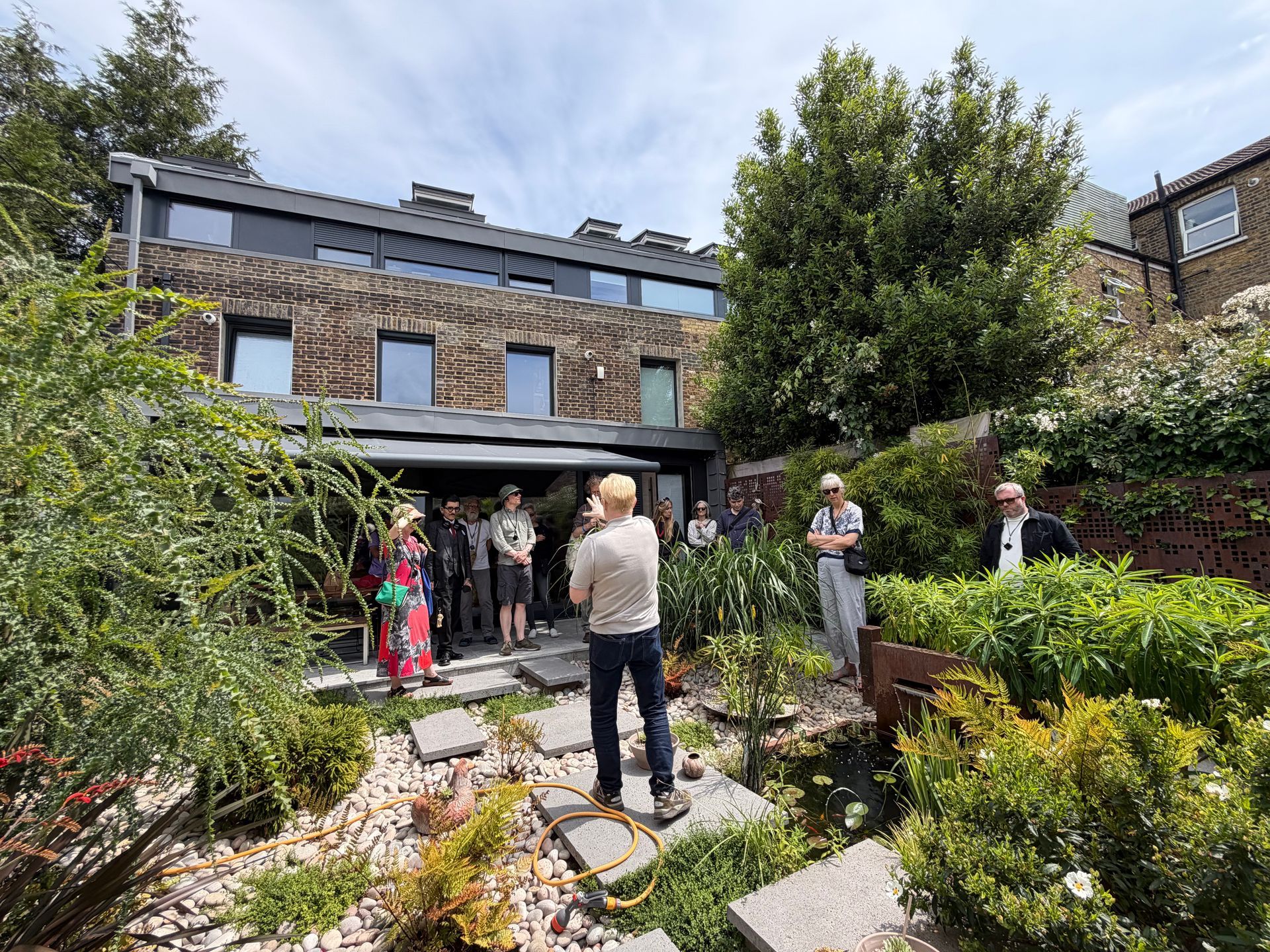
EnerPHit Renovation Site Visit with Richard Dudzicki of RDA
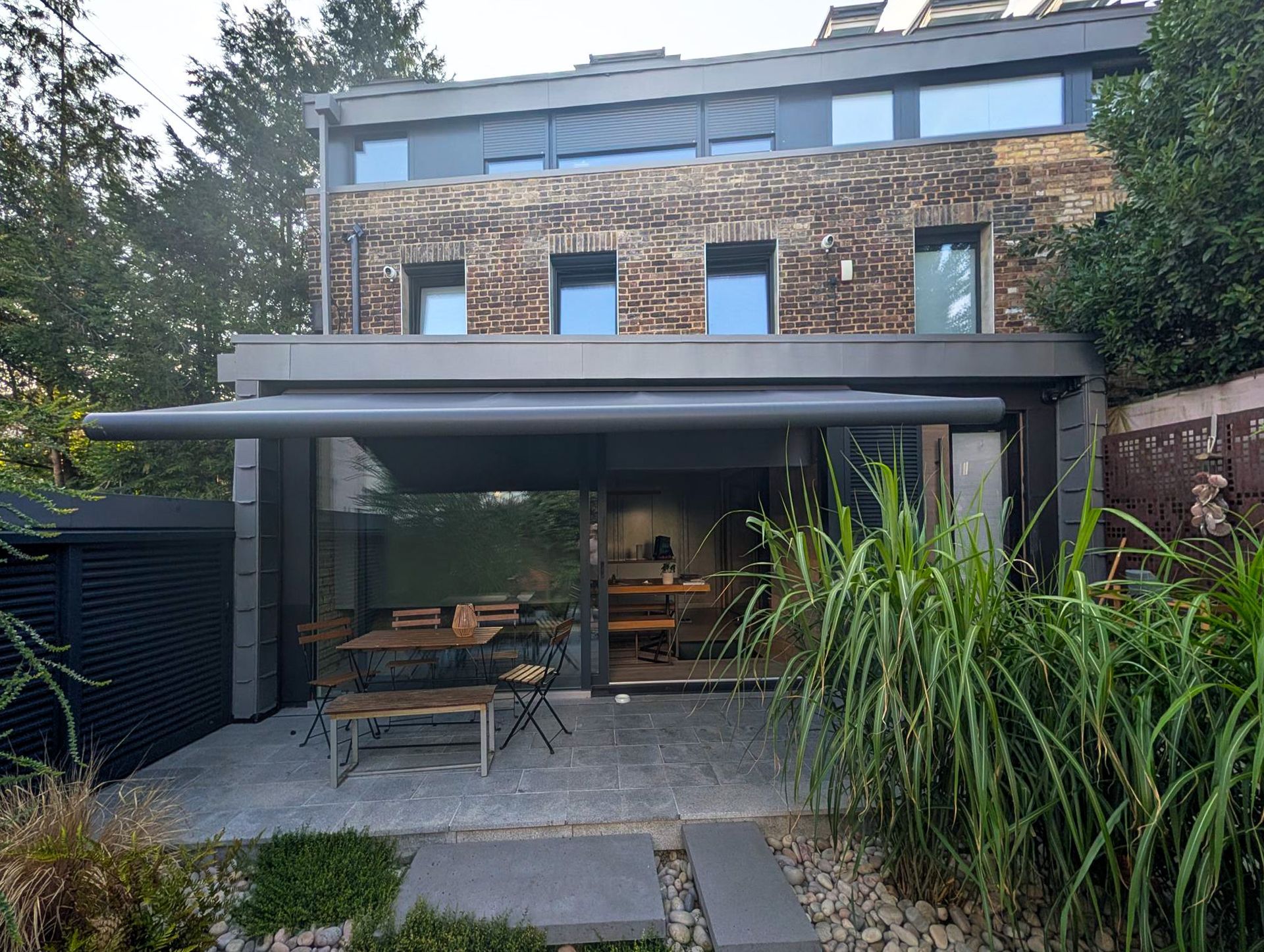
In this video, we join RDA Principal Architect, Richard Dudzicki, who is on-site at a 1960s era home we are currently transforming from a poorly performing house to a modern and highly efficient EnerPHit home, all while saving money, time, and the environment.

We’re excited to share our refined Project Planning Pack, designed to support anyone preparing to embark on a design or building project. Planning ahead is one of the most important steps in ensuring a successful project . This clear, easy-to-follow resource helps you reduce risk , improve your design outcomes, and gain a better understanding of costs and the architect’s role in the process. It also introduces core design principles and provides tools to assess where you’re at before you begin, giving you confidence in every decision. Whether you’re a first-time homeowner, an experienced developer, or simply exploring ideas for a renovation or new build, this pack is an essential companion for your project journey. What’s included: • A structured framework to plan and organise your project • Guidance on core design principles • Insights into costs and the architect’s role • Tools to assess your project readiness We’ve refined this pack to be practical, user-friendly, and aligned with real-world architectural practice. Our goal is to give you clarity, reduce uncertainty, and make the design process as smooth as possible . Access the full Project Planning Pack here:

What Makes Brownfield Sites Unique? Across the UK’s cities, thousands of small, disused plots sit idle: the remnants of former garages, workshops, and scrap yards. These brownfield sites, often dismissed as too constrained or contaminated for development, represent an untapped opportunity. Yet within these limits lies enormous potential. When approached with imagination and technical rigour, they can become prototypes for compact, sustainable urban living. Projects on brownfield sites are unique in their demand for a precise balance between innovation, practicality, and sustainability; ultimately, every square metre counts. And the result can be one of the most rewarding in contemporary housing design. Our project, Eva’s House , completed in 2005, offers a compelling example. Built on the footprint of two derelict garages in Southeast London, this modest three-storey home demonstrates how a forgotten plot can be transformed into a durable, adaptable dwelling that continues to perform nearly two decades later.

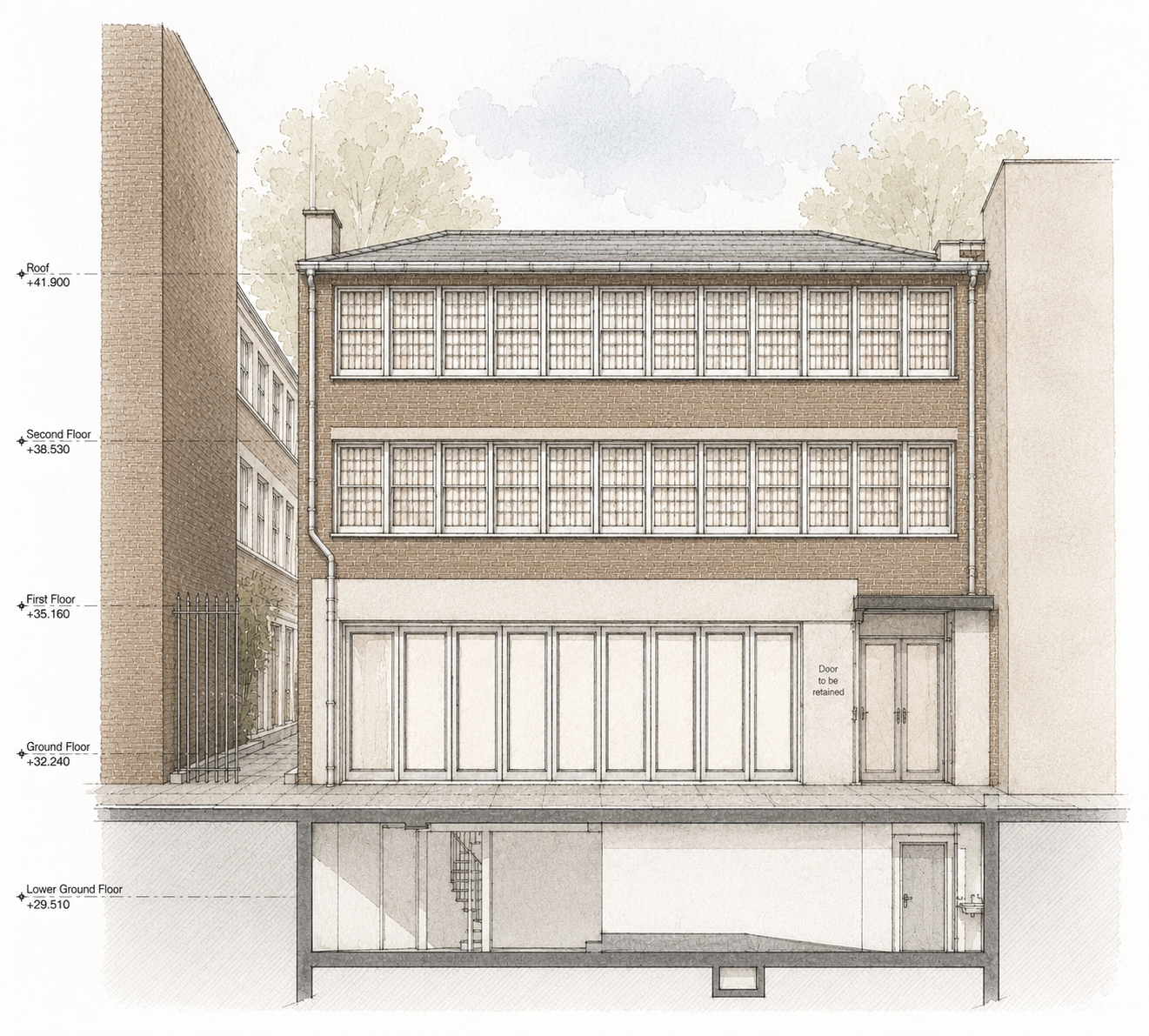
Upgrading a listed home is one of the most rewarding yet challenging projects a homeowner can undertake. Unlike Standard properties, every change must respect strict planning regulations whilst protecting the historic character that makes the building unique. Choices that may seem simple in modern homes such as changing windows, adding insulation, or altering layouts can become complex negotiations between performance, aesthetics and compliance. The key to success lies in working with conservation architects, skilled craftspeople, and heritage professionals who understand both the technical and regulatory landscape. With their guidance, upgrades can be achieved in ways that not only preserve but often enhance the building's long-term performance and beauty. When done right, a listed home can be both energy-efficient and historically authentic, ready to thrive for future generations.