

What To Do Before Approaching An Architect: Project Planning Pack Explained
Your Guide to Confident Project Planning
We’re excited to share our refined Project Planning Pack, designed to support anyone preparing to embark on a design or building project.
Project Planning Pack
Planning ahead is one of the most important steps in ensuring a successful project. This clear, easy-to-follow resource helps you reduce risk, improve your design outcomes, and gain a better understanding of costs and the architect’s role in the process. It also introduces core design principles and provides tools to assess where you’re at before you begin, giving you confidence in every decision.
Whether you’re a first-time homeowner, an experienced developer, or simply exploring ideas for a renovation or new build, this pack is an essential companion for your project journey.
What’s included:
• A structured framework to plan and organise your project
• Guidance on core design principles
• Insights into costs and the architect’s role
• Tools to assess your project readiness
We’ve refined this pack to be practical, user-friendly, and aligned with real-world architectural practice. Our goal is to give you clarity, reduce uncertainty, and make the design process as smooth as possible.
Access the full Project Planning Pack here:
Below is a brief overview of each of the nine sections
and how it supports your project planning.
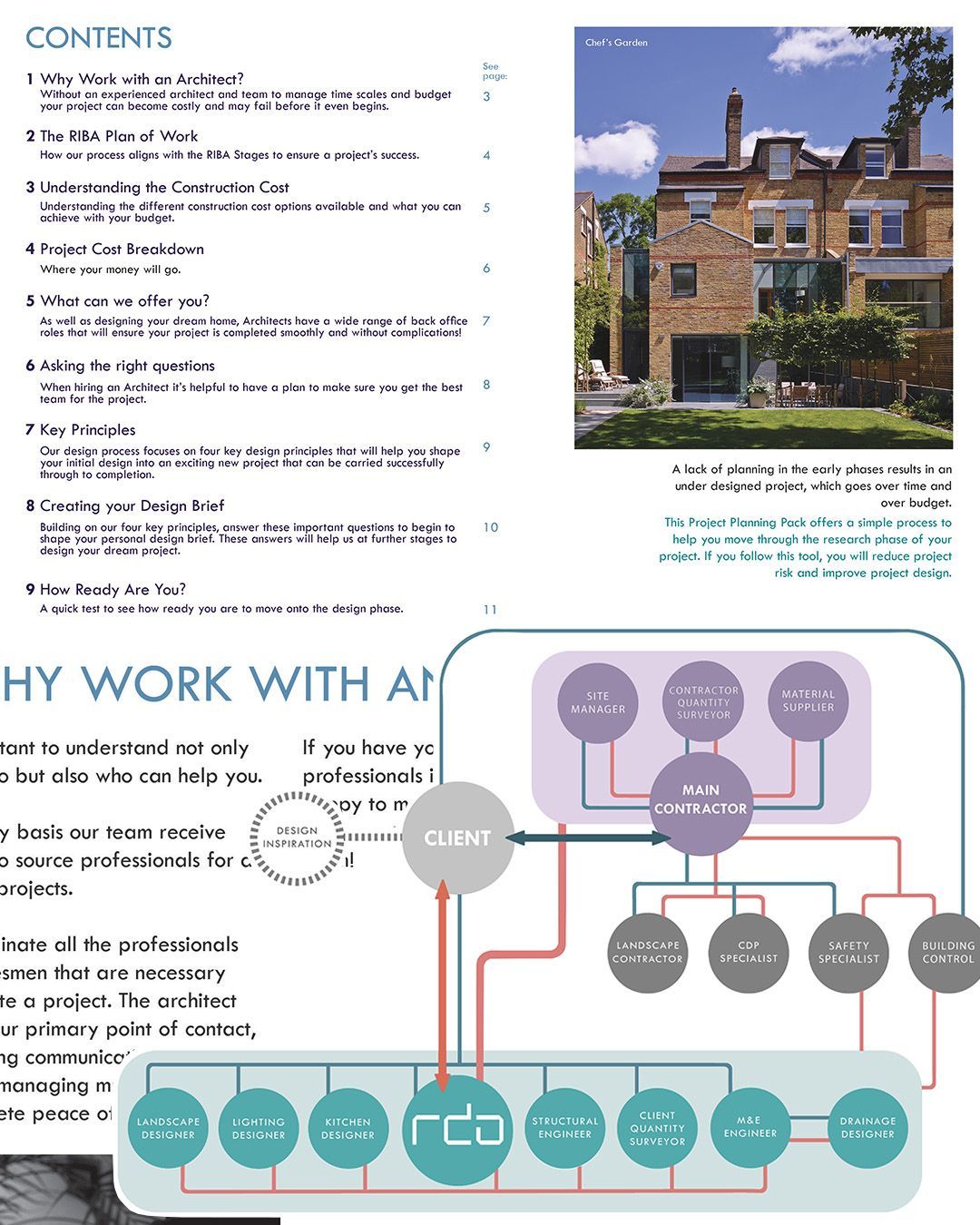
1. Why Work with an Architect?
This section clearly outlines the relationships between the client, architect, main contractor and others. Working with an experienced architect provides structure, clarity, and professional oversight from the very beginning of your project.
Without the right expertise
to manage timelines, budgets, and complex decision-making, projects can quickly become costly or stall before they even start. An architect’s coordination helps turn your ideas into achievable, well-planned outcomes, reducing risk and setting your project up for long-term success.
2. The RIBA Plan of Work
Our process aligns closely with the RIBA Plan of Work, a recognised framework that breaks a project down into clear, manageable stages. This approach helps ensure nothing is overlooked, from early concept design through to construction and completion.
See how, by following these stages, you can gain transparency around what happens when, what decisions need to be made, and how your project progresses in a controlled and logical way.
3. Understanding the Construction Cost
Understanding construction costs early on is essential to making informed design decisions. This section explores the different cost options available
and explains what can realistically be achieved within your budget. By linking design aspirations to financial realities from the outset, you can avoid unexpected surprises later in the process and focus on solutions that balance quality, ambition, and affordability.
4. Project Cost Breakdown
A clear project cost breakdown helps you understand exactly where your money will go. From construction costs and professional fees to surveys and statutory requirements, this transparency allows you to plan with confidence.
Knowing how costs are distributed across the project helps you prioritise spending, manage expectations, and make adjustments early if needed.
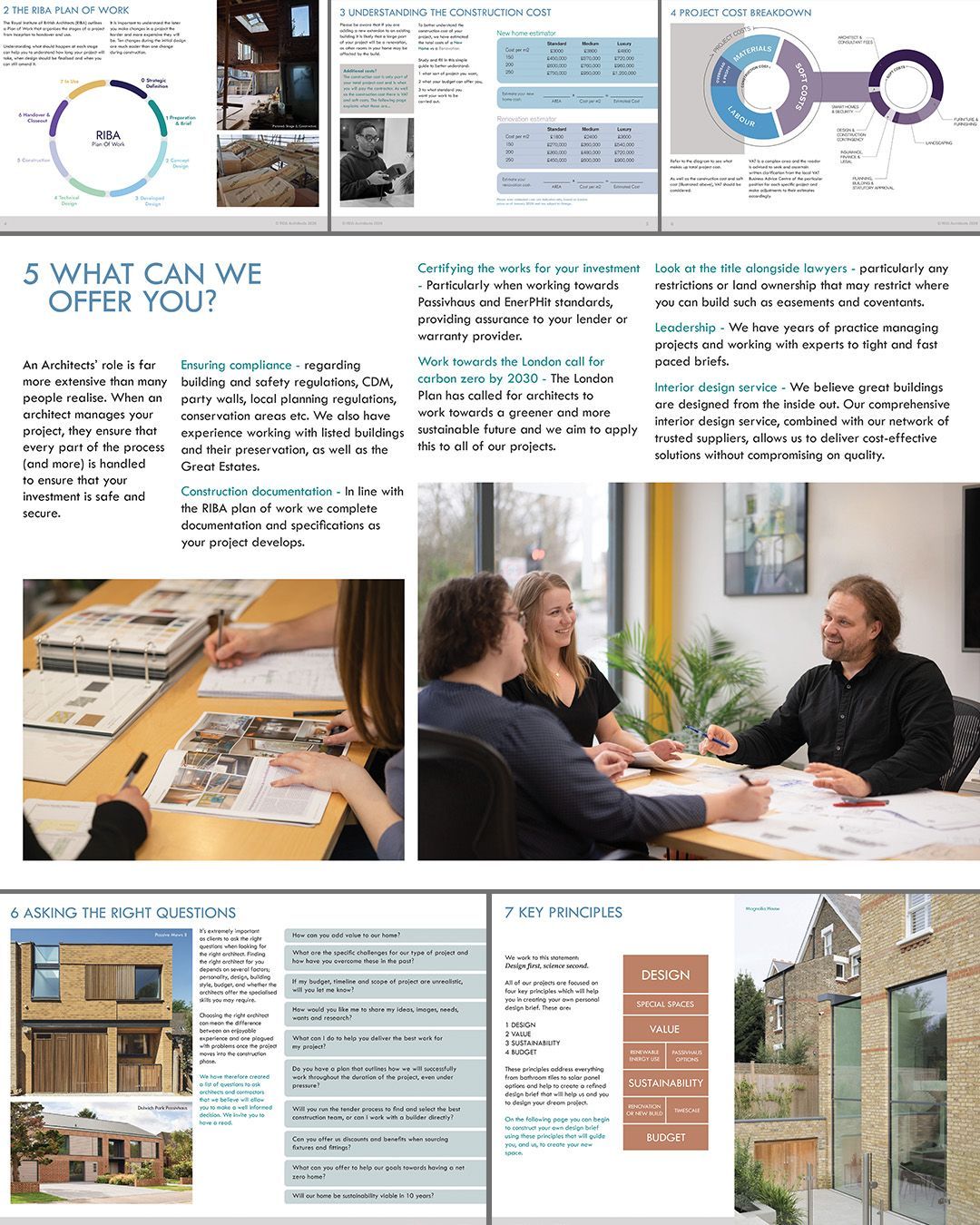
5. What Can We Offer You?
Architects do far more than design buildings. Alongside shaping your dream home or development, we take on a wide range of behind-the-scenes roles that keep your project running smoothly. Find out more about the services we provide to help reduce complications, streamline communication, and ensure your project is delivered successfully, to the highest standard possible.
6. Asking the Right Questions
Choosing the right architect is a crucial decision. Find out what to ask to help ensure a good fit. This section provides guidance on what to consider when appointing an architect, from experience and approach to communication and scope of services. Having a clear plan for this stage helps you build the strongest possible team
for your project.
7. Key Principles
Our design process is guided by four key design principles that help shape your ideas into a robust, exciting, and deliverable project. These principles ensure that early concepts allow creativity to flourish, while still being grounded in practicality. By establishing these ideas from the outset, your project is better positioned to move confidently through each stage
and reach completion successfully.
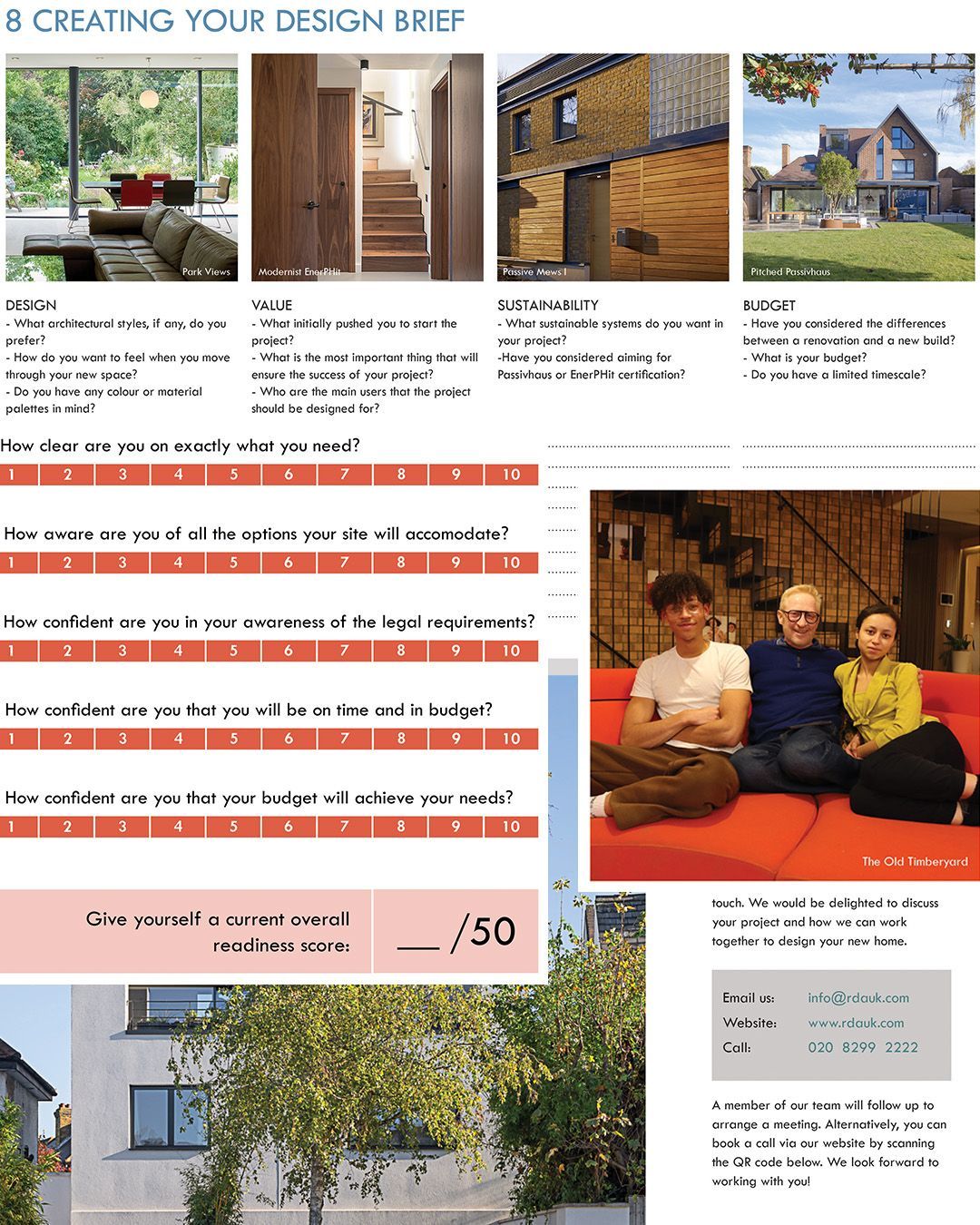
8. Creating Your Design Brief
A strong design brief is the foundation of a successful project. Building on our key principles, this section helps you answer important questions about your needs, priorities, and aspirations. Your responses form a clear brief that guides the design process
and supports decision-making at later stages, ensuring the final outcome reflects both your vision and practical requirements.
9. How Ready Are You?
Before moving into the design phase, it’s important to understand how prepared you are. This quick readiness test helps you assess whether key elements, such as budget clarity, project goals, and timelines, are in place. By identifying any gaps early, you can move forward with greater confidence and a clearer understanding of your next steps.
Guiding Your Project from Vision to Reality
Planning a design or building project doesn’t have to feel overwhelming. With the right structure, clear information, and thoughtful preparation, it becomes a far more confident and rewarding process. Our Project Planning Pack is designed to give you that foundation, helping you understand the journey ahead, ask the right questions, and make informed decisions at every stage.
Whether you’re just starting out or refining your ideas, this pack gives practical guidance on making decisions with confidence. It helps you understand key stages, clarify priorities, and spot potential challenges early, so you can approach your project with a clear plan and peace of mind.
If you’re ready to start your project with confidence, the Project Planning Pack is the ideal place to begin.
Ask an expert
Book a free consultation today with Richard Dudzicki, RDA's director, founder and lead architect.
Ease your mind and take the first step towards your future home with confidence. No commitment, flexible timings.
How Do You Retrofit a Victorian House Without Losing Its Character?
How we keep an EnerPHit home cool during a heatwave?
London Festival of Architecture: Small sites and Big Belonging with RDA, Guided Tour
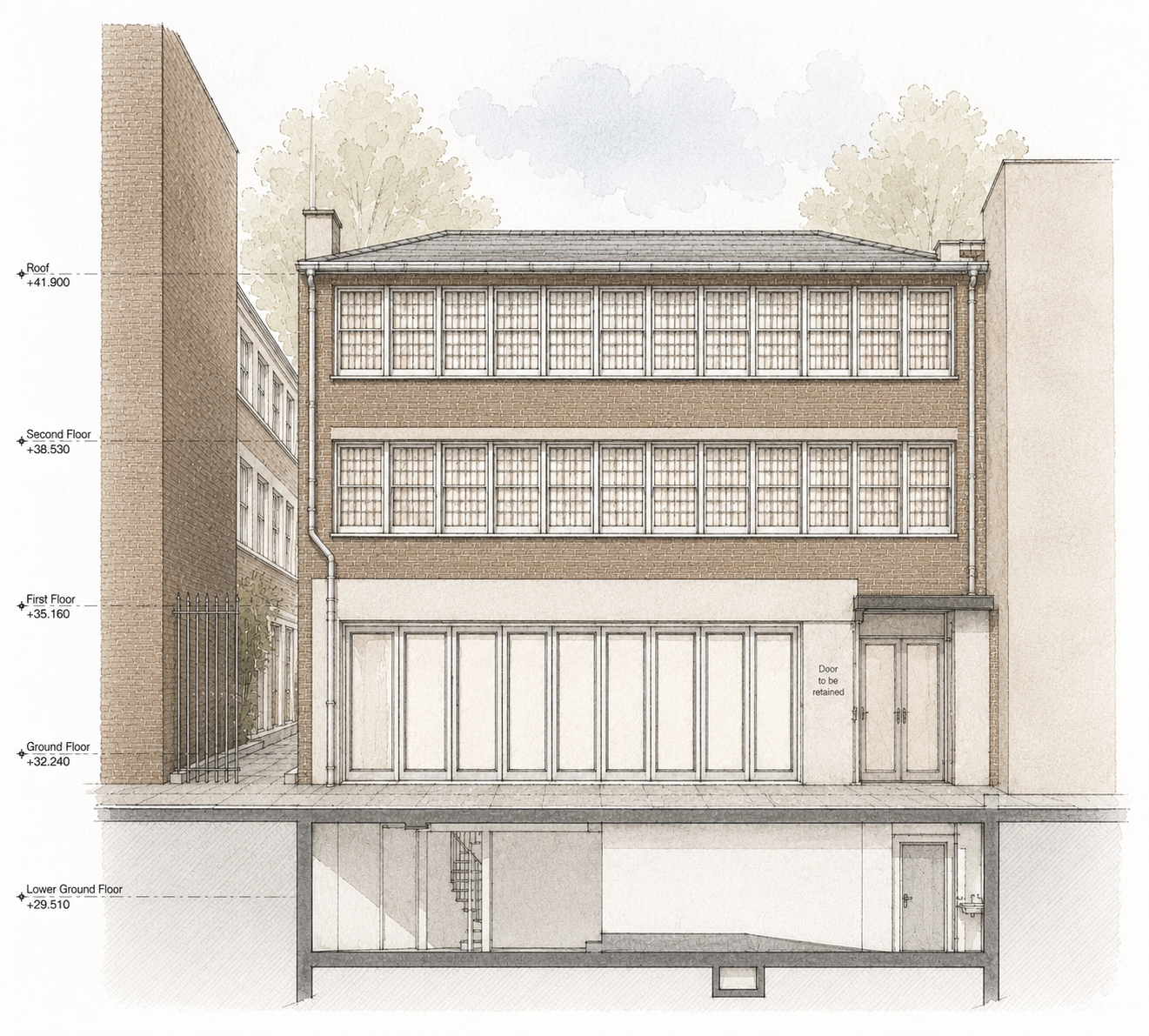
We are pleased to announce that planning approval has been secured for Wedged House . A conversion of a three-storey commercial building with basement accommodation into a single dwelling. The project presented a number of design challenges, including an unusual triangular footprint, limited access to natural daylight and an inefficient internal arrangement. Through a comprehensive internal reconfiguration, the proposal transforms the building into a bright and functional home while working entirely within the existing building envelope.