
How we keep an EnerPHit home cool during a heatwave?
by Richard Dudzicki, Architect, RDA Architects Director
The headlines would have you believe that every hot summer calls for a bigger air conditioner. That's a bit like solving a leaking roof by buying more buckets.
A well designed EnerPHit home should behave differently. When the building fabric performs as intended, it does most of the hard work. The objective during a heatwave isn't to cool the house down. It's to stop it getting hot in the first place.
At our own EnerPHit home, when the temperature starts climbing, we follow a simple routine.
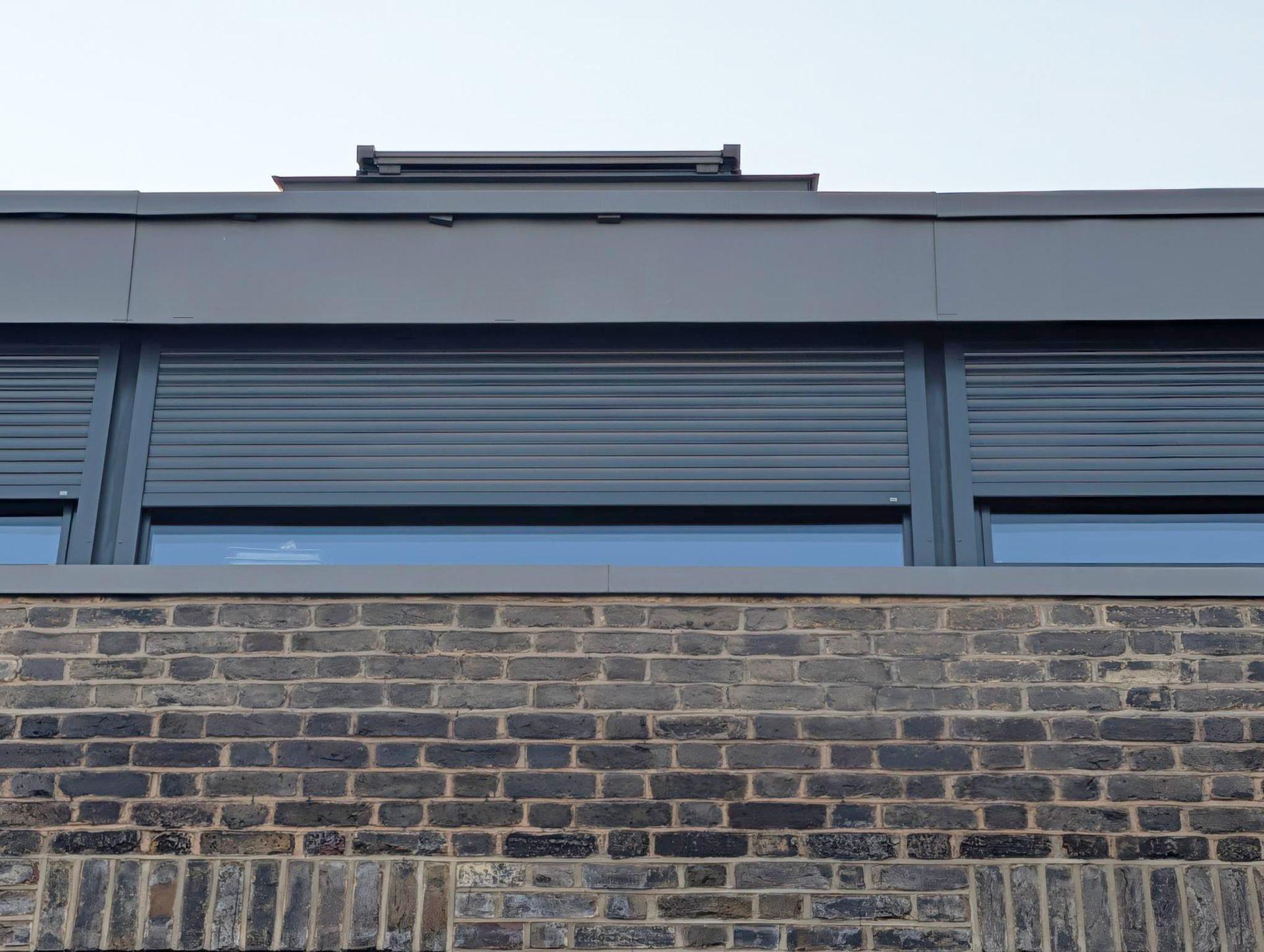
1. Close the external blinds before the sun arrives
The south west elevation is the biggest challenge on a hot summer afternoon. Once sunlight passes through the glazing, it becomes trapped inside as heat.
External blinds stop around 90 per cent of solar gain before it even reaches the glass. That is far more effective than closing curtains once the room has already overheated.
Think of it as putting on a hat before going into the sun rather than applying sun cream after you've been burnt.
2. Deploy the awning
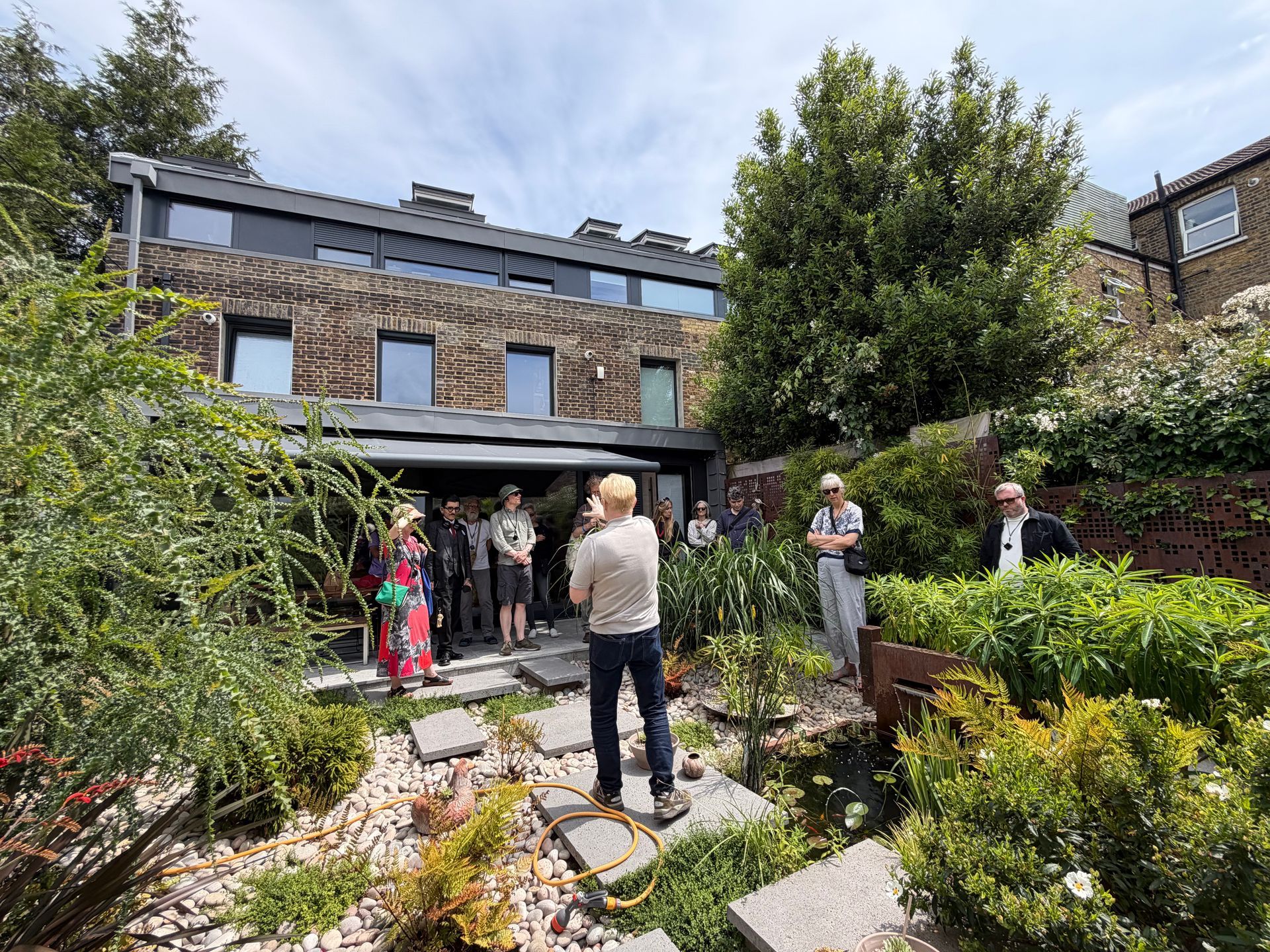
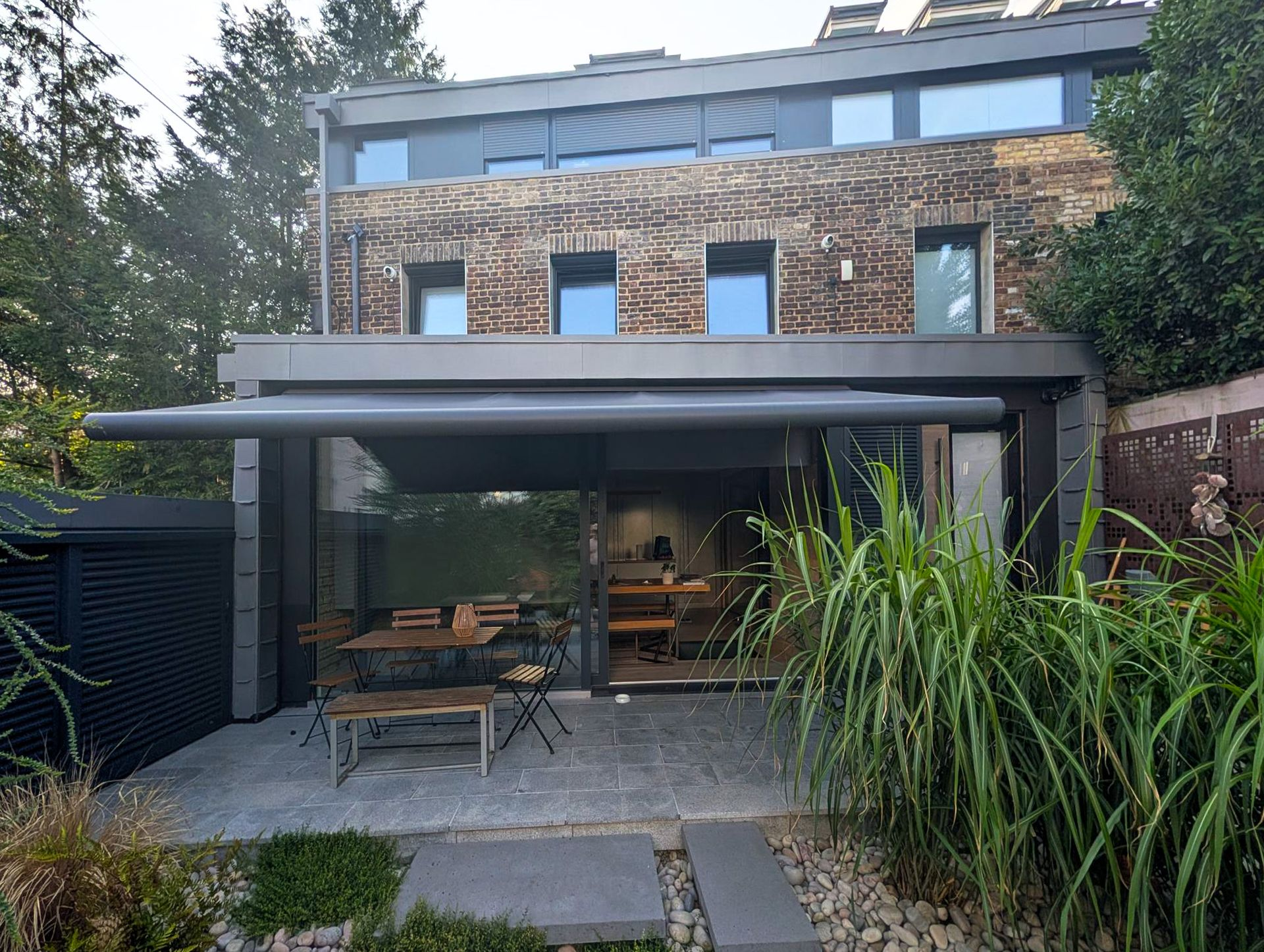
Our large retractable awning protects the biggest expanse of glazing while creating a shaded outdoor living space at the same time.
By keeping direct sunlight off the glass, it reduces heat entering the home and allows us to enjoy the terrace comfortably, even on the hottest days.
It is one of the simplest, most effective improvements we've made.
3. Purge ventilate at night
When outdoor temperatures fall, the house needs to breathe.
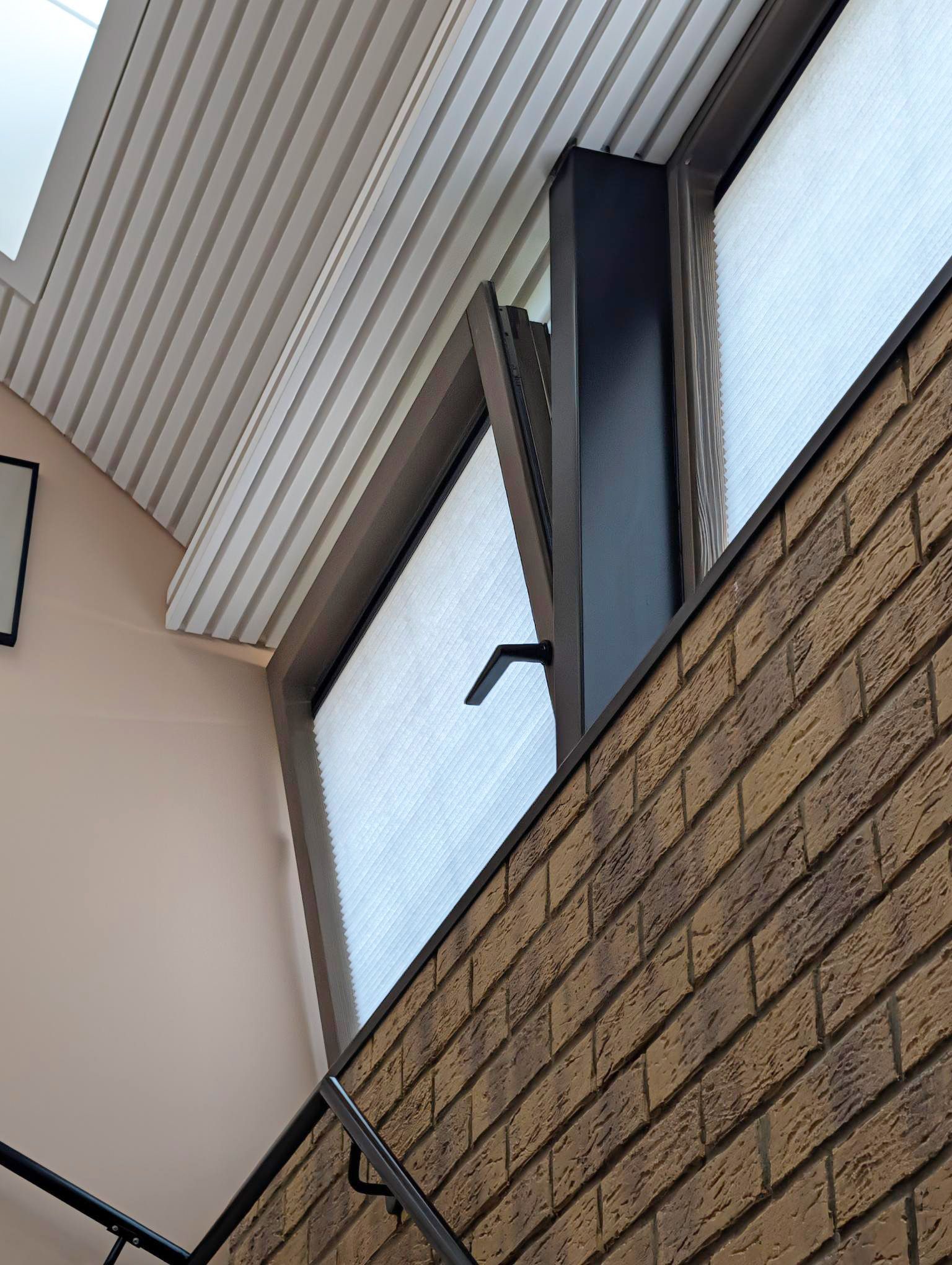
We open the tilt and turn windows overnight, allowing the heat stored within the building's thermal mass to escape naturally.
During the day, internal pleated blinds help reduce glare while the external blinds continue to perform the crucial task of preventing solar gain.
The secret is timing.
Open the windows when the air is cool.
Close them during the hottest part of the day.
4. Make the most of roof windows
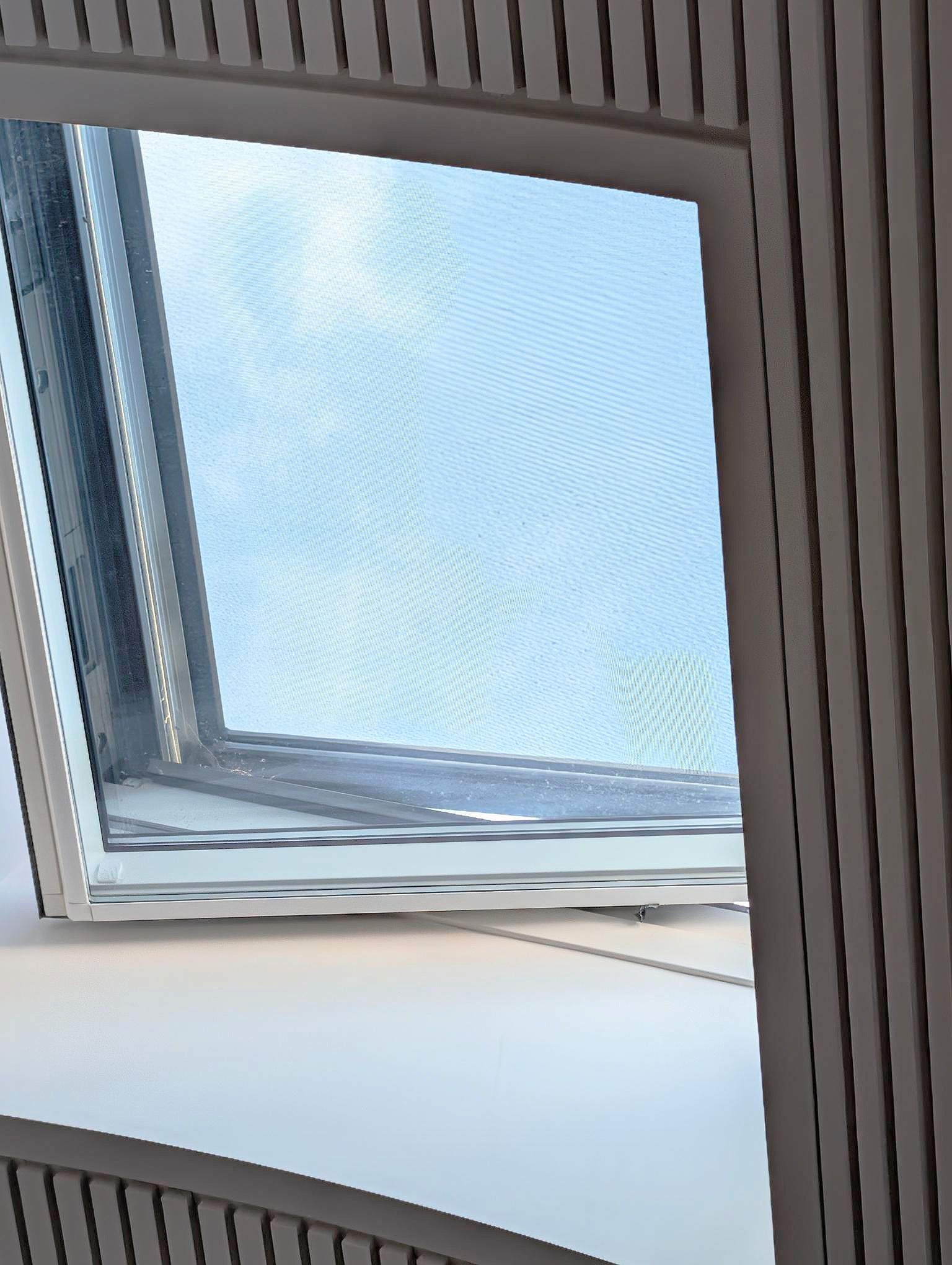
Our Passive House roof windows are fitted with external blinds.
The principle remains the same: keep the sun outside.
At night, these roof windows become highly effective exhaust vents. Warm air naturally rises and escapes through the roof, drawing cooler air in through lower level openings. This natural stack effect has been used by buildings for centuries.
Nature has been doing it for millions of years. We simply allow it to work.
5. Switch the MVHR into Breeze Mode
One feature many homeowners overlook is the MVHR's summer bypass, often referred to as Breeze Mode.
During cooler evenings, it bypasses the heat exchanger and introduces fresh external air into the home, helping to remove the warmth accumulated throughout the day.
It isn't air conditioning, nor is it trying to be. Instead, it works with the building's design to maintain comfort using very little energy.
The bigger lesson
People often ask whether Passive Houses overheat.
My answer is usually another question.
Compared with what?
Compared with a conventional home featuring large areas of unshaded glazing, poor insulation, air leakage and no clear ventilation strategy, an EnerPHit home performs exceptionally well during periods of hot weather.
Good architecture isn't about relying on technology. It's about understanding building physics.
Keep the sun outside.
Ventilate when the air is cool.
Prioritise shading before cooling.
Let the building do the work.
As architects, we often say that the greenest energy is the energy you never need to use. The same principle applies to cooling.
If a building has been carefully designed, it shouldn't spend the summer relying on an air conditioning unit humming away while the electricity bill steadily climbs.
Sometimes, the smartest building is simply the one that knows when to put its sunglasses on.
As heatwaves become more frequent across the UK, designing homes that remain comfortable without excessive energy use is becoming increasingly important. Thoughtful retrofit strategies, intelligent shading and well considered ventilation are no longer optional extras. They are essential components of resilient, future ready homes.
Thinking about retrofitting your home?
Whether you're planning a deep retrofit, an extension or simply looking for ways to make your home more comfortable throughout the year, good design can make a remarkable difference. At RDA Architects, we specialise in creating sustainable, low energy homes that remain comfortable in every season while reducing running costs and improving long term performance.
If you're considering how to future proof your home against rising temperatures, we'd be delighted to discuss your project and explore the opportunities available. Get in touch with our team to arrange an initial conversation and discover how thoughtful design can help your home stay cooler in summer, warmer in winter and more enjoyable to live in all year round.
Ask an expert
Book a free consultation today with Richard Dudzicki, RDA's director, founder and lead architect.
Ease your mind and take the first step towards your future home with confidence. No commitment, flexible timings.