
Architecture connects: Architects Marketing Group trip Mexico City and Oaxaca
 
Between History and Innovation: Learning from Mexico City

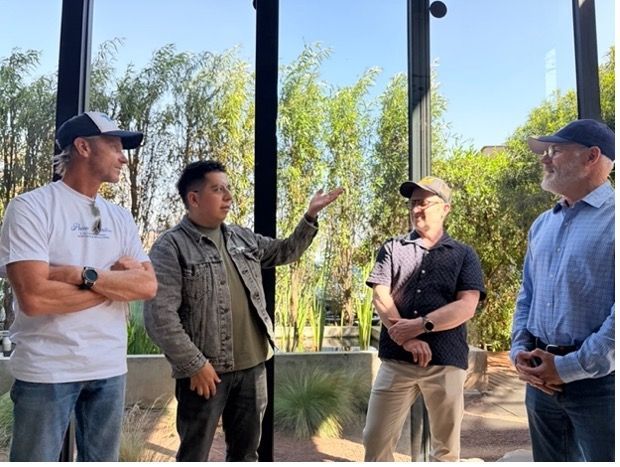
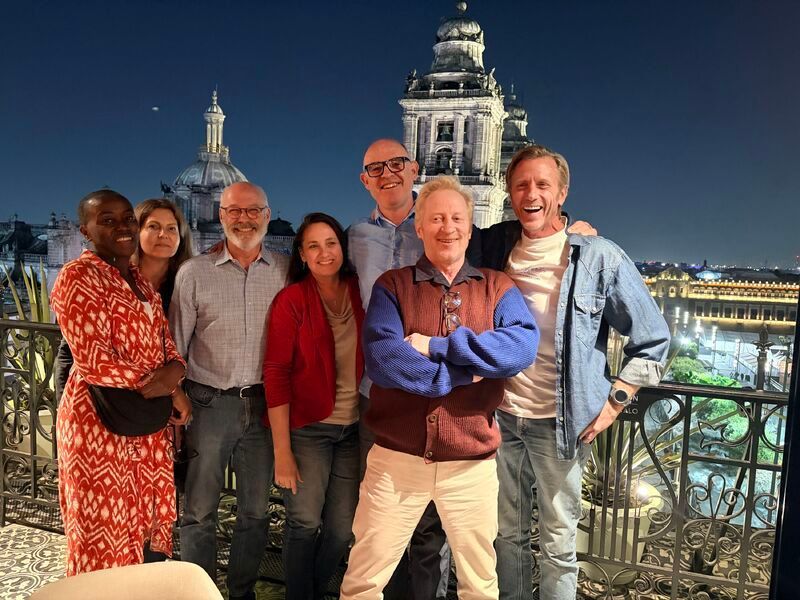
Richard recently travelled to Mexico City with the Architects Marketing Group  for a series of intensive workshops exploring the intersection of marketing and artificial intelligence within architectural practice.
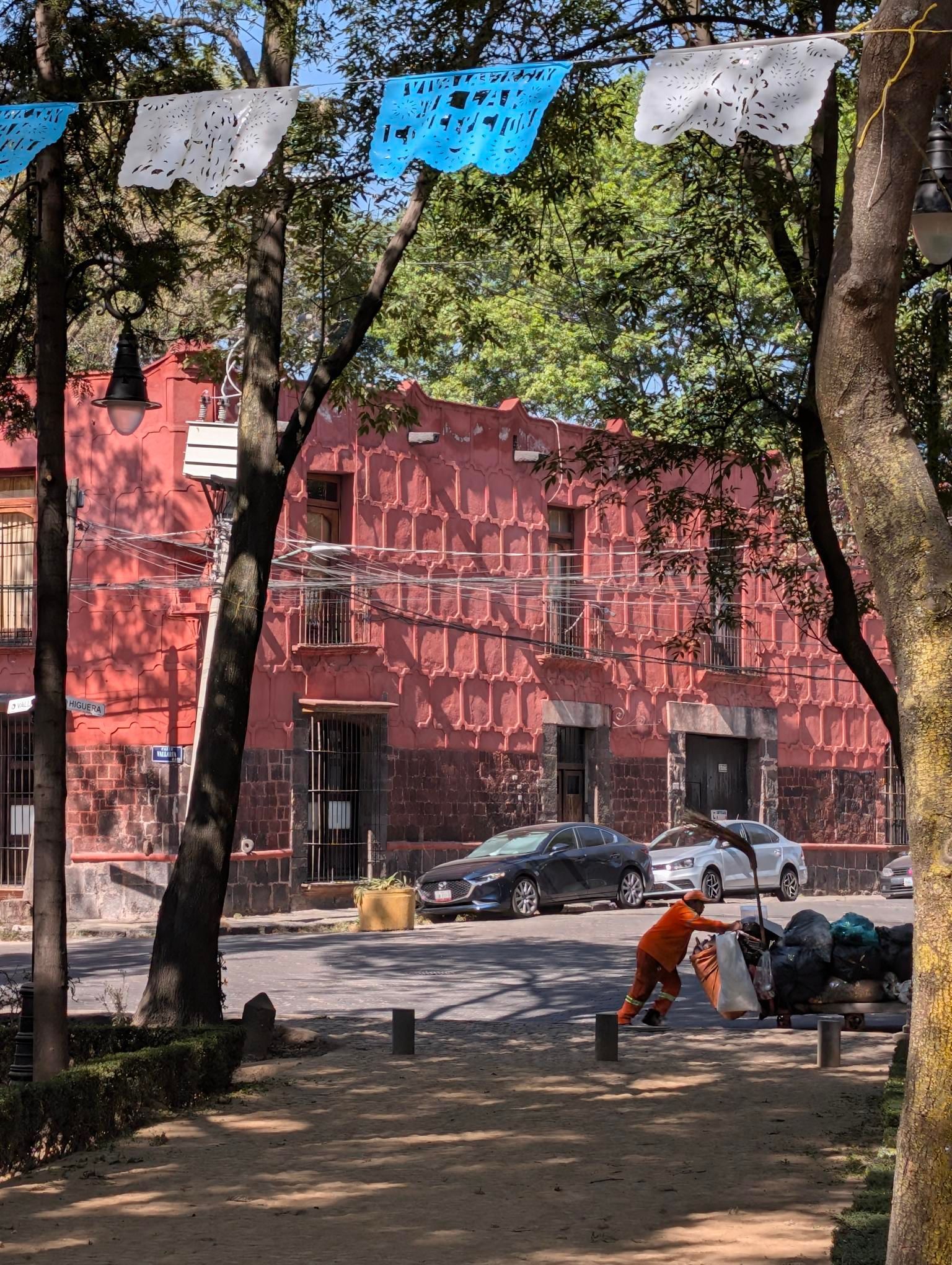
Hosted in Roma, one of the city's most vibrant districts, the visit offered an opportunity to engage not only with emerging ideas around practice and communication, but with the architectural and cultural fabric of Mexico City itself. 

A vast and complex metropolis, the city is shaped by its unique geography: sitting on a former lakebed, surrounded by mountains and volcanoes. This layered history is reflected in its architecture, where indigenous, colonial, and contemporary influences coexist.


Social Value and Material Reuse

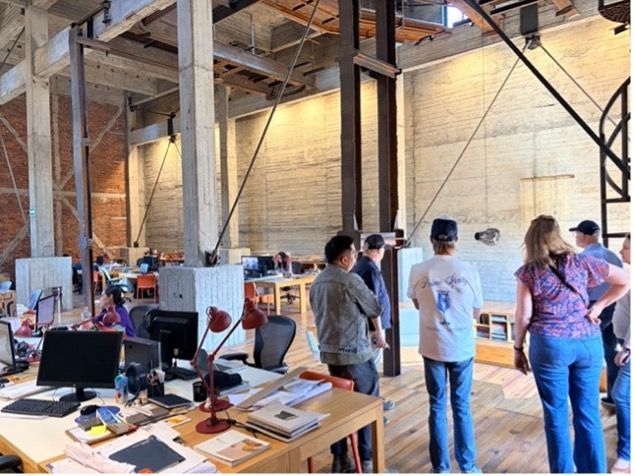
Alongside the workshops, the group visited a number of local practices. A consistent theme across these studios was a strong commitment to social value, with many architects actively engaged in community-led projects, including social housing and the adaptive reuse of existing buildings.

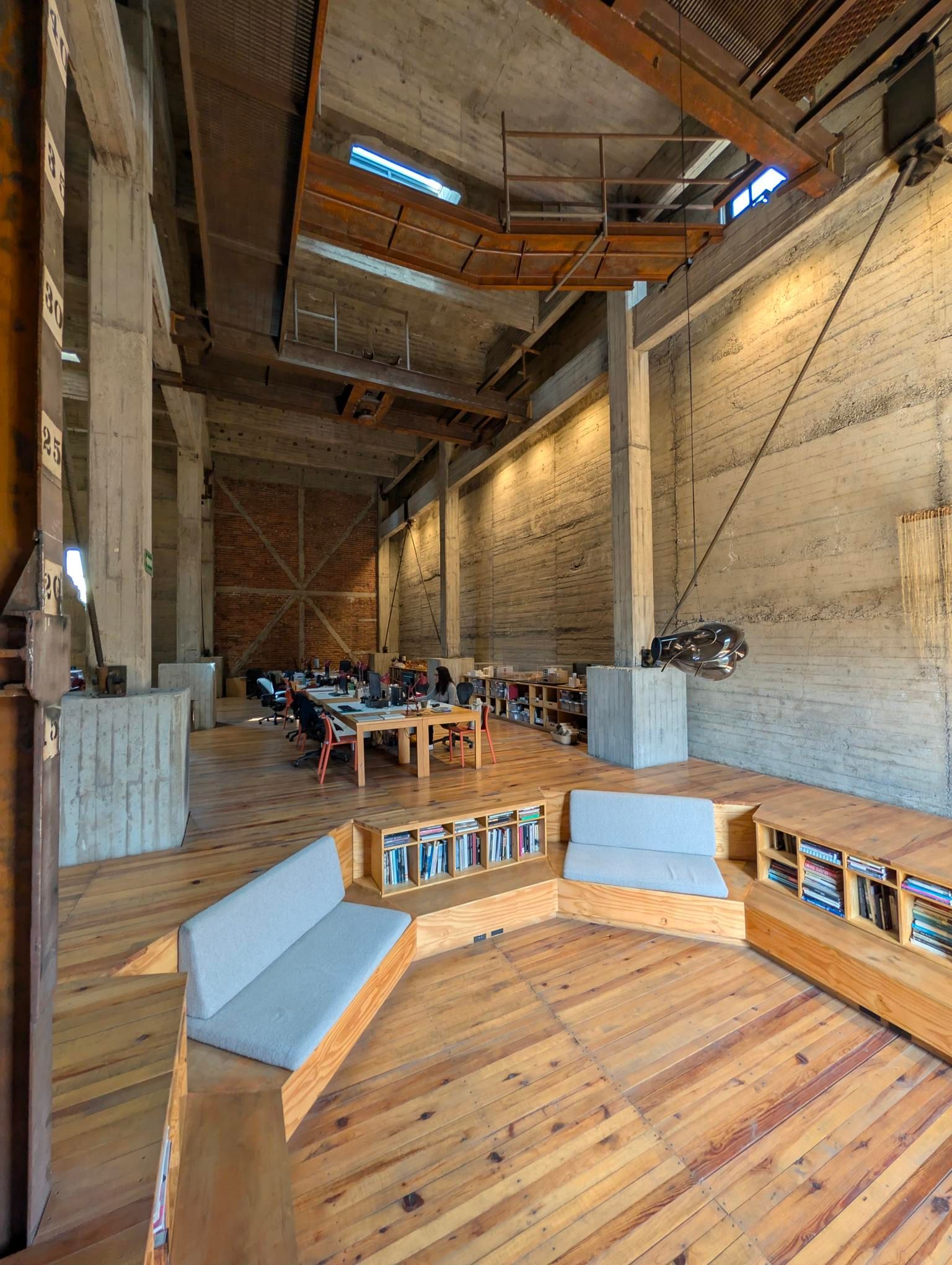
One notable example was the transformation of a former ice factory into a working studio by Javier Sánchez Arquitectos. The project demonstrated a considered approach to reuse, embedding circular economy principles while responding sensitively to the local climate. At over 2,000 metres above sea level, Mexico City benefits from relatively stable temperatures, allowing buildings to operate with reduced reliance on mechanical cooling: a fabric-first response to environmental performance.

Other projects reflected similarly inventive responses to urban challenges. Proposals such as cable car infrastructure to alleviate congestion highlighted the scale of th e city’s transport pressures, while offering pragmatic and forward-thinking solutions.


Spatial Composition and Creative Environments

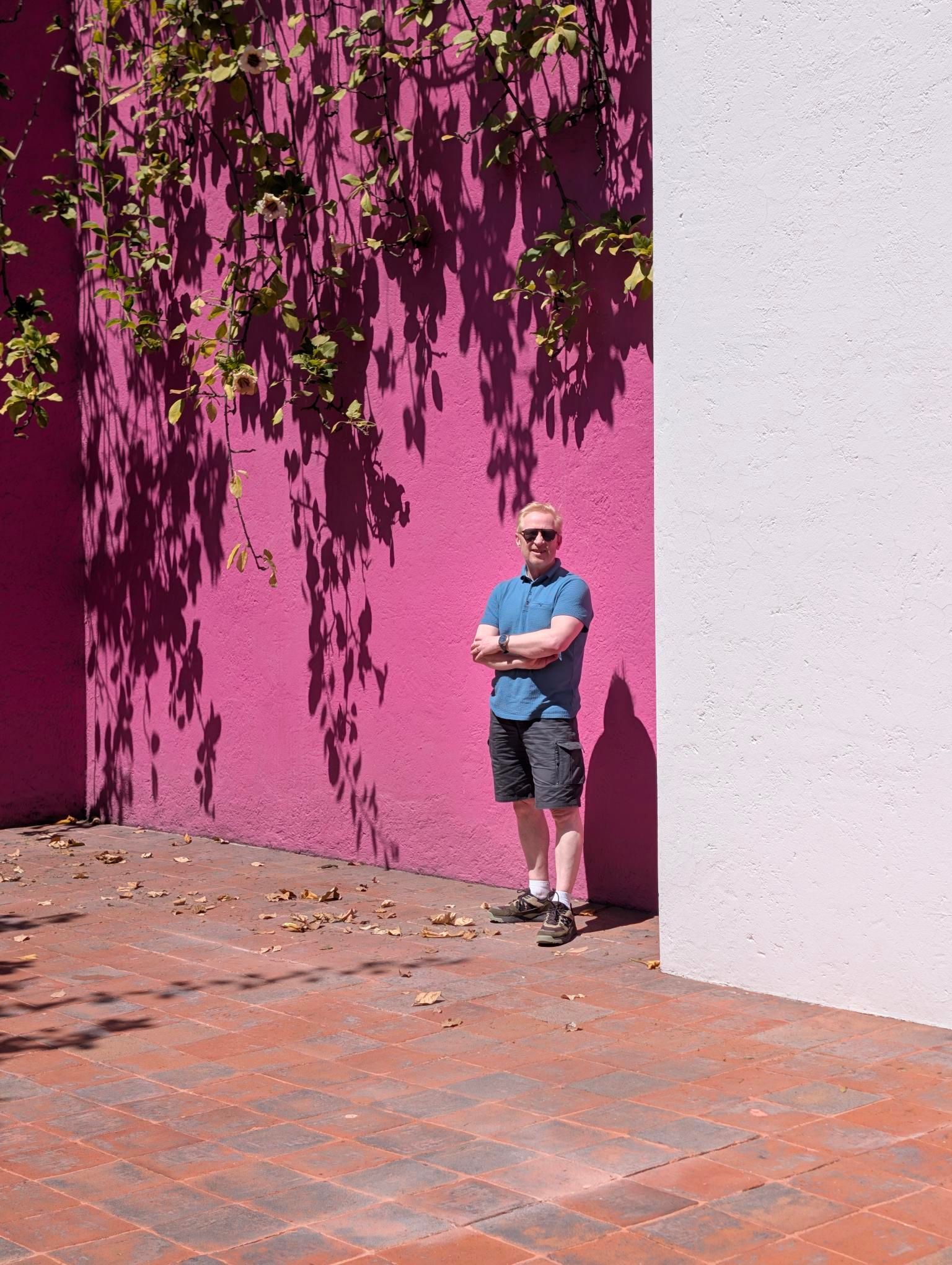
The visit also included a number of significant cultural sites, including Casa Wabi's gallery space, the house of Luis Barragán, and the home of Frida Kahlo. These spaces offered distinct interpretations of live-work environments, demonstrating how architecture can support creativity through light, material, and spatial composition.

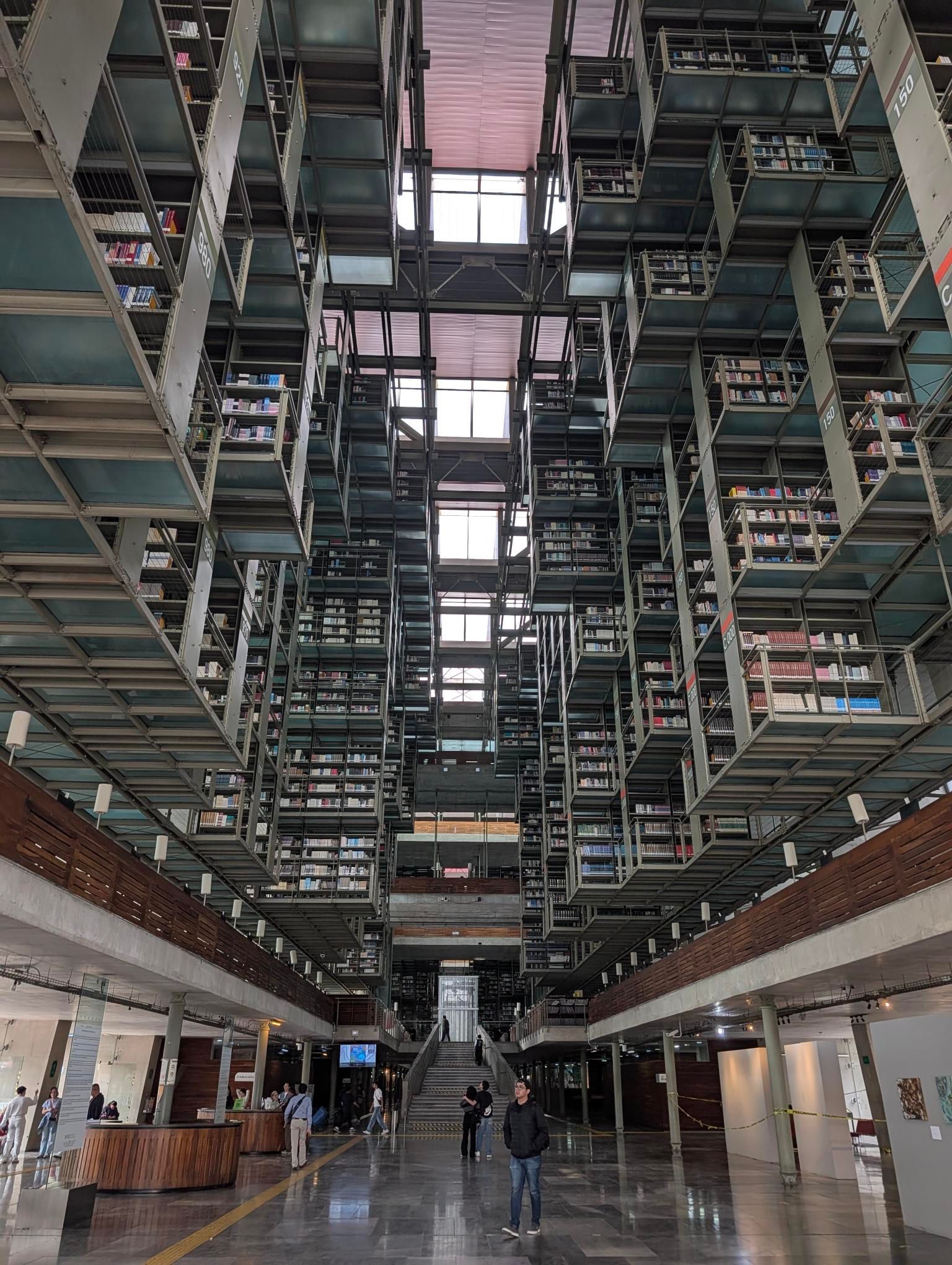
Across the city, the quality and accessibility of public space stood out. Institutions such as the National Library provided generous, well-used environments that support both civic life and individual reflection, reinforcing the importance of openness and inclusivity in urban design.


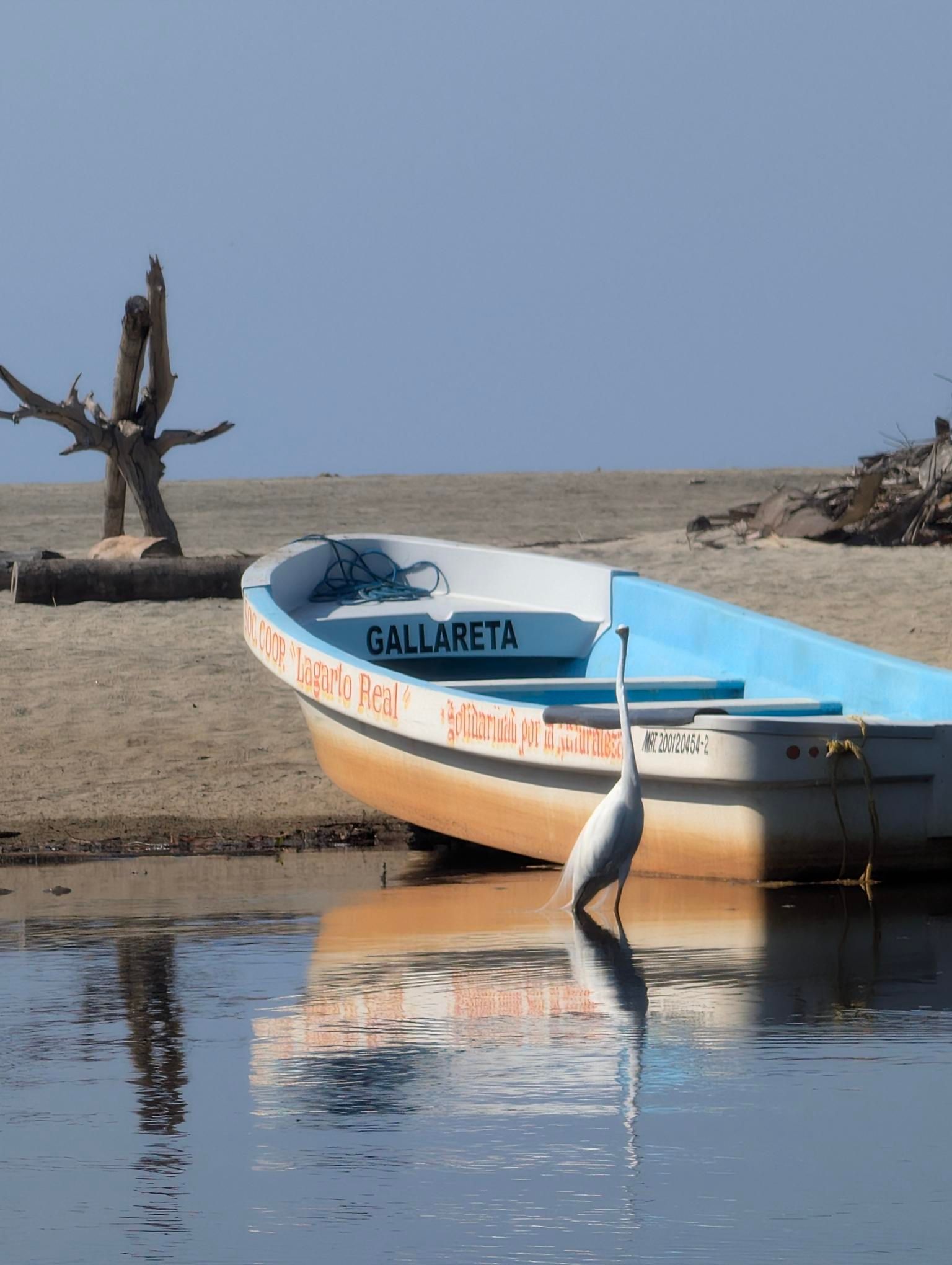
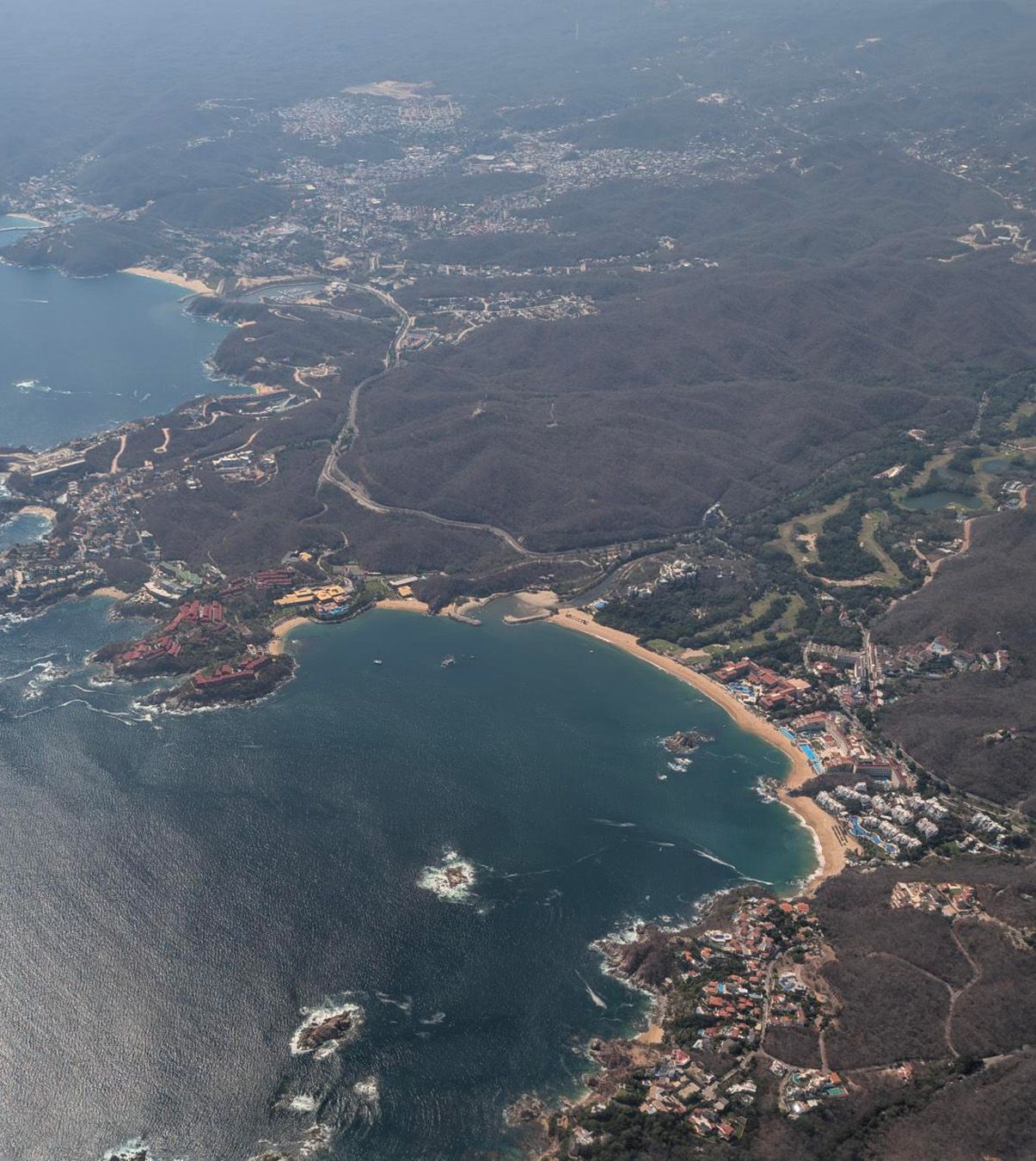
Following the time in Mexico City, Richard travelled briefly to Oaxaca on the Pacific coast. In contrast to the capital, the region offered a markedly different built environment and pace of development.
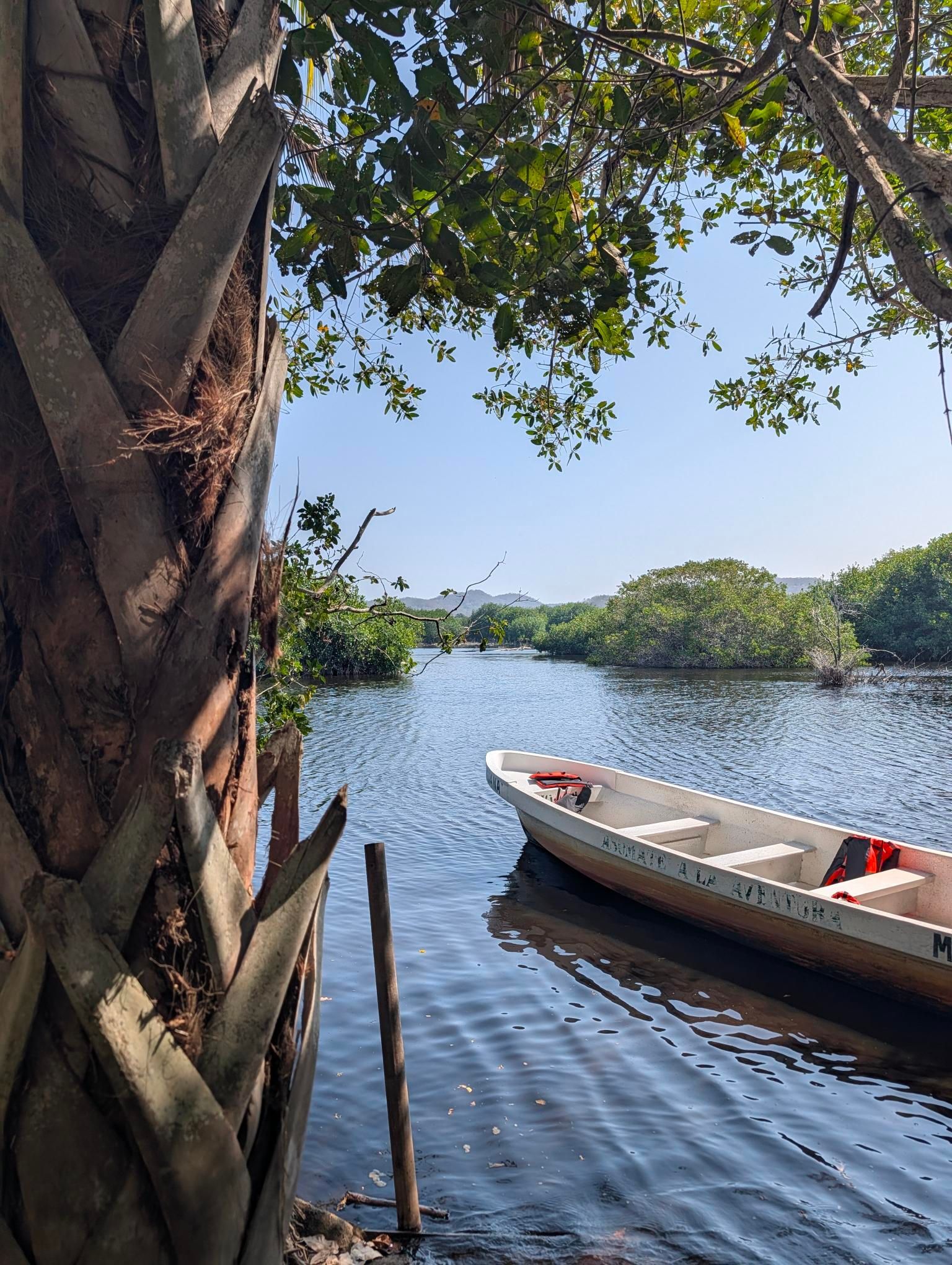


The coastal settlements are defined by low-rise, lightweight structures that respond directly to the climate and landscape. Materials appear immediate and locally sourced, with a visible absence of large-scale infrastructure or dense urban planning.


Although the visit was shorter and less architecture-focused, it reinforced how context, climate, and culture fundamentally shape the built environment.
Public Architecture and Cultural Narrative

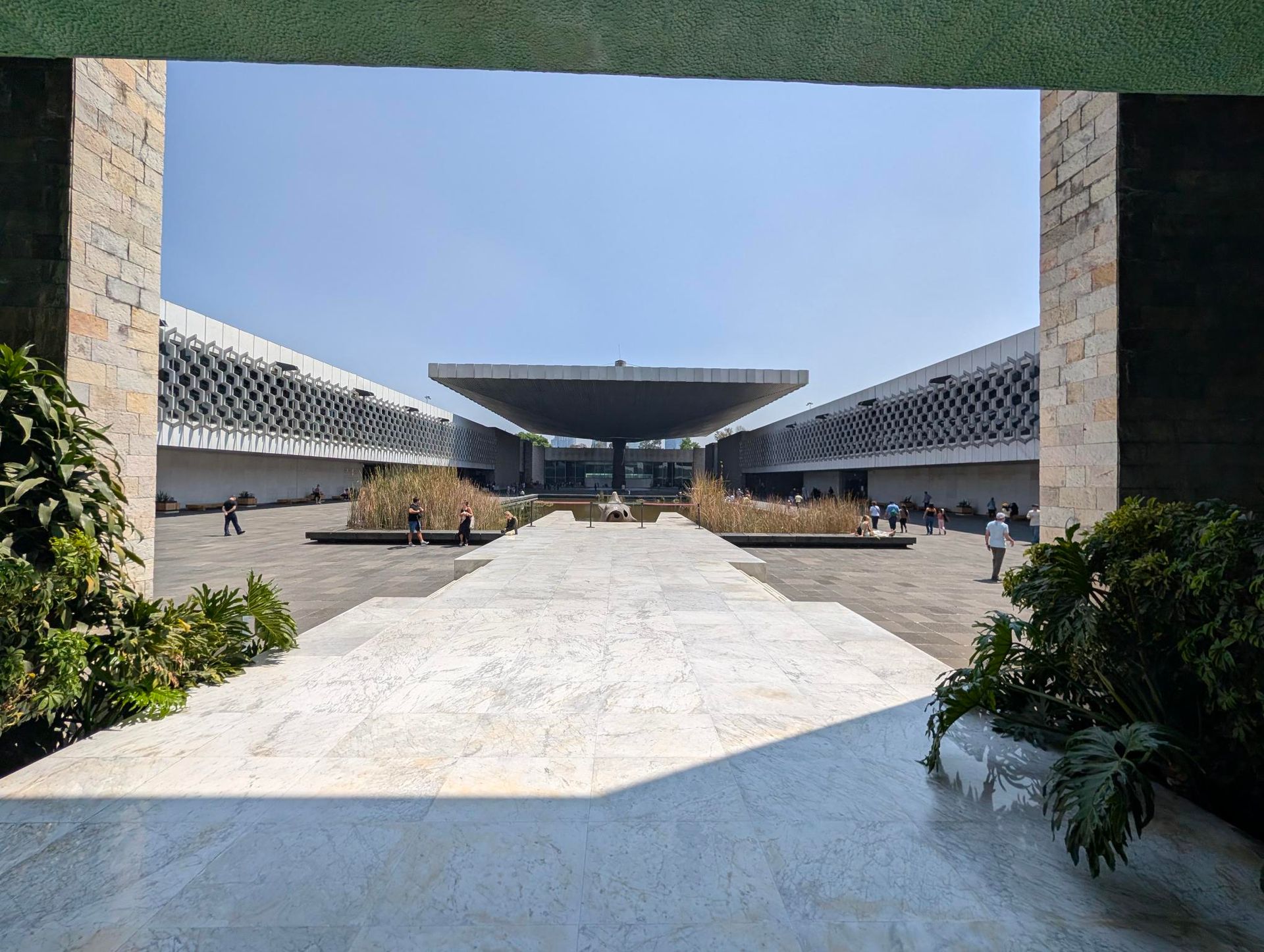
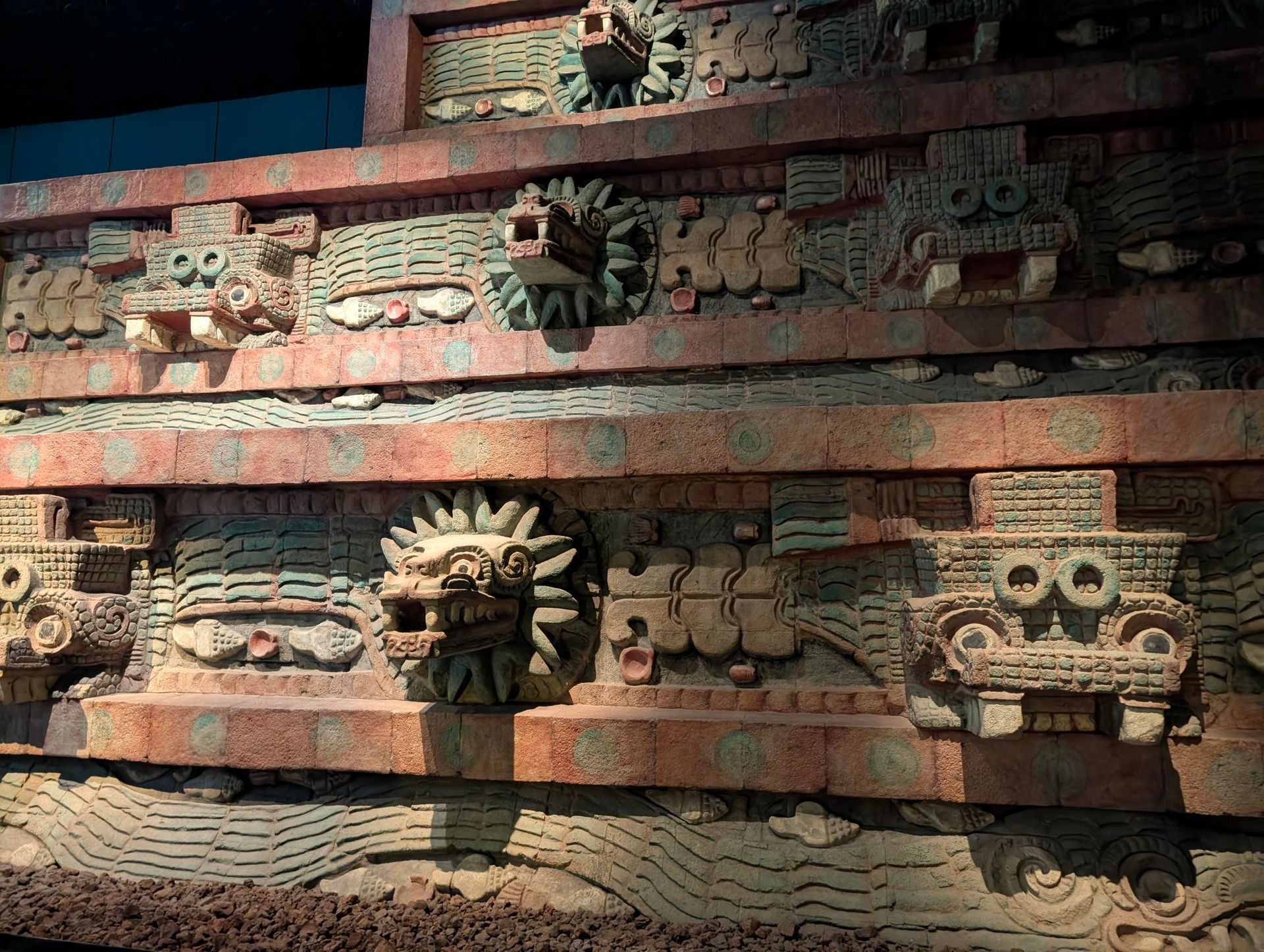
The trip concluded with a visit to the Anthropology Museum, a landmark building defined by its central column and expansive canopy. The architecture plays a central role in shaping the visitor experience, guiding movement through Mexico's history: from indigenous civilisations to Spanish colonisation and earlier migration patterns.

 Oaxaca: Climate, Material, and Context


Richard noted it as an exceptional example of public architecture, where scale, materiality, and spatial sequencing work together to create an environment that is both informative and immersive. The depth of content requires careful navigation, and visiting with a guide is recommended to fully appreciate both its historical and architectural significance.


As the visit came to an end, the city was preparing for the upcoming World Cup, with visible investment in infrastructure and development. Ongoing construction at the airport reflected a city in transition, balancing growth with its rich cultural identity.

Recent Blogs

By Richard Dudzicki March 10, 2026
On 25 March, Richard will be speaking at NLA’s Coffee Conversation about how London’s most constrained and overlooked sites can play a role in addressing both the housing crisis and the climate emergency. Across the city, small and fragmented plots are often dismissed as too difficult to develop. Backland sites, former garages and leftover spaces within established neighbourhoods are frequently overlooked by conventional development models. Yet collectively they represent a significant and largely untapped opportunity.
By Richard Dudzicki March 3, 2026
There is a particular responsibility that comes with working on an existing building. The Old Timberyard , a former Victorian workshop, offered the opportunity to demonstrate how careful retrofit can honour heritage whilst delivering genuine long-term performance. Behind its retained brickwork and historic fabric sits a carefully executed EnerPHit upgrade. This was not about surface improvements, but a rigorous, fabric-first transformation, reworking a cold, underperforming structure into a comfortable, resilient and low-energy building fit for contemporary use.
By Richard Dudzicki March 3, 2026
Three weeks ago, Heather Faulding and I had the pleasure of presenting at the NLA’s technical briefing on Retrofit and Reuse a CPD-certified webinar on low-energy & high-performance buildings. It was a fantastic session spotlighting some of the most innovative retrofit work. Heather shared her incredible project for Daily Paper in New York: a powerful example of creative reuse, transforming a crumbling structure using over 7,500 soda cans crafted by local communities. The shimmering façade reflected not only light but the heritage of African beadwork a story of culture and circularity woven into architecture.

Ask an expert


Book a free consultation today with Richard Dudzicki, RDA's director, founder and lead architect.


Ease your mind and take the first step towards your future home with confidence. No commitment, flexible timings.
Book now
By Richard Dudzicki March 10, 2026
On 25 March, Richard will be speaking at NLA’s Coffee Conversation about how London’s most constrained and overlooked sites can play a role in addressing both the housing crisis and the climate emergency. Across the city, small and fragmented plots are often dismissed as too difficult to develop. Backland sites, former garages and leftover spaces within established neighbourhoods are frequently overlooked by conventional development models. Yet collectively they represent a significant and largely untapped opportunity.
By Richard Dudzicki March 3, 2026
There is a particular responsibility that comes with working on an existing building. The Old Timberyard , a former Victorian workshop, offered the opportunity to demonstrate how careful retrofit can honour heritage whilst delivering genuine long-term performance. Behind its retained brickwork and historic fabric sits a carefully executed EnerPHit upgrade. This was not about surface improvements, but a rigorous, fabric-first transformation, reworking a cold, underperforming structure into a comfortable, resilient and low-energy building fit for contemporary use.
By Richard Dudzicki March 3, 2026
Three weeks ago, Heather Faulding and I had the pleasure of presenting at the NLA’s technical briefing on Retrofit and Reuse a CPD-certified webinar on low-energy & high-performance buildings. It was a fantastic session spotlighting some of the most innovative retrofit work. Heather shared her incredible project for Daily Paper in New York: a powerful example of creative reuse, transforming a crumbling structure using over 7,500 soda cans crafted by local communities. The shimmering façade reflected not only light but the heritage of African beadwork a story of culture and circularity woven into architecture.
By Richard Dudzicki February 13, 2026
We’re excited to share our refined Project Planning Pack, designed to support anyone preparing to embark on a design or building project. Planning ahead is one of the most important steps in ensuring a successful project . This clear, easy-to-follow resource helps you reduce risk , improve your design outcomes, and gain a better understanding of costs and the architect’s role in the process. It also introduces core design principles and provides tools to assess where you’re at before you begin, giving you confidence in every decision. Whether you’re a first-time homeowner, an experienced developer, or simply exploring ideas for a renovation or new build, this pack is an essential companion for your project journey. What’s included: • A structured framework to plan and organise your project • Guidance on core design principles • Insights into costs and the architect’s role • Tools to assess your project readiness We’ve refined this pack to be practical, user-friendly, and aligned with real-world architectural practice. Our goal is to give you clarity, reduce uncertainty, and make the design process as smooth as possible . Access the full Project Planning Pack here: