
London Festival of Architecture: Small sites and Big Belonging with RDA, Guided Tour
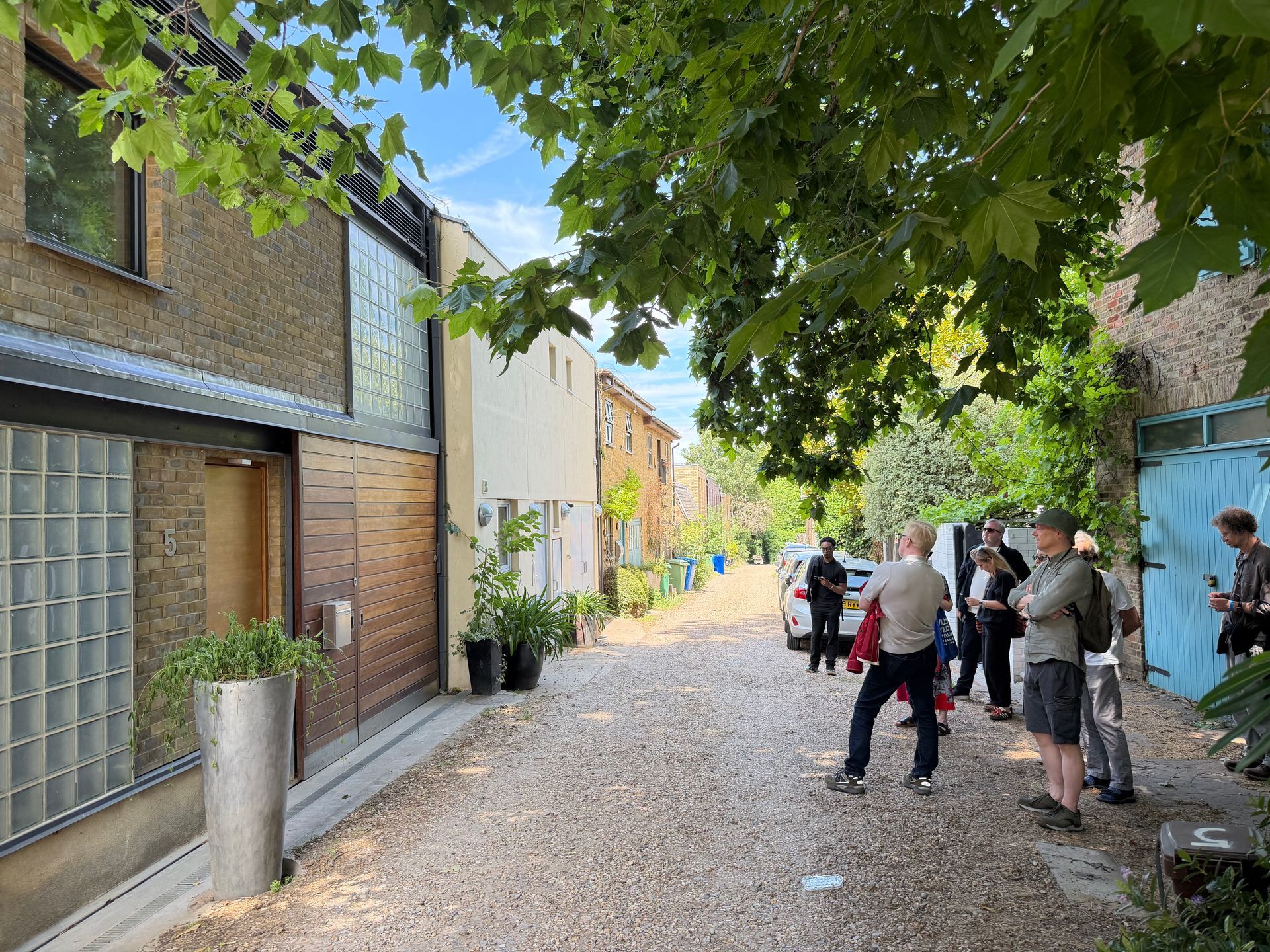
On 18th June, RDA was delighted to host its second guided walk as part of the London Festival of Architecture. Responding to this year's festival theme, “Belonging". the walk explored how overlooked, constrained and infill sites across East Dulwich can be transformed into high-quality, sustainable homes through thoughtful design and Passivhaus principles.
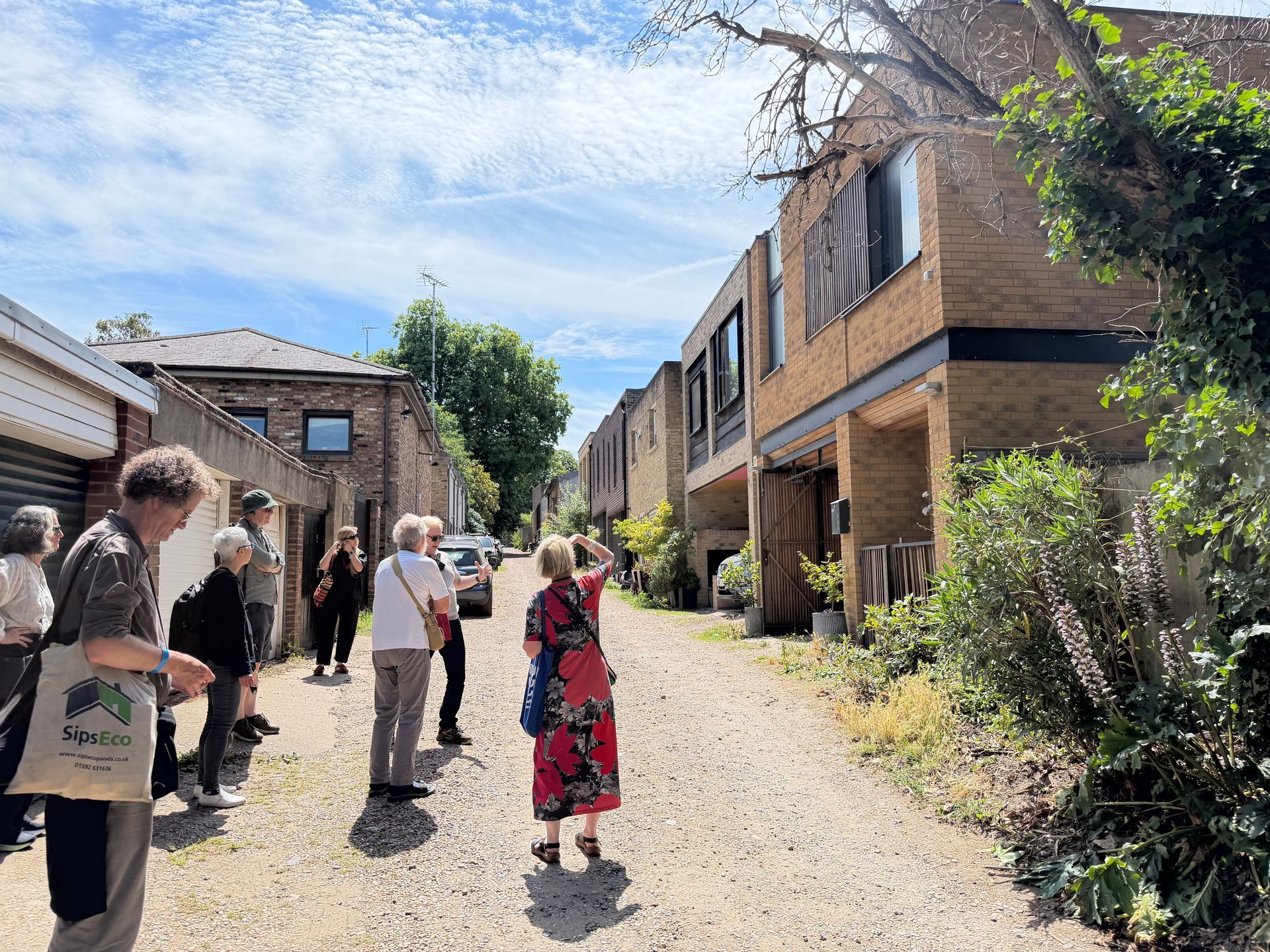
We were thrilled by the success of the event, which attracted a full group of 15 attendees. Led by Richard, participants were guided through six RDA projects, with live commentary delivered through a wireless headphone system, allowing everyone to hear detailed insights into the challenges, opportunities and design solutions behind each scheme.
Unlocking the Potential of Difficult Sites
The walk highlighted how underused urban spaces can contribute to London's housing needs while delivering exceptional environmental performance and architectural quality.
Passive Mews II
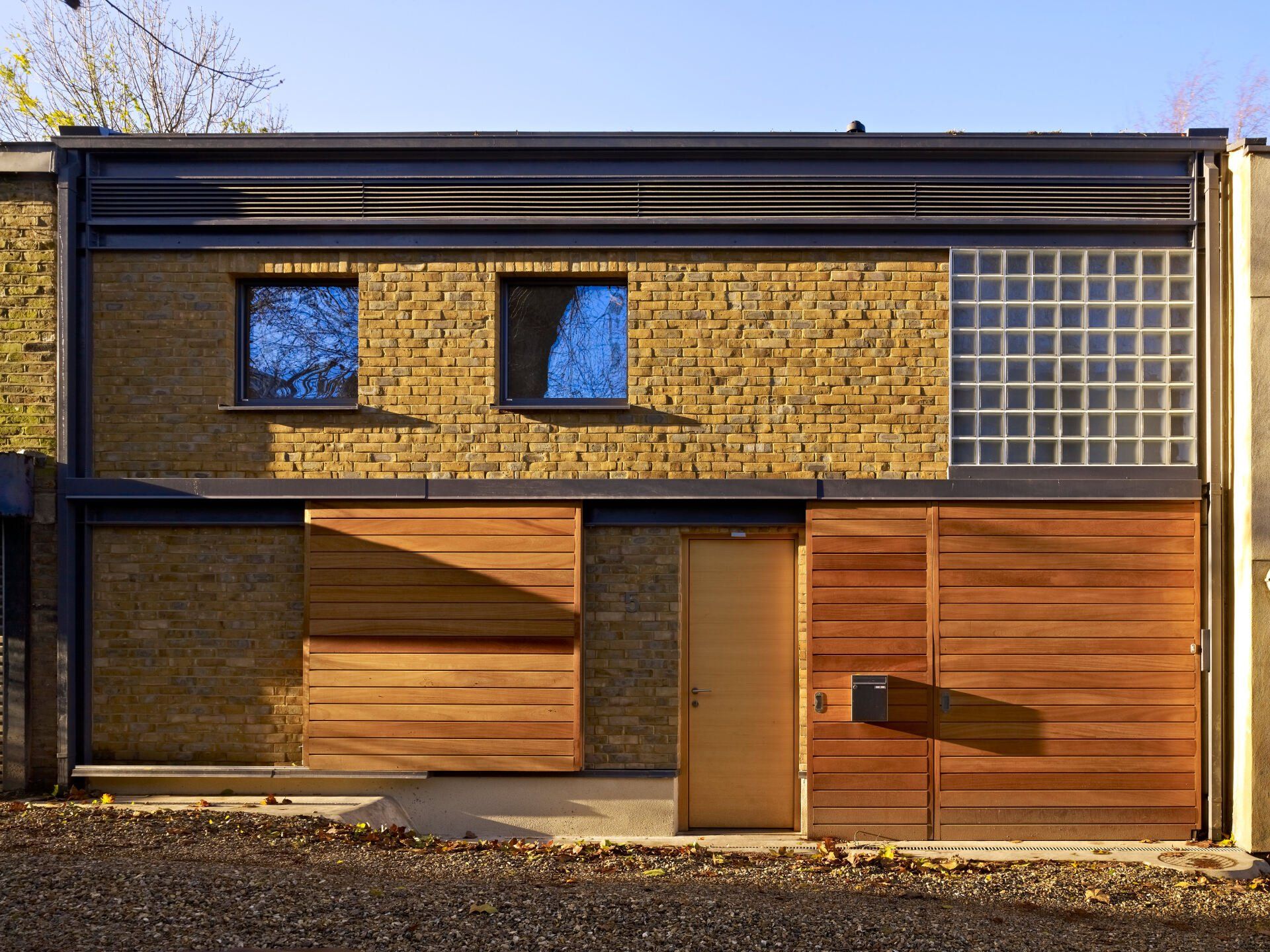
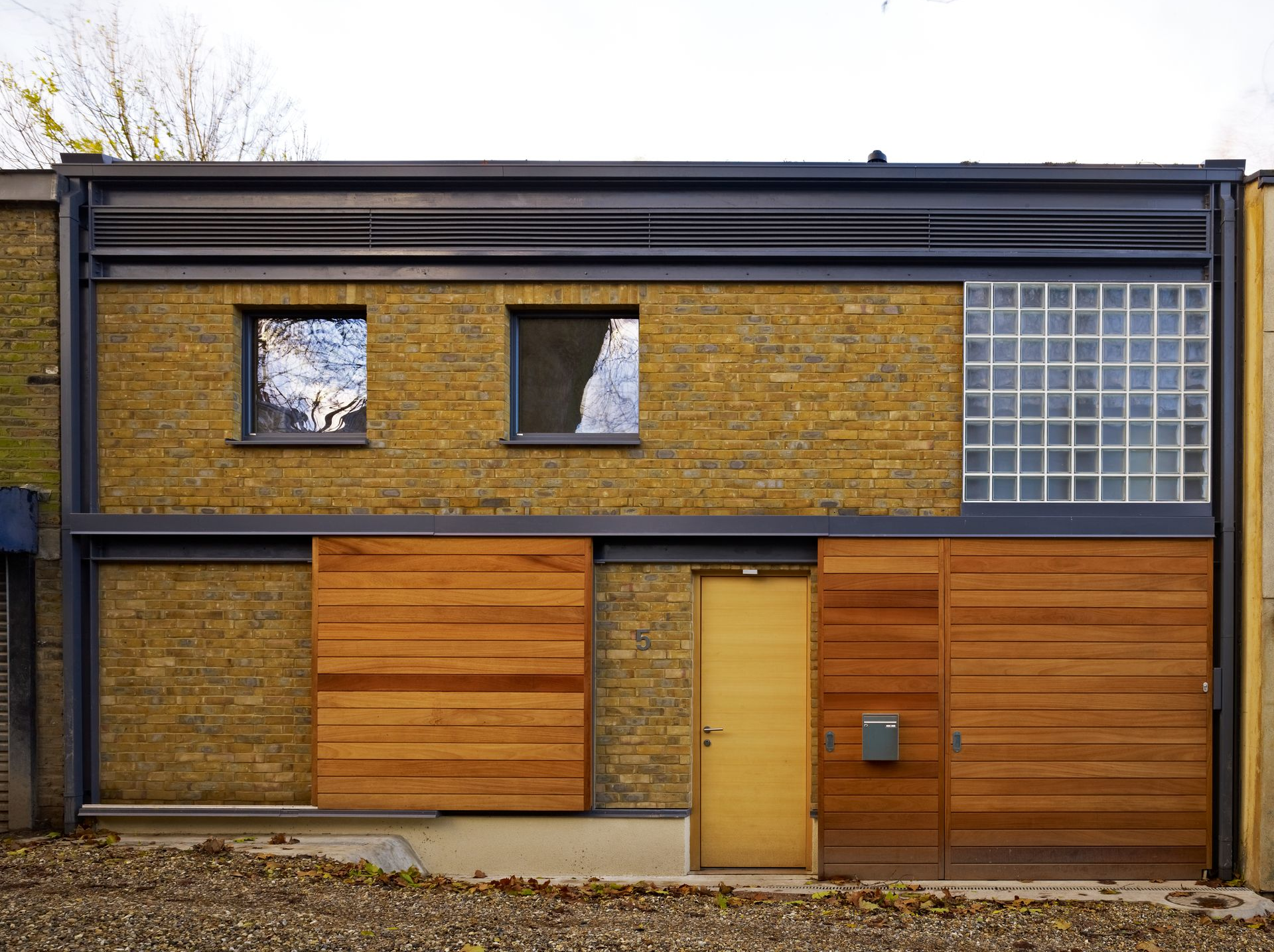
The tour began at Passive Mews II, RDA's first certified Passivhaus project. Located within a quiet South London mews behind a Grade II listed building, the project transformed a former coach house with virtually no thermal efficiency into a highly sustainable contemporary home.
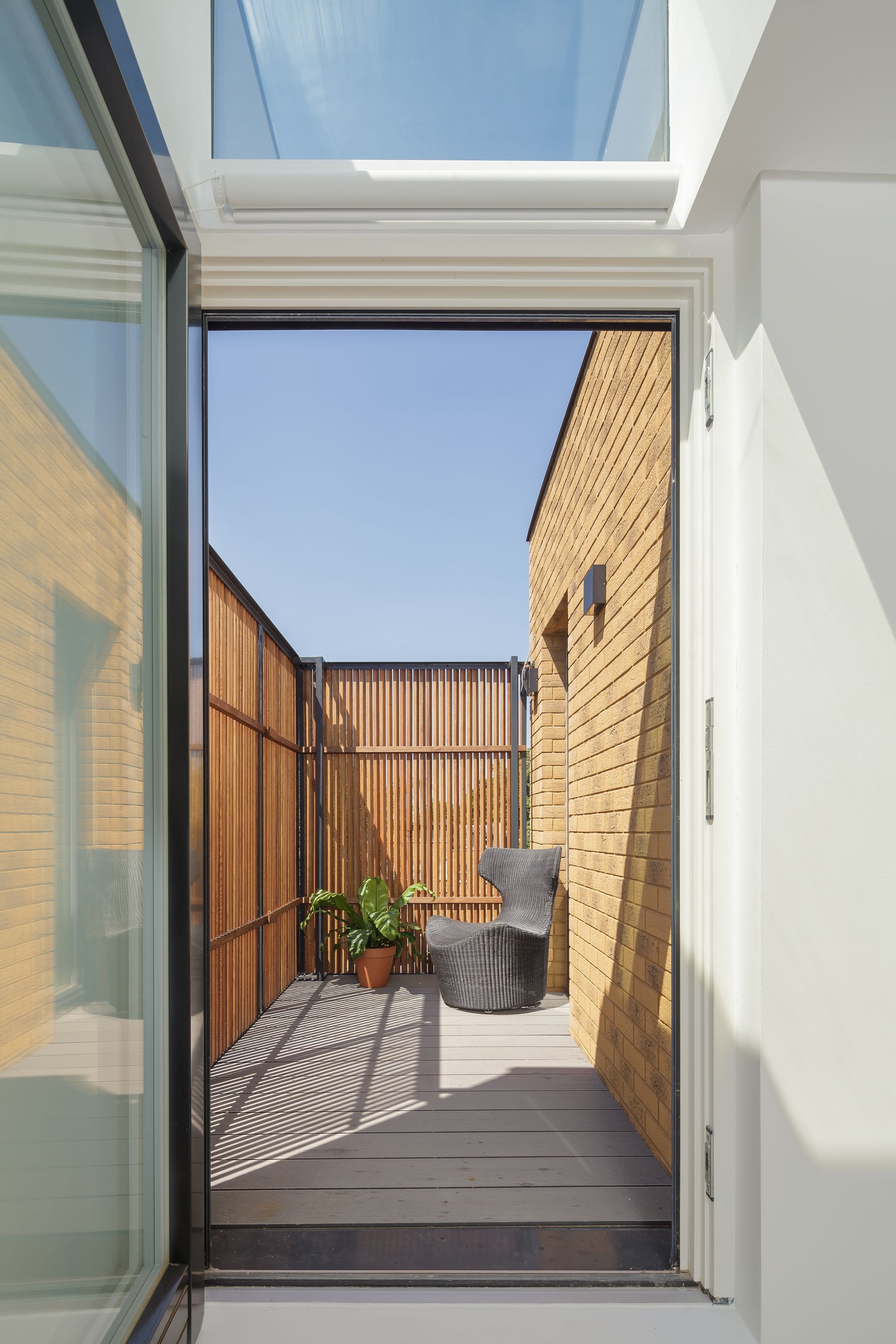
Built on a tight infill site within a conservation area, the Passivhaus-certified design features a super-insulated, airtight envelope with triple glazing and heat recovery ventilation, reducing energy use by around 90%, while its brick, steel and red cedar façade responds thoughtfully to the mews' industrial character.
Passive Mews I
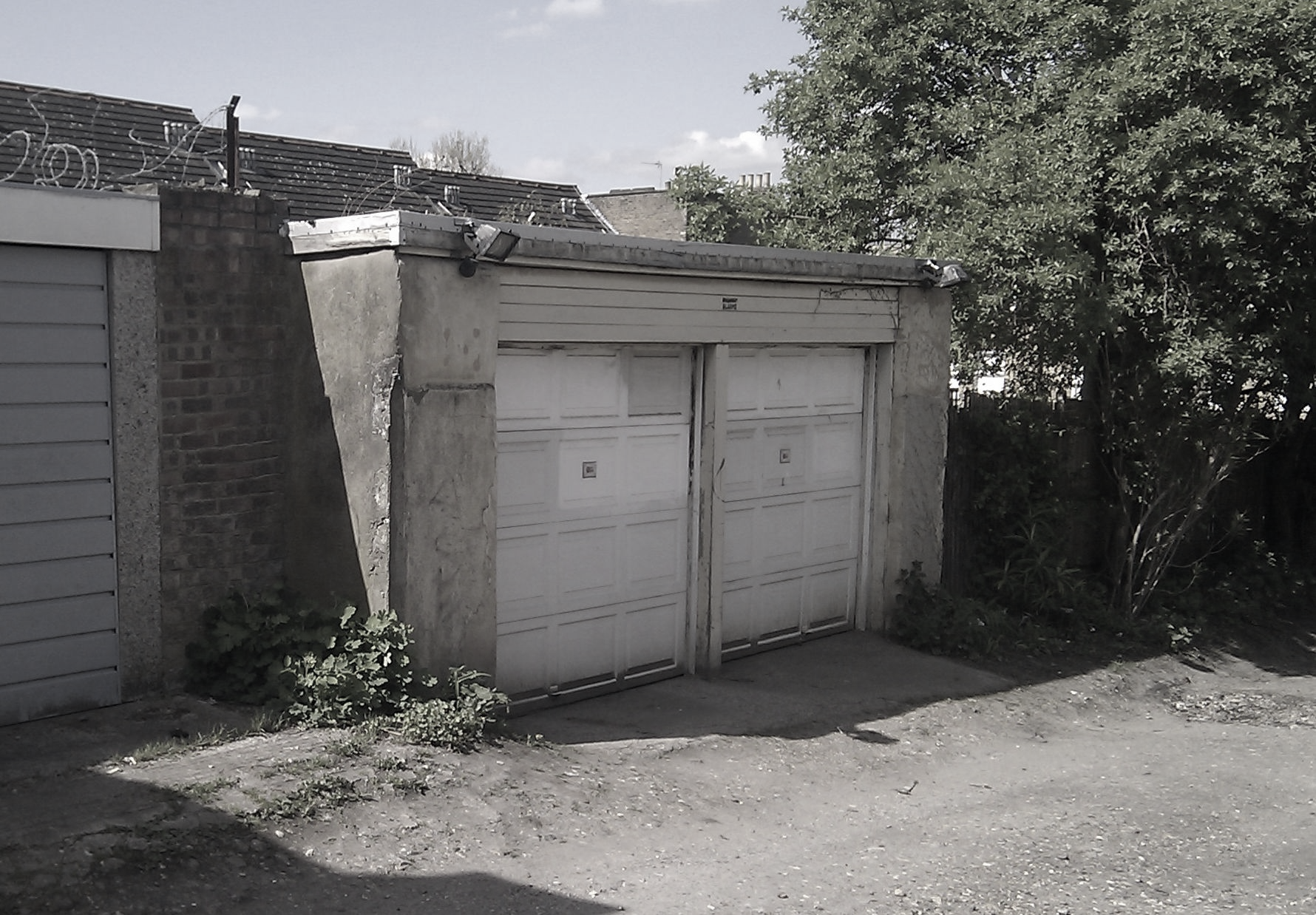
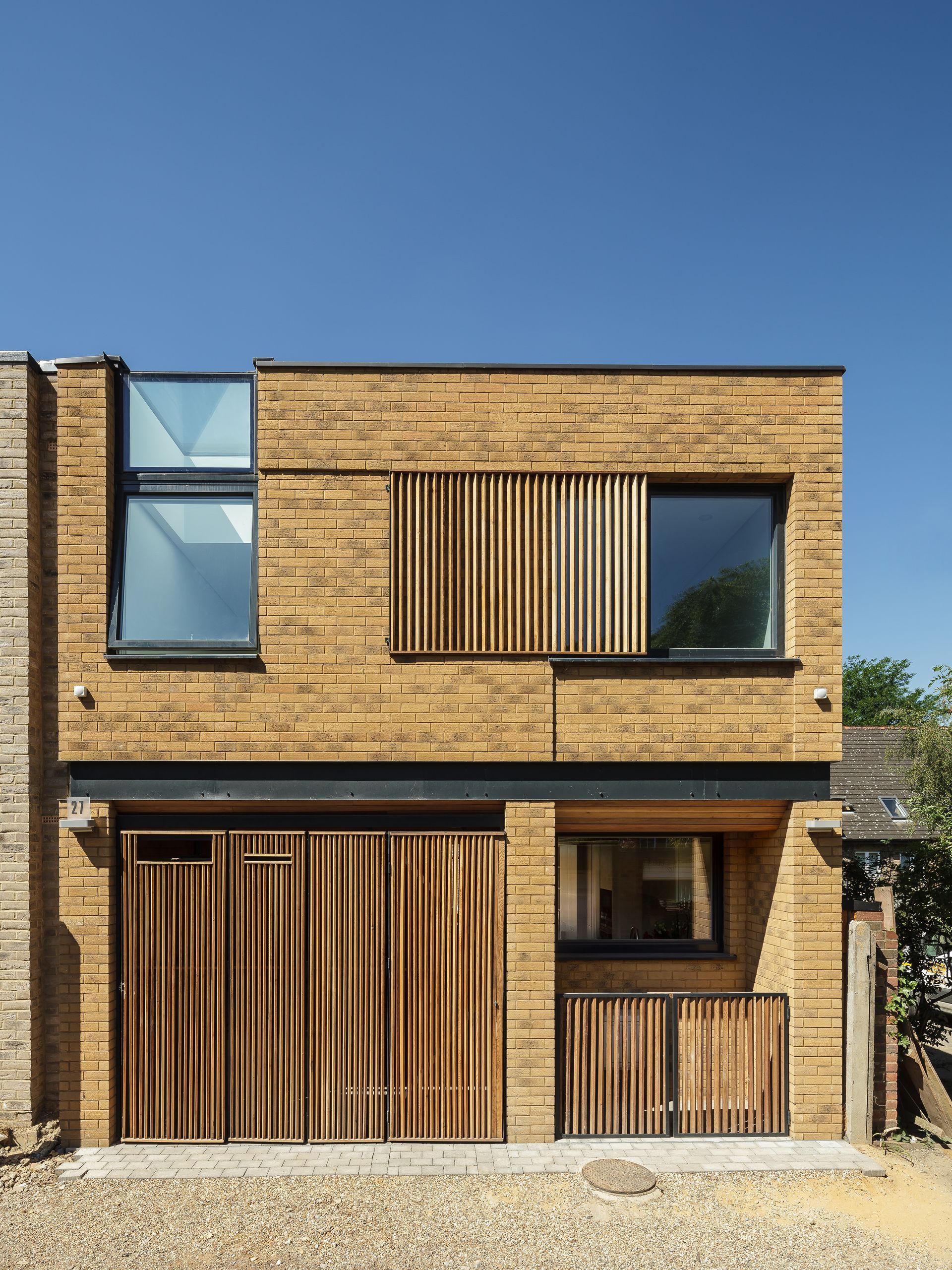
Completed in 2017 on a limited budget, Passive Mews I replaced a derelict rear garage with a contemporary three-bedroom home and artist's studio, demonstrating how sustainable, comfort-led design can improve living standards without compromising affordability.
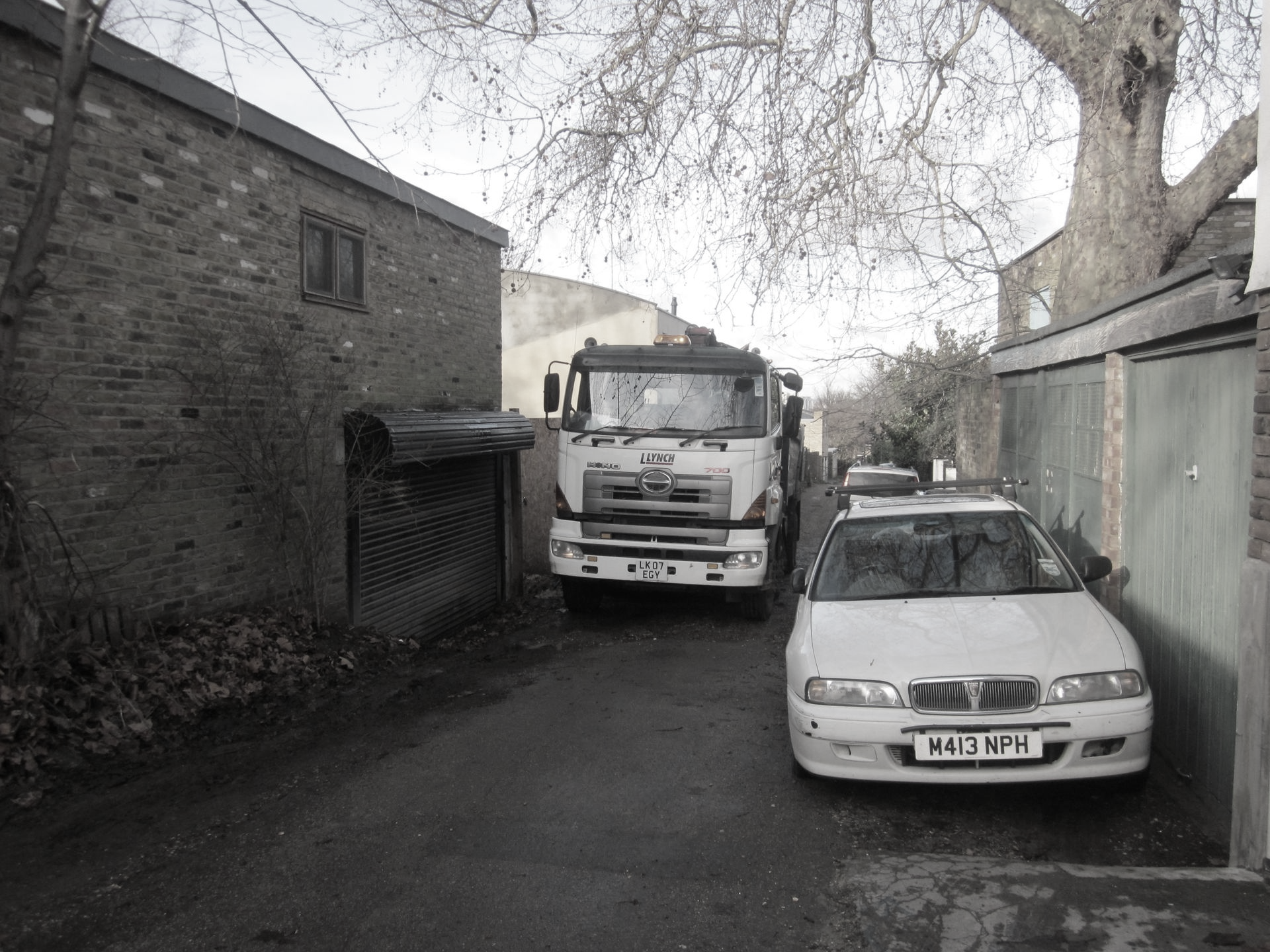
Built on a tight infill site within a conservation area with challenging planning constraints and narrow rear access, the project targeted Passivhaus certification through an energy-efficient, low-maintenance design that reflects the character of the mews while maximising the potential of a neglected urban plot.
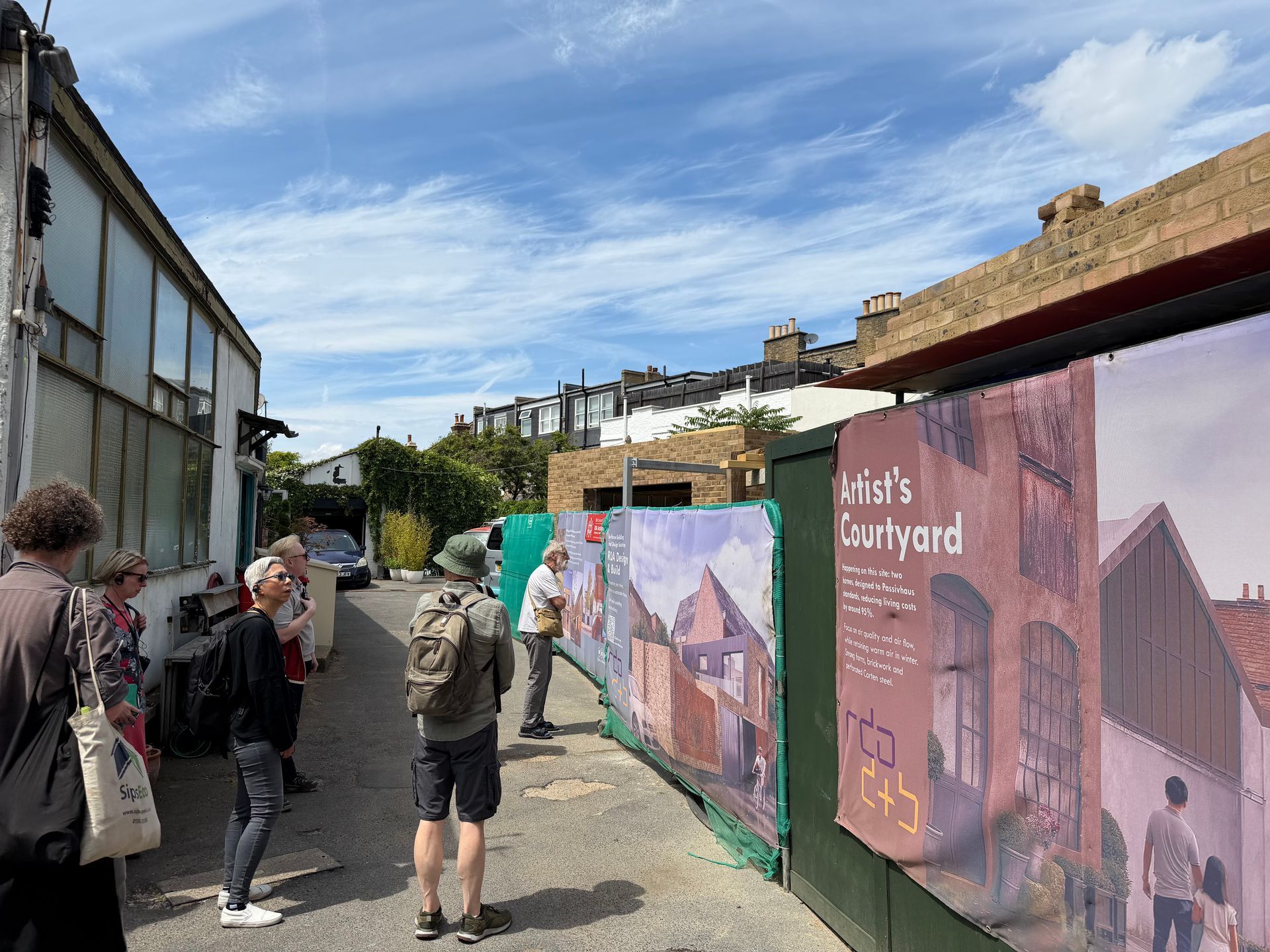
Artist's Courtyard
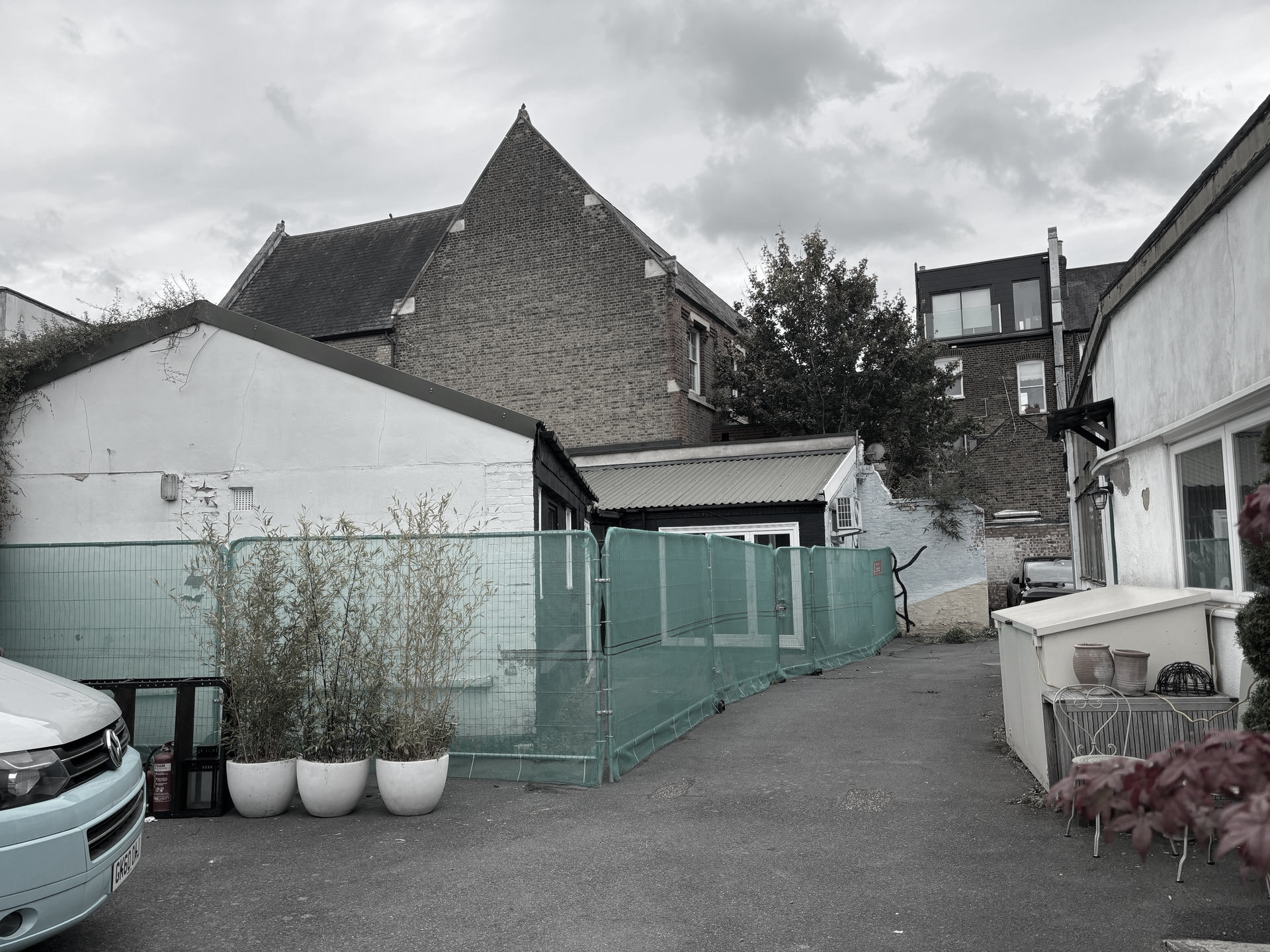
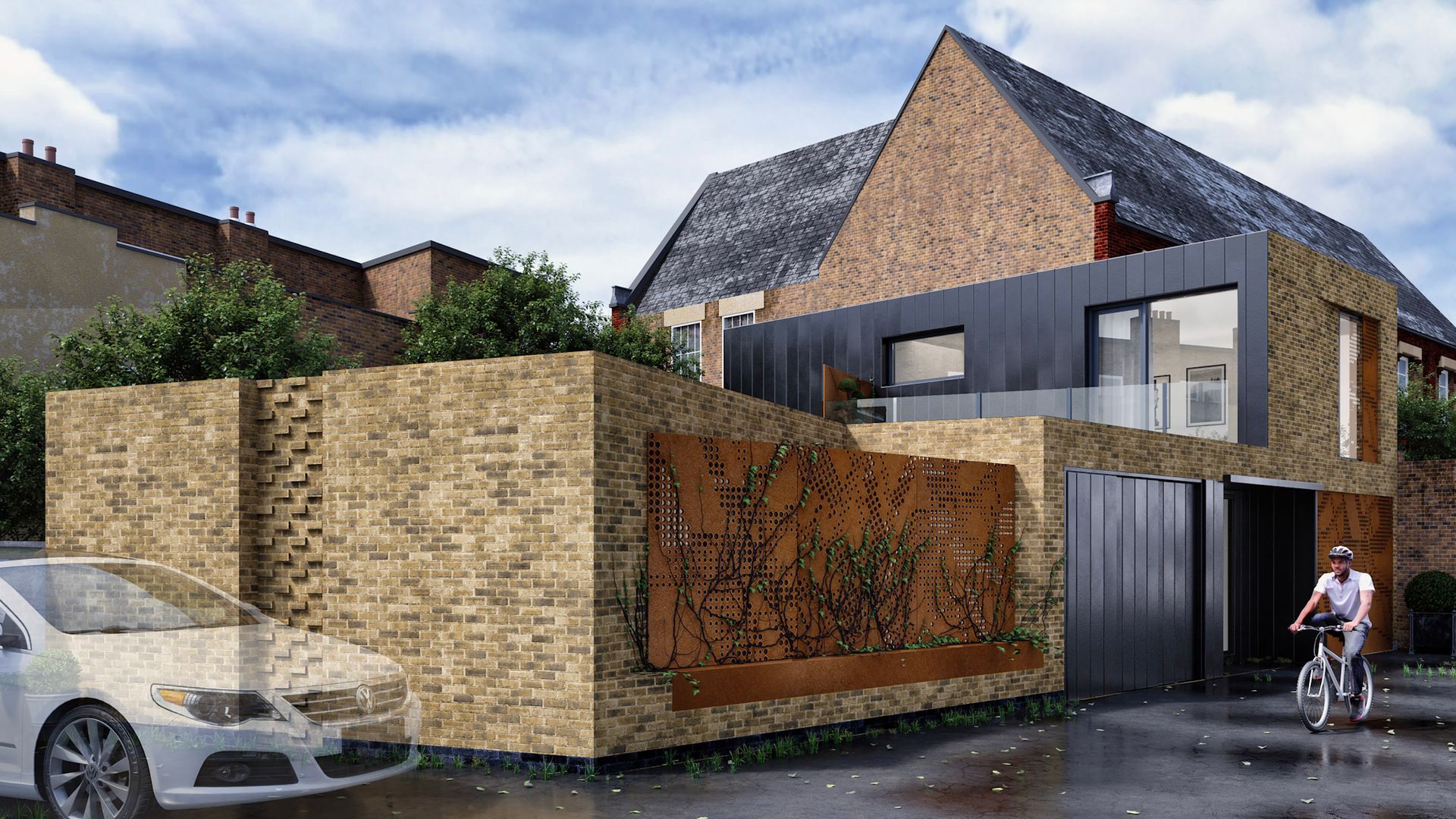
Designed on a tightly constrained brownfield site with narrow access in a heavily restricted residential setting, Artist's Courtyard delivers two Passivhaus dwellings comprising a primary home and a flexible secondary unit suitable for family, guests or rental.
Inspired by industrial warehouse forms, the project combines a simple palette of brick and Corten steel with high-performance, airtight construction, creating low-energy, low-maintenance homes that require no conventional heating while providing comfortable, adaptable living within a compact footprint.
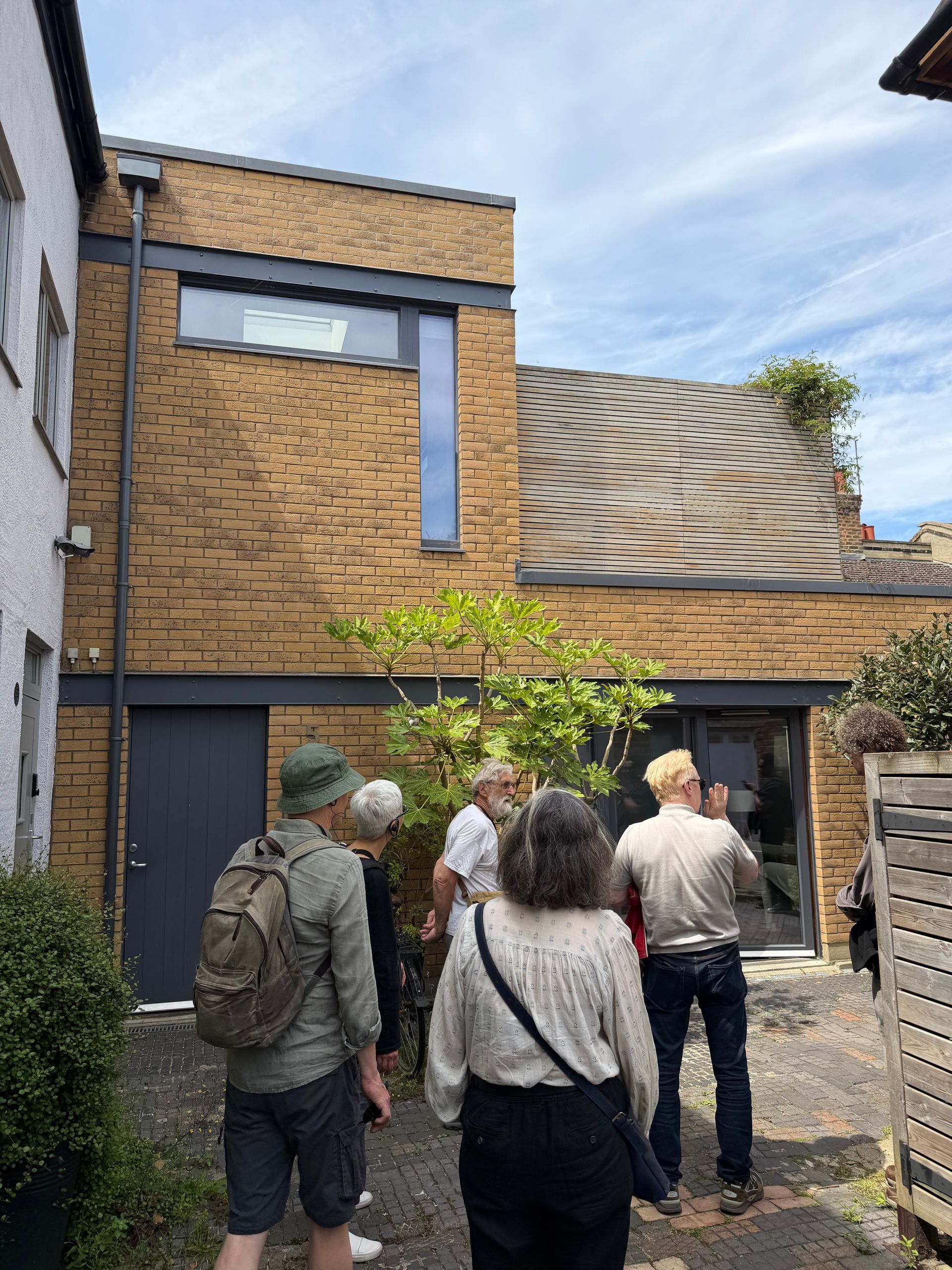
The Old Stables
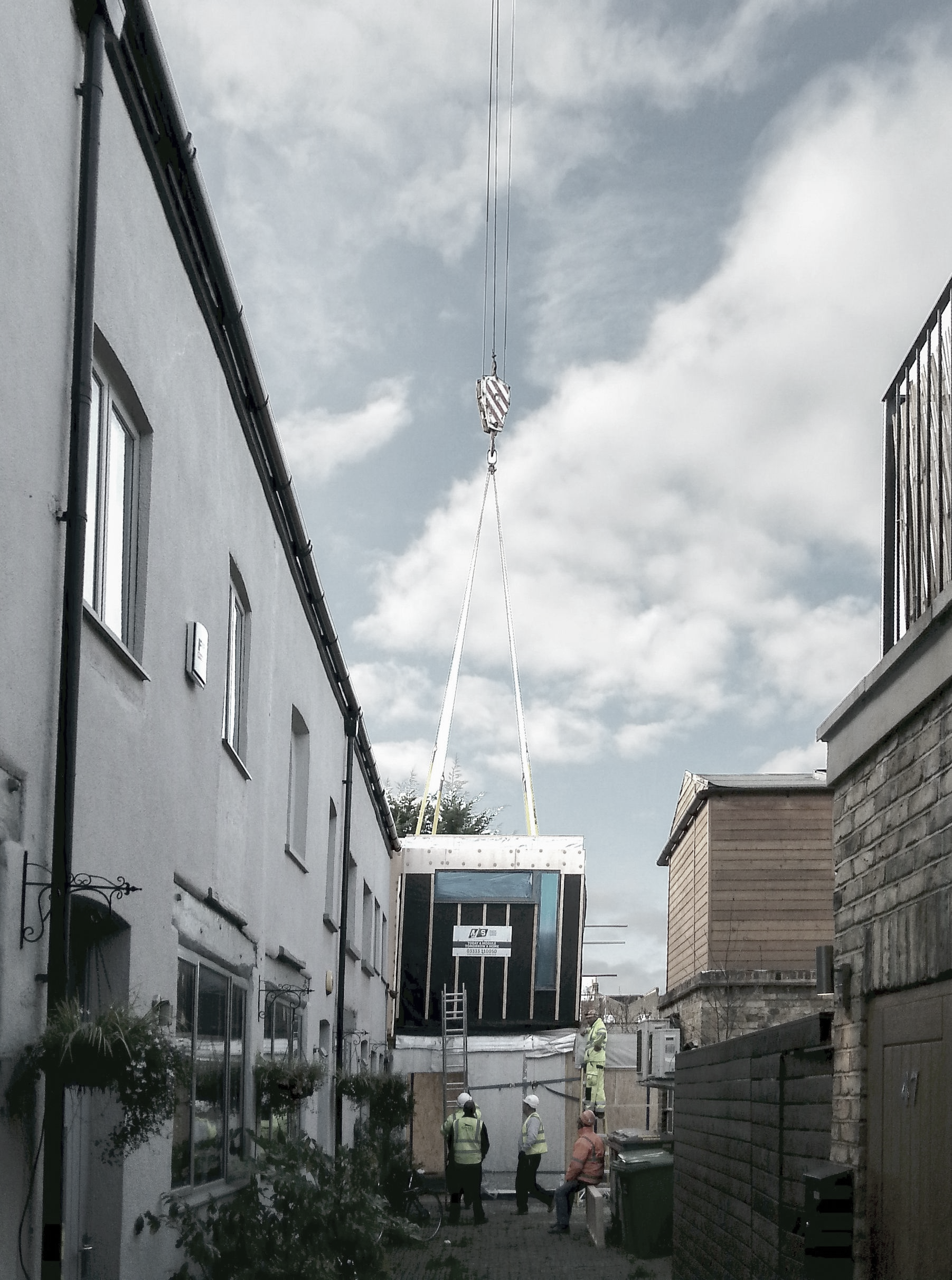
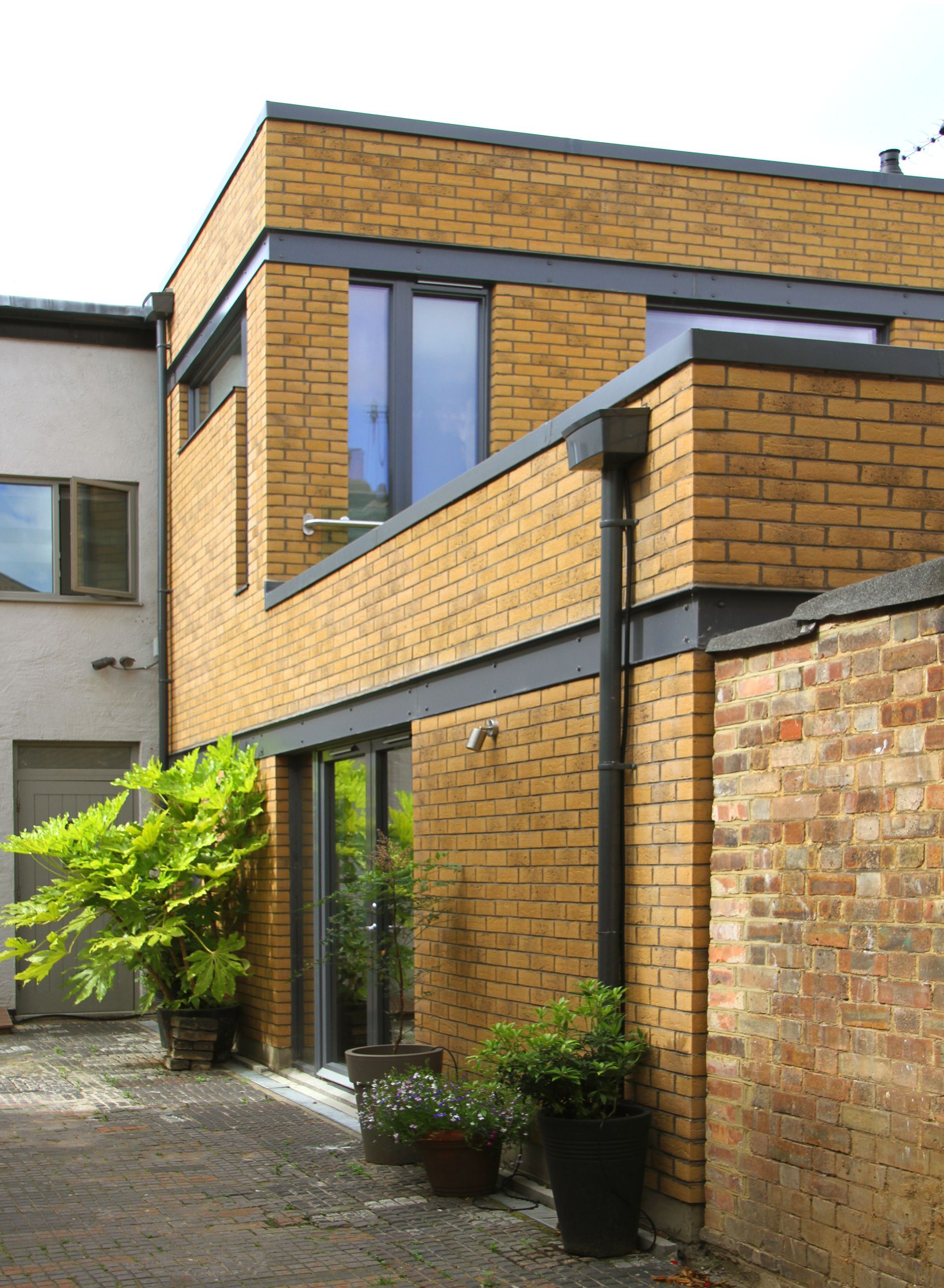
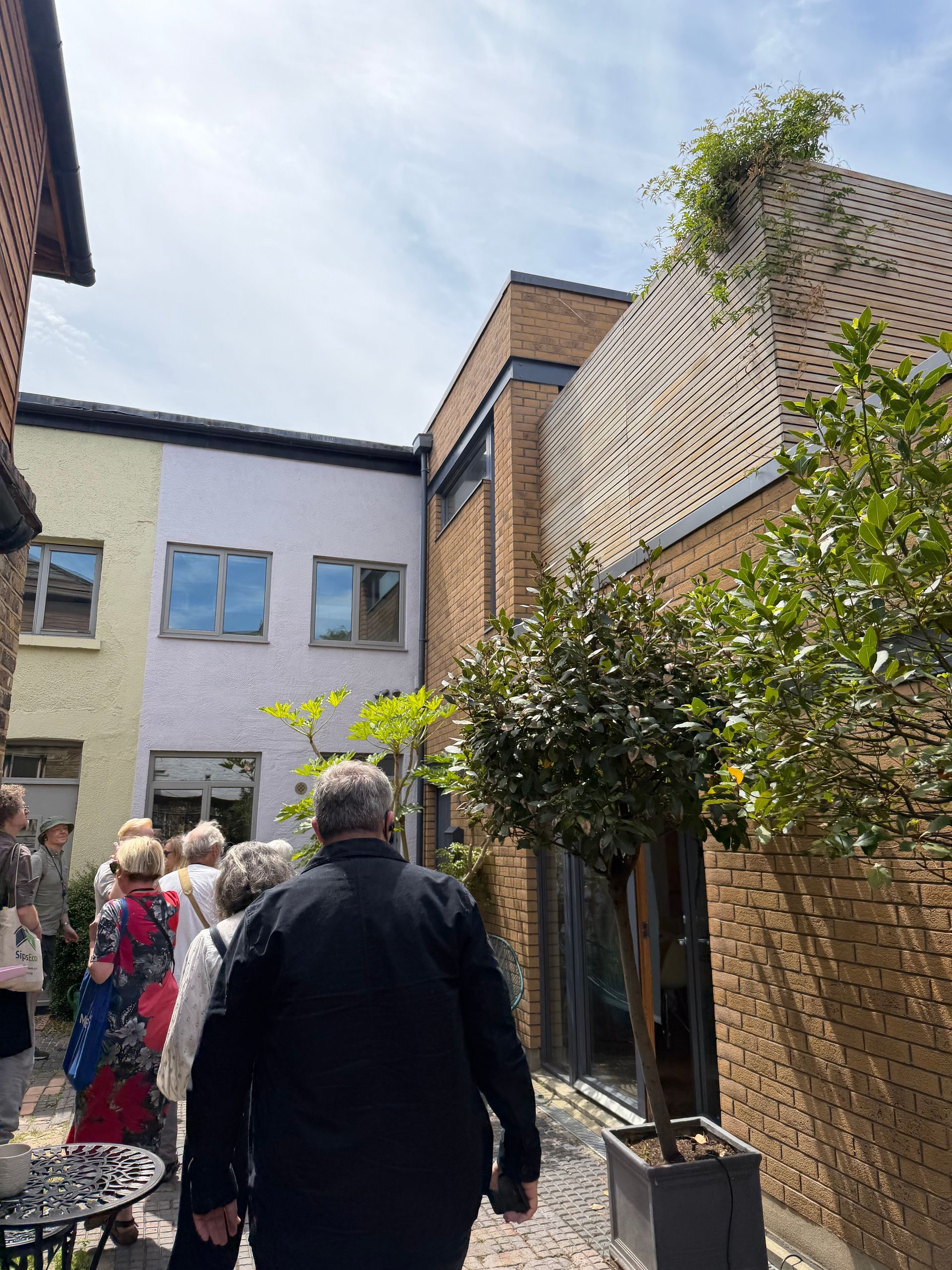
Situated within a mixed-use mews behind East Dulwich's market street, The Old Stables responds to a live-work brief with 50 square metres of ground-floor workspace and an equivalent-sized studio apartment above. Delivered on a tight backland infill site with limited access, the project uses modular off-site SIP construction, assembled from three prefabricated modules to achieve a rapid build programme. Brick cladding reflects the character of the mews, while a PHPP-informed, high-performance envelope delivers excellent thermal efficiency within a £250,000 budget (2015).
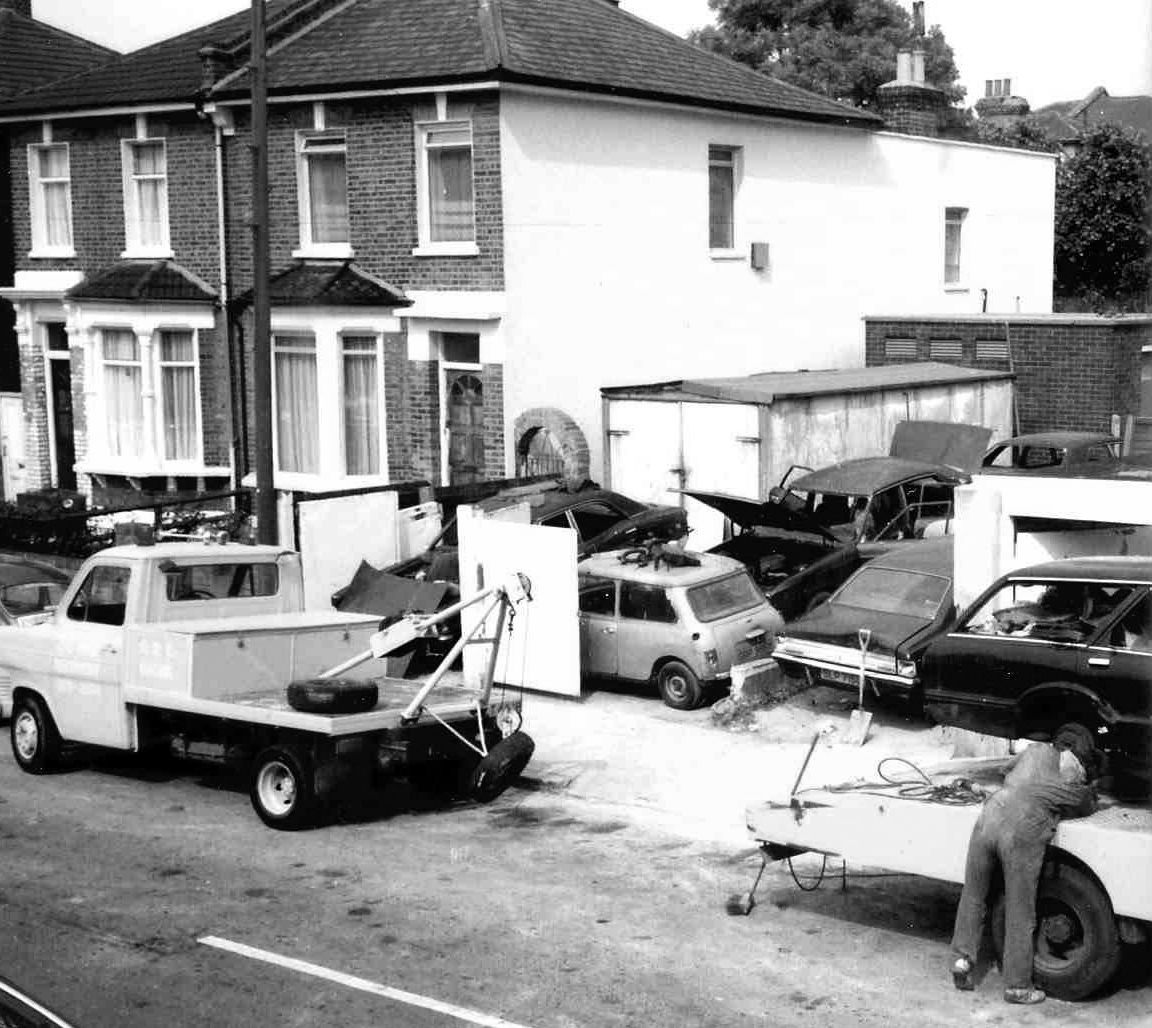
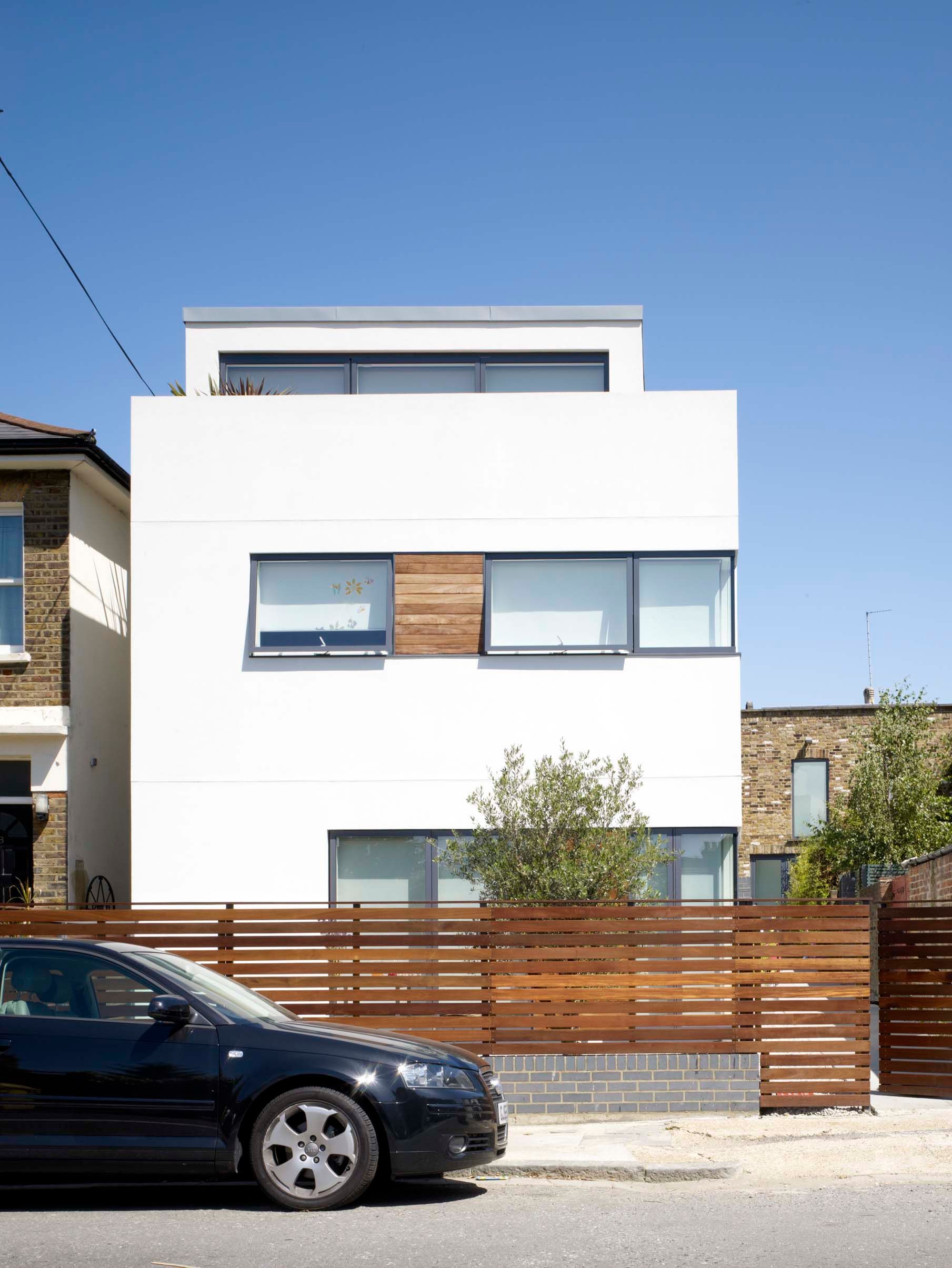
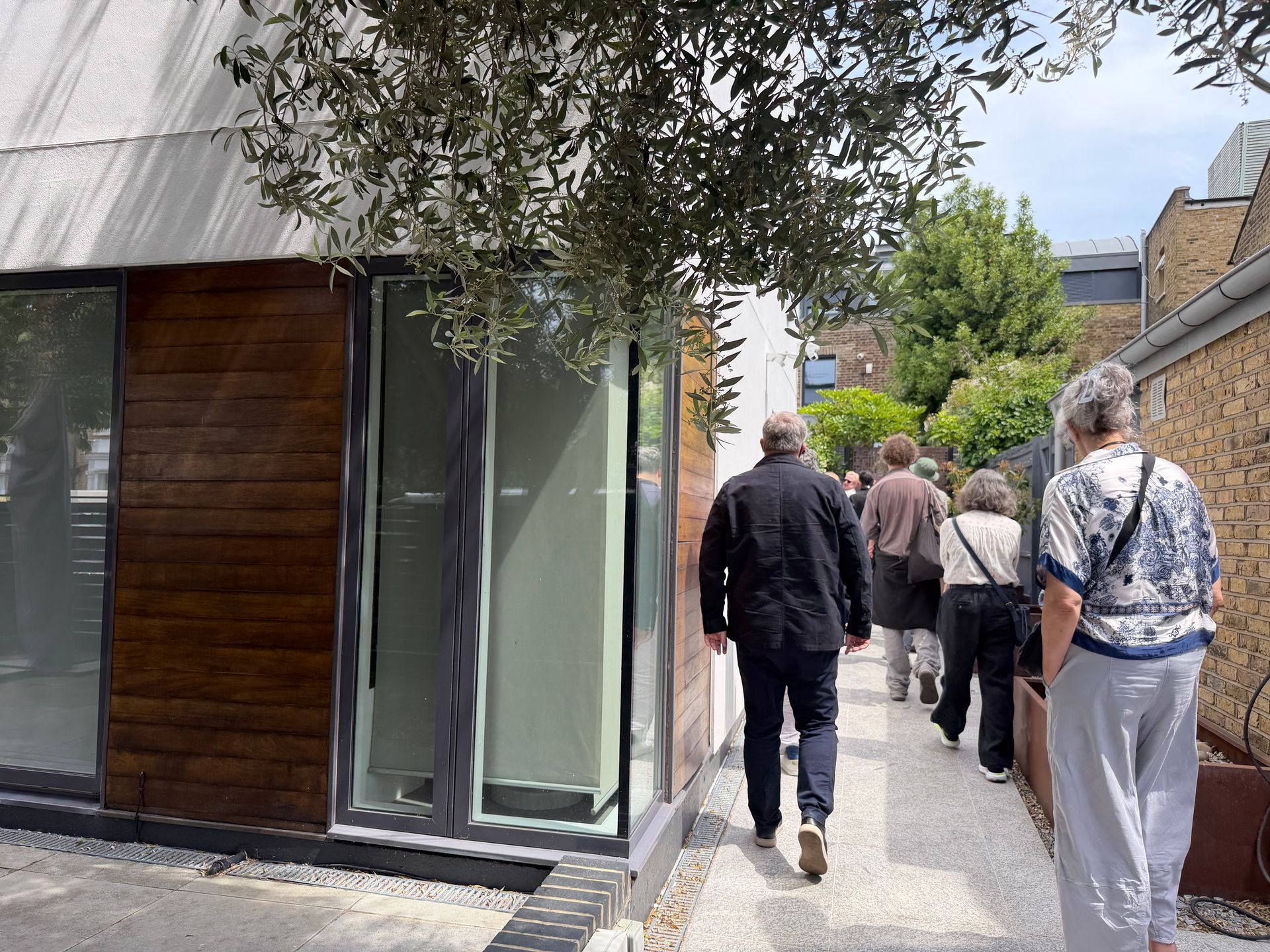
Eva's House
Built on a former garage and scrapyard site affected by oil contamination, Eva's House was delivered as a low-budget, fast-track project on a compact 6 × 6 metre corner plot. Constructed entirely from timber SIP panels in just six months, the affordable family home applies early Passivhaus design principles and incorporates recycled materials to achieve high energy efficiency.
Despite significant constraints, including the excavation and replacement of 1.5 metres of contaminated soil and the site's proximity to an electrical substation, the house provides a flexible, future-proofed living environment designed to accommodate solar panels and heat pumps.
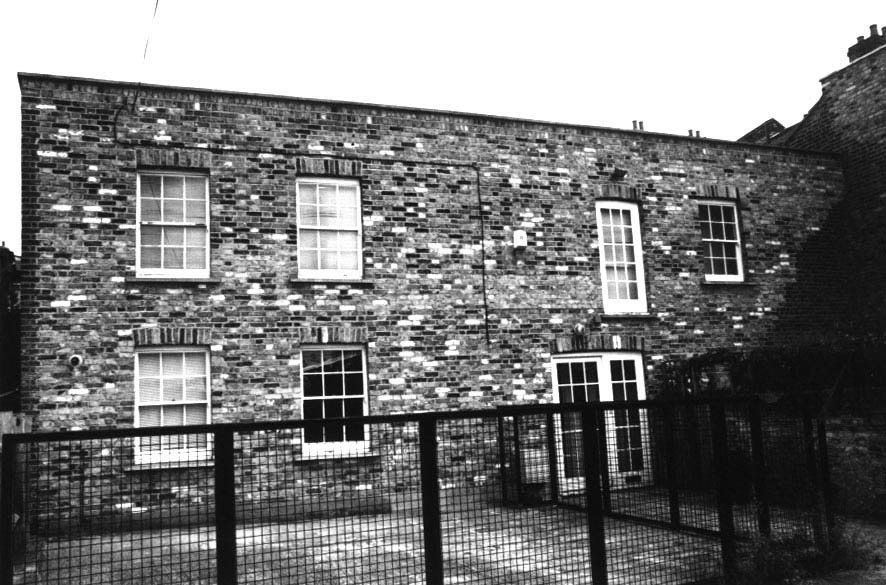
Before
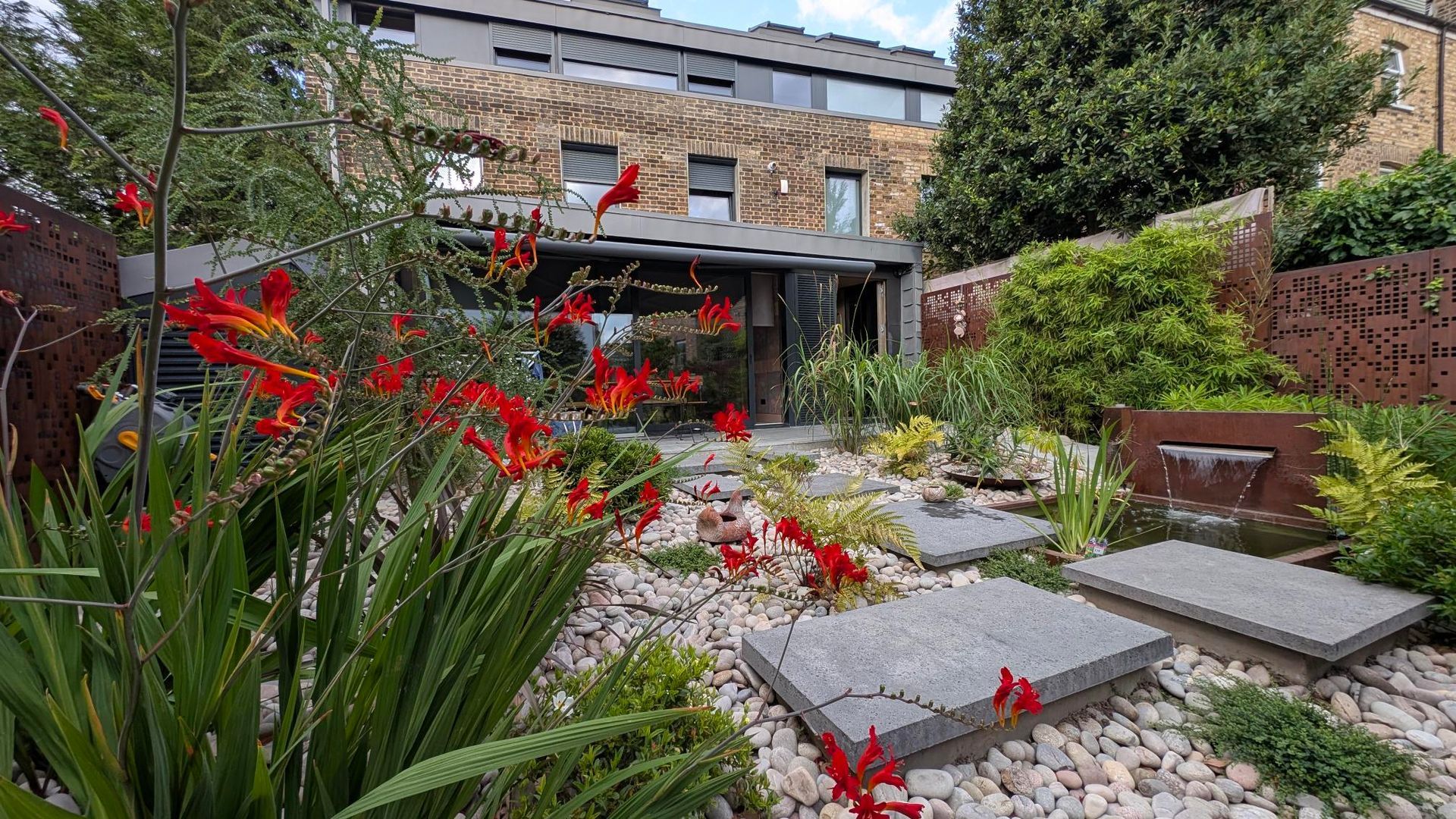
After
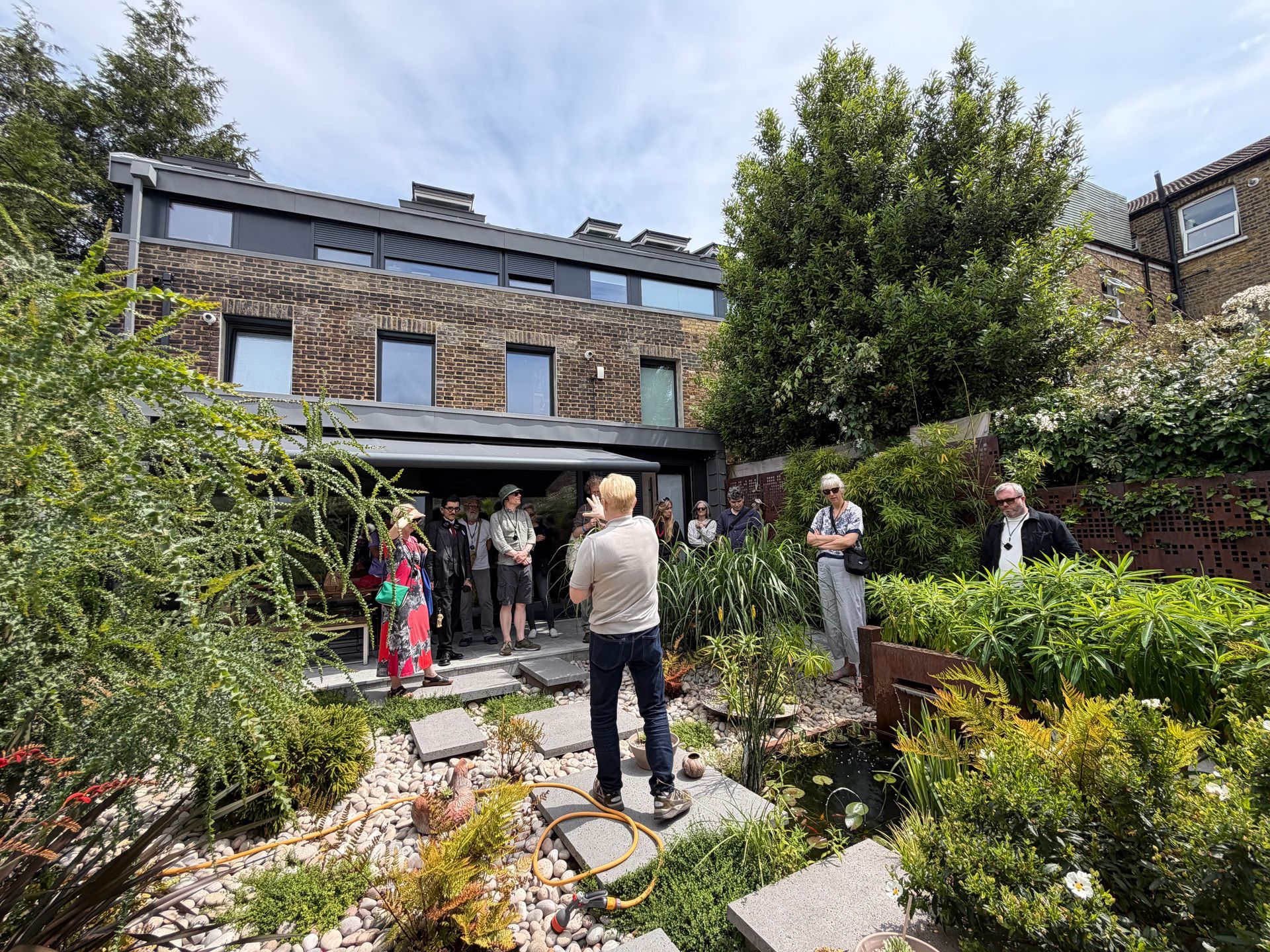
The Old Timberyard
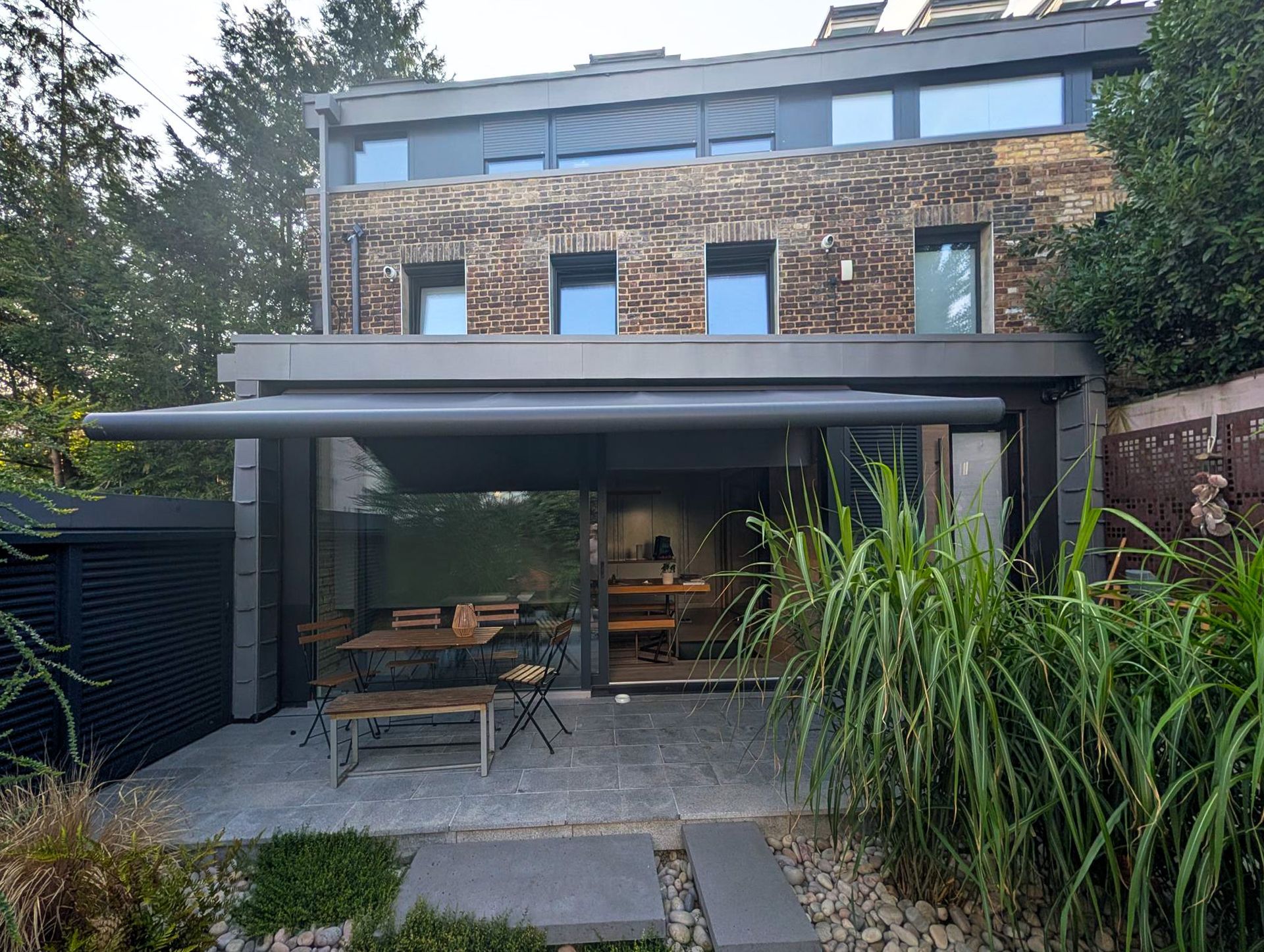
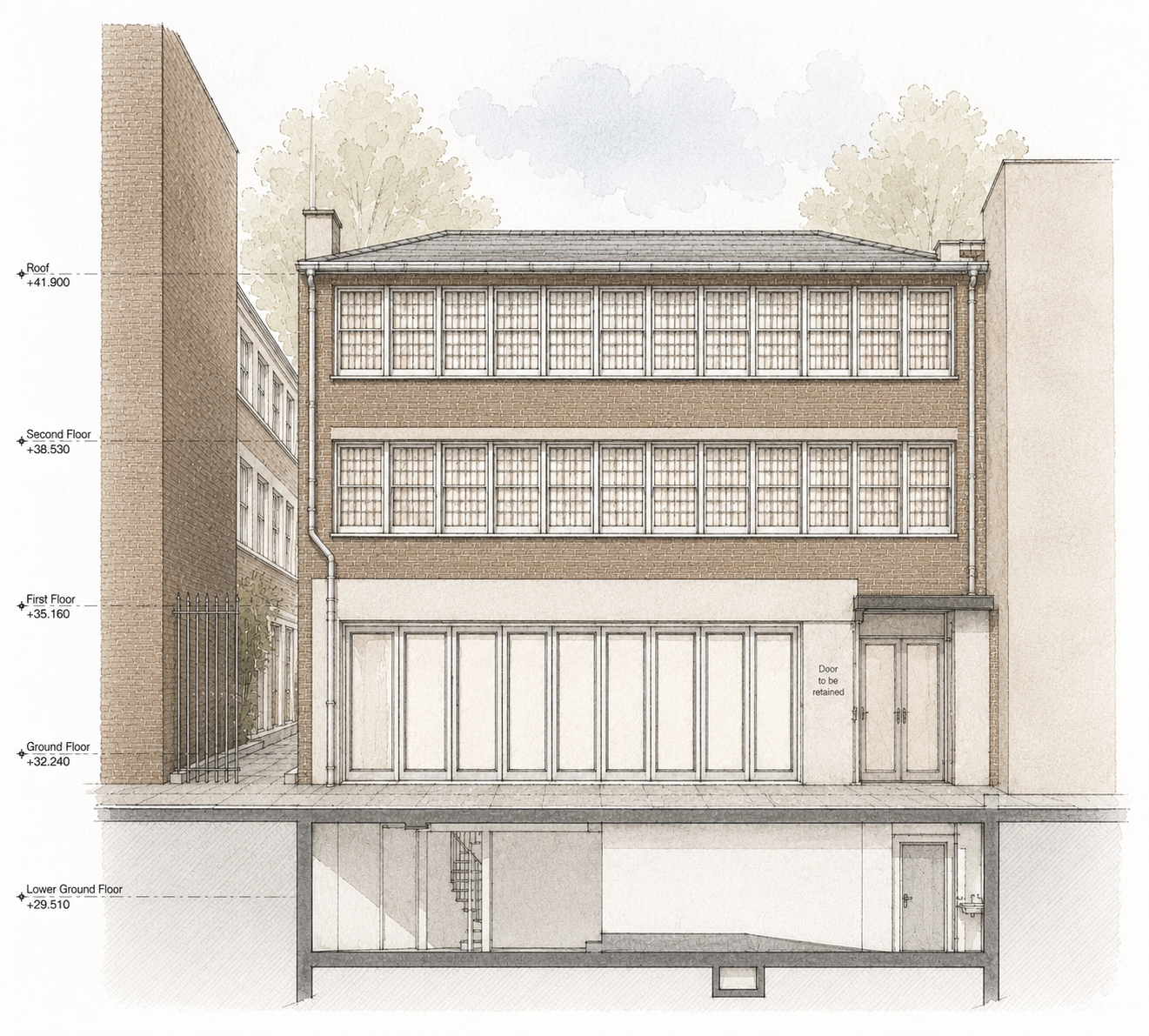
The final stop was The Old Timberyard, the UK's first Passivhaus commercial-to-residential conversion. This former nineteenth-century workshop was transformed into a contemporary family home through an EnerPHit-standard retrofit, retaining its original brick façade and industrial character while introducing a new basement and distinctive zinc barrel-vaulted roof.
Delivered on a tight access site with significant planning and heritage constraints, the project combines a timber-led, low embodied carbon material palette with high-performance insulation and MVHR to create an exceptional low-energy home.
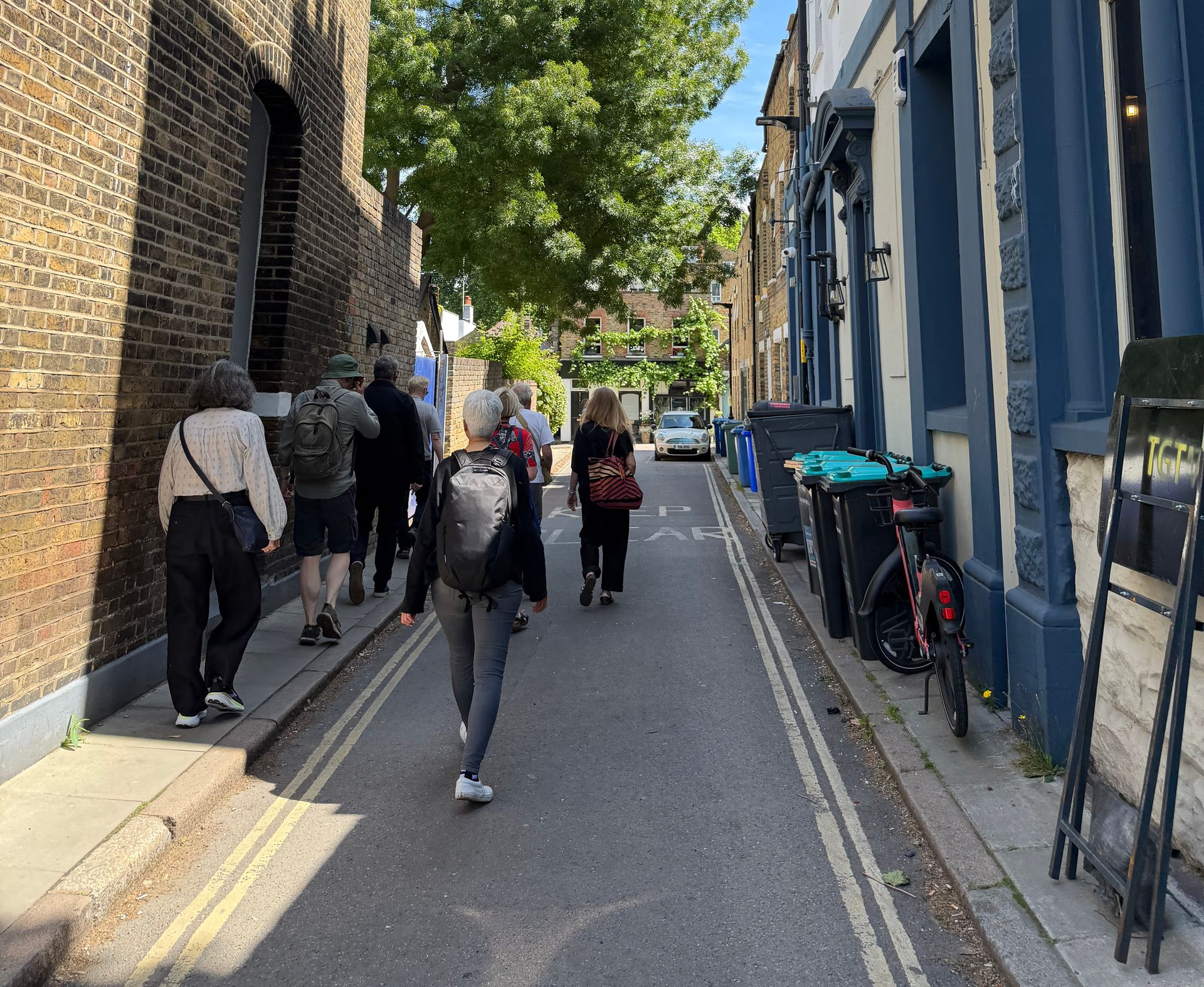
Small Sites, Big Impact
A recurring theme throughout the walk was the opportunity presented by overlooked and challenging urban sites. Each project demonstrates how careful design, sustainability-led thinking and Passivhaus principles can unlock the potential of spaces often considered unsuitable for development.
Thank you to everyone who joined us, and to the NLA and London Festival of Architecture for organising another fantastic programme of events. We look forward to continuing the conversation around sustainable housing, retrofit and the role that small sites can play in shaping the future of London's built environment.
Feeling inspired by what you've seen? Whether you're considering a retrofit, planning an extension, or embarking on a new home project, we'd love to hear about your ideas.
Book a call with Richard to discuss your plans and explore how thoughtful, sustainable design can help bring your vision to life.
Ask an expert
Book a free consultation today with Richard Dudzicki, RDA's director, founder and lead architect.
Ease your mind and take the first step towards your future home with confidence. No commitment, flexible timings.