
How working with a qualified architect can save you stress, money and regret
Thinking about renovating your home? Don’t do it alone. We will be explaining how working with an architect rather than just a construction team alone can help you save potential future costs to your project.

A big renovation can be exciting, but overwhelming. Costs can spiral, timelines shift and without the right advice, costly mistakes can sneak in. This is where we come in.

What is a RIBA Chartered Architect?

At RDA Architects, we are RIBA Chartered Architects. RIBA (the Royal Institute of British Architects) is the UK's professional body for architects, setting the gold standard for architectural practice. This means when you work with RDA, you're partnering with professionals who have proven their expertise and commitment to maintaining the highest standards in architecture. But more importantly, we help homeowners like you get the most out of your budget and avoid the kind of problems that can turn a dream project into a nightmare.

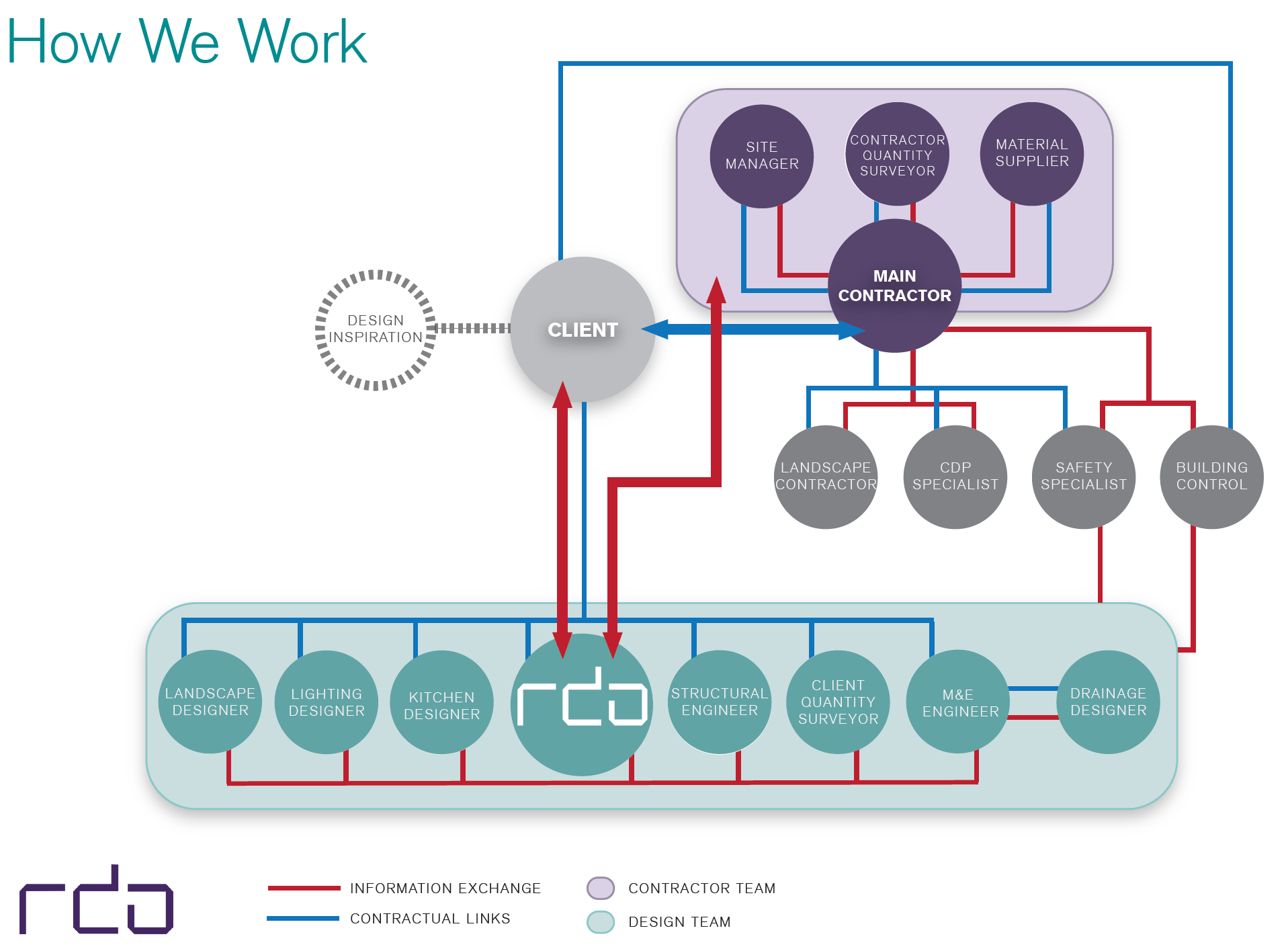
As shown in the diagram below, RDA (the architect) plays a central role in your project, acting as the hub for information exchange and coordination between the client, design team, and contractor team. We work closely with the specialists, engineers, and contractors to develop and communicate the design, ensuring your vision is realised efficiently and within budget, while helping you avoid the common pitfalls that can derail a project.

 
Case study: Connected House – RDA Architects

Smart Design That Changed Everything


For our Connected House project, we worked with a family who weren’t sure if hiring a RIBA Chartered Architect was necessary or worth the cost. But once we got involved, things changed quickly. 


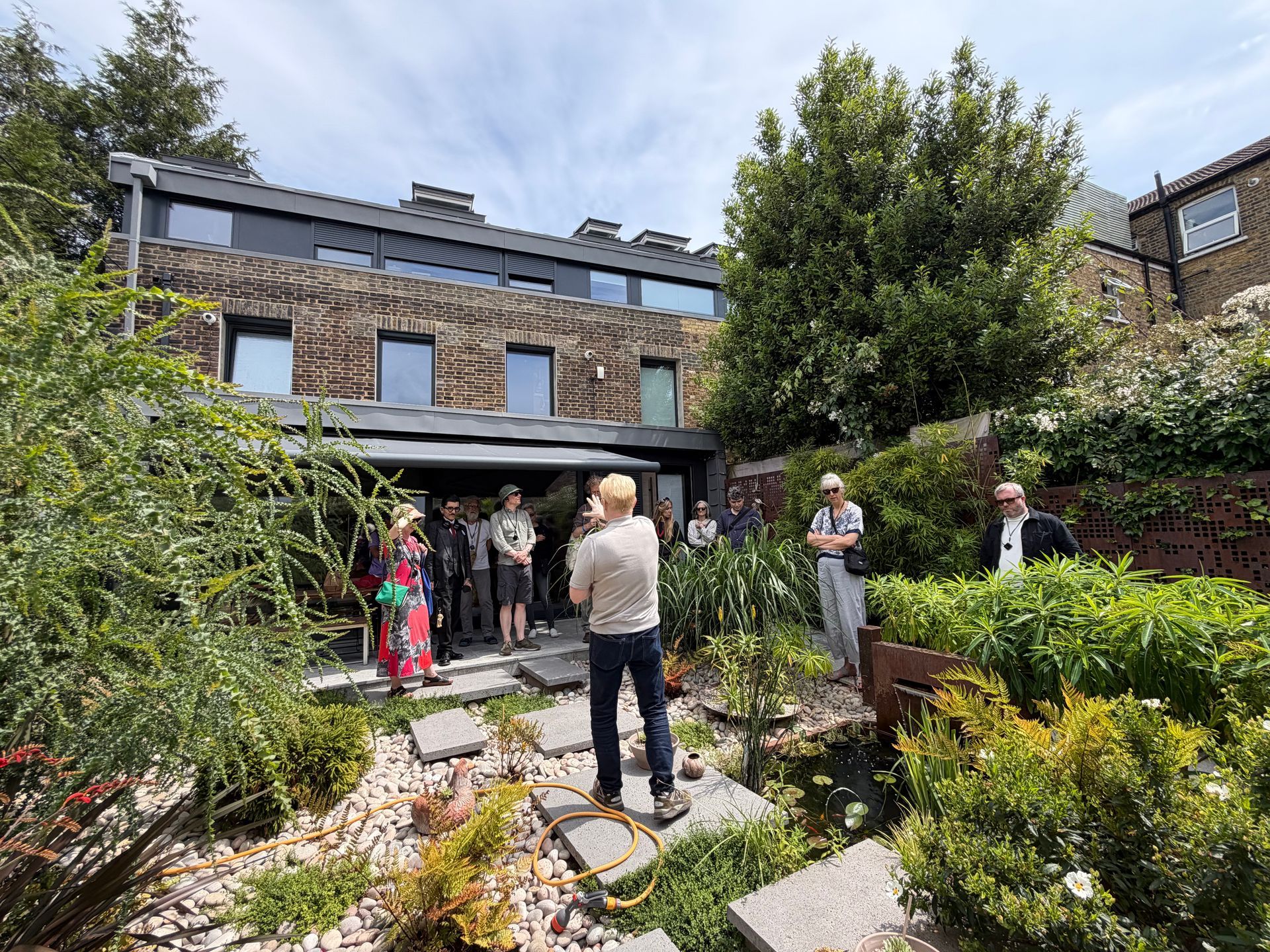
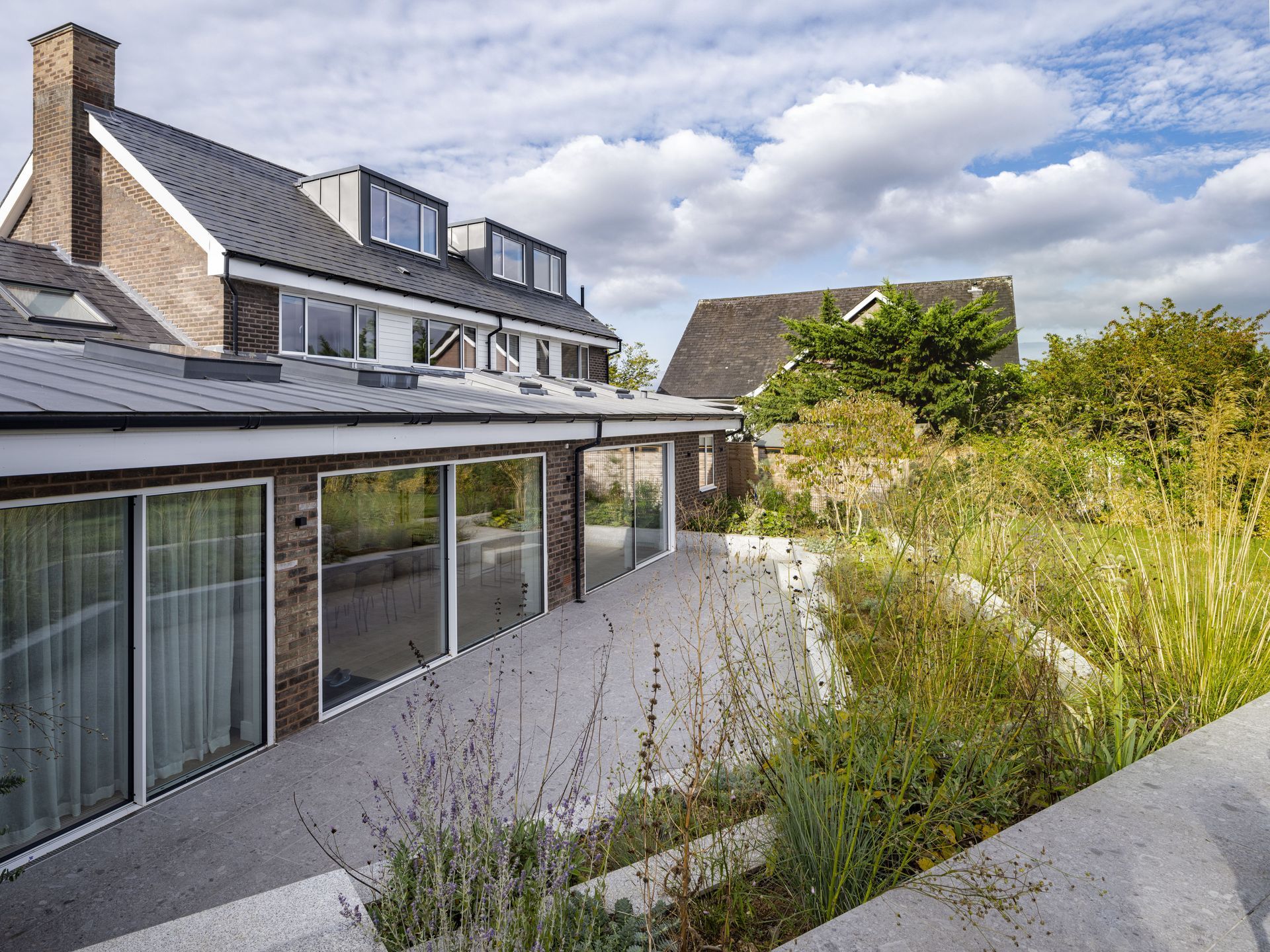
We redesigned their home layout to bring in more natural light and improve how the space flowed from room to room. By excavating the garden level and opening up the rear of the home, we connected the inside with the outdoor space, transforming an awkward slope and dated extension into bright, usable living areas. 


On top of that, we suggested energy-saving upgrades, such as better insulation, triple glazing, and airtight construction, which drastically cut their energy use. With renewable systems like solar tiles, an air-source heat pump, and battery storage in place, their home now runs on 100% renewable energy, has slashed its carbon emissions by 92%, and costs next to nothing to run now. 


These smart decisions weren’t about making things look fancier, they were about designing a home that truly works better for the people living in it.


Cost vs Value: Spend smarter, not just more


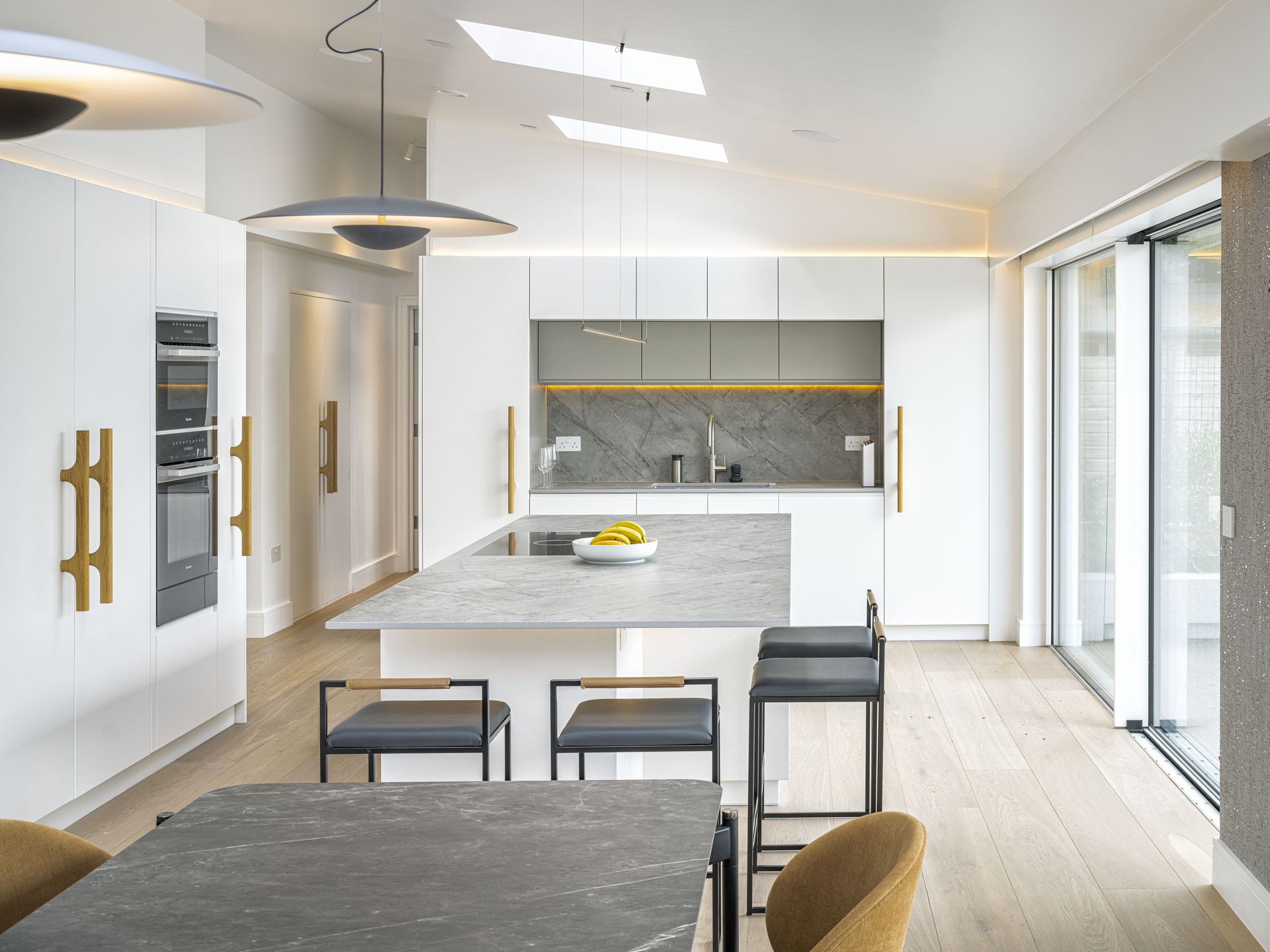
As part of the same Connected House renovation, we took a closer look at their kitchen plans. The family originally wanted to keep costs low with basic materials and fittings. But we showed them how investing slightly more in key areas, like energy-efficient appliances and higher-quality finishes, would actually save them money in the long run. 


We also introduced natural, bio-based materials like cellulose insulation and low-VOC finishes, which are used to improve indoor air quality and overall health. With durable materials and careful detailing, their kitchen is now built to last, with fewer future repairs to worry about. 


The end result? A beautiful, efficient kitchen that feels great to live in and adds long-term value to their home.


We identify problems before they cost you


One of the biggest ways we add value is by spotting problems early, before they become expensive. During the Connected House project, the family planned a large extension. In our initial checks, we discovered structural issues that could have cost them thousands if they’d gone unnoticed. 


By acting early, they avoided major delays and serious extra costs. Instead of demolishing and rebuilding, we proposed a retrofit approach that not only avoided the heavy expense but also kept the home’s structure intact and improved its energy efficiency. 


It’s a great example of how early design input and smart thinking can prevent expensive mistakes and deliver a home that’s stronger, greener, and more future-proof.



Why it pays to have a professional on your side 


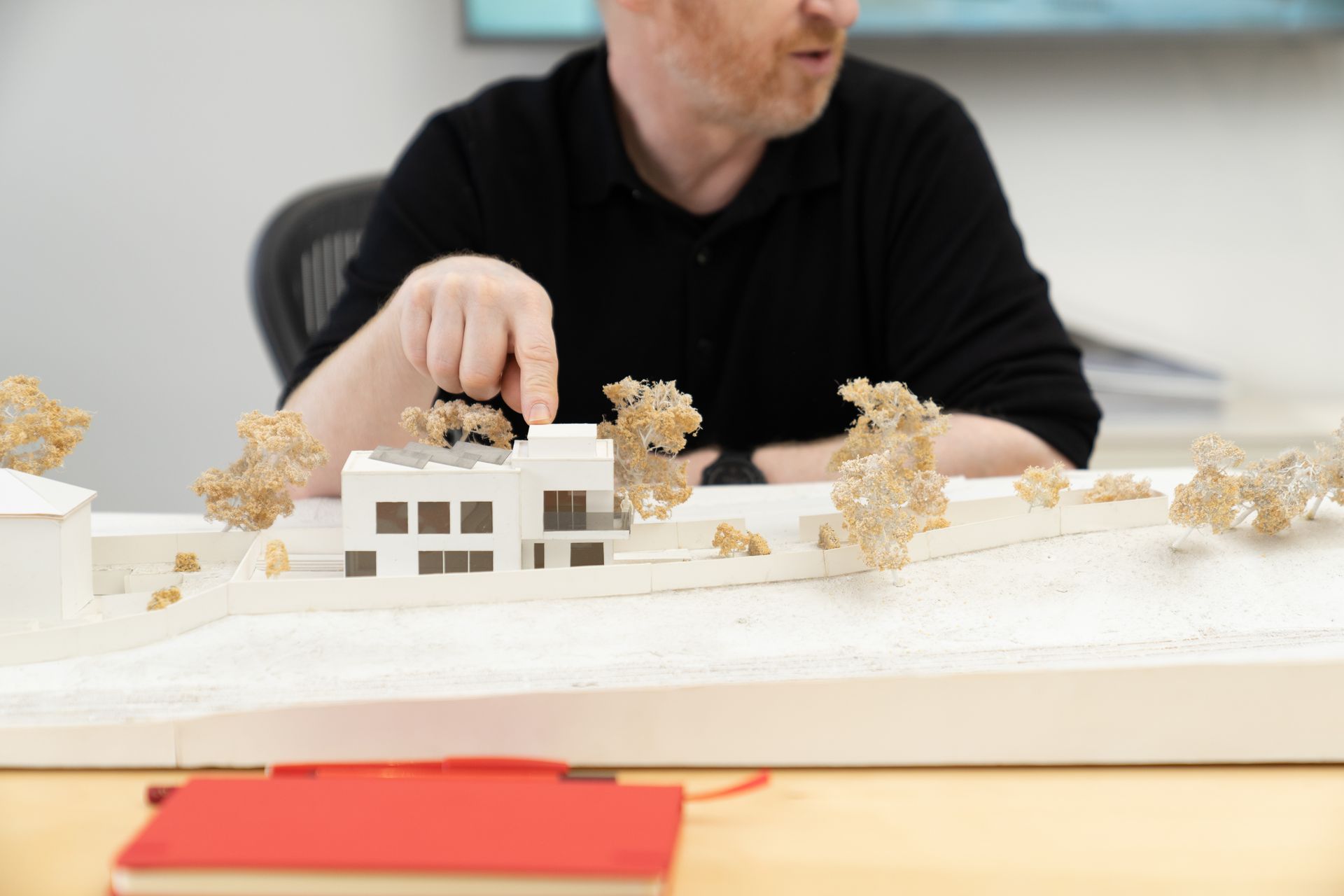
Here’s what you really get when you work with a RIBA Chartered Architect like us:


• Smart design that improves how your home works

• Honest advice on where to spend (and where to save)

• Help navigating local rules and planning approvals

• A focus on energy efficiency and long-term value

• Peace of mind knowing someone is looking out for your best interest


Let’s bring your renovation vision to life


Renovating your home is a big step, and it should feel exciting, not stressful. When you work with RDA Architects, you’re not just getting design ideas, you’re getting a clear plan, expert guidance, and someone who’s thinking three steps ahead so that your project can run smoothly. 


Let’s create a home you’ll love to live in, and be proud to call your own.


Book a consultation with Richard today

Recent Blogs

By Richard Dudzicki March 10, 2026
On 25 March, Richard will be speaking at NLA’s Coffee Conversation about how London’s most constrained and overlooked sites can play a role in addressing both the housing crisis and the climate emergency. Across the city, small and fragmented plots are often dismissed as too difficult to develop. Backland sites, former garages and leftover spaces within established neighbourhoods are frequently overlooked by conventional development models. Yet collectively they represent a significant and largely untapped opportunity.
By Richard Dudzicki March 3, 2026
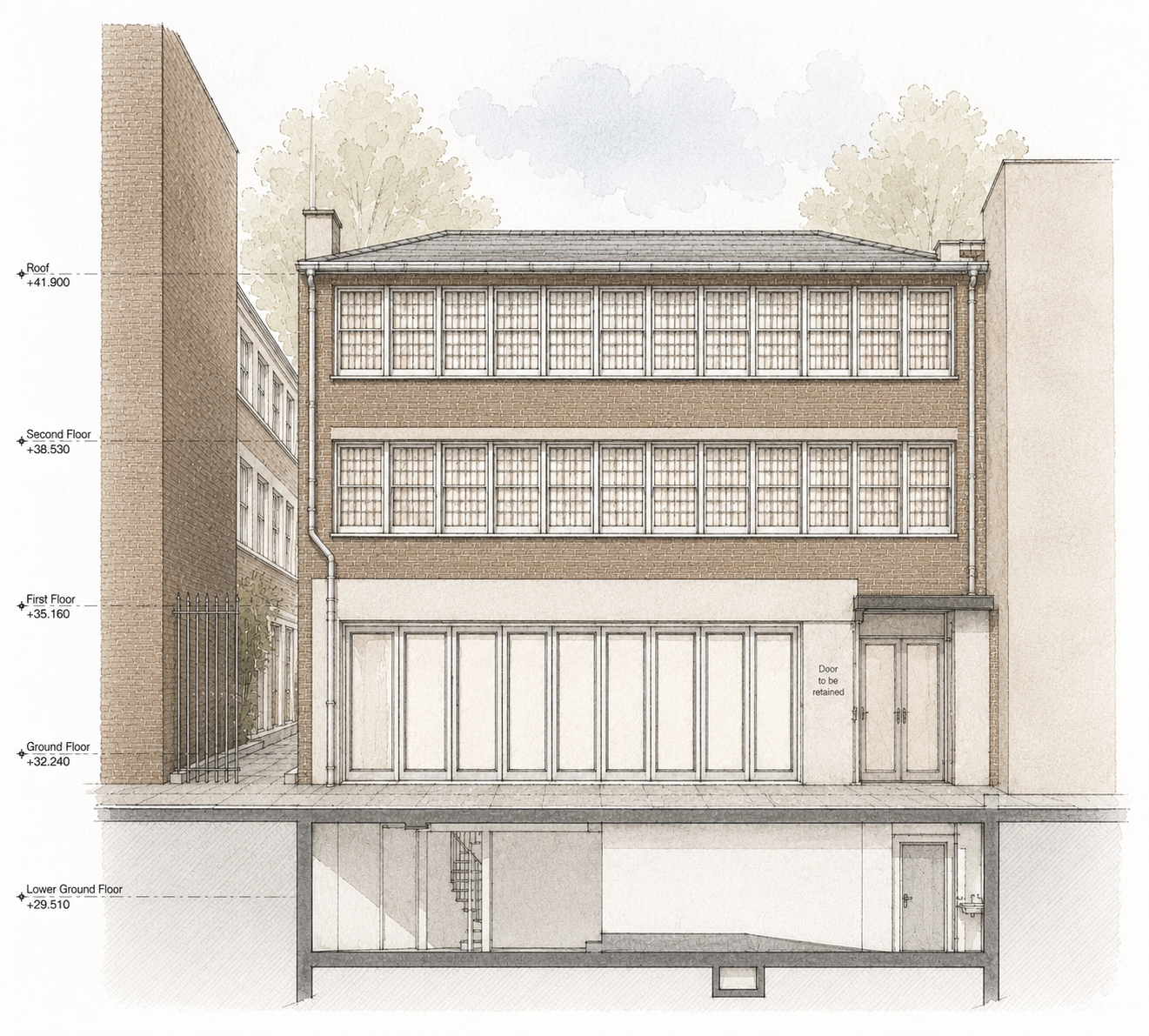
There is a particular responsibility that comes with working on an existing building. The Old Timberyard , a former Victorian workshop, offered the opportunity to demonstrate how careful retrofit can honour heritage whilst delivering genuine long-term performance. Behind its retained brickwork and historic fabric sits a carefully executed EnerPHit upgrade. This was not about surface improvements, but a rigorous, fabric-first transformation, reworking a cold, underperforming structure into a comfortable, resilient and low-energy building fit for contemporary use.
By Richard Dudzicki March 3, 2026
Three weeks ago, Heather Faulding and I had the pleasure of presenting at the NLA’s technical briefing on Retrofit and Reuse a CPD-certified webinar on low-energy & high-performance buildings. It was a fantastic session spotlighting some of the most innovative retrofit work. Heather shared her incredible project for Daily Paper in New York: a powerful example of creative reuse, transforming a crumbling structure using over 7,500 soda cans crafted by local communities. The shimmering façade reflected not only light but the heritage of African beadwork a story of culture and circularity woven into architecture.

Ask an expert


Book a free consultation today with Richard Dudzicki, RDA's director, founder and lead architect.


Ease your mind and take the first step towards your future home with confidence. No commitment, flexible timings.
Book now
By Richard Dudzicki March 10, 2026
On 25 March, Richard will be speaking at NLA’s Coffee Conversation about how London’s most constrained and overlooked sites can play a role in addressing both the housing crisis and the climate emergency. Across the city, small and fragmented plots are often dismissed as too difficult to develop. Backland sites, former garages and leftover spaces within established neighbourhoods are frequently overlooked by conventional development models. Yet collectively they represent a significant and largely untapped opportunity.
By Richard Dudzicki March 3, 2026
There is a particular responsibility that comes with working on an existing building. The Old Timberyard , a former Victorian workshop, offered the opportunity to demonstrate how careful retrofit can honour heritage whilst delivering genuine long-term performance. Behind its retained brickwork and historic fabric sits a carefully executed EnerPHit upgrade. This was not about surface improvements, but a rigorous, fabric-first transformation, reworking a cold, underperforming structure into a comfortable, resilient and low-energy building fit for contemporary use.
By Richard Dudzicki March 3, 2026
Three weeks ago, Heather Faulding and I had the pleasure of presenting at the NLA’s technical briefing on Retrofit and Reuse a CPD-certified webinar on low-energy & high-performance buildings. It was a fantastic session spotlighting some of the most innovative retrofit work. Heather shared her incredible project for Daily Paper in New York: a powerful example of creative reuse, transforming a crumbling structure using over 7,500 soda cans crafted by local communities. The shimmering façade reflected not only light but the heritage of African beadwork a story of culture and circularity woven into architecture.
By Richard Dudzicki February 13, 2026
We’re excited to share our refined Project Planning Pack, designed to support anyone preparing to embark on a design or building project. Planning ahead is one of the most important steps in ensuring a successful project . This clear, easy-to-follow resource helps you reduce risk , improve your design outcomes, and gain a better understanding of costs and the architect’s role in the process. It also introduces core design principles and provides tools to assess where you’re at before you begin, giving you confidence in every decision. Whether you’re a first-time homeowner, an experienced developer, or simply exploring ideas for a renovation or new build, this pack is an essential companion for your project journey. What’s included: • A structured framework to plan and organise your project • Guidance on core design principles • Insights into costs and the architect’s role • Tools to assess your project readiness We’ve refined this pack to be practical, user-friendly, and aligned with real-world architectural practice. Our goal is to give you clarity, reduce uncertainty, and make the design process as smooth as possible . Access the full Project Planning Pack here: