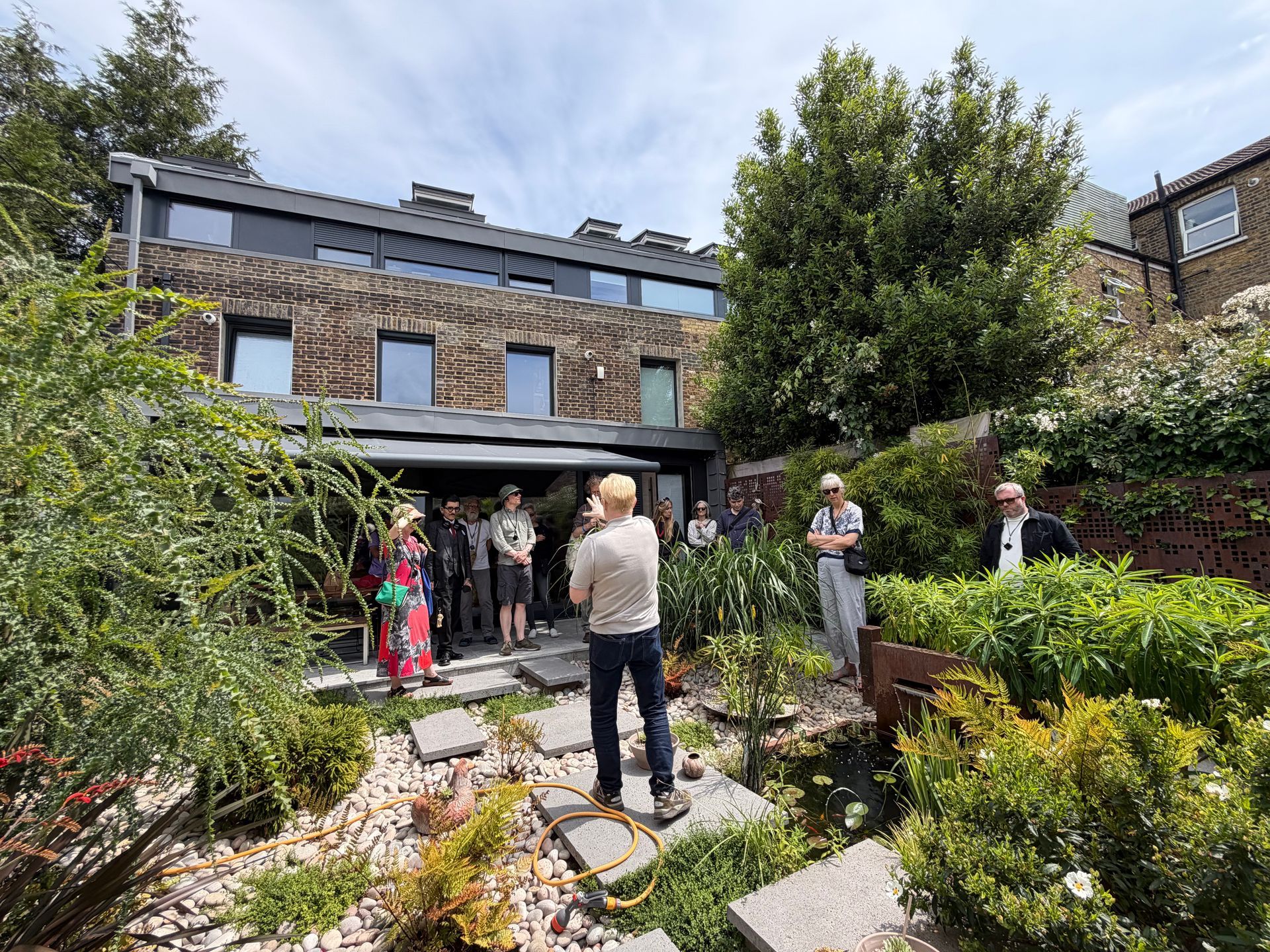

RDA at the Passivhaus Trust Awards 2023

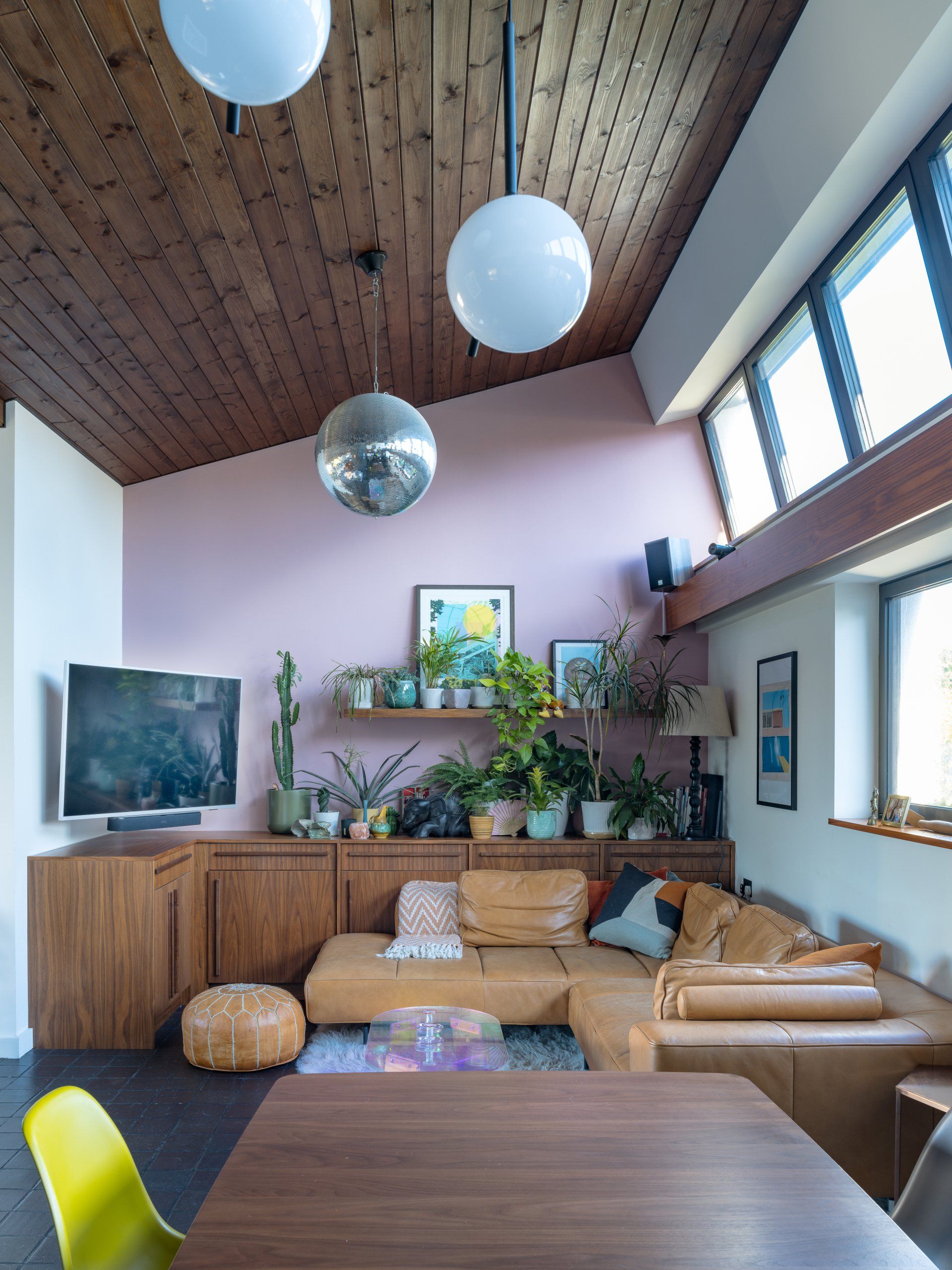
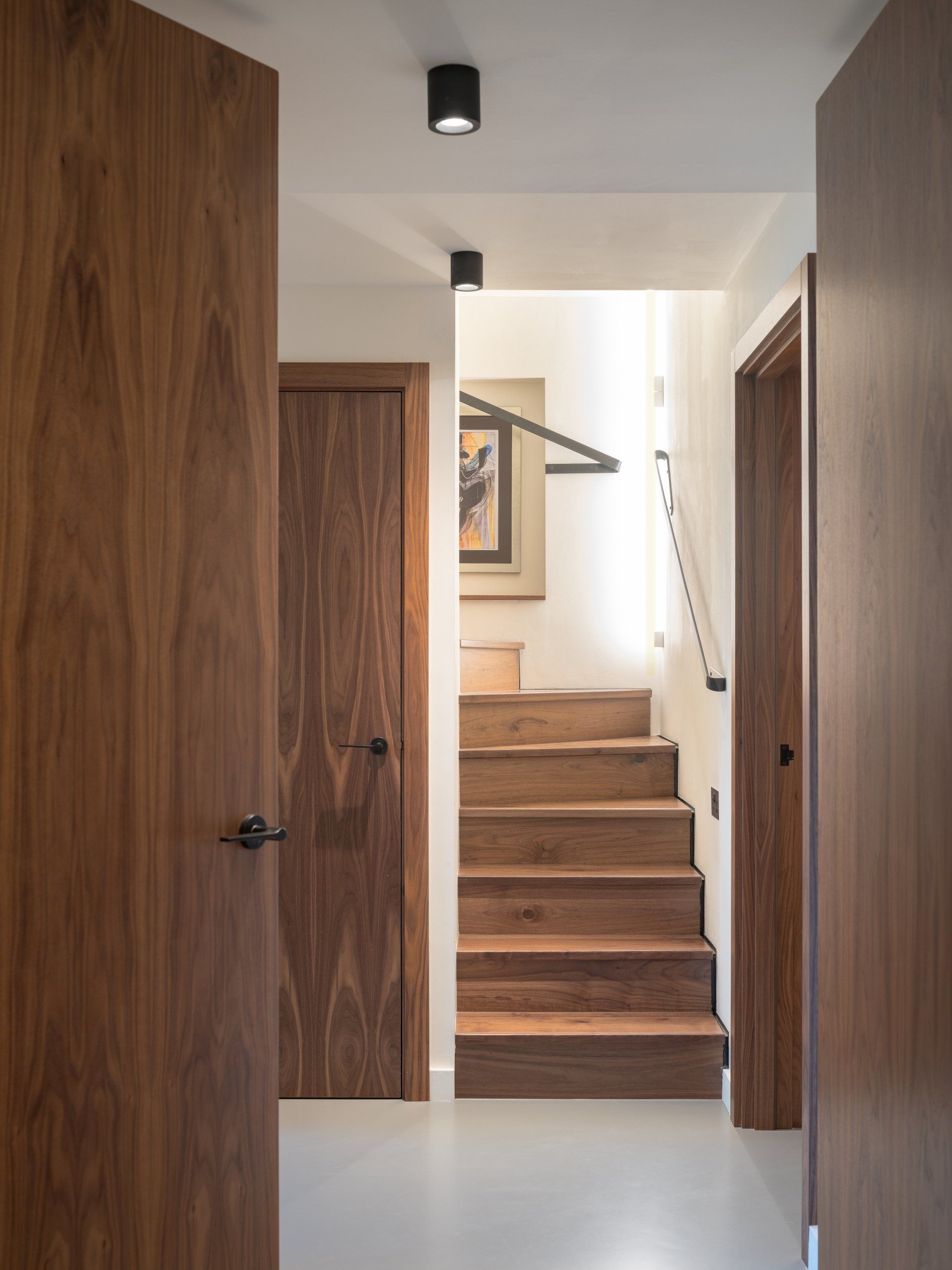
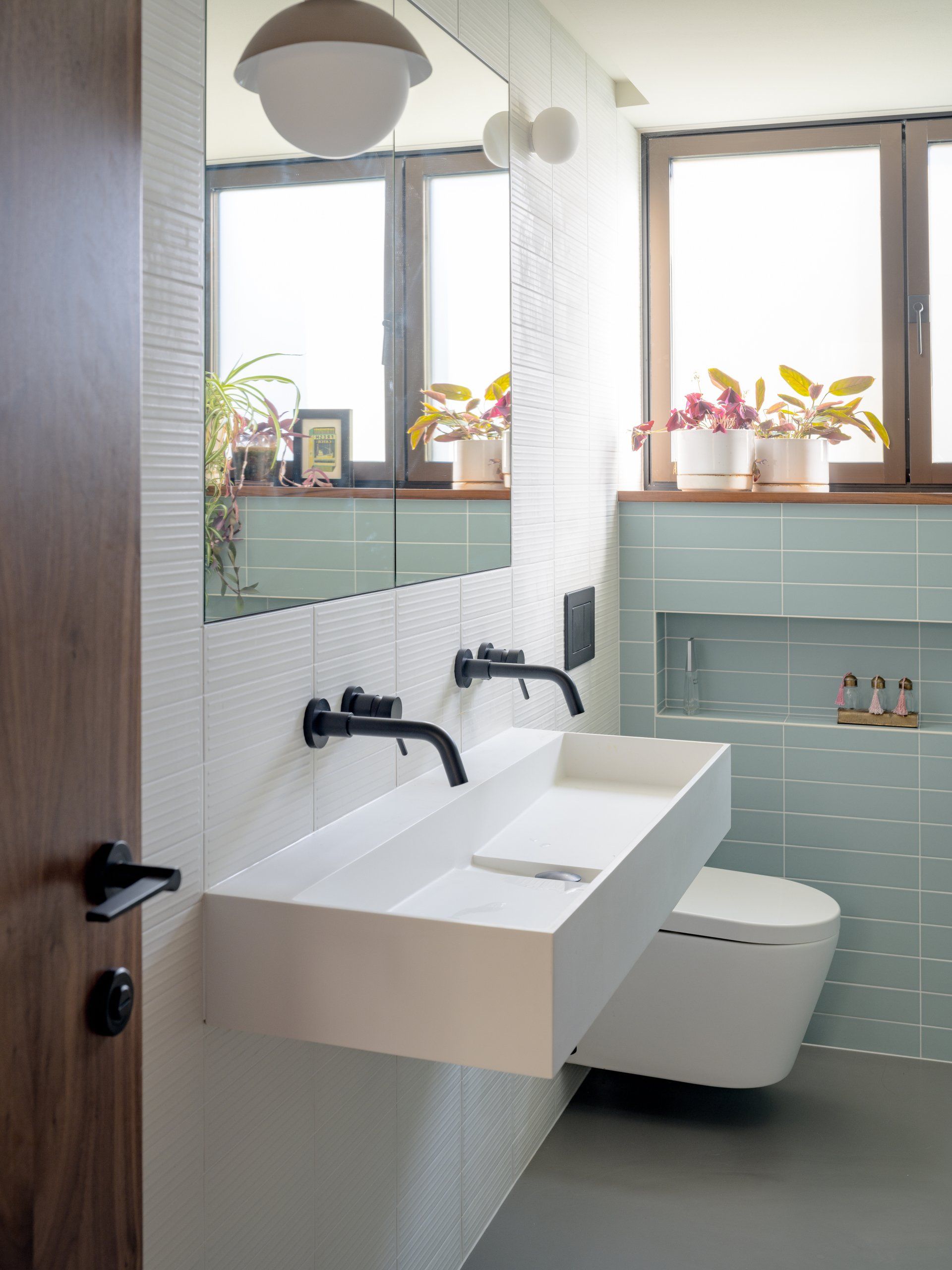
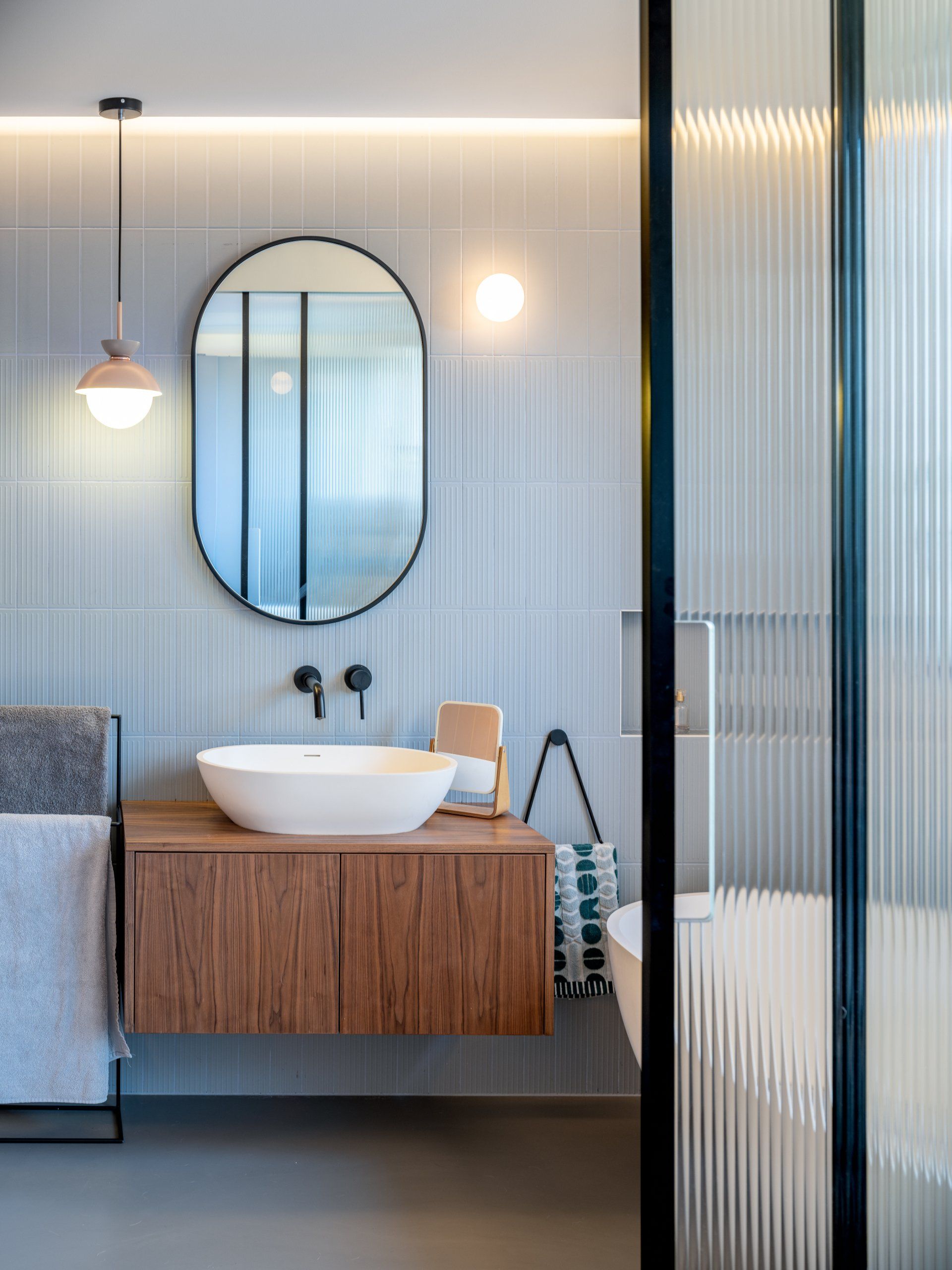
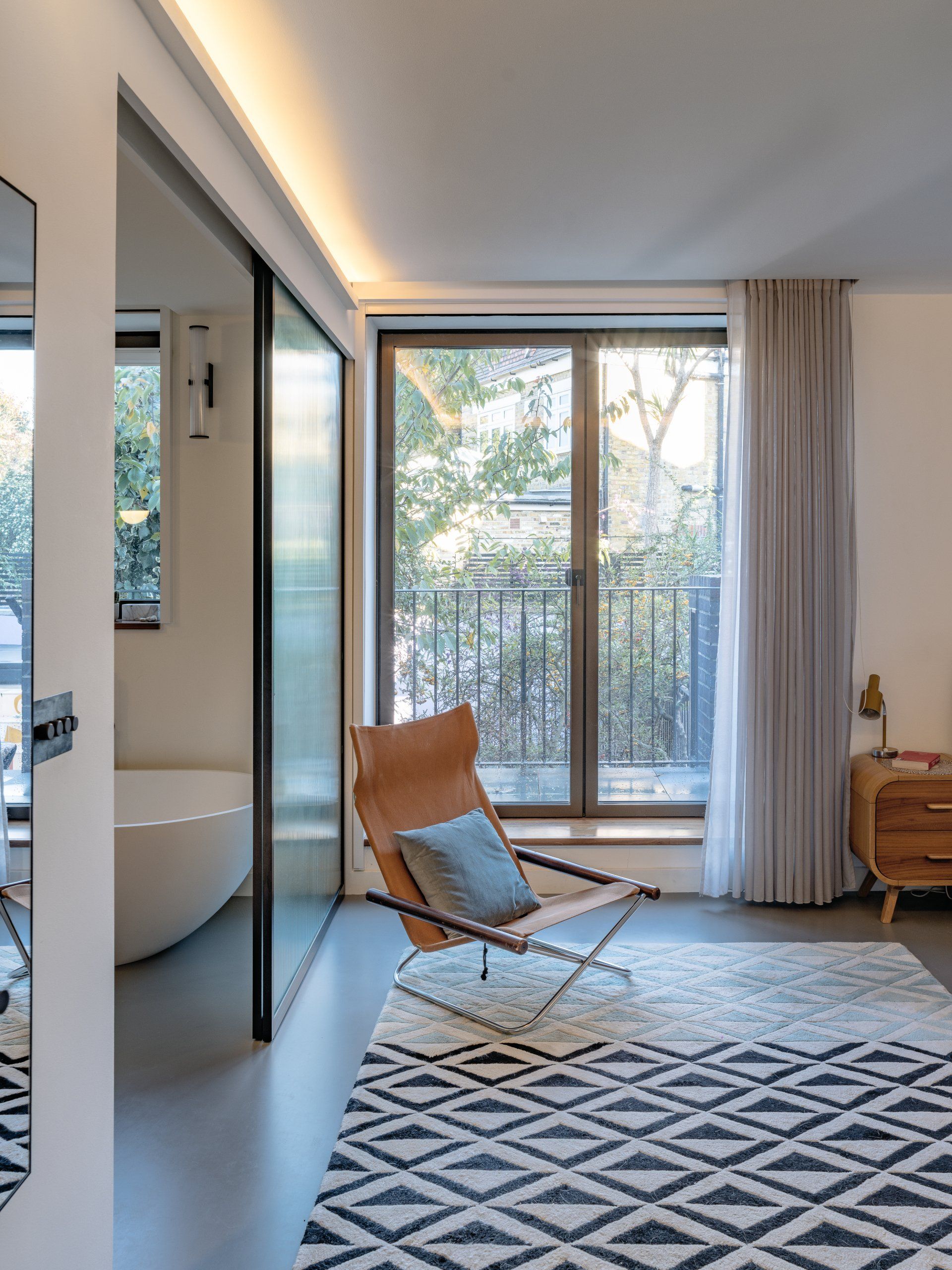
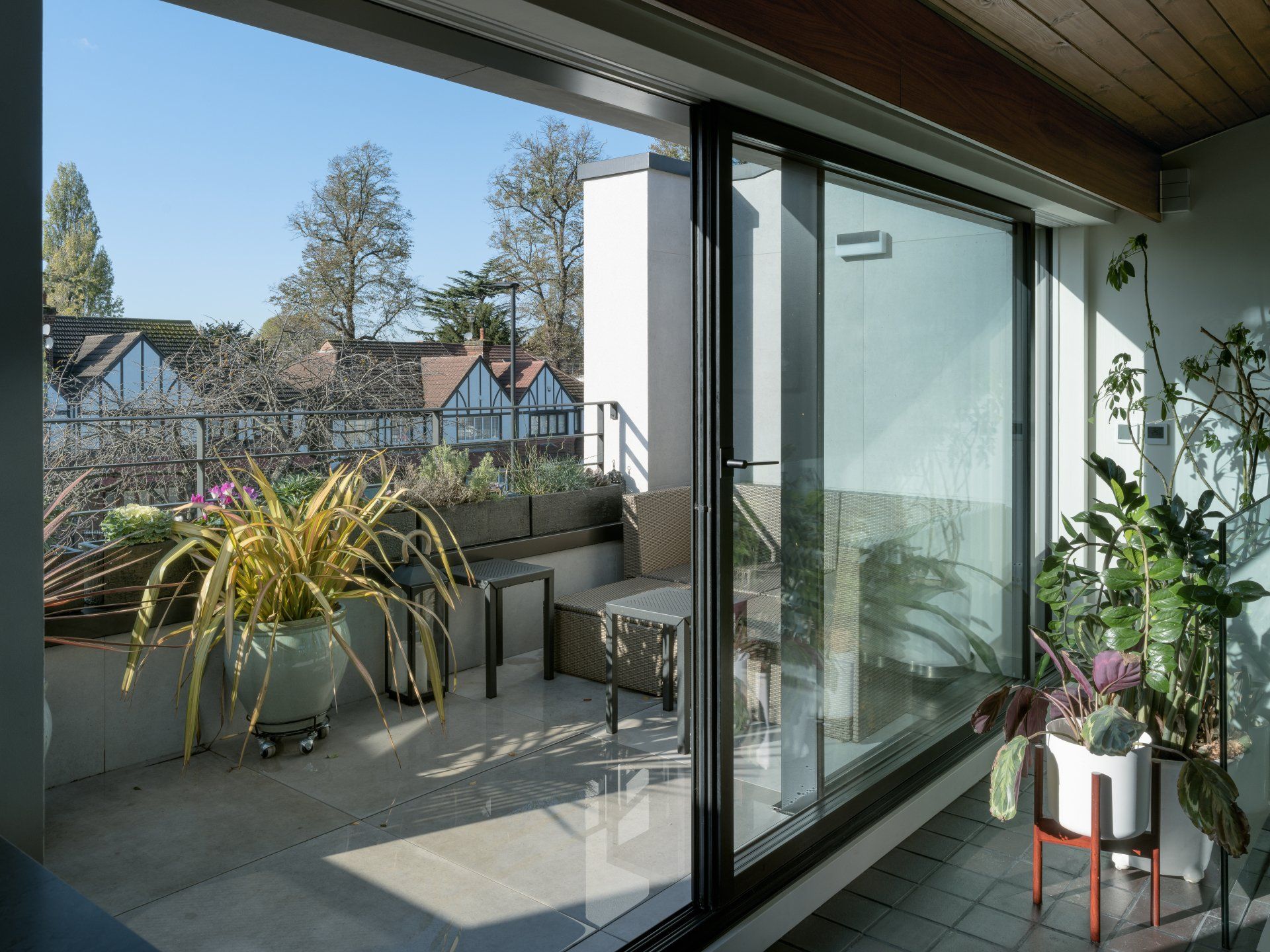
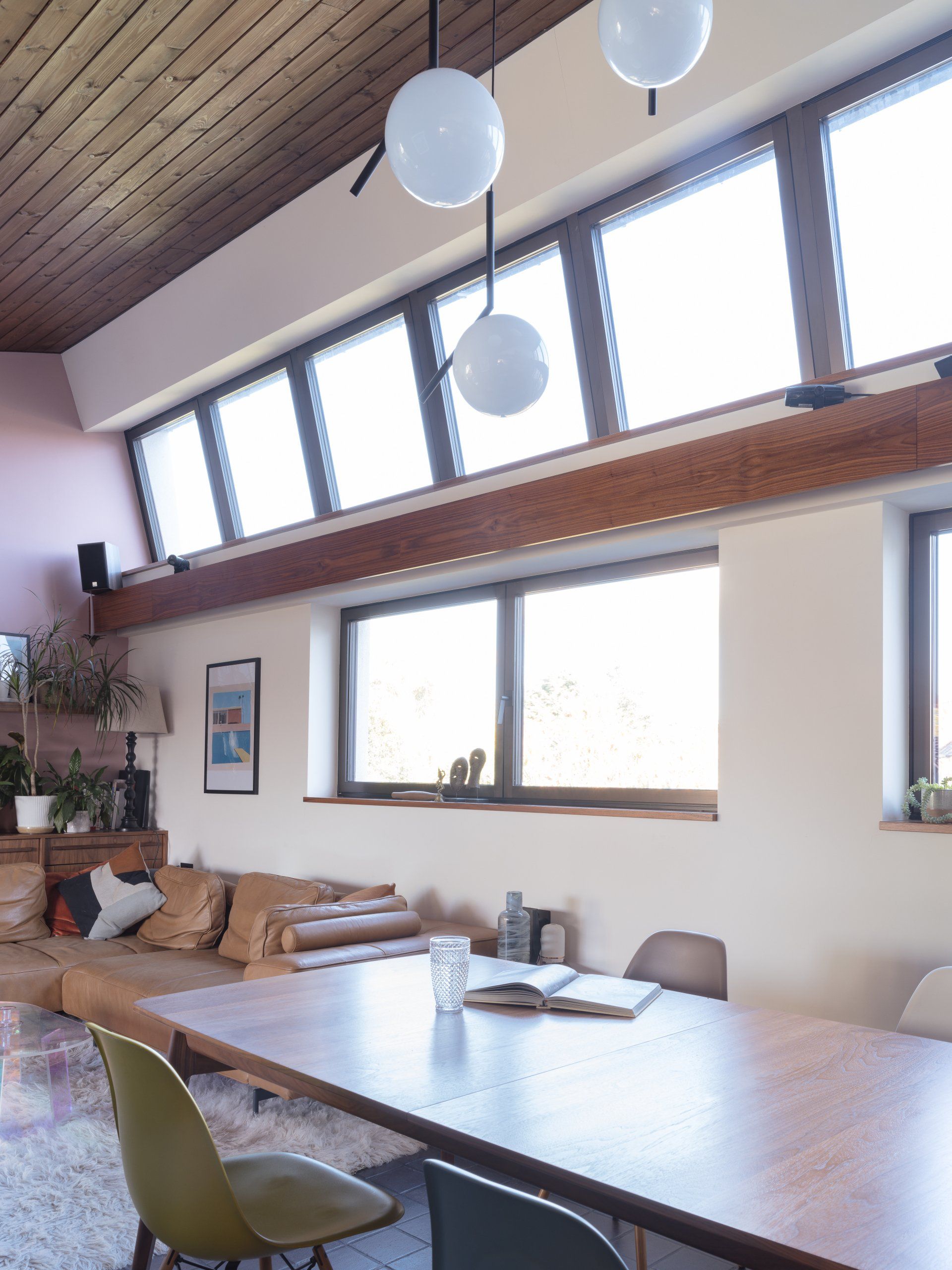
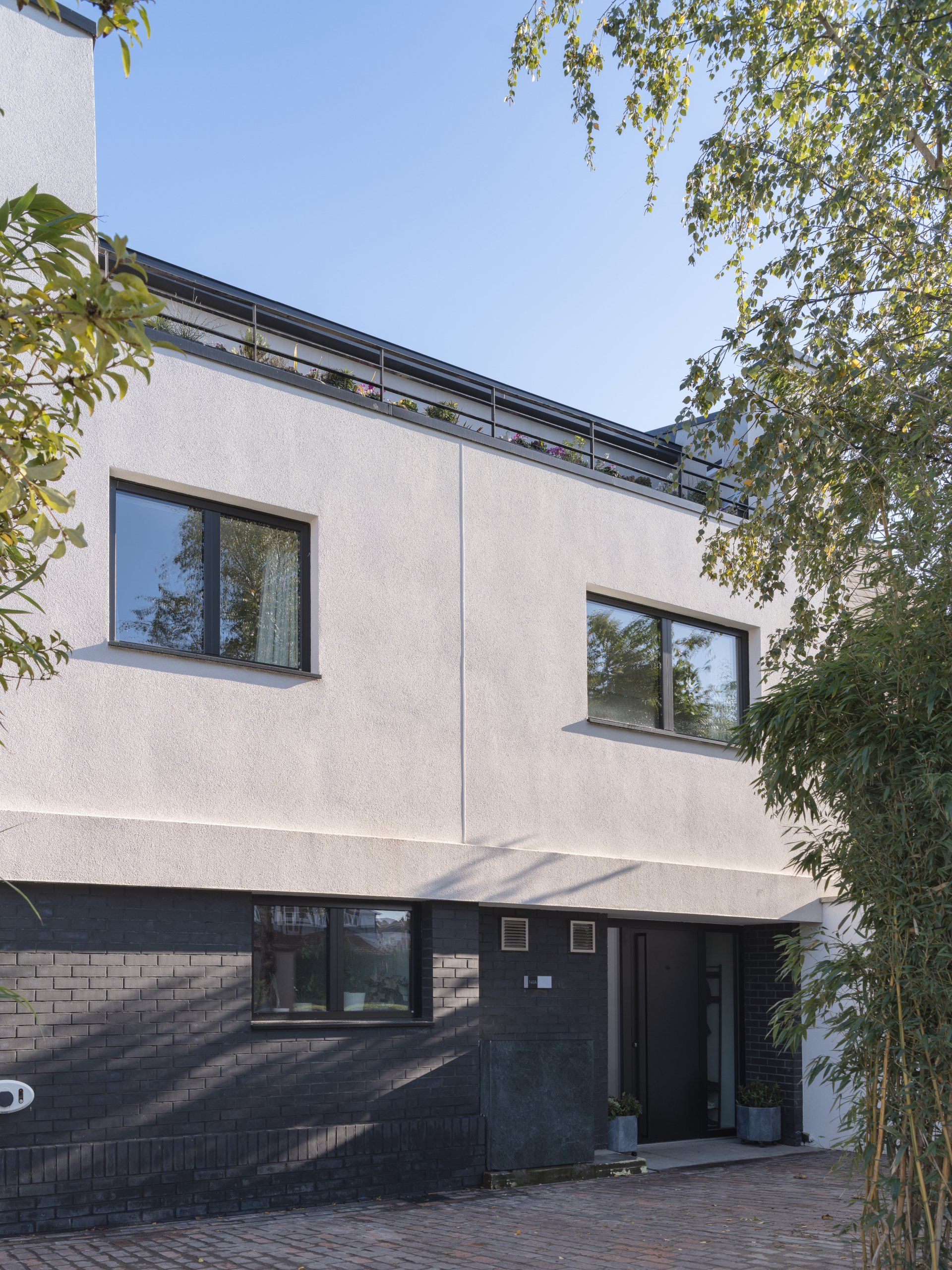
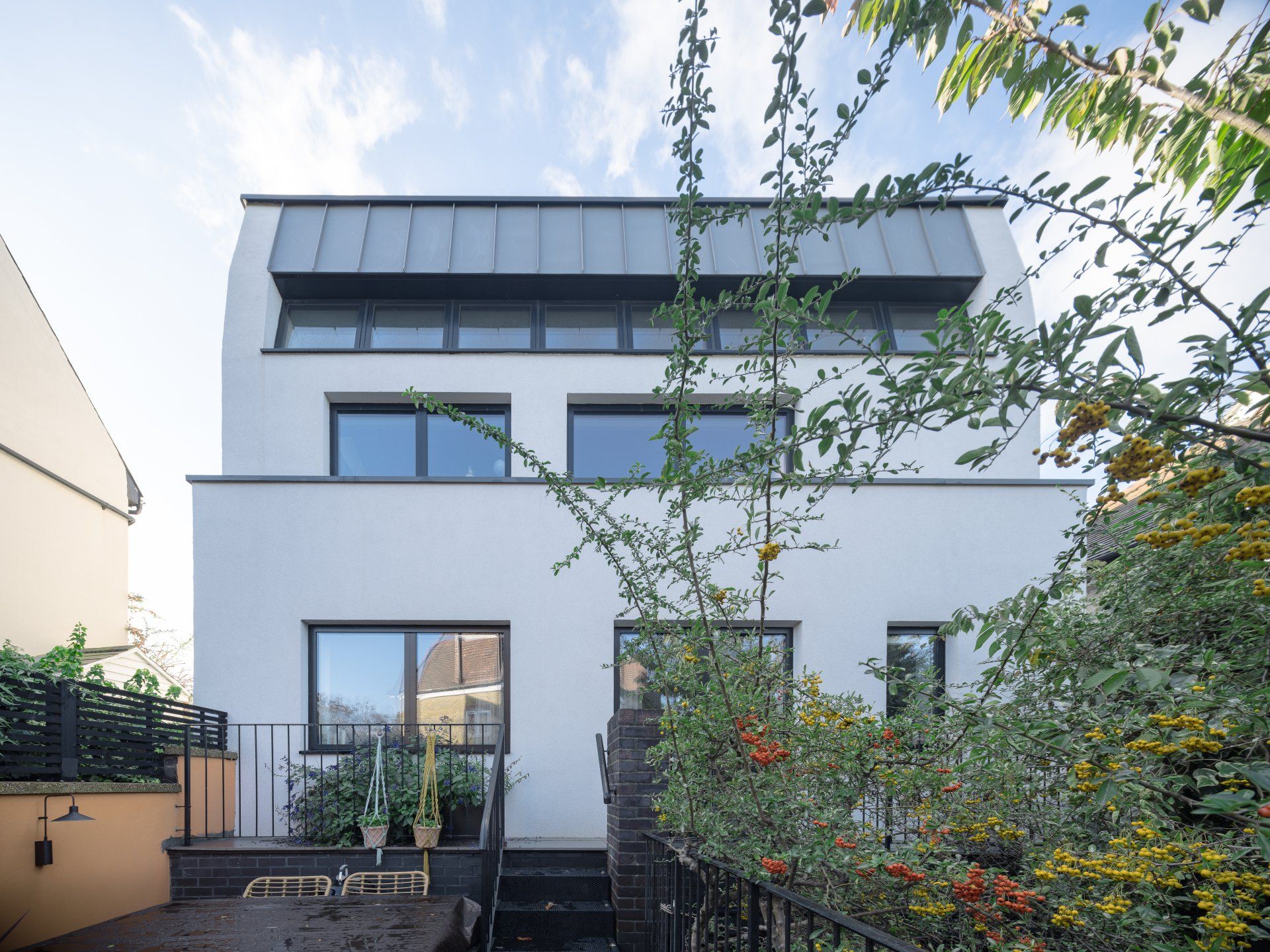
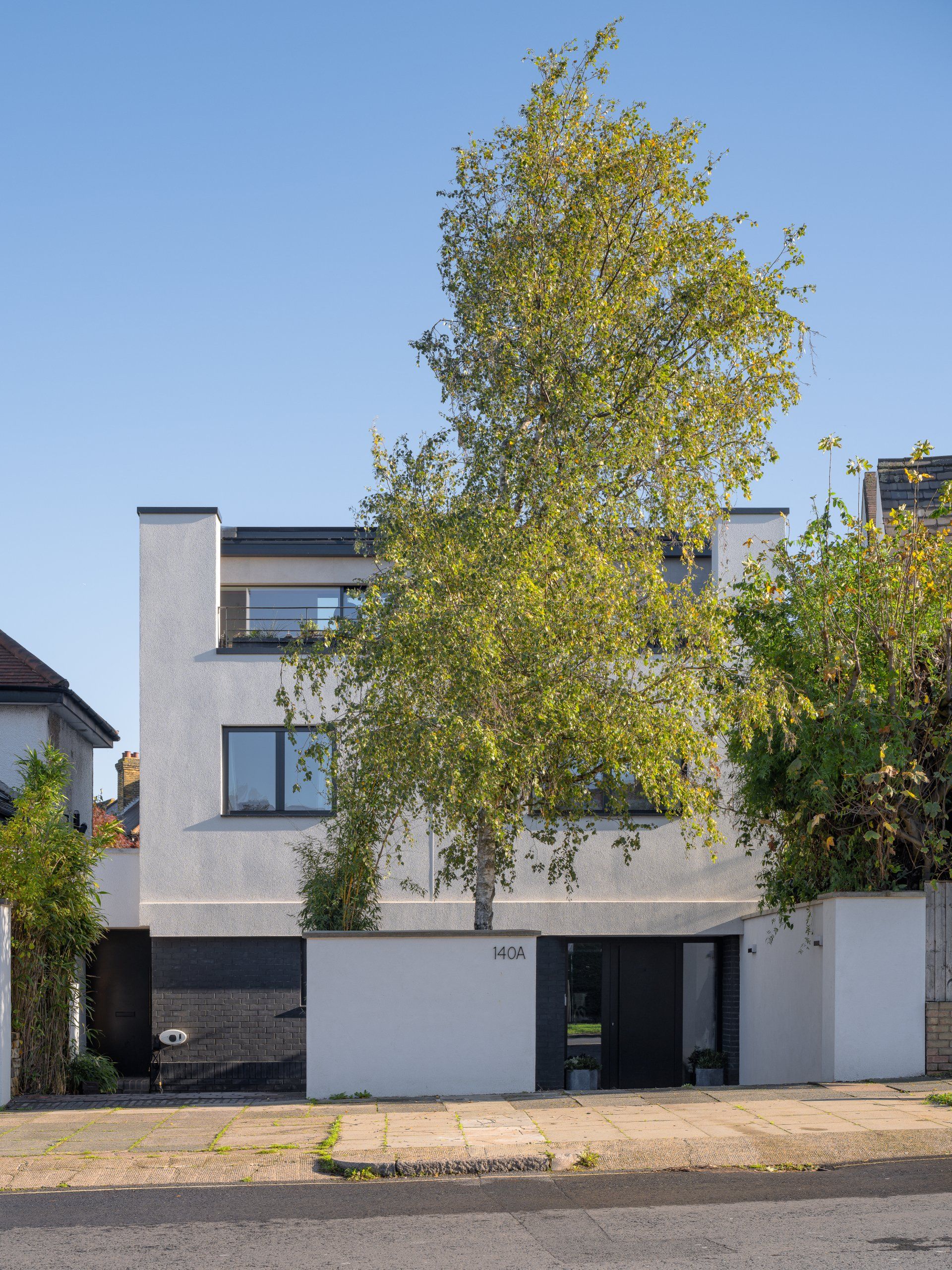
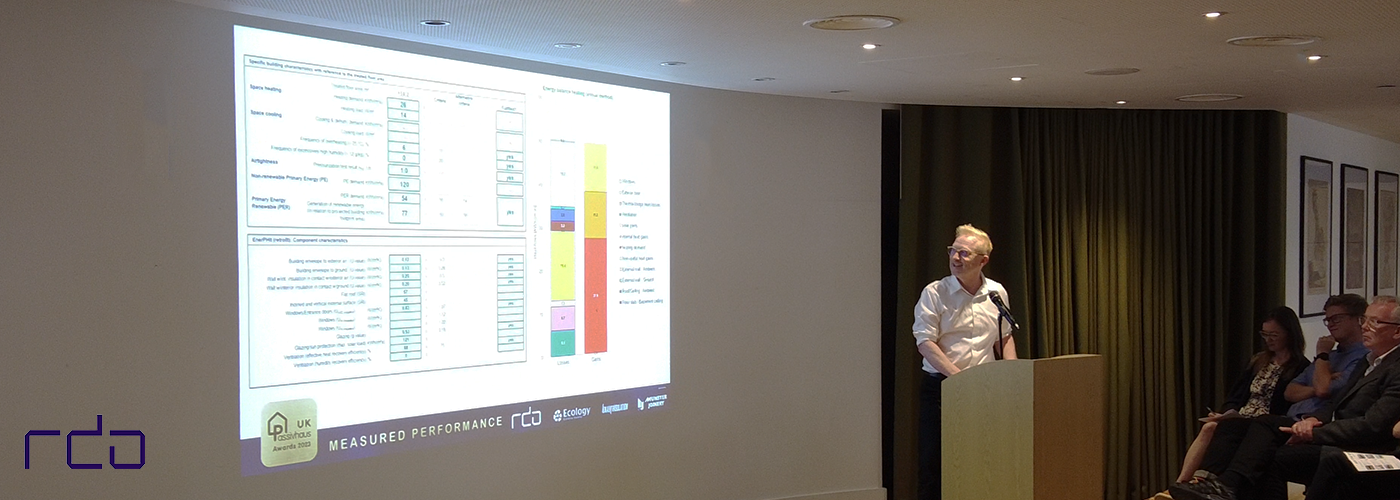
Our latest Enerphit project was a finalist at this year’s Passivhaus Trust Awards. Richard Dudzicki presented in front of a panel of the UK's leading experts in the Passivhaus movement. Modernist Enerphit was a finalist in the Residential Retrofit Category, which was so fierce in competition the panel decided to have four entries instead of the standard three. Time was tight but we were happy to showcase the exciting projects we worked on.


Congratulations to all other Finalists and the Winners.
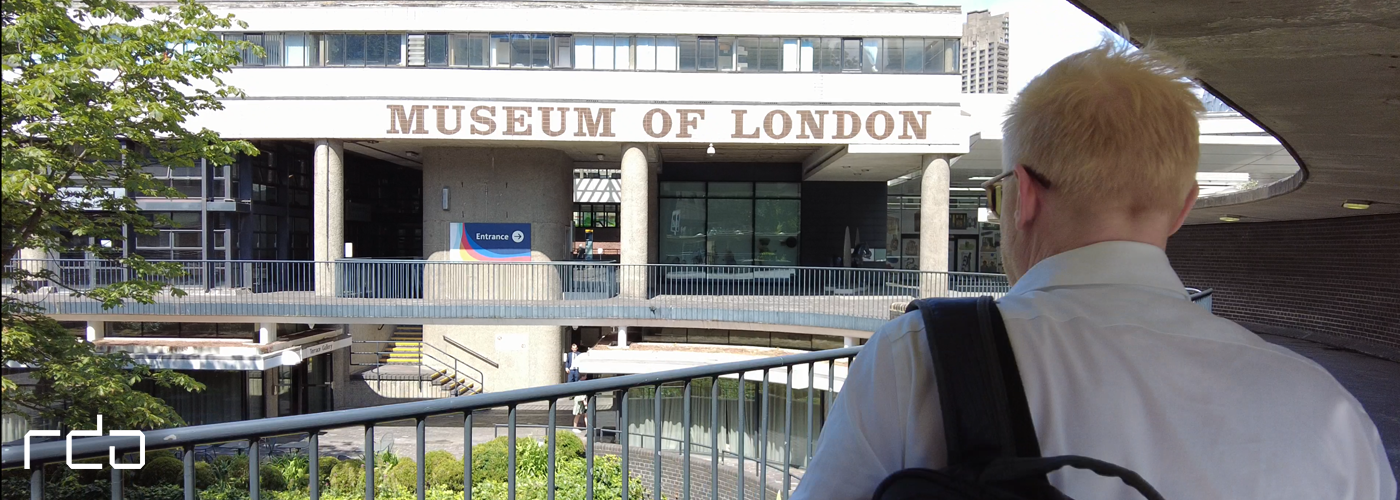
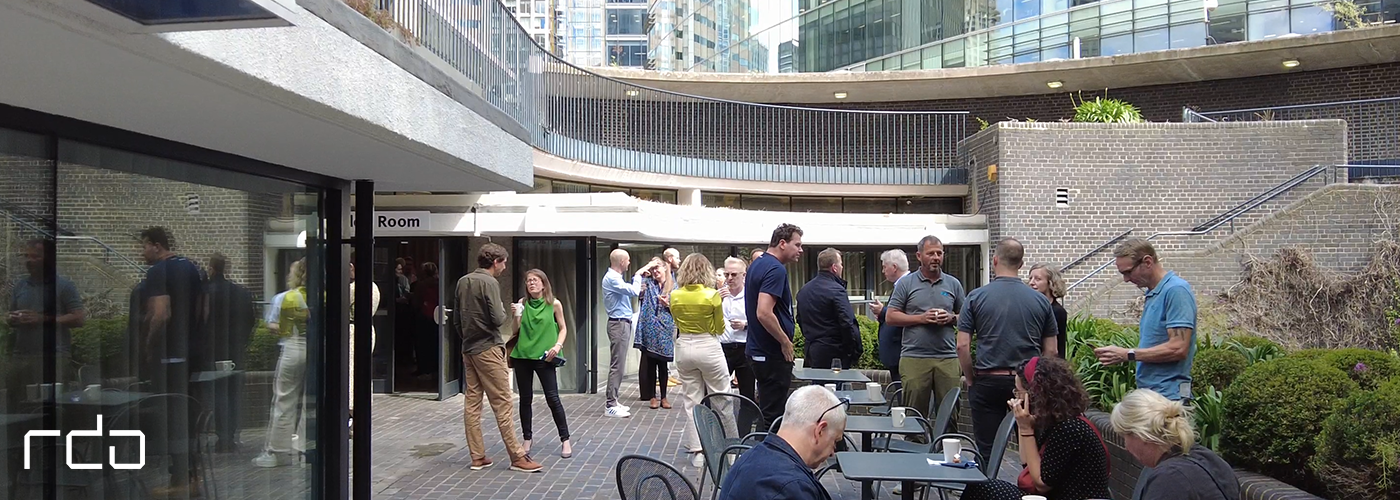
The awards were hosted in the recently vacated Museum of London, in the middle of Rotunda Roundabout in Central London. Being near the Barbican center, it seemed fitting to be presenting a 1960's Enerphit project. We were so impressed with the level of work presented on all levels of scale. From Passivhaus schools to small residential Enerphits. It seems that the Passivhaus movements is gaining a lot of speed in the UK! That is why we a happy to be a part of events that increases the overall coverage of Passivhaus as ideas and techniques are shared. The sooner these principles are widely adopted the sooner we can reach a more sustainable future.


To find out about more about Passive House and the concepts that make it possible, visit our Passivhaus page.

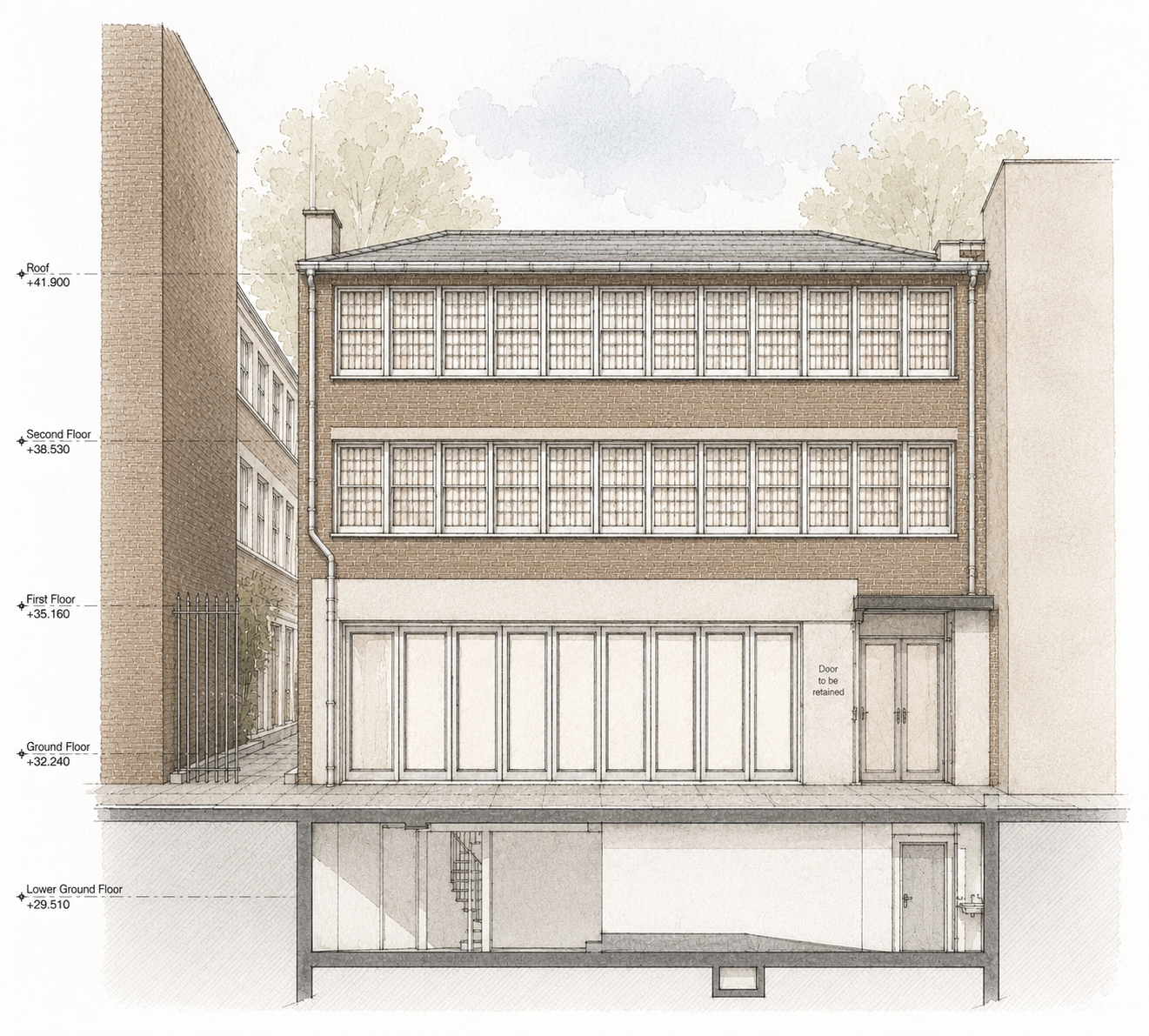
Modernist EnerPHit: The Story Behind the Project

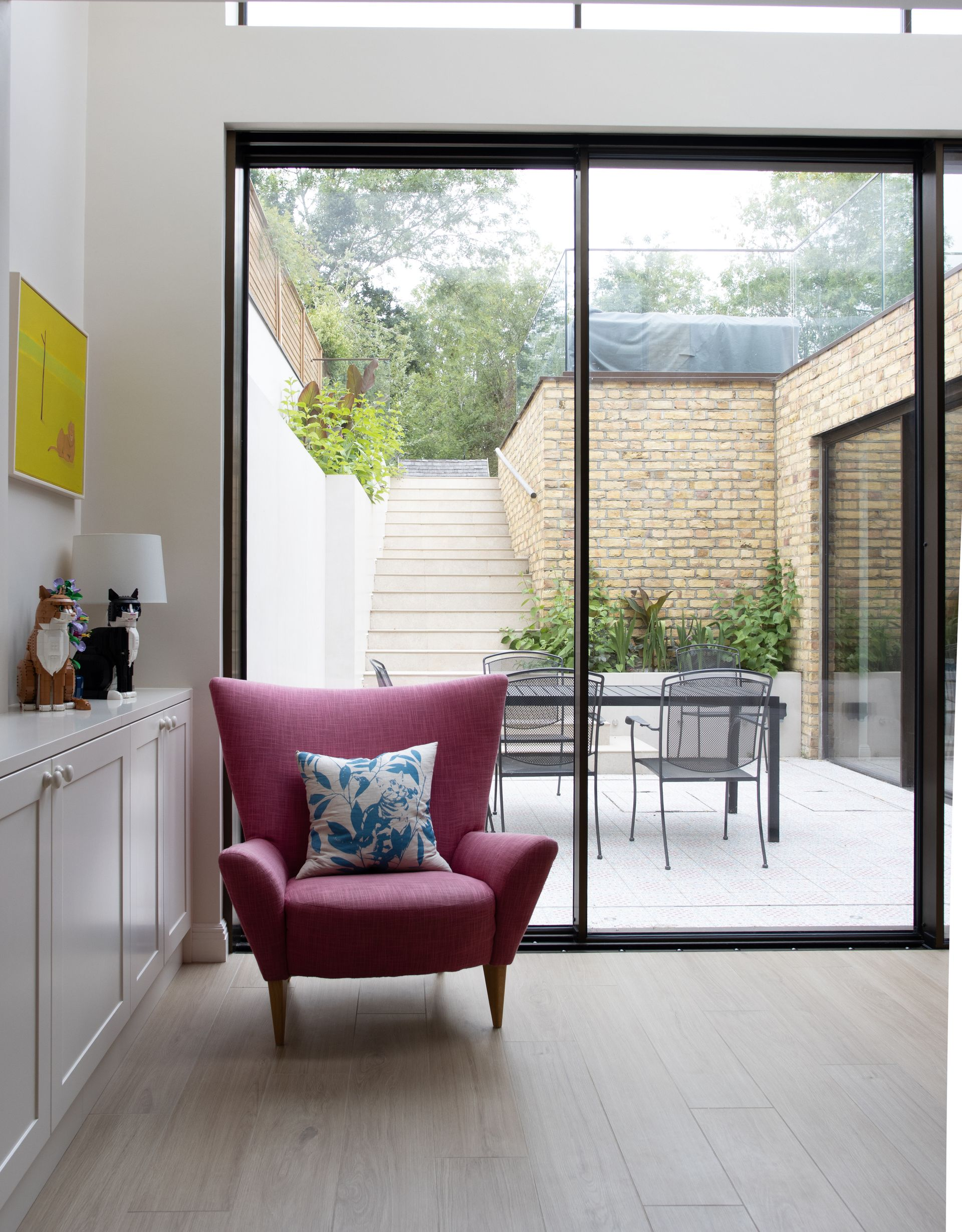
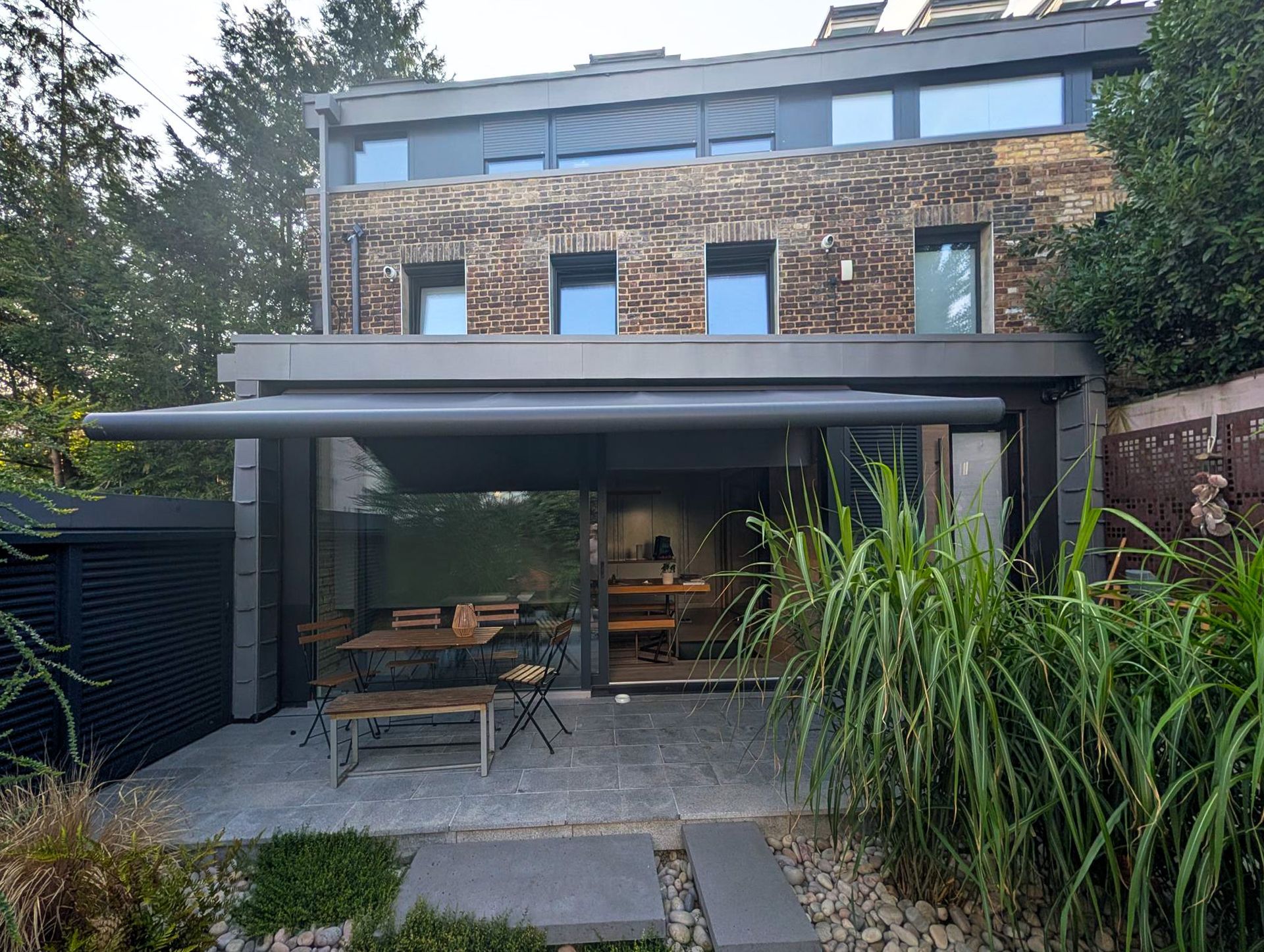
Passive House architect Richard Dudzicki explains how he restored this 1960s modernist house designed by Michael Blackstock, combining the original design aesthetic with a contemporary approach. The three-storey property was designed in the ‘upside-down’ style common in the 1960s, with an open plan living space and terrace sitting above the bedrooms on the first floor and ground floor parking and utility area.


To improve the energy efficiency of the house and achieve EnerPHit standard we have introduced highly efficient insulation; new windows and doors have also been fitted to improve airtightness – reducing heat loss and therefore providing a high level of comfort throughout the house. Implementing the EnerPHit standard provides a reduction of up to 83% in heating bills and is a pioneering retrofit approach in bringing the housing sector towards zero carbon emissions by 2050.
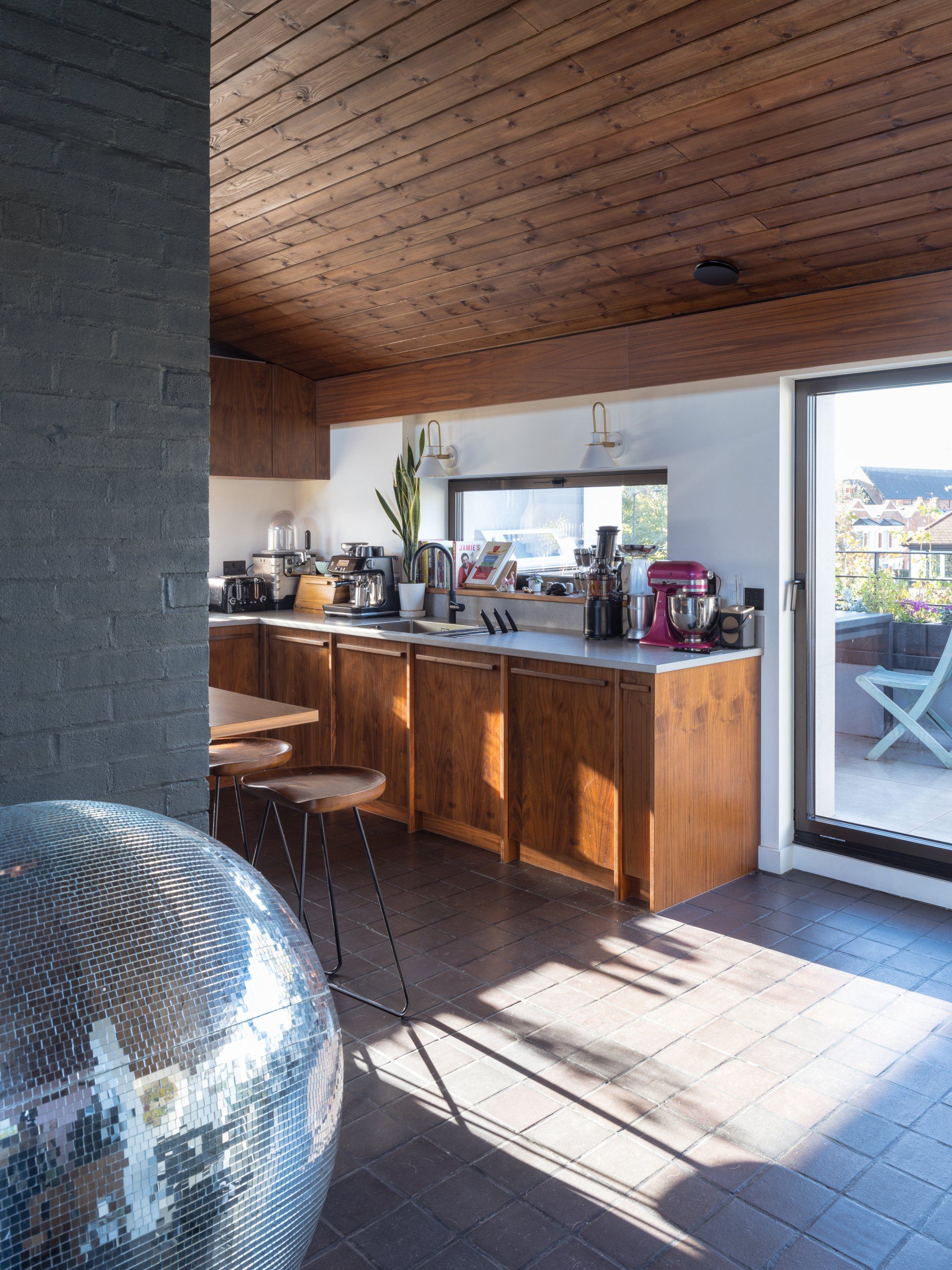
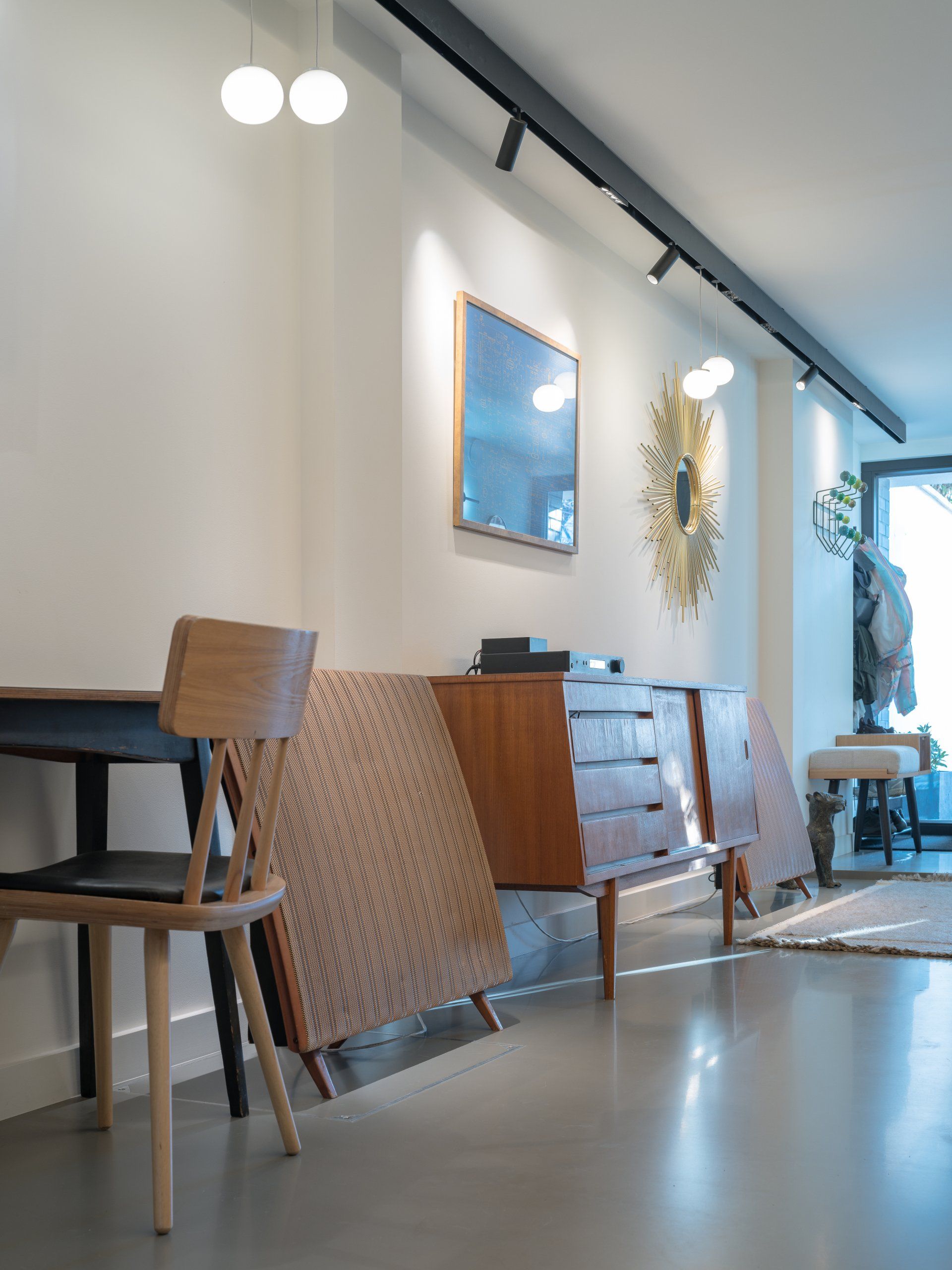
Overall it was a great day, we enjoyed seeing friends and meeting new contacts.These events are important to us as four years ago at the Passivhaus Trust Awards; Richard met the very client of this year's submission.


Thank you Passivhaus Trust for organising the event.
Recent Blogs

By Richard Dudzicki November 19, 2025
What Makes Brownfield Sites Unique? Across the UK’s cities, thousands of small, disused plots sit idle: the remnants of former garages, workshops, and scrap yards. These brownfield sites, often dismissed as too constrained or contaminated for development, represent an untapped opportunity. Yet within these limits lies enormous potential. When approached with imagination and technical rigour, they can become prototypes for compact, sustainable urban living. Projects on brownfield sites are unique in their demand for a precise balance between innovation, practicality, and sustainability; ultimately, every square metre counts. And the result can be one of the most rewarding in contemporary housing design. Our project, Eva’s House , completed in 2005, offers a compelling example. Built on the footprint of two derelict garages in Southeast London, this modest three-storey home demonstrates how a forgotten plot can be transformed into a durable, adaptable dwelling that continues to perform nearly two decades later.
By Richard Dudzicki October 10, 2025
Architectural Trip Venice Biennale RDA Architects
By Richard Dudzicki September 23, 2025
Upgrading a listed home is one of the most rewarding yet challenging projects a homeowner can undertake. Unlike Standard properties, every change must respect strict planning regulations whilst protecting the historic character that makes the building unique. Choices that may seem simple in modern homes such as changing windows, adding insulation, or altering layouts can become complex negotiations between performance, aesthetics and compliance. The key to success lies in working with conservation architects, skilled craftspeople, and heritage professionals who understand both the technical and regulatory landscape. With their guidance, upgrades can be achieved in ways that not only preserve but often enhance the building's long-term performance and beauty. When done right, a listed home can be both energy-efficient and historically authentic, ready to thrive for future generations.
By Richard Dudzicki November 19, 2025
What Makes Brownfield Sites Unique? Across the UK’s cities, thousands of small, disused plots sit idle: the remnants of former garages, workshops, and scrap yards. These brownfield sites, often dismissed as too constrained or contaminated for development, represent an untapped opportunity. Yet within these limits lies enormous potential. When approached with imagination and technical rigour, they can become prototypes for compact, sustainable urban living. Projects on brownfield sites are unique in their demand for a precise balance between innovation, practicality, and sustainability; ultimately, every square metre counts. And the result can be one of the most rewarding in contemporary housing design. Our project, Eva’s House , completed in 2005, offers a compelling example. Built on the footprint of two derelict garages in Southeast London, this modest three-storey home demonstrates how a forgotten plot can be transformed into a durable, adaptable dwelling that continues to perform nearly two decades later.
By Richard Dudzicki October 10, 2025
Architectural Trip Venice Biennale RDA Architects
By Richard Dudzicki September 23, 2025
Upgrading a listed home is one of the most rewarding yet challenging projects a homeowner can undertake. Unlike Standard properties, every change must respect strict planning regulations whilst protecting the historic character that makes the building unique. Choices that may seem simple in modern homes such as changing windows, adding insulation, or altering layouts can become complex negotiations between performance, aesthetics and compliance. The key to success lies in working with conservation architects, skilled craftspeople, and heritage professionals who understand both the technical and regulatory landscape. With their guidance, upgrades can be achieved in ways that not only preserve but often enhance the building's long-term performance and beauty. When done right, a listed home can be both energy-efficient and historically authentic, ready to thrive for future generations.
By Richard Dudzicki August 6, 2025
Thinking about renovating your home? Don’t do it alone. We will be explaining how working with an architect rather than just a construction team alone can help you save potential future costs to your project. A big renovation can be exciting, but overwhelming. Costs can spiral, timelines shift and without the right advice, costly mistakes can sneak in. This is where we come in. What is a RIBA Chartered Architect? At RDA Architects, we are RIBA Chartered Architects. RIBA (the Royal Institute of British Architects) is the UK's professional body for architects, setting the gold standard for architectural practice. This means when you work with RDA, you're partnering with professionals who have proven their expertise and commitment to maintaining the highest standards in architecture. But more importantly, we help homeowners like you get the most out of your budget and avoid the kind of problems that can turn a dream project into a nightmare. As shown in the diagram below, RDA (the architect) plays a central role in your project, acting as the hub for information exchange and coordination between the client, design team, and contractor team. We work closely with the specialists, engineers, and contractors to develop and communicate the design, ensuring your vision is realised efficiently and within budget, while helping you avoid the common pitfalls that can derail a project.