
Technical Briefing: Passive House Retrofit and Reuse Webinar

CPD-certified webinar exploring EnerPHit retrofits, featuring case studies in sustainable design from RDA Architects and Hamptons Architects

 Three weeks ago, Heather Faulding and I had the pleasure of presenting at the NLA’s technical briefing on Retrofit and Reuse a CPD-certified webinar on low-energy & high-performance buildings. It was a fantastic session spotlighting some of the most innovative retrofit work.

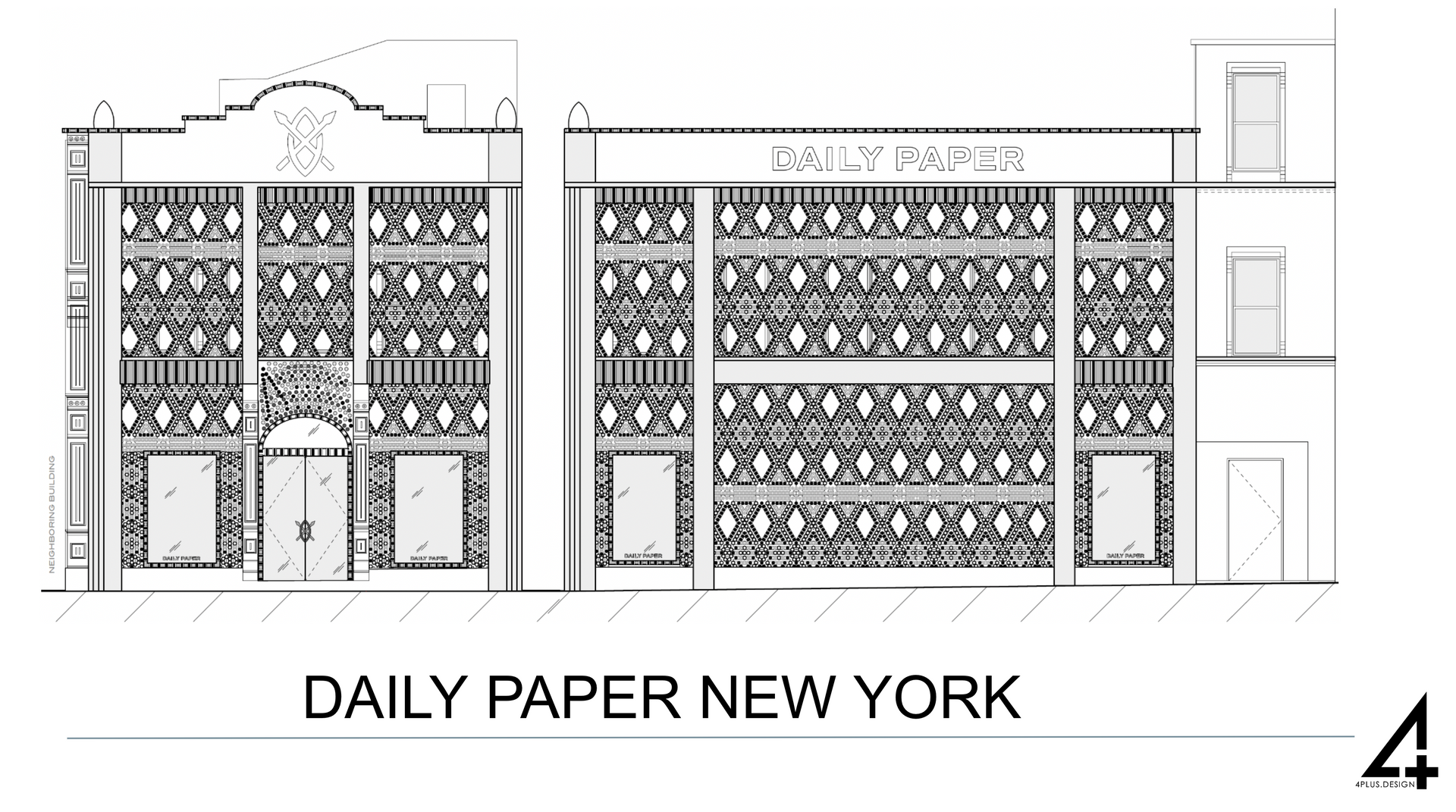
Heather shared her incredible project for Daily Paper in New York: a powerful example of creative reuse, transforming a crumbling structure using over 7,500 soda cans crafted by local communities. The shimmering façade reflected not only light but the heritage of African beadwork a story of culture and circularity woven into architecture. 

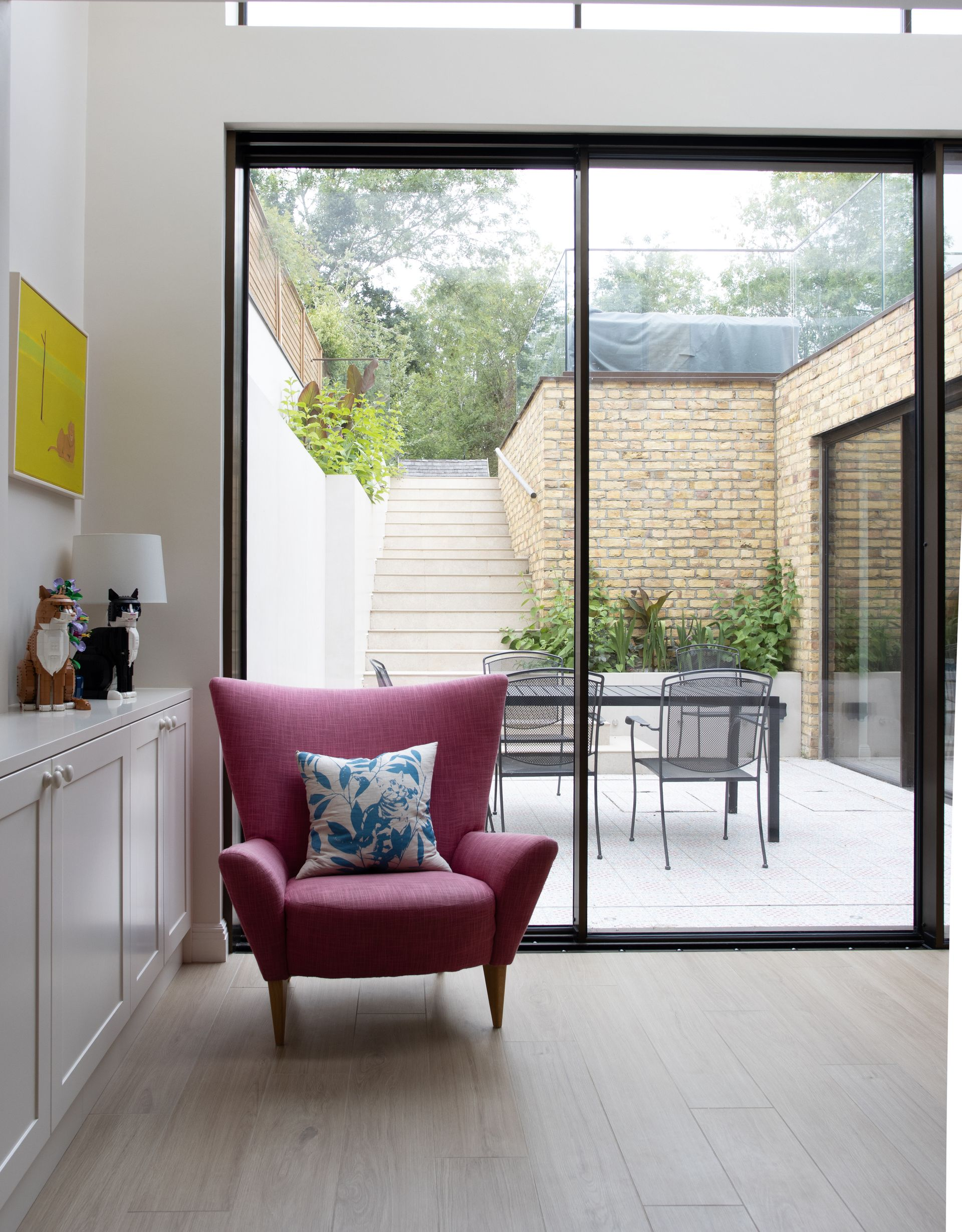
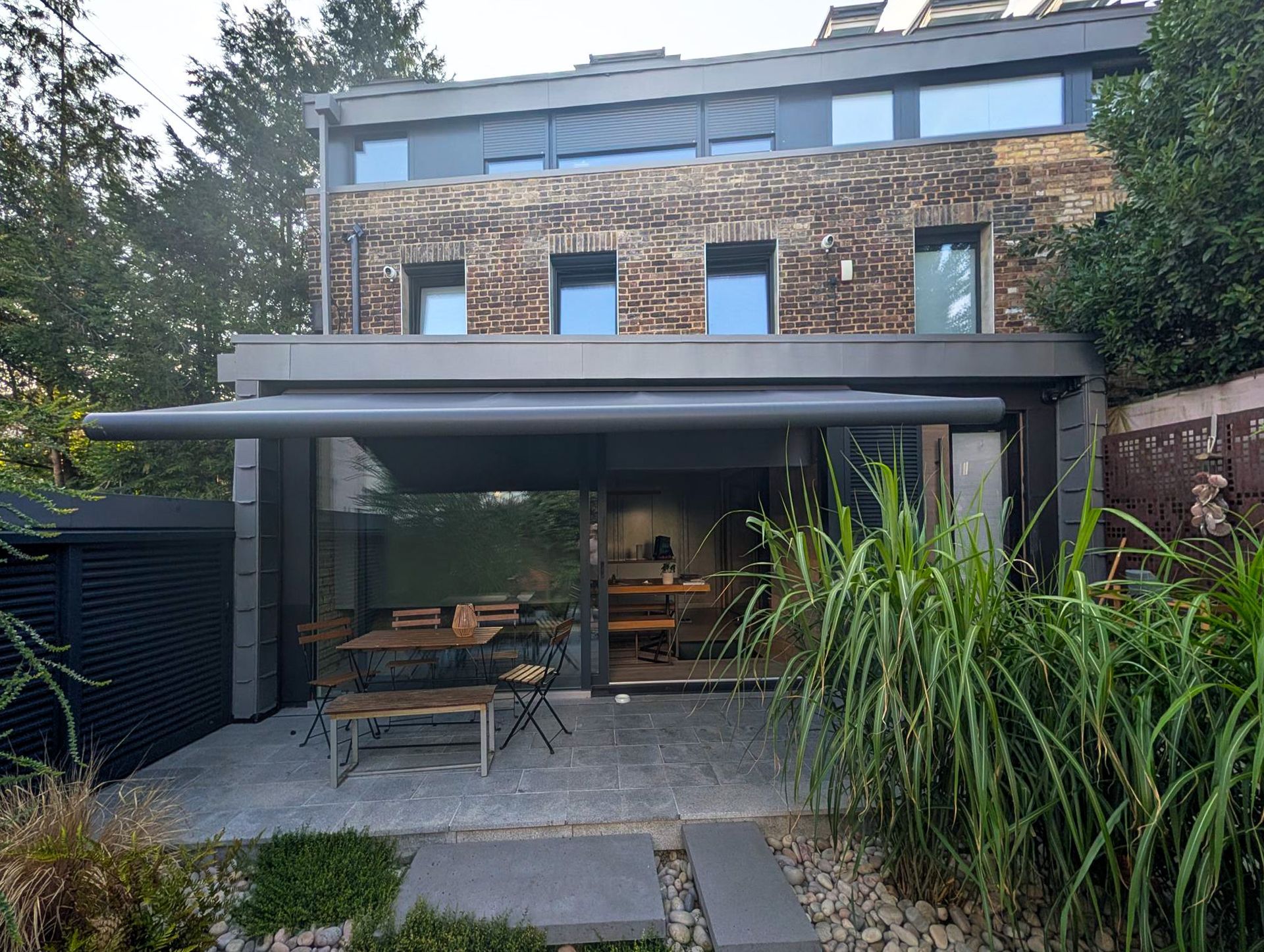
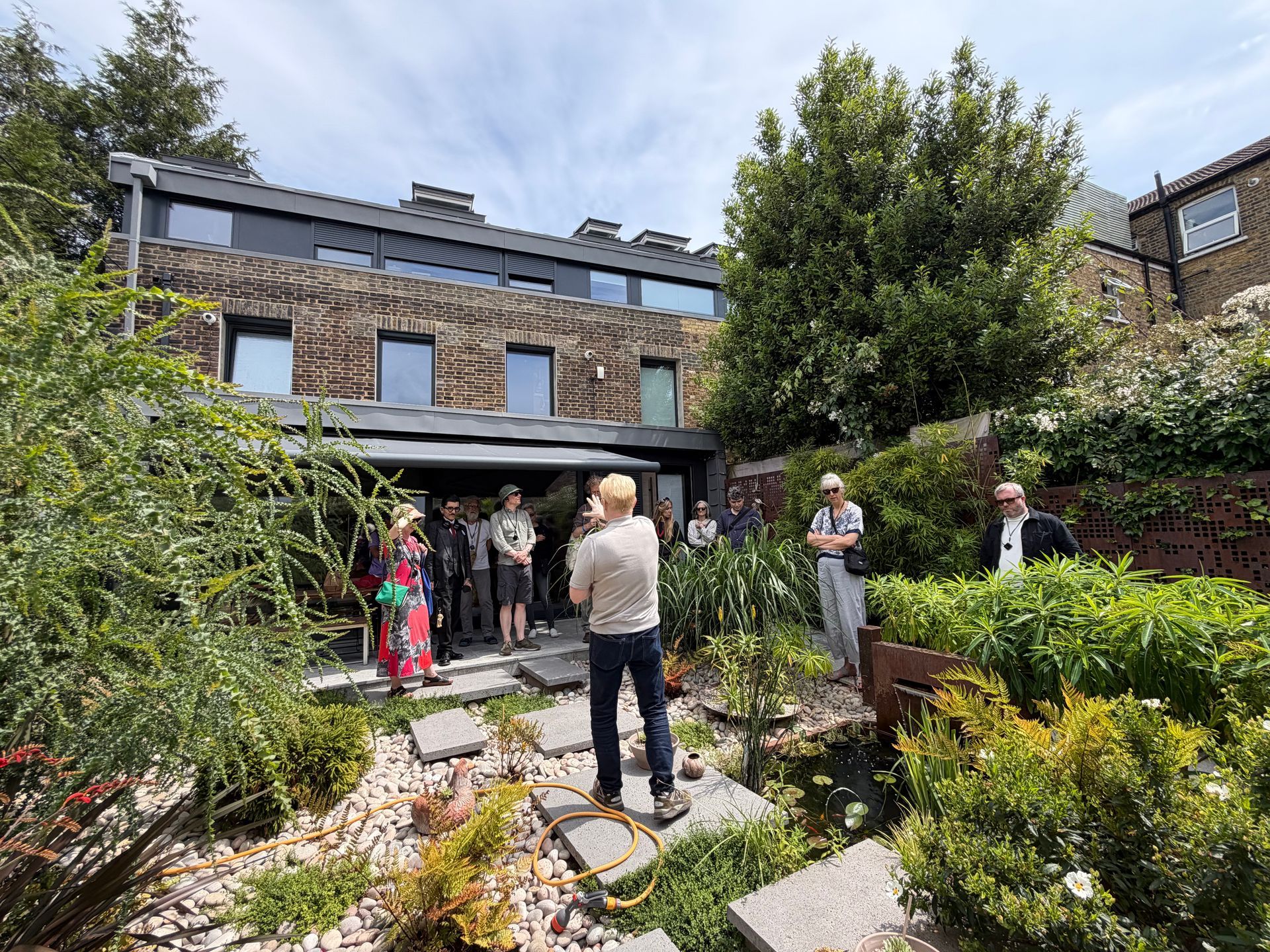
I spoke about the Modernist EnerPHit, our deep retrofit of a draughty 1960s home into a warm, efficient, and future-proof family house. This project wasn’t just about reducing energy use, it was about transforming an underperforming building into a space that feels modern, spacious, and comfortable all year round.

We explored several key strategies that helped us achieve this:


· Airtightness & MVHR systems – We dramatically reduced heat loss by improving the building's airtightness, while the mechanical ventilation with heat recovery (MVHR) system ensured a constant supply of fresh air without the energy penalty of traditional ventilation.


· Triple glazing and insulation strategies – Upgrading to triple-glazed windows and wrapping the building in high-performance insulation significantly improved thermal performance, helping the home retain warmth in winter and stay cool in summer.


· Space-maximising interventions – By reconfiguring internal layouts and making considered extensions, we increased the usable space without increasing the building's footprint unnecessarily, proof that good design can make a home feel larger and brighter without resorting to oversized additions.


· Solar roof tiles instead of panels – To maintain the clean lines of the modernist roofscape, we used integrated solar roof tiles rather than surface-mounted panels. This delivered renewable energy while preserving the architectural integrity of the design.


· Challenges and design processes – As with any EnerPHit-level retrofit, we encountered complex coordination challenges, from working with existing structures to achieving Passivhaus-level airtightness. I shared insights into our design thinking, decision-making, and the collaborative process that helped us navigate these hurdles.

This is more than just fabric-first design—it's a roadmap for climate-conscious living that doesn’t compromise on comfort or character. Every detail, from the orientation of glazing to the integration of renewables, was considered through the lens of both performance and aesthetics. It's about creating homes that are future-proof, resilient, and enjoyable to live in. The result is a building that feels good to inhabit and does good for the planet.


Read more about the Modernist EnerPhit project at https://lnkd.in/gEavrfvs

The webinar also marked the beginning of our 4+ Design and Architecture collaboration a new venture bringing together practices across London, New York, and LA: RDA Architects Ltd , F2 Architecture PLLC and Kurt Krueger Architects. From Passivhaus retrofits to adaptive reuse, we’re building a cross-continental dialogue around sustainability, reuse, regenerative and luxurious design.

Recent Blogs

By Richard Dudzicki March 3, 2026
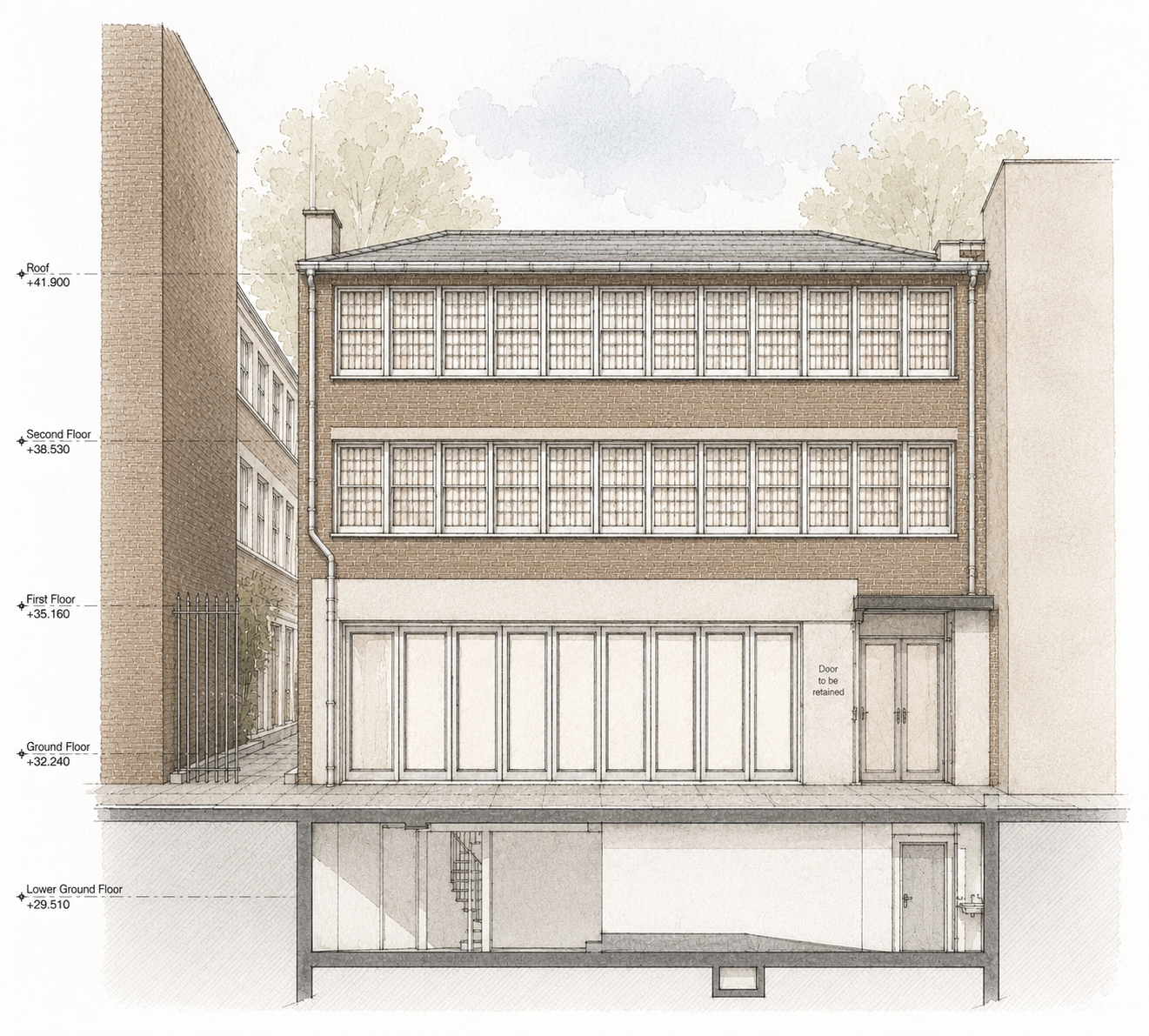
There is a particular responsibility that comes with working on an existing building. The Old Timberyard , a former Victorian workshop, offered the opportunity to demonstrate how careful retrofit can honour heritage whilst delivering genuine long-term performance. Behind its retained brickwork and historic fabric sits a carefully executed EnerPHit upgrade. This was not about surface improvements, but a rigorous, fabric-first transformation, reworking a cold, underperforming structure into a comfortable, resilient and low-energy building fit for contemporary use.
By Richard Dudzicki February 13, 2026
We’re excited to share our refined Project Planning Pack, designed to support anyone preparing to embark on a design or building project. Planning ahead is one of the most important steps in ensuring a successful project . This clear, easy-to-follow resource helps you reduce risk , improve your design outcomes, and gain a better understanding of costs and the architect’s role in the process. It also introduces core design principles and provides tools to assess where you’re at before you begin, giving you confidence in every decision. Whether you’re a first-time homeowner, an experienced developer, or simply exploring ideas for a renovation or new build, this pack is an essential companion for your project journey. What’s included: • A structured framework to plan and organise your project • Guidance on core design principles • Insights into costs and the architect’s role • Tools to assess your project readiness We’ve refined this pack to be practical, user-friendly, and aligned with real-world architectural practice. Our goal is to give you clarity, reduce uncertainty, and make the design process as smooth as possible . Access the full Project Planning Pack here:
By Richard Dudzicki November 19, 2025
What Makes Brownfield Sites Unique? Across the UK’s cities, thousands of small, disused plots sit idle: the remnants of former garages, workshops, and scrap yards. These brownfield sites, often dismissed as too constrained or contaminated for development, represent an untapped opportunity. Yet within these limits lies enormous potential. When approached with imagination and technical rigour, they can become prototypes for compact, sustainable urban living. Projects on brownfield sites are unique in their demand for a precise balance between innovation, practicality, and sustainability; ultimately, every square metre counts. And the result can be one of the most rewarding in contemporary housing design. Our project, Eva’s House , completed in 2005, offers a compelling example. Built on the footprint of two derelict garages in Southeast London, this modest three-storey home demonstrates how a forgotten plot can be transformed into a durable, adaptable dwelling that continues to perform nearly two decades later.
By Richard Dudzicki March 3, 2026
There is a particular responsibility that comes with working on an existing building. The Old Timberyard , a former Victorian workshop, offered the opportunity to demonstrate how careful retrofit can honour heritage whilst delivering genuine long-term performance. Behind its retained brickwork and historic fabric sits a carefully executed EnerPHit upgrade. This was not about surface improvements, but a rigorous, fabric-first transformation, reworking a cold, underperforming structure into a comfortable, resilient and low-energy building fit for contemporary use.
By Richard Dudzicki February 13, 2026
We’re excited to share our refined Project Planning Pack, designed to support anyone preparing to embark on a design or building project. Planning ahead is one of the most important steps in ensuring a successful project . This clear, easy-to-follow resource helps you reduce risk , improve your design outcomes, and gain a better understanding of costs and the architect’s role in the process. It also introduces core design principles and provides tools to assess where you’re at before you begin, giving you confidence in every decision. Whether you’re a first-time homeowner, an experienced developer, or simply exploring ideas for a renovation or new build, this pack is an essential companion for your project journey. What’s included: • A structured framework to plan and organise your project • Guidance on core design principles • Insights into costs and the architect’s role • Tools to assess your project readiness We’ve refined this pack to be practical, user-friendly, and aligned with real-world architectural practice. Our goal is to give you clarity, reduce uncertainty, and make the design process as smooth as possible . Access the full Project Planning Pack here:
By Richard Dudzicki November 19, 2025
What Makes Brownfield Sites Unique? Across the UK’s cities, thousands of small, disused plots sit idle: the remnants of former garages, workshops, and scrap yards. These brownfield sites, often dismissed as too constrained or contaminated for development, represent an untapped opportunity. Yet within these limits lies enormous potential. When approached with imagination and technical rigour, they can become prototypes for compact, sustainable urban living. Projects on brownfield sites are unique in their demand for a precise balance between innovation, practicality, and sustainability; ultimately, every square metre counts. And the result can be one of the most rewarding in contemporary housing design. Our project, Eva’s House , completed in 2005, offers a compelling example. Built on the footprint of two derelict garages in Southeast London, this modest three-storey home demonstrates how a forgotten plot can be transformed into a durable, adaptable dwelling that continues to perform nearly two decades later.
By Richard Dudzicki October 10, 2025
Architectural Trip Venice Biennale RDA Architects