

Passivhaus Trust - The Old Timberyard: Deep Retrofit, Honest Lessons, Lasting Performance
There is a particular responsibility that comes with working on an existing building. The Old Timberyard, a former Victorian workshop, offered the opportunity to demonstrate how careful retrofit can honour heritage whilst delivering genuine long-term performance.
Behind its retained brickwork and historic fabric sits a carefully executed EnerPHit upgrade. This was not about surface improvements, but a rigorous, fabric-first transformation, reworking a cold, underperforming structure into a comfortable, resilient and low-energy building fit for contemporary use.
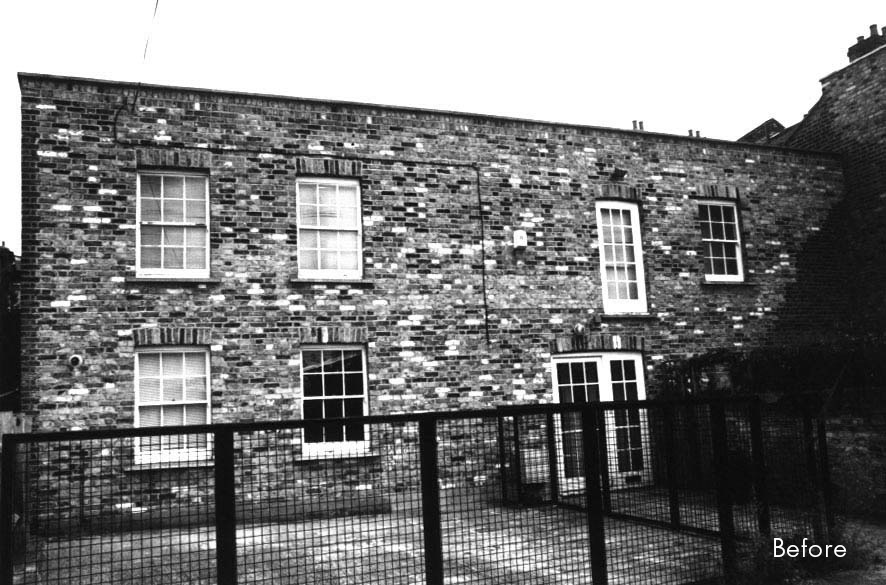
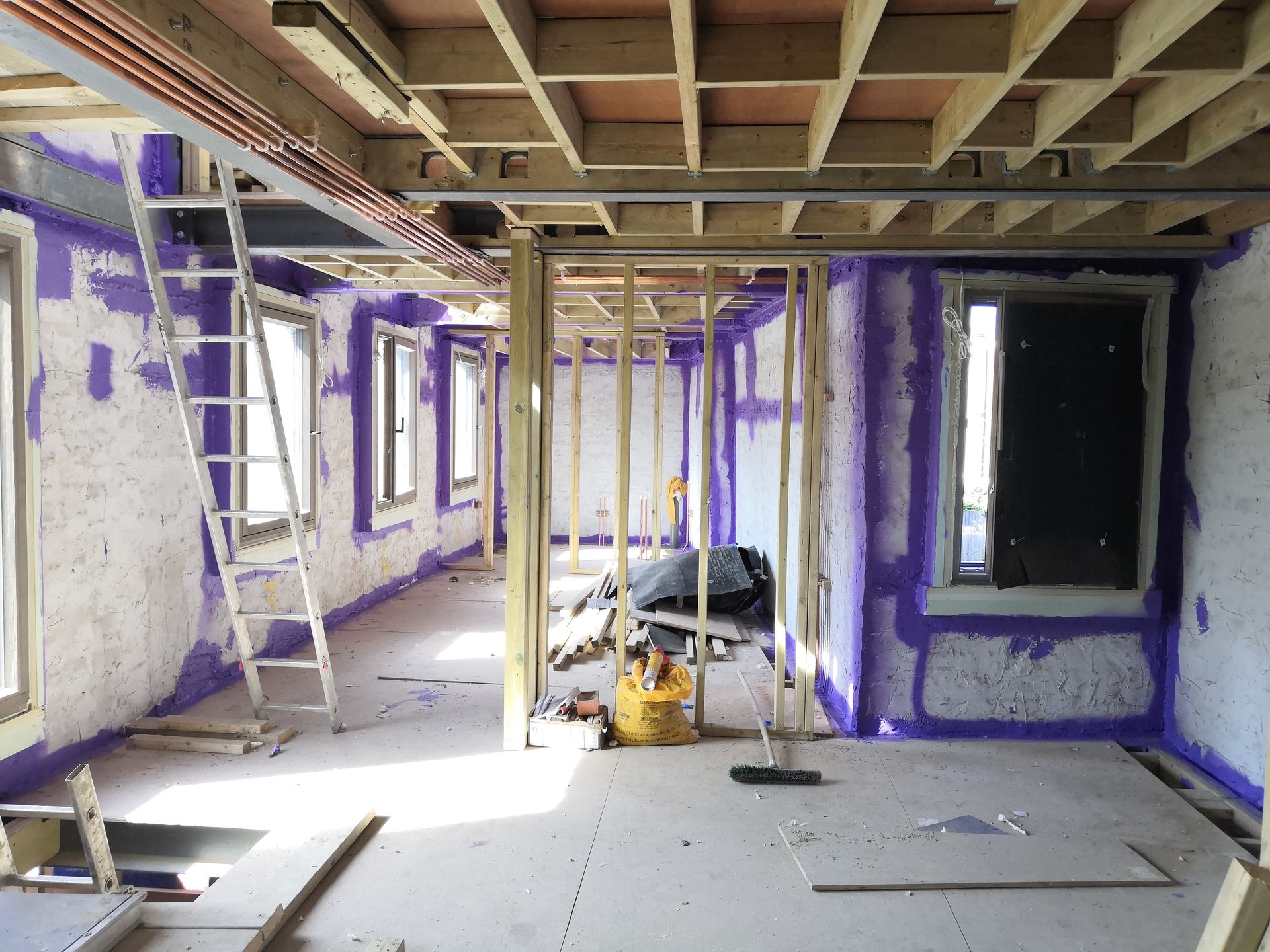
From the outset, the project demanded balance and precision. Retaining the character and material honesty of the original workshop. Introducing high levels of insulation while maintaining breathability. Achieving airtightness within an irregular historic envelope. Resolving junctions and sequencing works so that structure, services and finishes aligned seamlessly with performance ambitions.
As with all deep retrofit projects, success lay in the detail. Thermal bridge reduction was carefully modelled and delivered. Airtightness strategies were tested and refined on site. A considered ventilation approach ensures stable internal conditions and long-term durability.
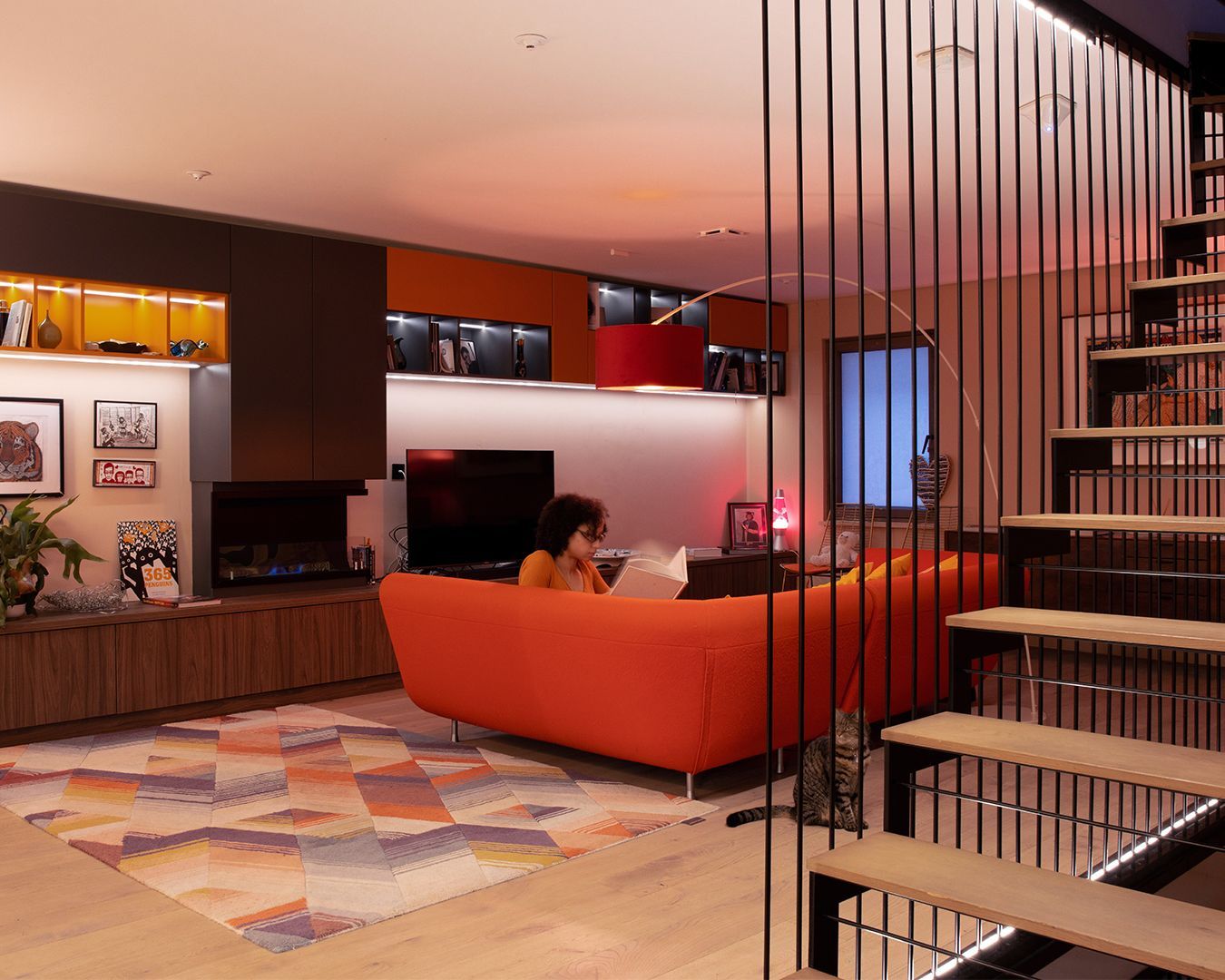
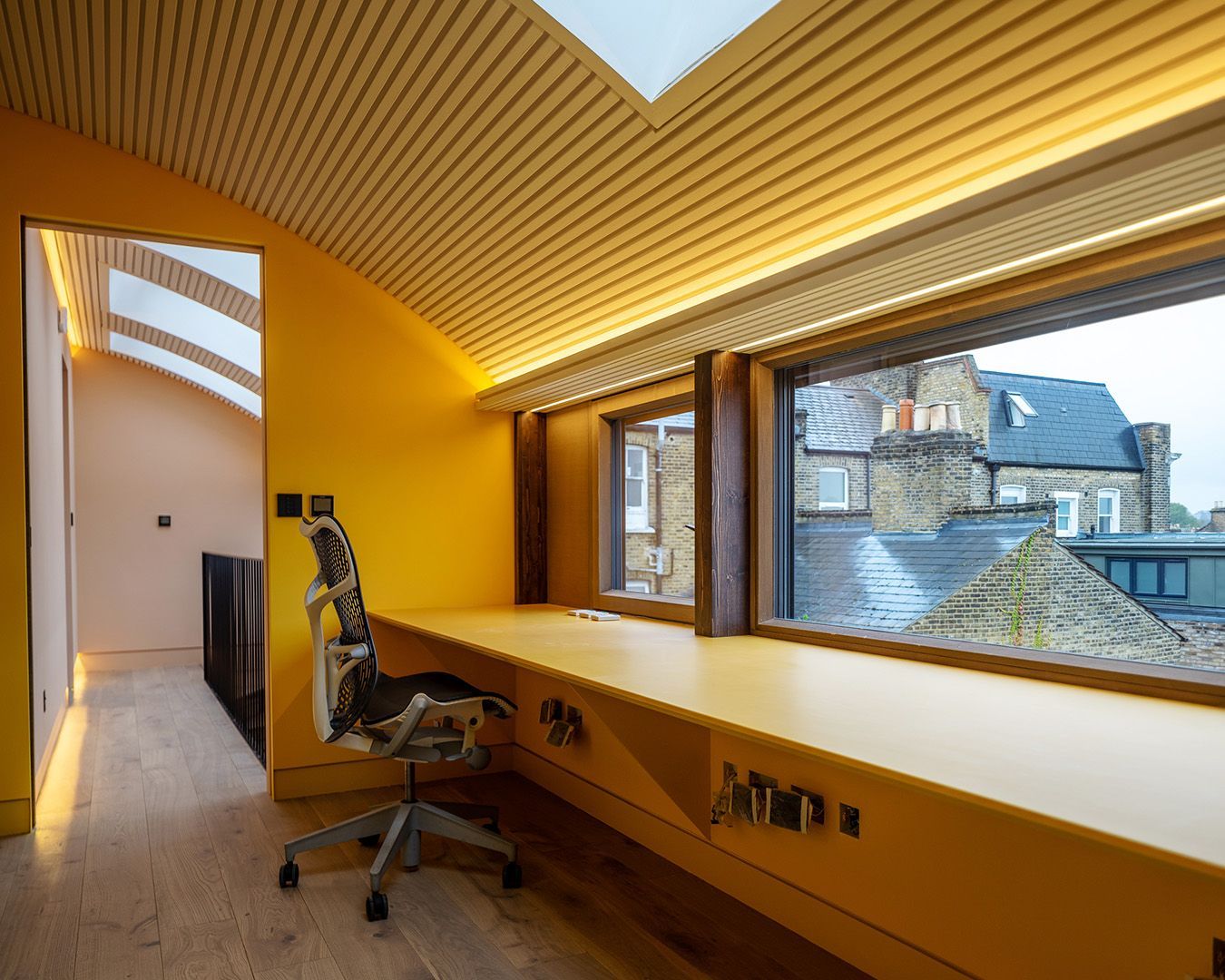
The finished building feels calm and grounded. Deep reveals and carefully articulated junctions express the thickness of the upgraded envelope. Natural materials and high-quality timber elements provide warmth and tactility. The performance measures are not visible, but they are tangible, evident in comfort, air quality and reduced energy demand.
The Old Timberyard
reinforces a principle central to our work: conservation and carbon reduction are not in opposition. With a thoughtful, performance-led approach, existing buildings can be retained, adapted and improved, extending their lifespan while meaningfully reducing operational carbon.
The Old Timberyard
Deep retrofit is complex. It requires patience, collaboration and technical rigour. But when delivered carefully, it offers something powerful: buildings that respect their past and perform responsibly for the future.
Join the Webinar, 17th March, 1–2pm
Passivhaus Trust
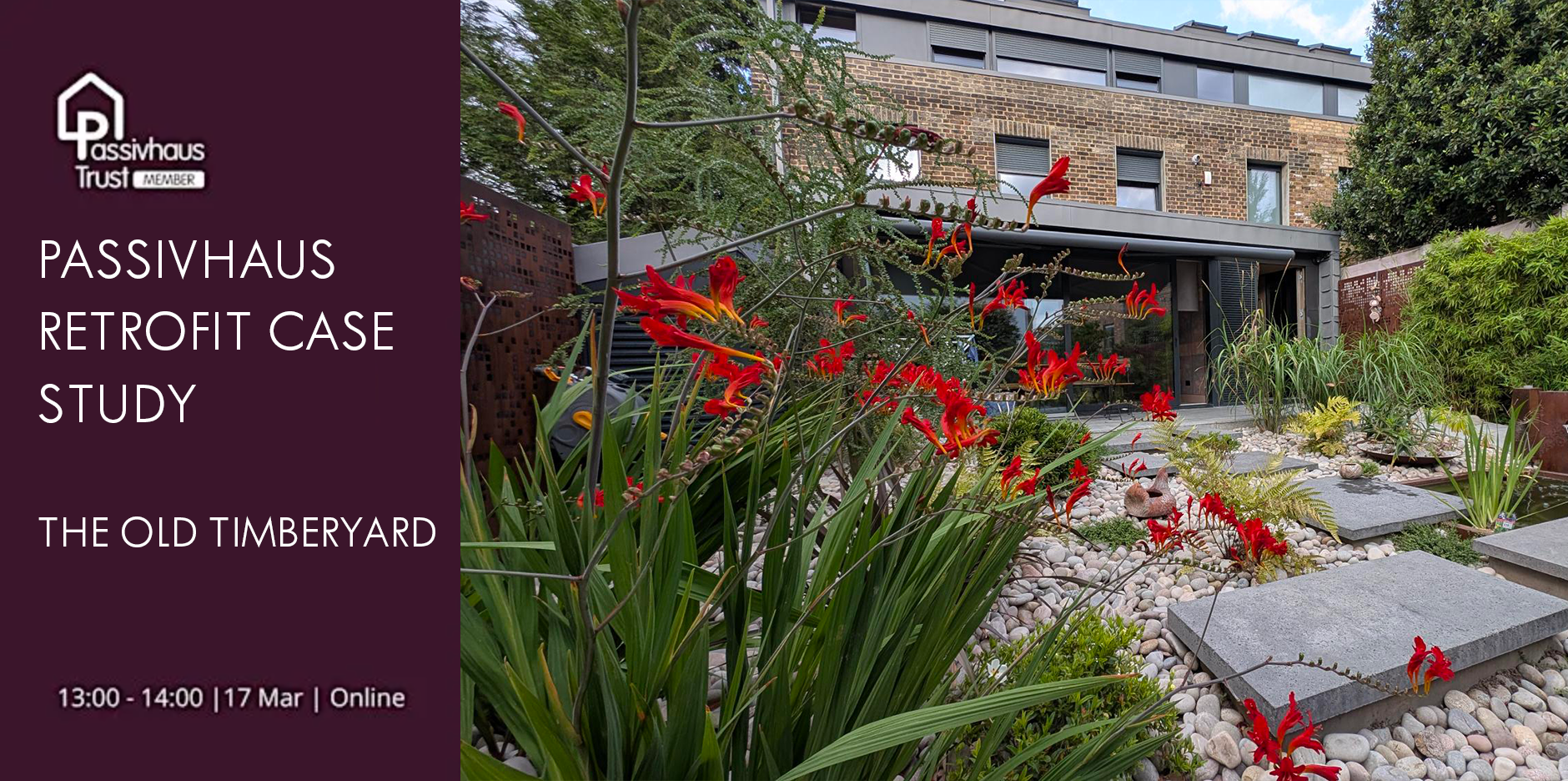
On 17th March, 1–2pm, Richard will be presenting The Old Timberyard
as part of the Passivhaus Trust
Retrofit Case Study Series webinar.
This session revisits the project following its appearance on Guy Martin’s House Without Bills
on Channel 4 and reflects on what delivering deep retrofit in an existing building really involves, beyond the photographs and performance certificates.
We will cover:
• The realities of sequencing a deep retrofit in a historic structure
• Working within structural, spatial and heritage constraints
• Unexpected challenges encountered on site
• Lessons learned and what we would approach differently next time
• Applying EnerPHit principles in a real-world context
• Balancing conservation, comfort and long-term building performance
As retrofit moves further into the mainstream, it is increasingly important that we share honest experience, not just successes but also the complexities and compromises that come with working in existing buildings. Open discussion strengthens the industry and helps refine best practice for future projects.
The session is free to attend and open to all, including architects, designers, contractors, clients, conservation specialists and anyone interested in low-carbon retrofit.
You can reserve your place here:
Click here for link to reserve a place
Further information about the Retrofit Case Study Series can be found via the Passivhaus Trust.
It would be wonderful to see you there and continue the conversation around deep retrofit, fabric-first design and delivering meaningful carbon reduction in our existing building stock.
Because the future of sustainable architecture is not just about what we build next, it is about how well we care for what already exists.
If you are feeling inspired, book a call with Richard in order to discuss your plans for your home!
Book a call
Ask an expert
Book a free consultation today with Richard Dudzicki, RDA's director, founder and lead architect.
Ease your mind and take the first step towards your future home with confidence. No commitment, flexible timings.
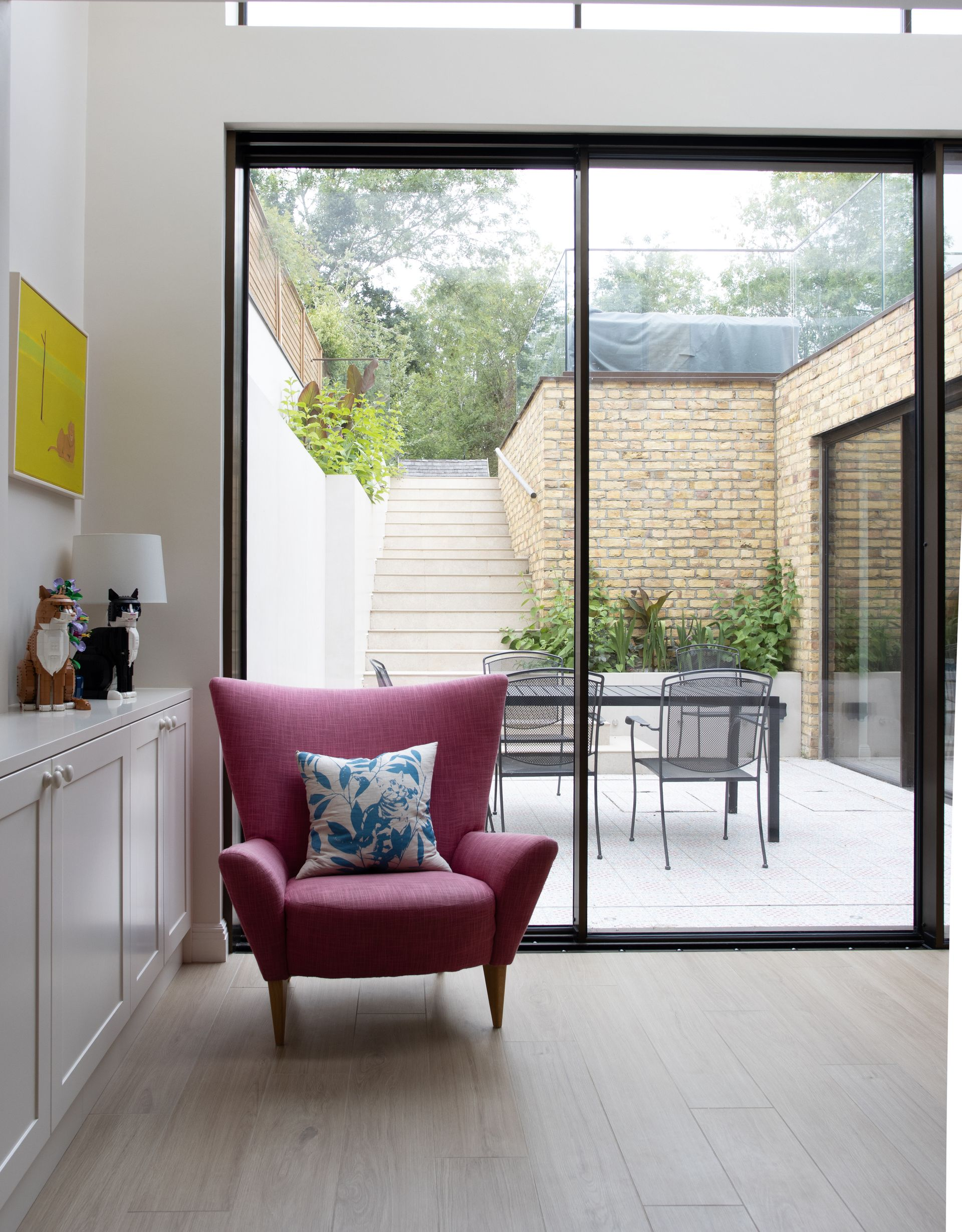
How Do You Retrofit a Victorian House Without Losing Its Character?
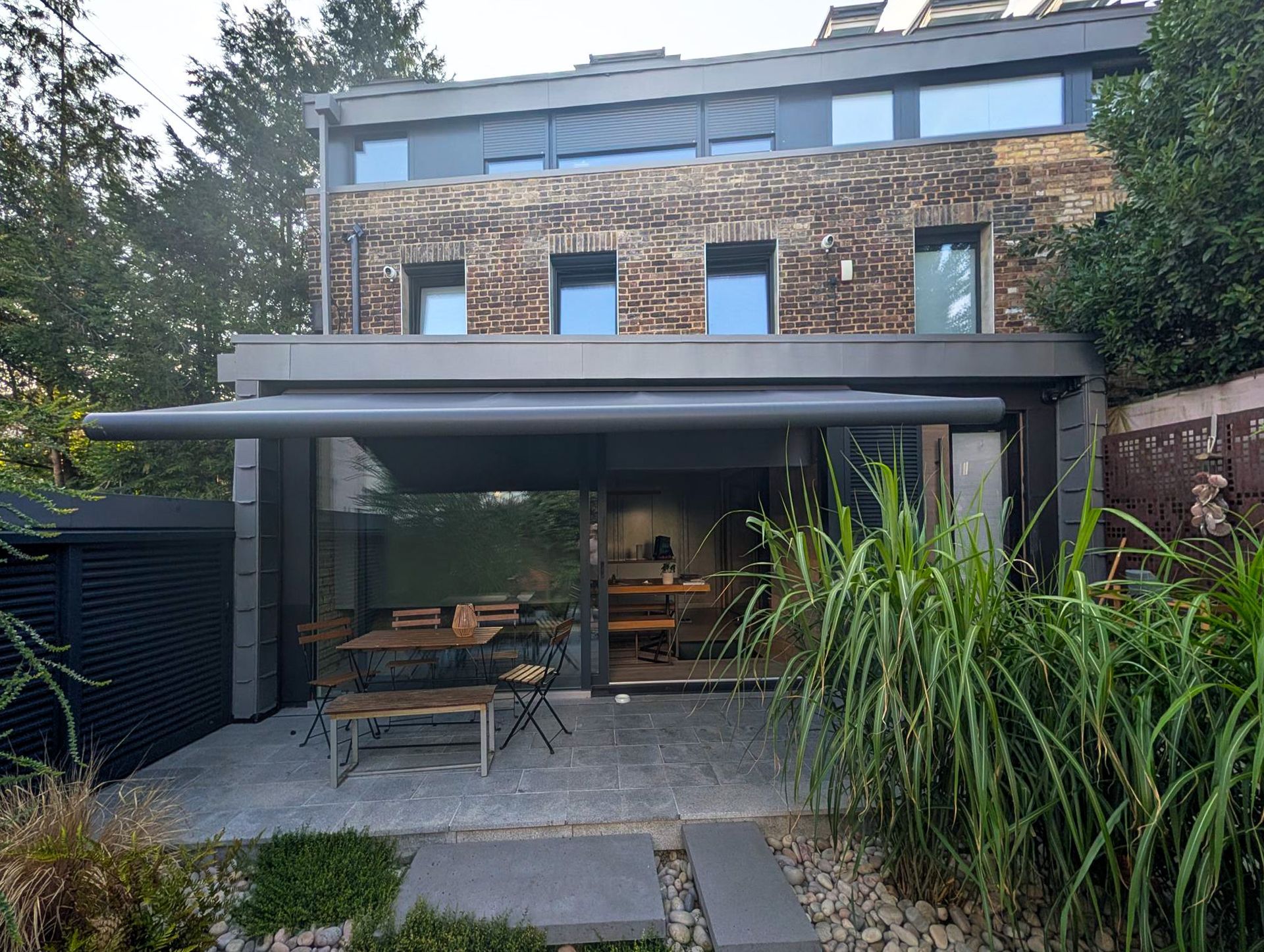
How we keep an EnerPHit home cool during a heatwave?
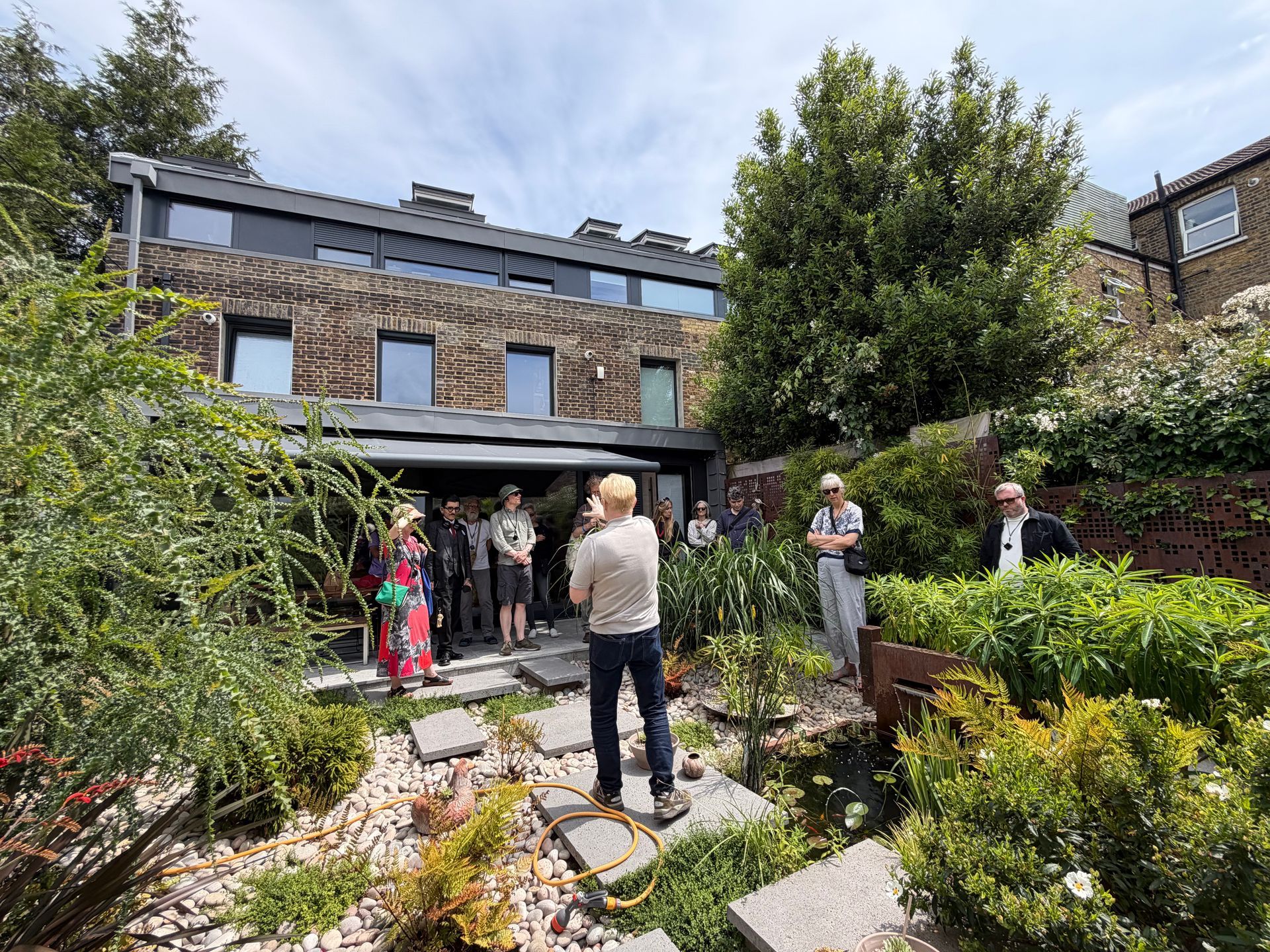
London Festival of Architecture: Small sites and Big Belonging with RDA, Guided Tour
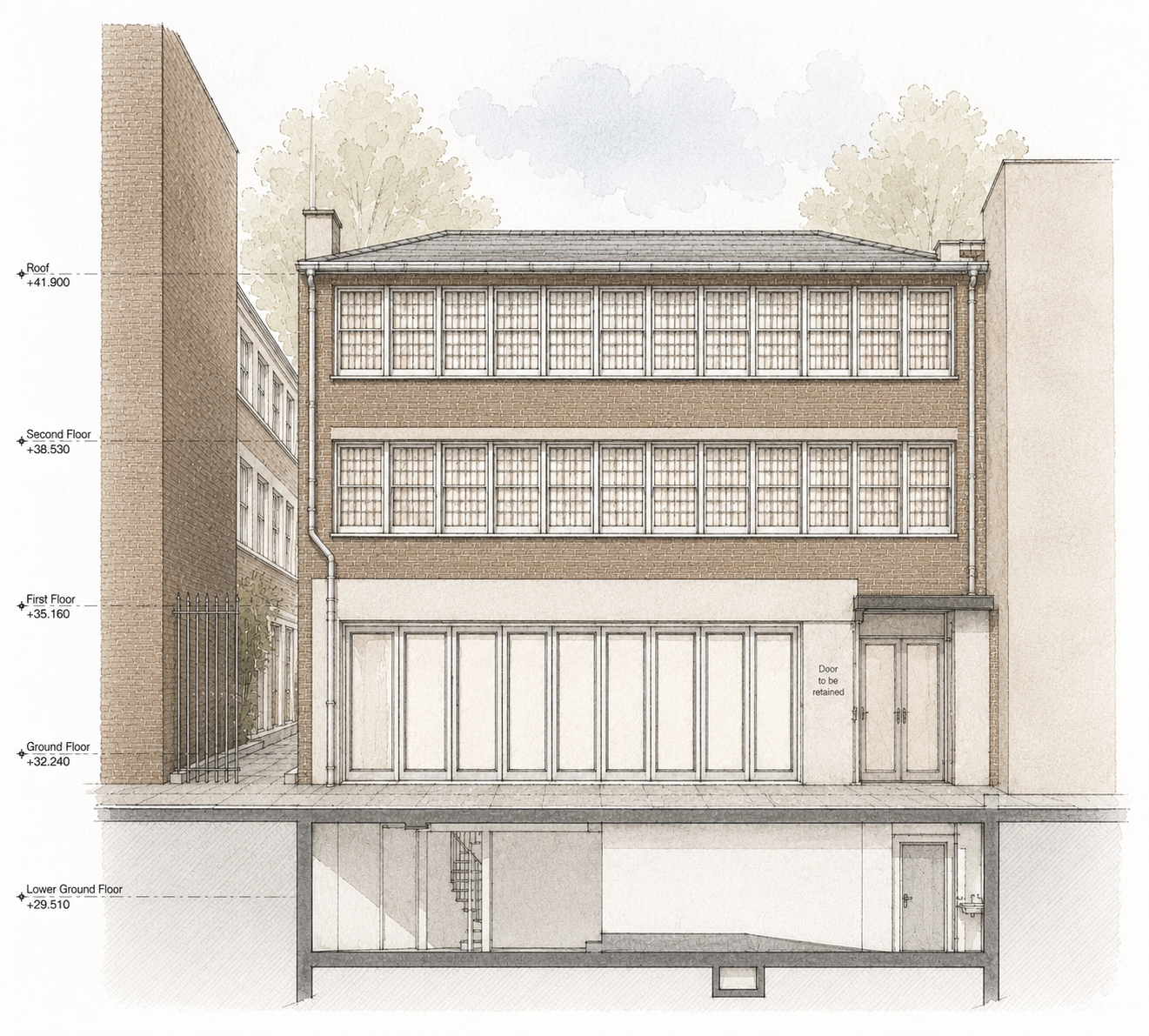
We are pleased to announce that planning approval has been secured for Wedged House . A conversion of a three-storey commercial building with basement accommodation into a single dwelling. The project presented a number of design challenges, including an unusual triangular footprint, limited access to natural daylight and an inefficient internal arrangement. Through a comprehensive internal reconfiguration, the proposal transforms the building into a bright and functional home while working entirely within the existing building envelope.