

NLA Coffee conversation: What are the opportunities for housing on constrained sites?
On 25 March, Richard will be speaking at NLA’s Coffee Conversation about how London’s most constrained and overlooked sites can play a role in addressing both the housing crisis and the climate emergency.
Across the city, small and fragmented plots are often dismissed as too difficult to develop. Backland sites, former garages and leftover spaces within established neighbourhoods are frequently overlooked by conventional development models. Yet collectively they represent a significant and largely untapped opportunity.
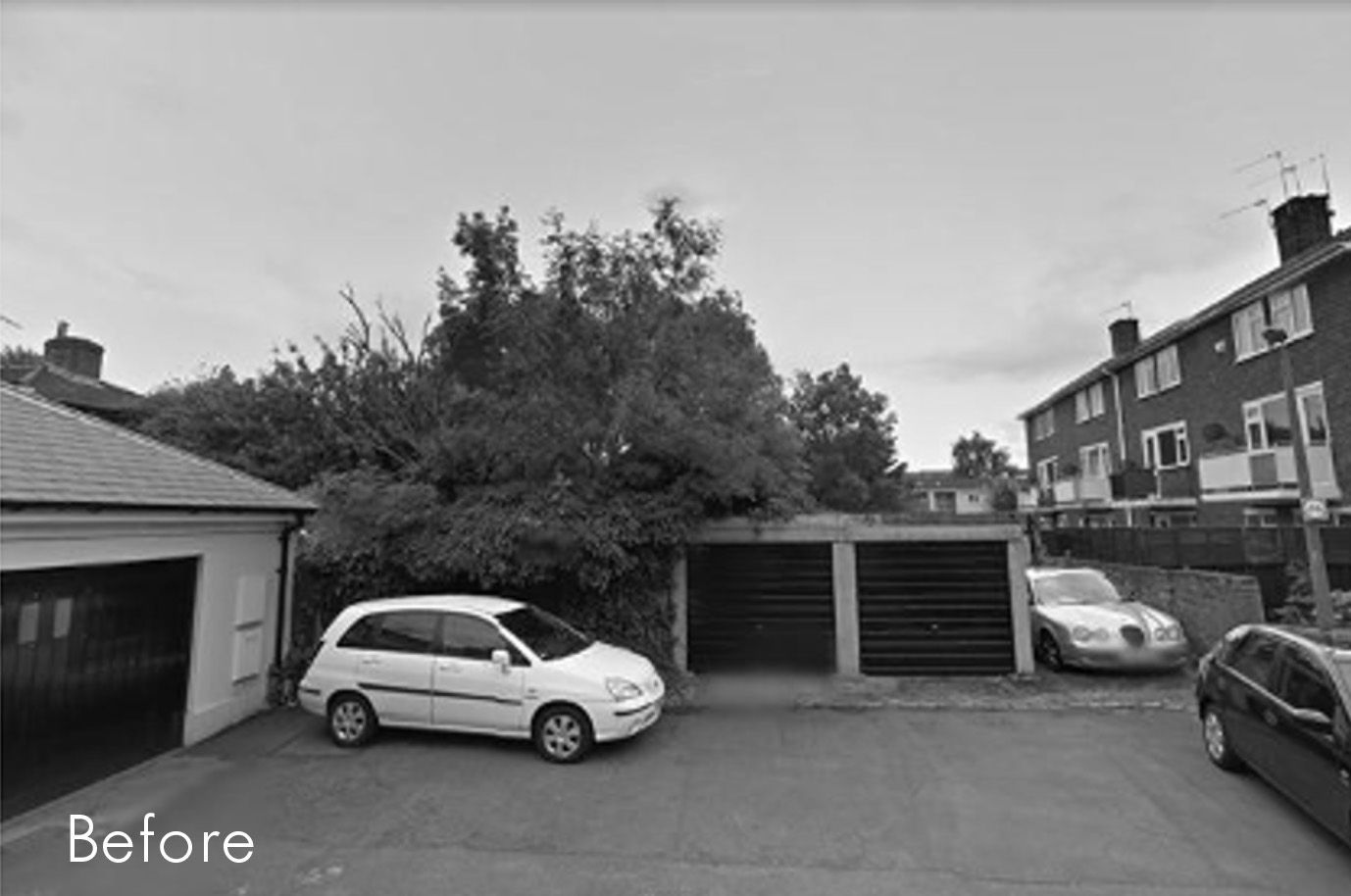
Developing these sites requires a different approach. They are typically embedded within established communities, surrounded by existing buildings and shaped by tight physical and planning constraints. Unlocking their potential demands careful design thinking, close attention to context and a willingness to engage with complexity.
At the same time, these sites offer clear advantages. They make use of land that is already within the urban fabric, close to infrastructure, transport and local services. Sensitive infill development can increase housing supply without large-scale demolition or major new infrastructure.
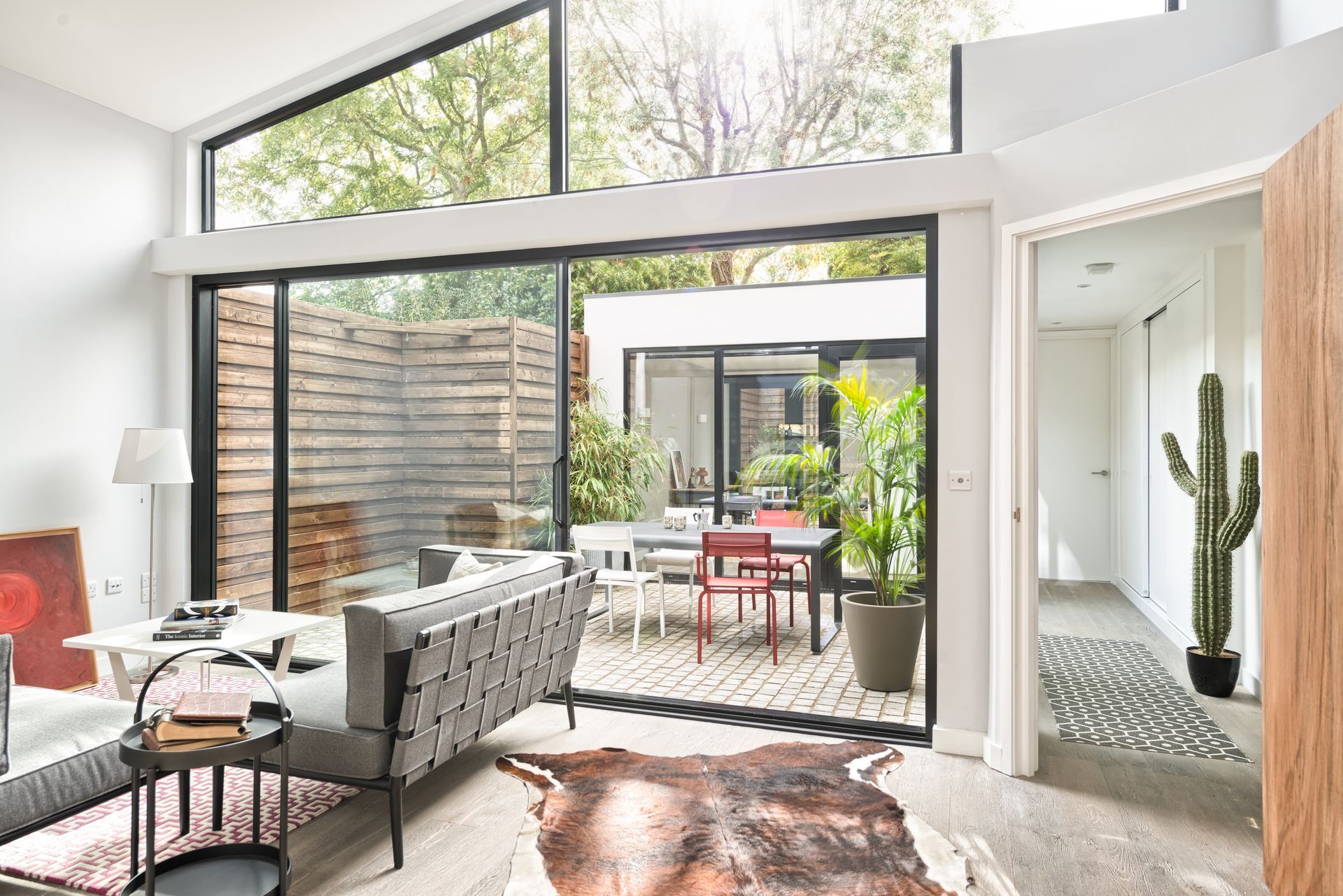
Our project Modern Courtyard explores this idea in practice.
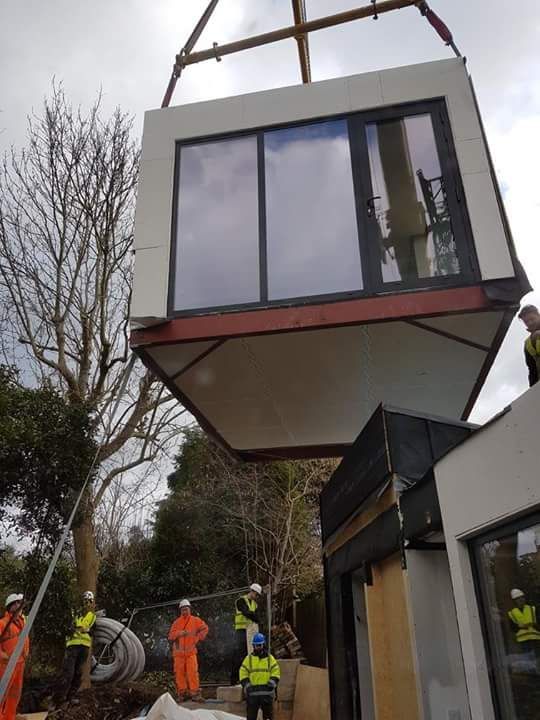
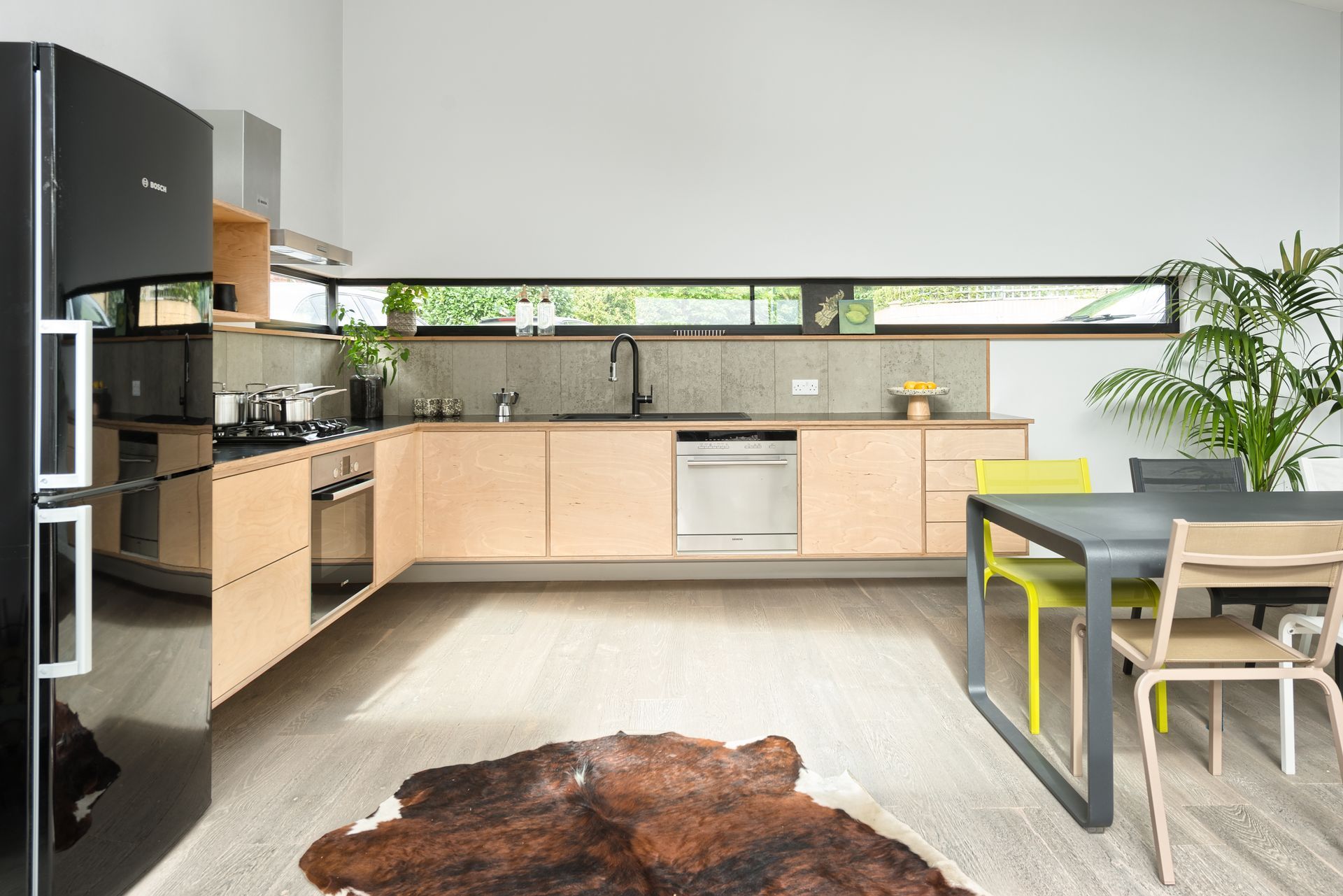
The house is built on the footprint of two former garages on an overlooked cul-de-sac site. Rather than seeing the tight constraints as limitations, the design uses them to shape the architecture. Two courtyards organise the plan, bringing daylight deep into the home while creating moments of openness within a compact site.
The result is a contemporary home that demonstrates how small, overlooked plots can be transformed into high-quality living spaces.
Projects like this raise important questions for London’s future. If approached thoughtfully, small sites can make a meaningful contribution to housing delivery while also supporting more sustainable forms of urban growth.
Join the conversation, 25th March, 12:30pm - 13:30pm
NLA Coffee Conversation
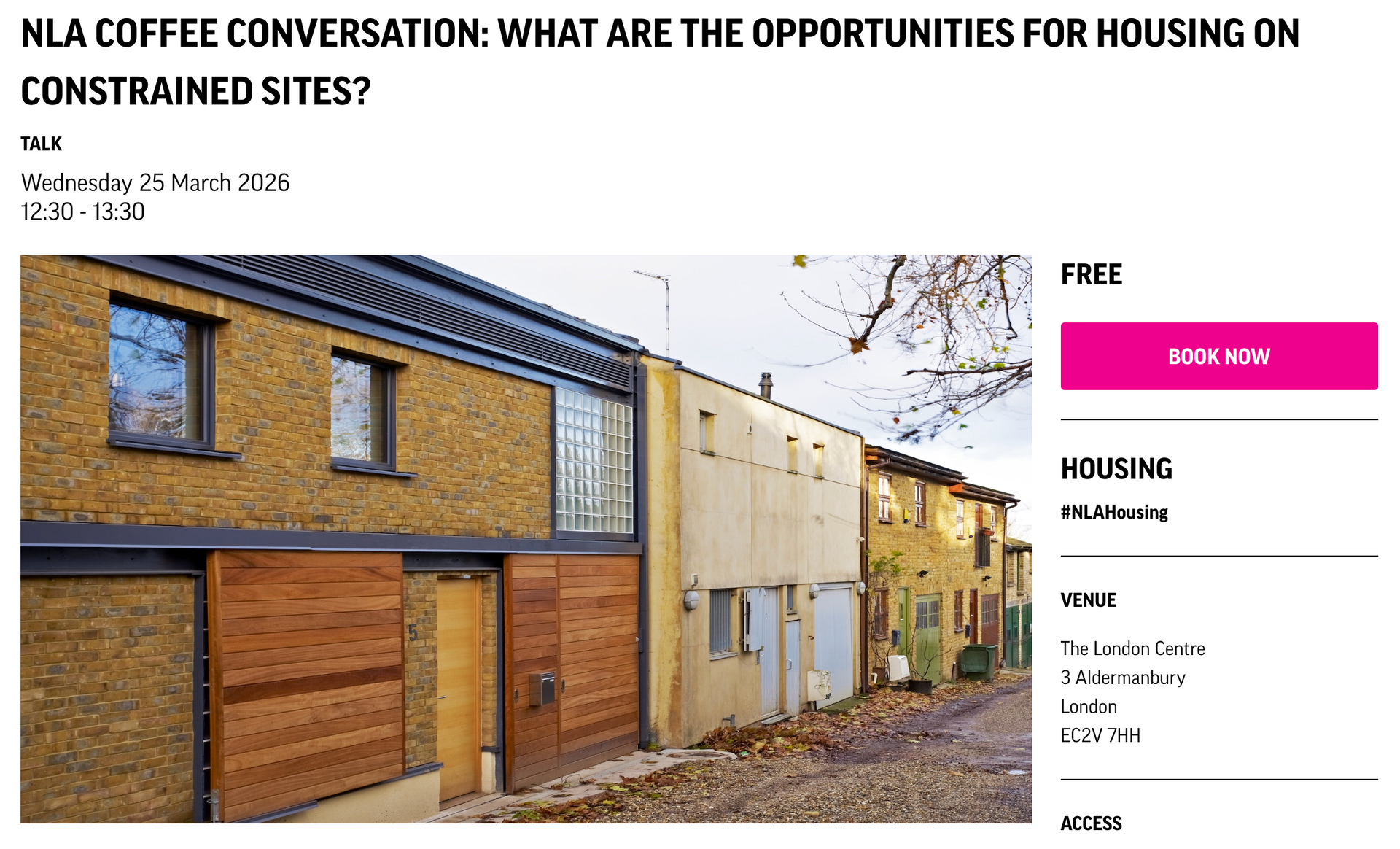
Richard will be discussing these ideas at NLA’s Coffee Conversation on 25 March, exploring the opportunities and challenges of delivering housing on constrained sites.
The discussion will consider how these overlooked plots can contribute to London’s housing supply, what design strategies are required to unlock them, and how they might form part of a more sustainable urban future.
Event details:
We will cover:
• The potential of small and overlooked urban sites to contribute to London’s housing supply
• Why backland plots, garages and residual spaces are often dismissed and how they can be unlocked
• Design strategies for working within tight spatial, planning and contextual constraints
• How infill development can reduce urban sprawl and make better use of existing infrastructure
• The role of fabric-first thinking and low-impact design in small-site housing
• Lessons from our projects that transform constrained plots into high-quality homes
As pressure on London’s housing supply continues to grow, it is increasingly important to explore opportunities within the existing urban fabric. Small sites are often overlooked, yet collectively they represent significant potential for delivering new homes in established neighbourhoods.
The session is free to attend and open to all, including architects, designers, planners, developers, local authorities and anyone interested in housing, urban regeneration and the future of London’s built environment.
You can reserve your place here:
https://nla.london/events/nla-coffee-conversation-what-are-the-opportunities-for-housing-on-constrained-sites
Click here for link to reserve a place
https://nla.london/events/nla-coffee-conversation-what-are-the-opportunities-for-housing-on-constrained-sites
The session is free to attend and open to all, including architects, designers, planners, developers, local authorities and anyone interested in housing, urban regeneration and the future of London’s built environment.
It would be wonderful to see you there and continue the conversation around this increasingly relevant topic.
If you are feeling inspired, book a call with Richard in order to discuss your plans for your home!
Book a call
Ask an expert
Book a free consultation today with Richard Dudzicki, RDA's director, founder and lead architect.
Ease your mind and take the first step towards your future home with confidence. No commitment, flexible timings.
How Do You Retrofit a Victorian House Without Losing Its Character?
How we keep an EnerPHit home cool during a heatwave?
London Festival of Architecture: Small sites and Big Belonging with RDA, Guided Tour
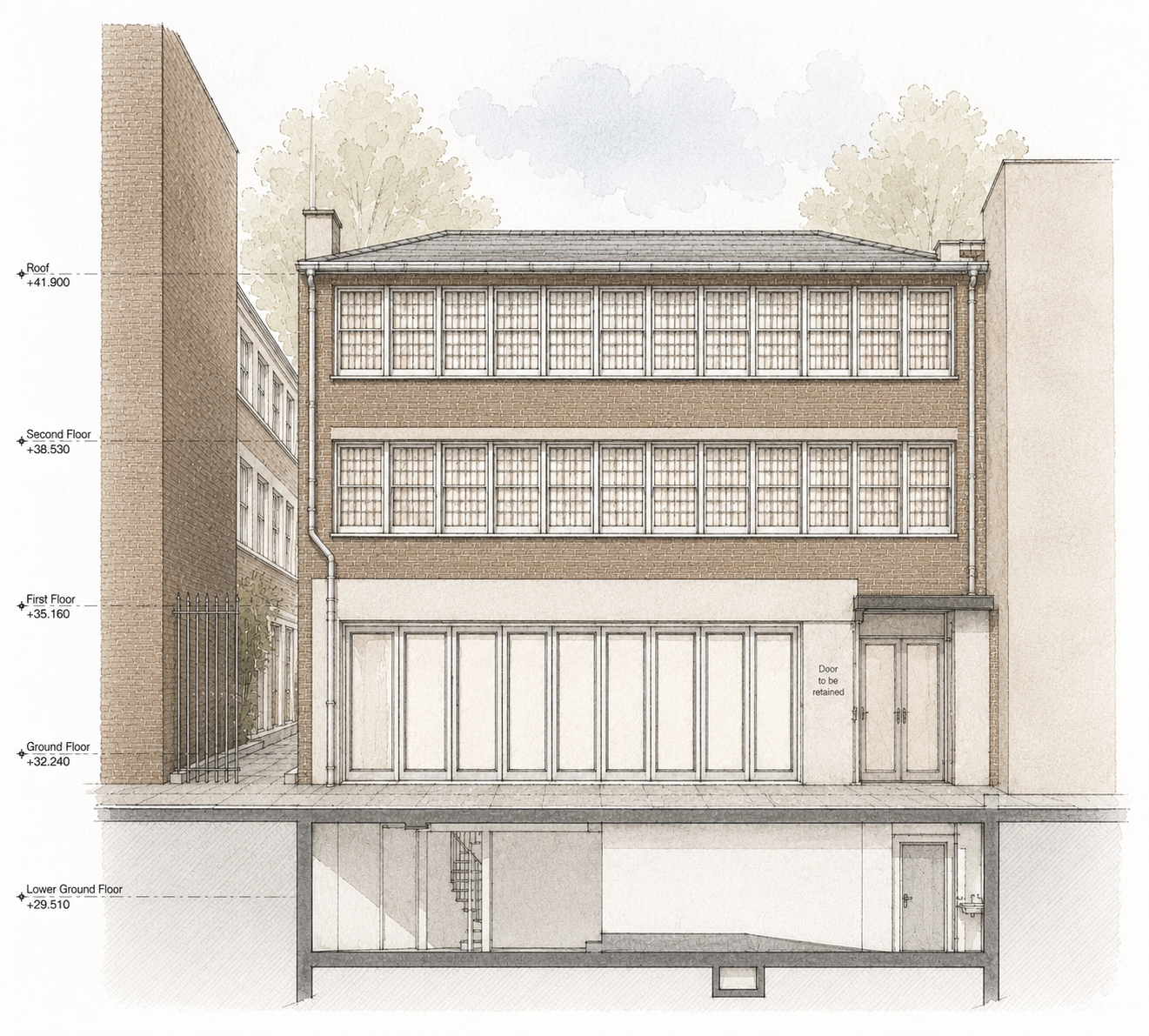
We are pleased to announce that planning approval has been secured for Wedged House . A conversion of a three-storey commercial building with basement accommodation into a single dwelling. The project presented a number of design challenges, including an unusual triangular footprint, limited access to natural daylight and an inefficient internal arrangement. Through a comprehensive internal reconfiguration, the proposal transforms the building into a bright and functional home while working entirely within the existing building envelope.