
RDA Office Transformation

History of the RDA Office

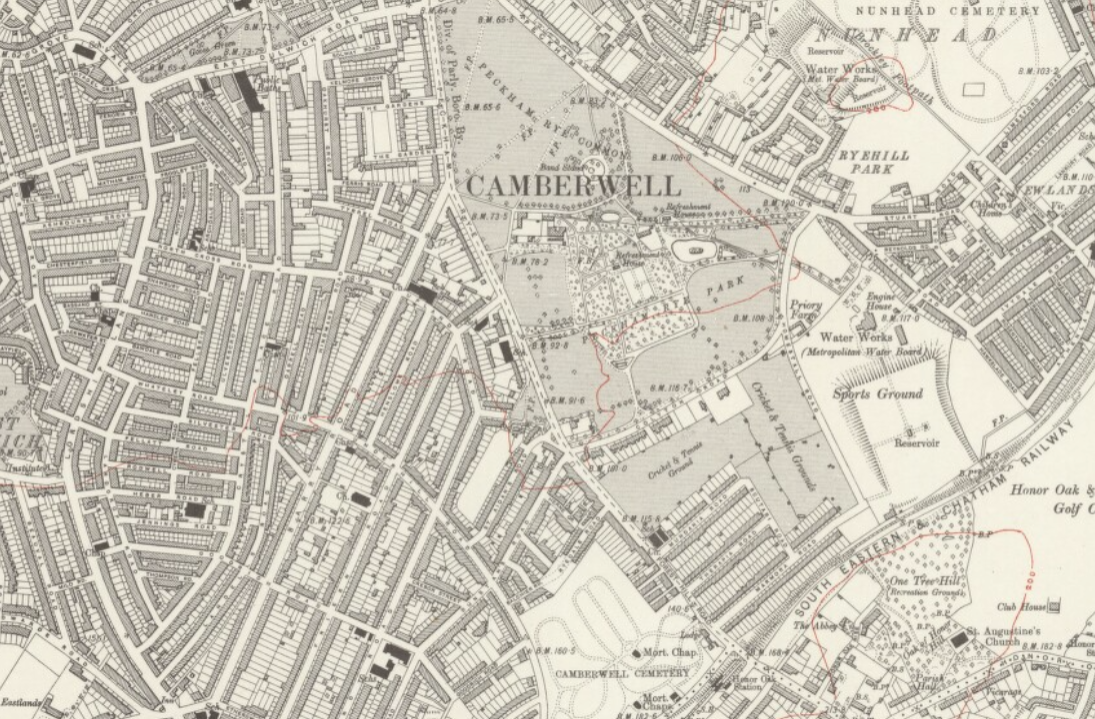
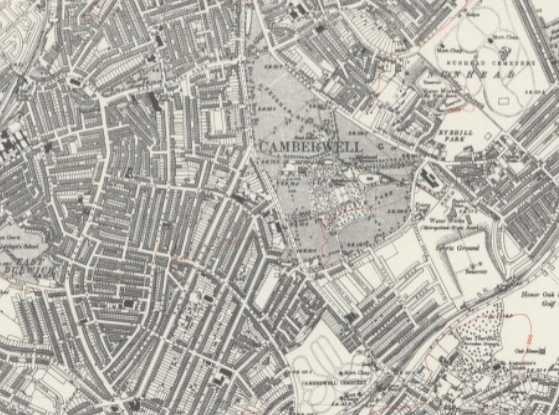
The development of East Dulwich

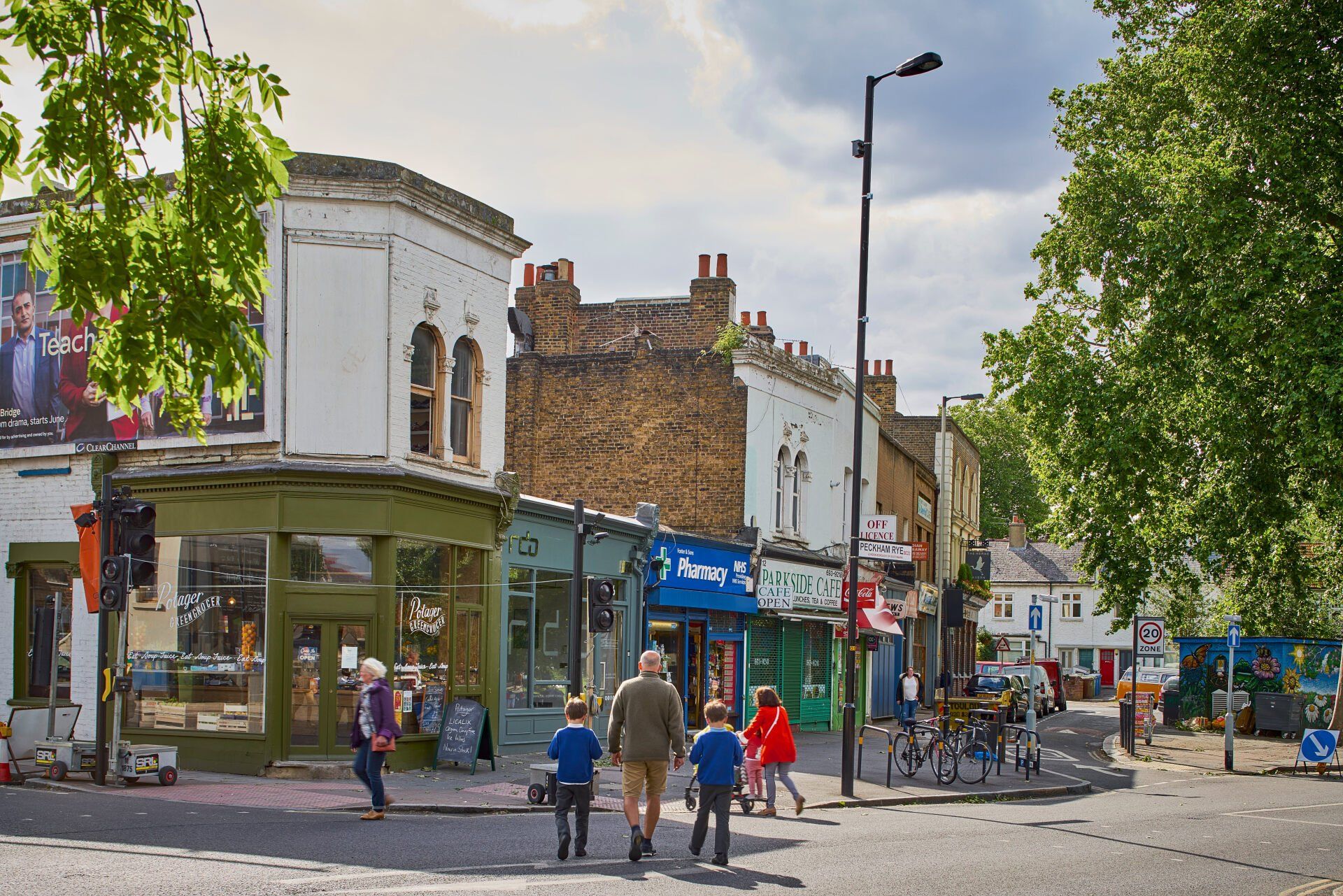
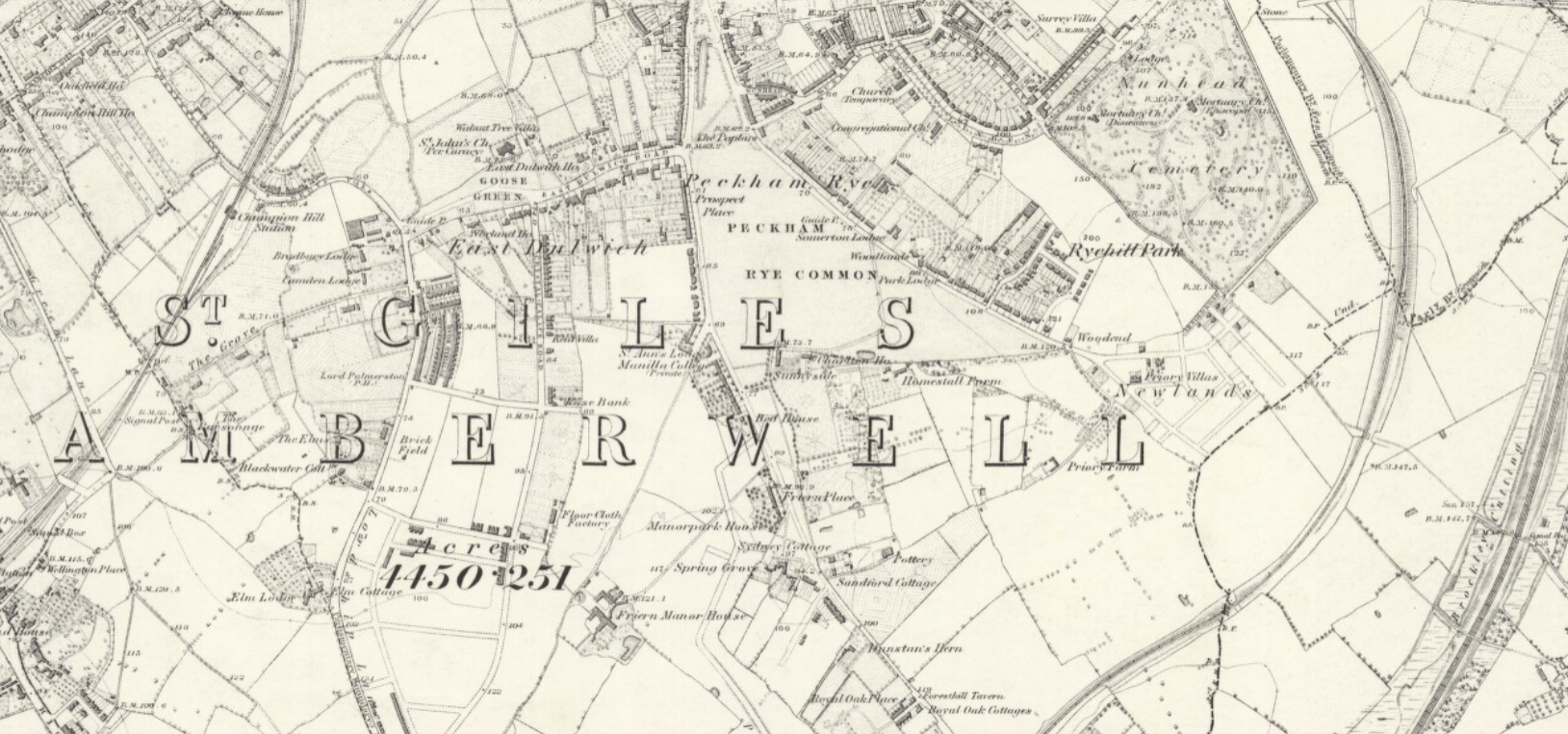
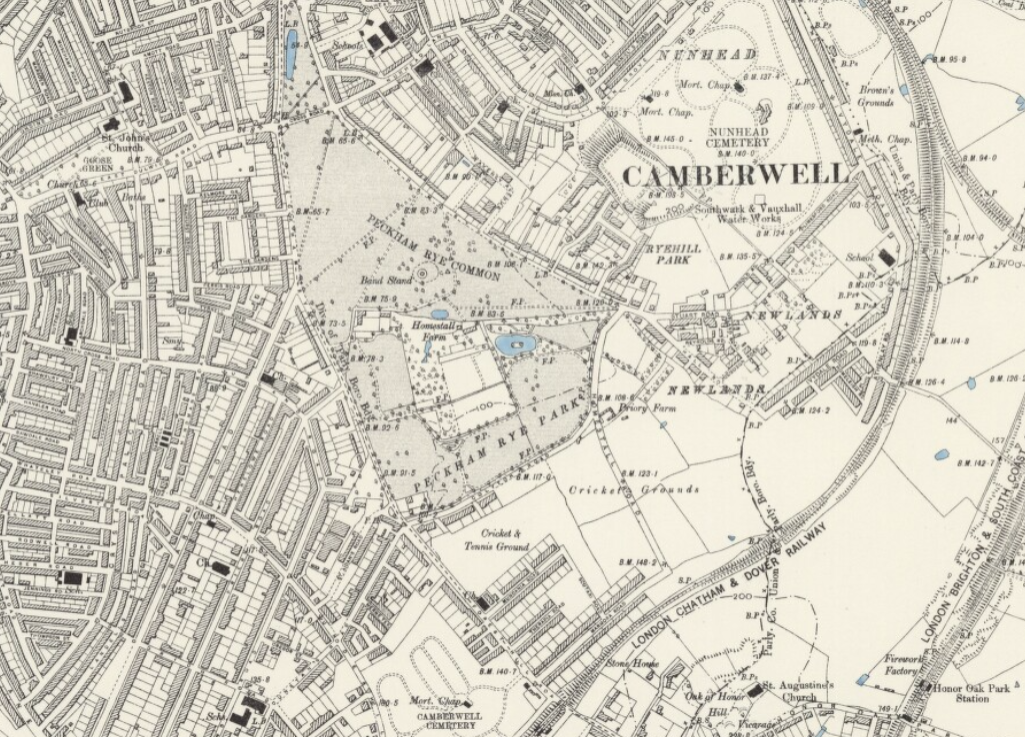
East Dulwich was developed fairly rapidly in the late 1800s. The area was transformed from fields and market gardens to housing aimed at a largely middle-class market. Managed by a specialist development company, its success was dependent on the availability of public transport into London.


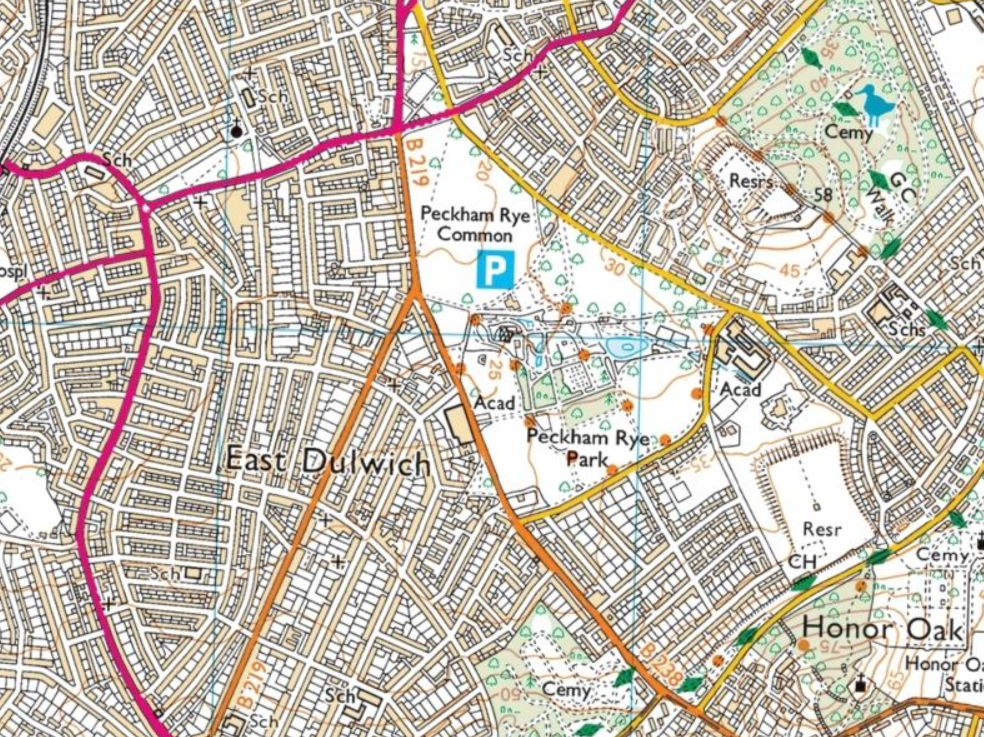
Our studio is situated between two historic estates. The area between Wood Vale, Barry Road and Lordship Lane was part of Friern Manor Farm, a large dairy farm. The area to the west, bounded by Lordship Lane, Barry Road and East Dulwich Road was part of the Bower-Smith estate.


History of the RDA Office

The development of East Dulwich

East Dulwich was developed fairly rapidly in the late 1800s. The area was transformed from fields and market gardens to housing aimed at a largely middle-class market. Managed by a specialist development company, its success was dependent on the availability of public transport into London.


Our studio is situated between two historic estates. The area between Wood Vale, Barry Road and Lordship Lane was part of Friern Manor Farm, a large dairy farm. The area to the west, bounded by Lordship Lane, Barry Road and East Dulwich Road was part of the Bower-Smith estate.


Peckham Rye, London


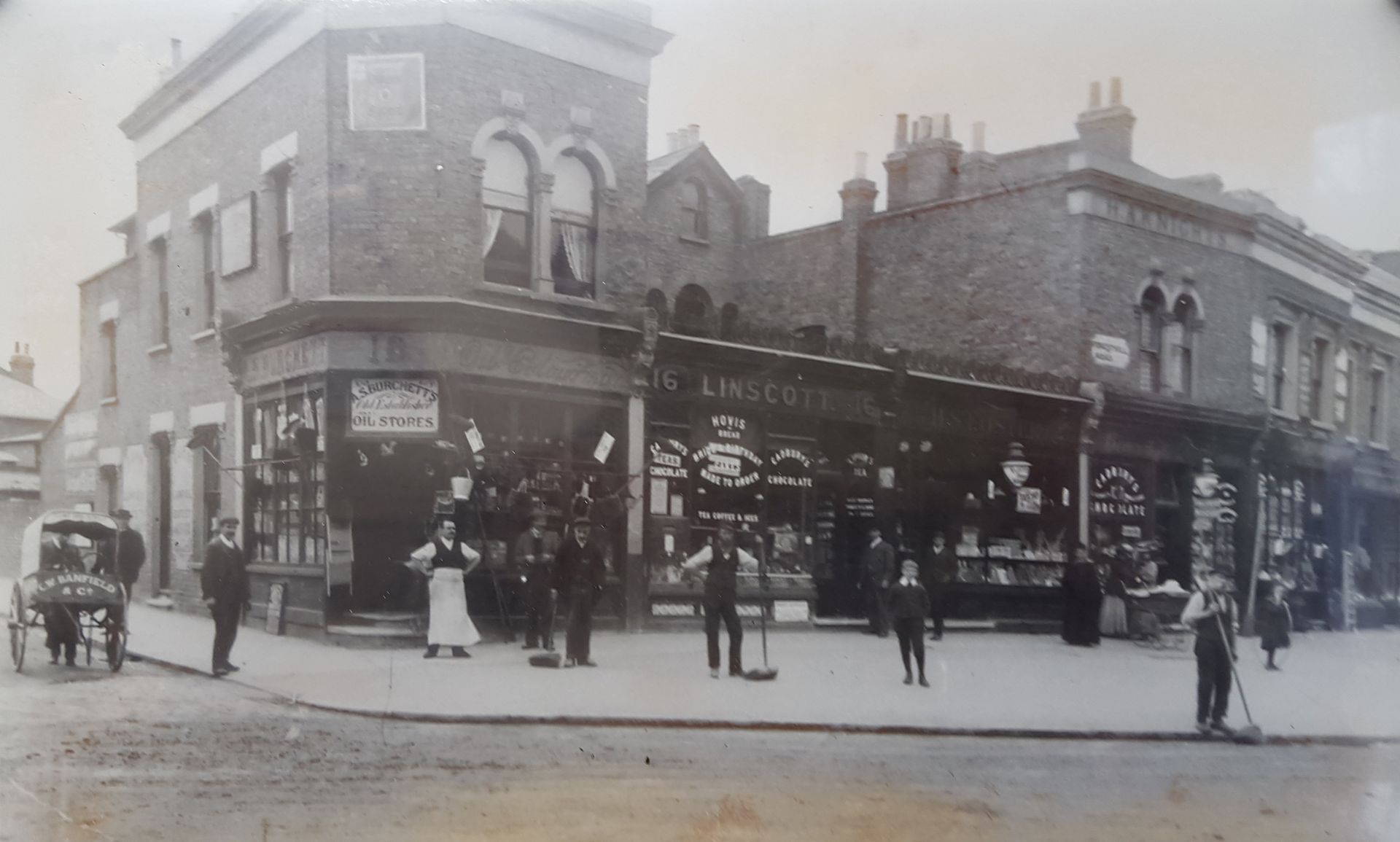
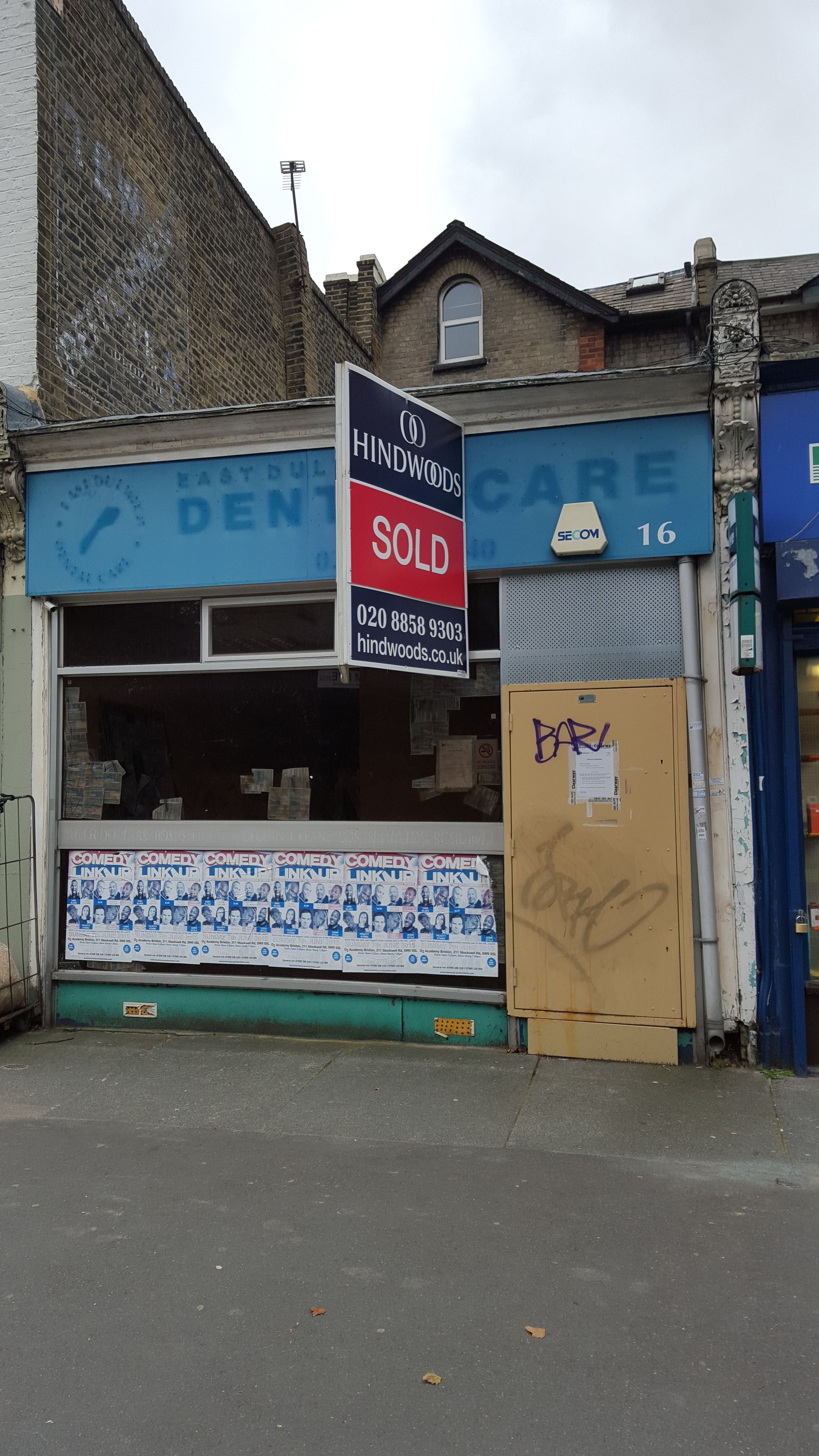
16 Forest Hill Road: a history of baking and confectionery

  • 1891 census: Owned by Alfred & Lena Lotinga. Alfred was a ship broker, Lena ran the bakery with her 7 sons and 1 servant (they also had a daughter)
  • 1901 census: Owned by Edward & Eliza Tew. Had 4 children & 2 servants
  • 1911 census: Owned by Harry & Mary Ann Petry. Had 2 children and 1 servant
  • 1939 Register: Still a bakery! Owned by Charles and Annie Lelicore
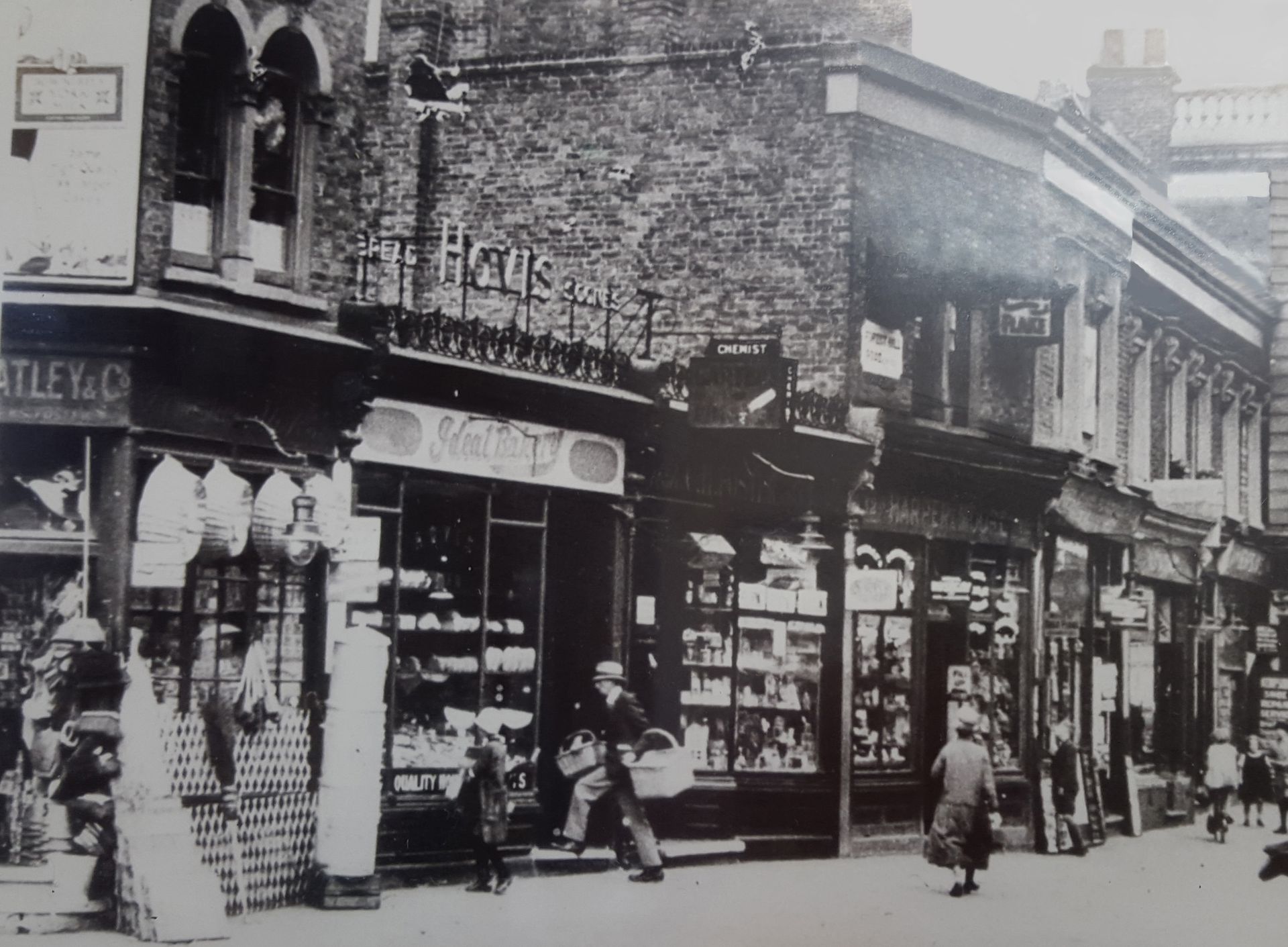

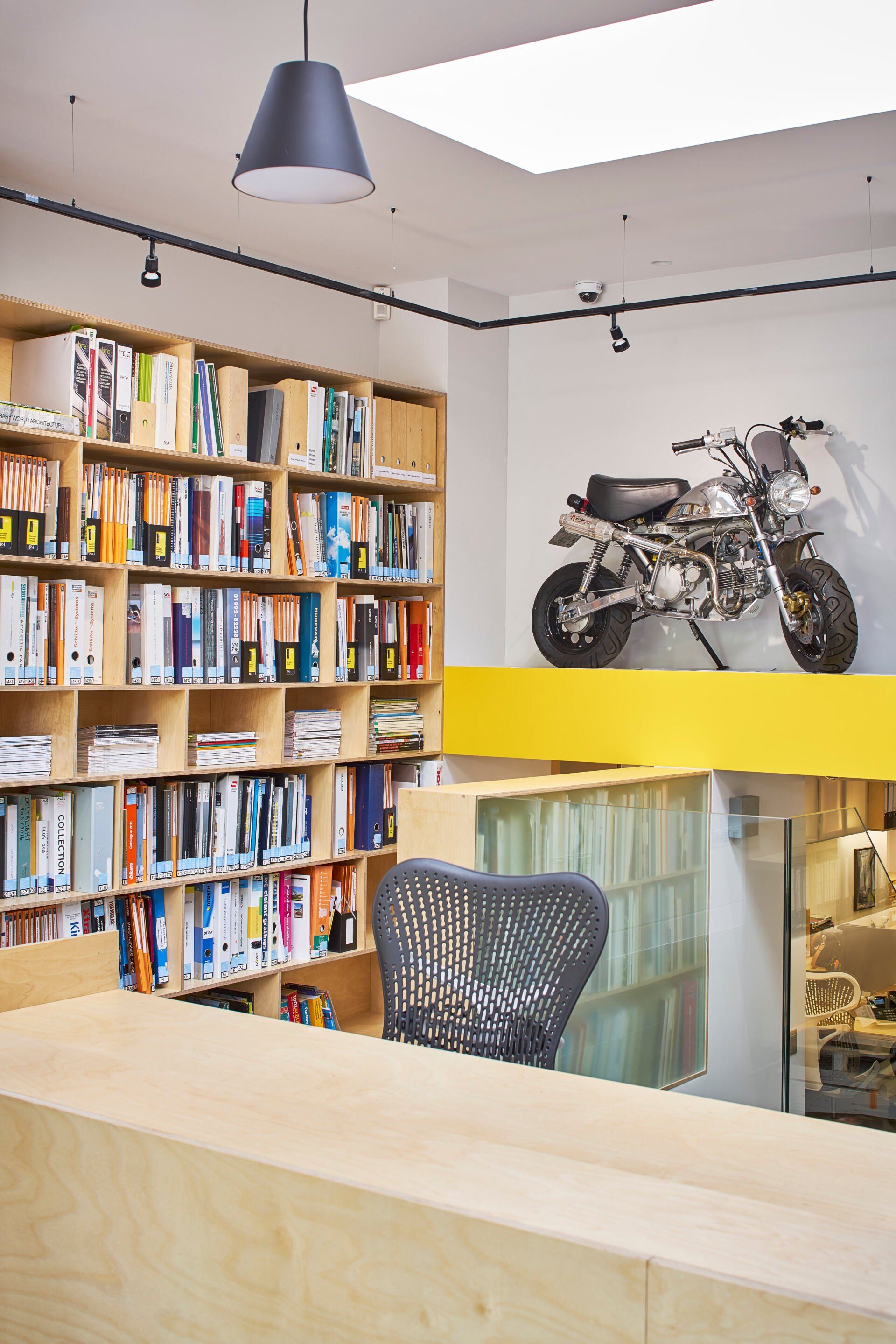
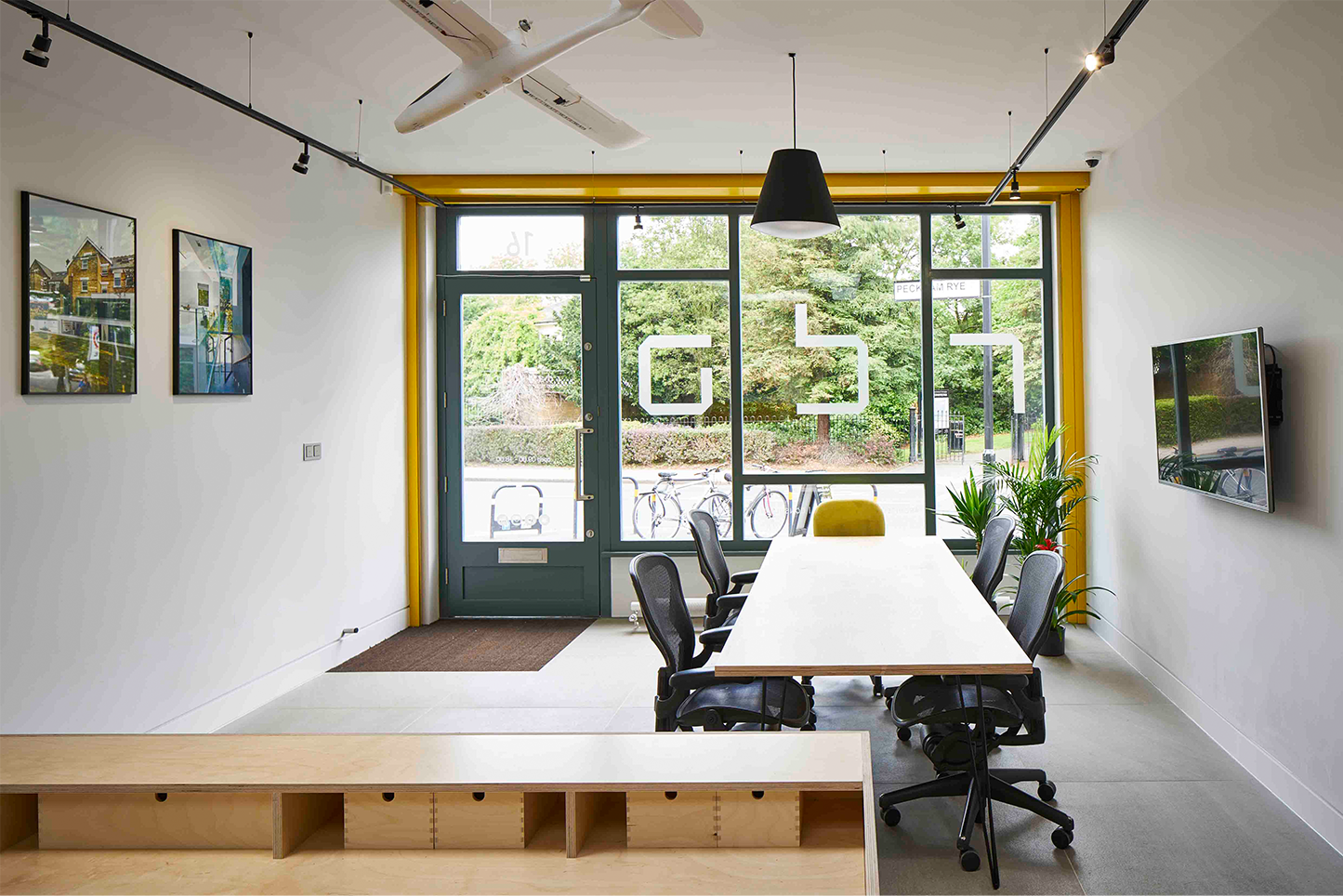
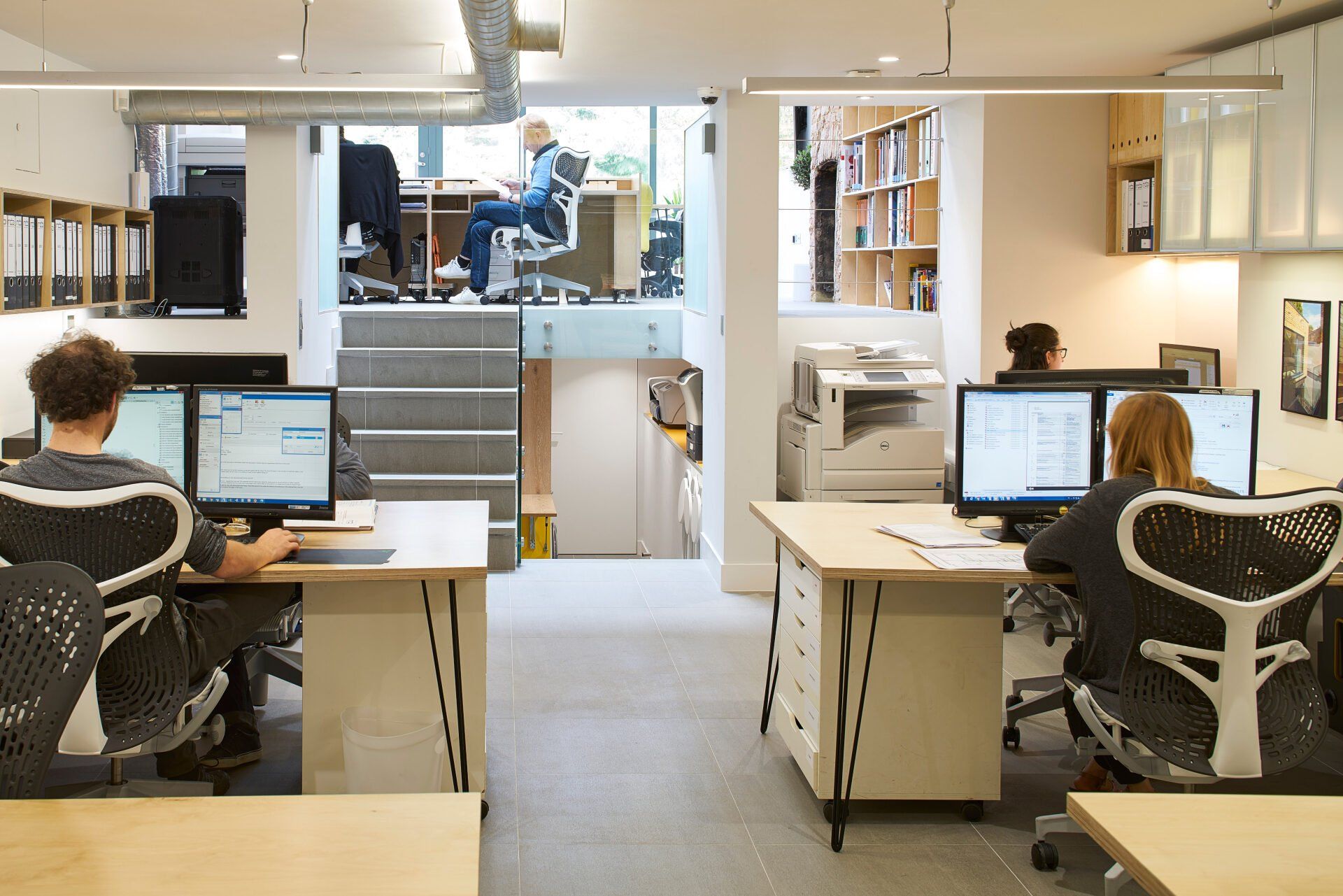
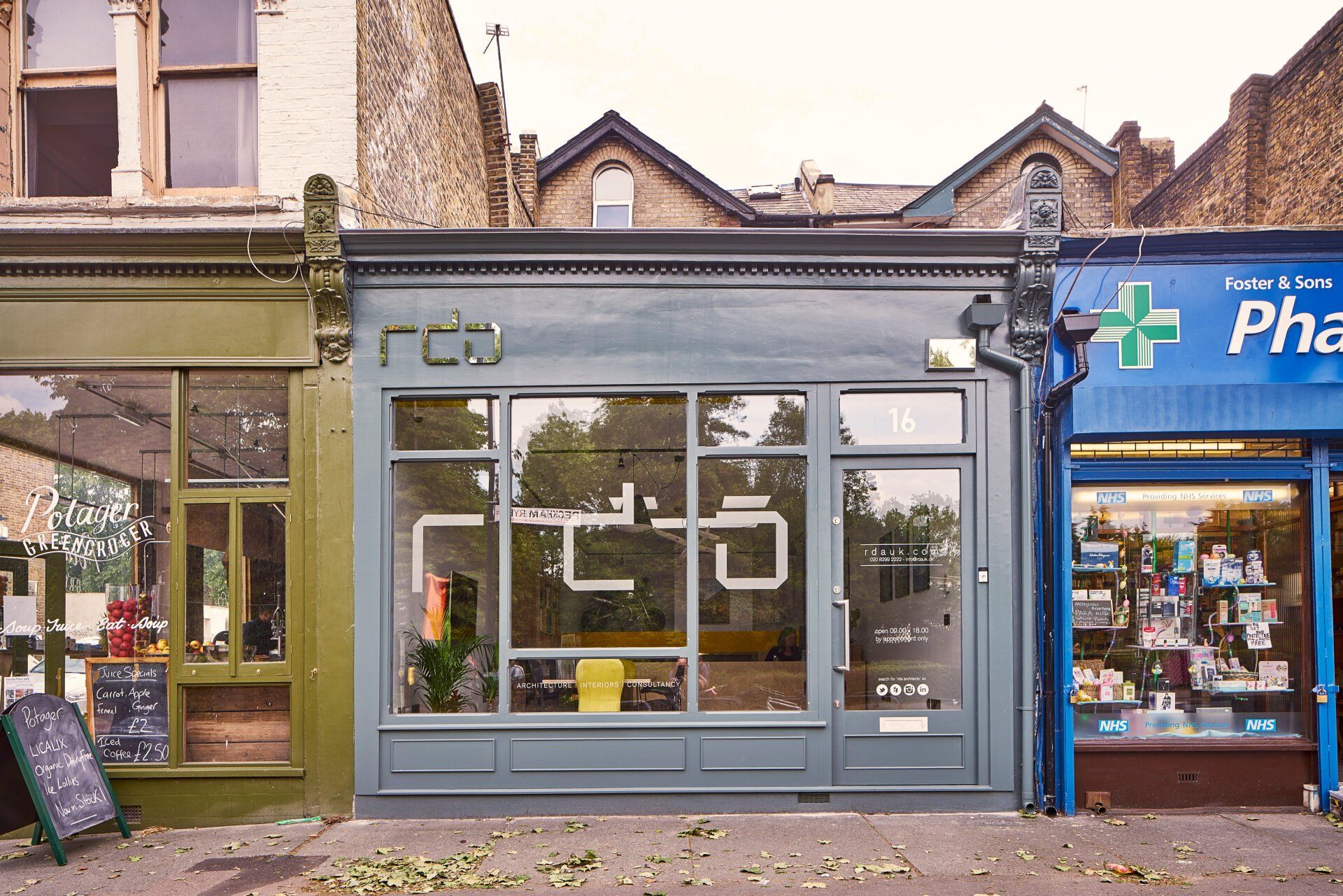
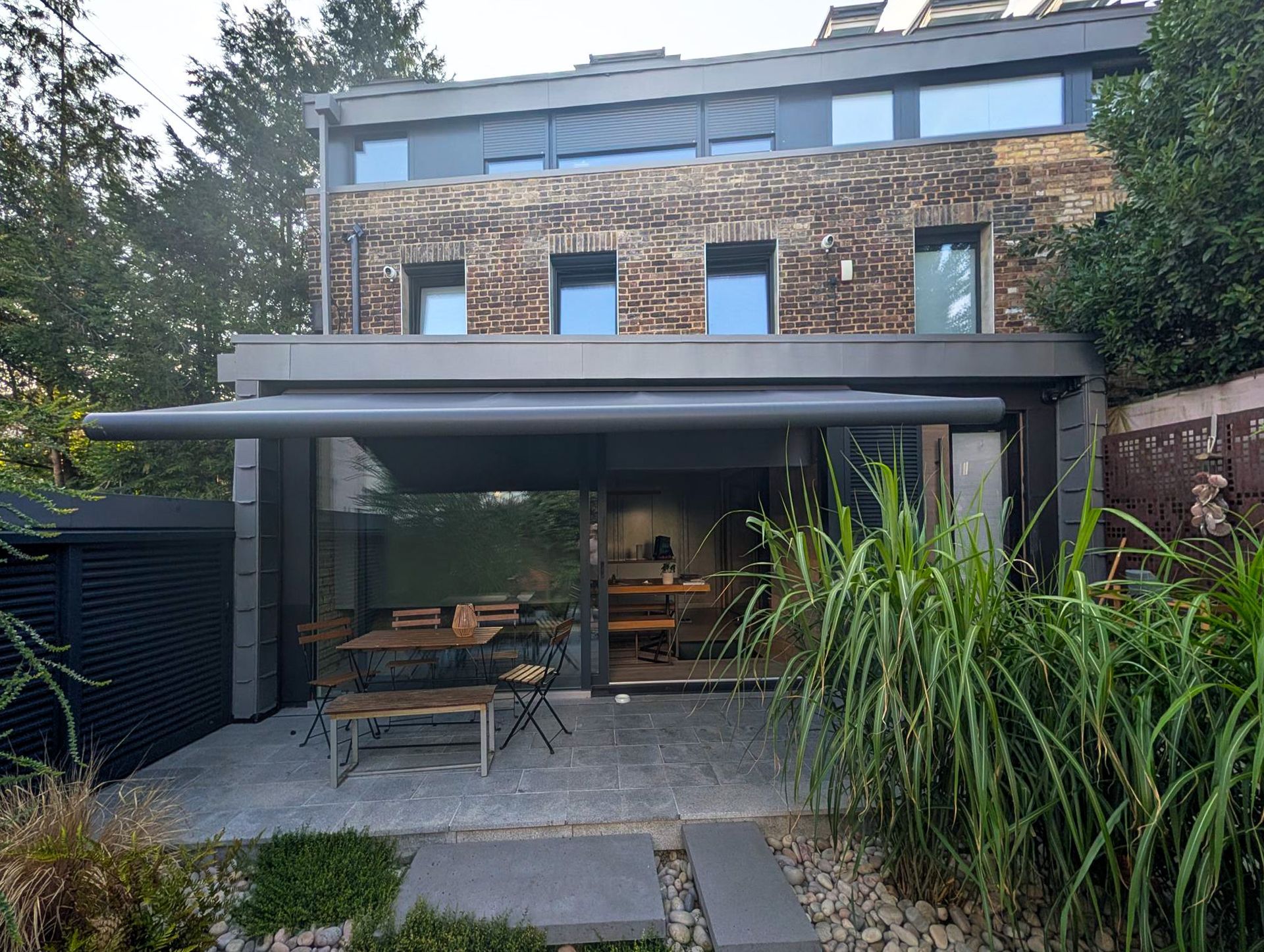
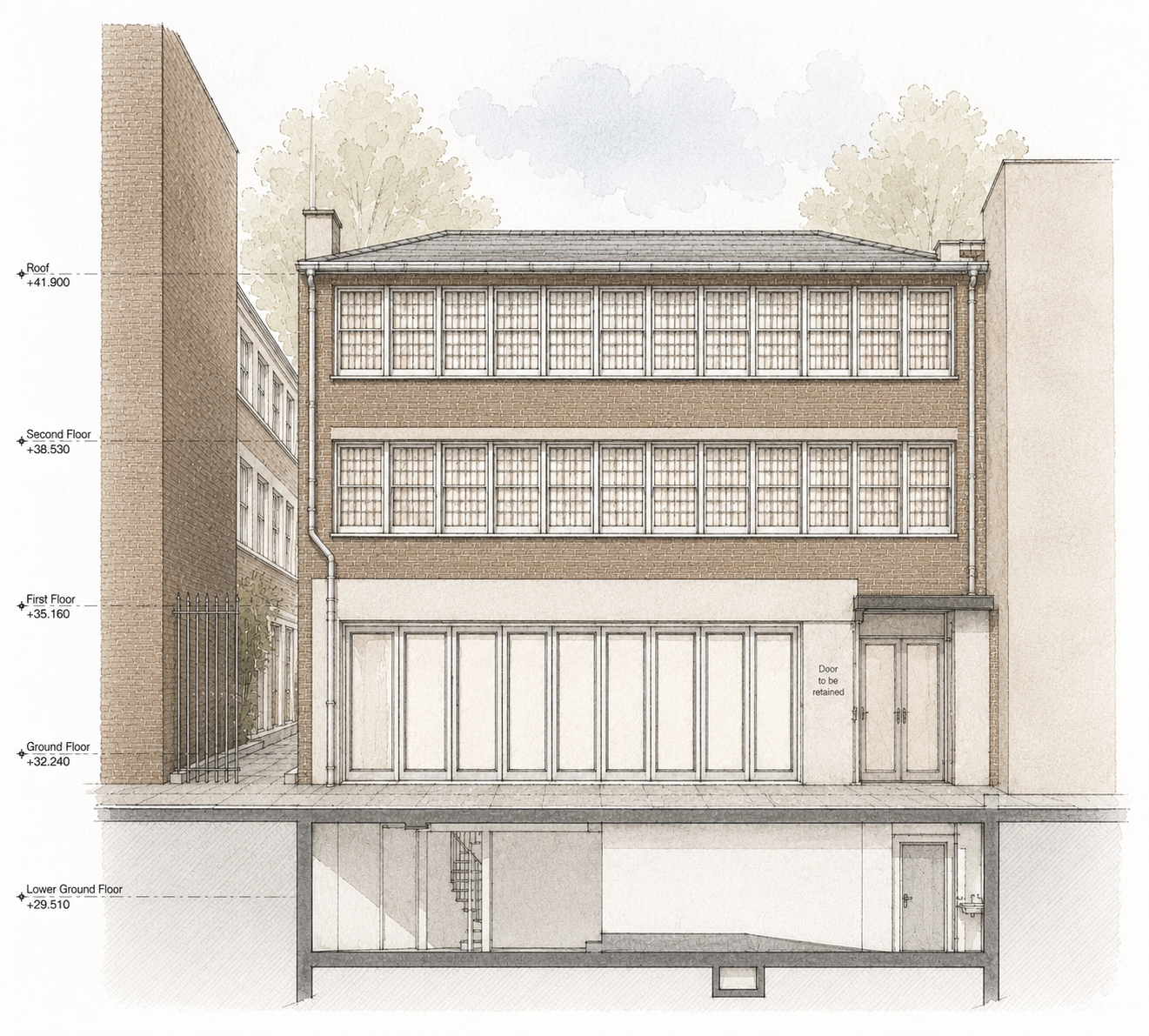
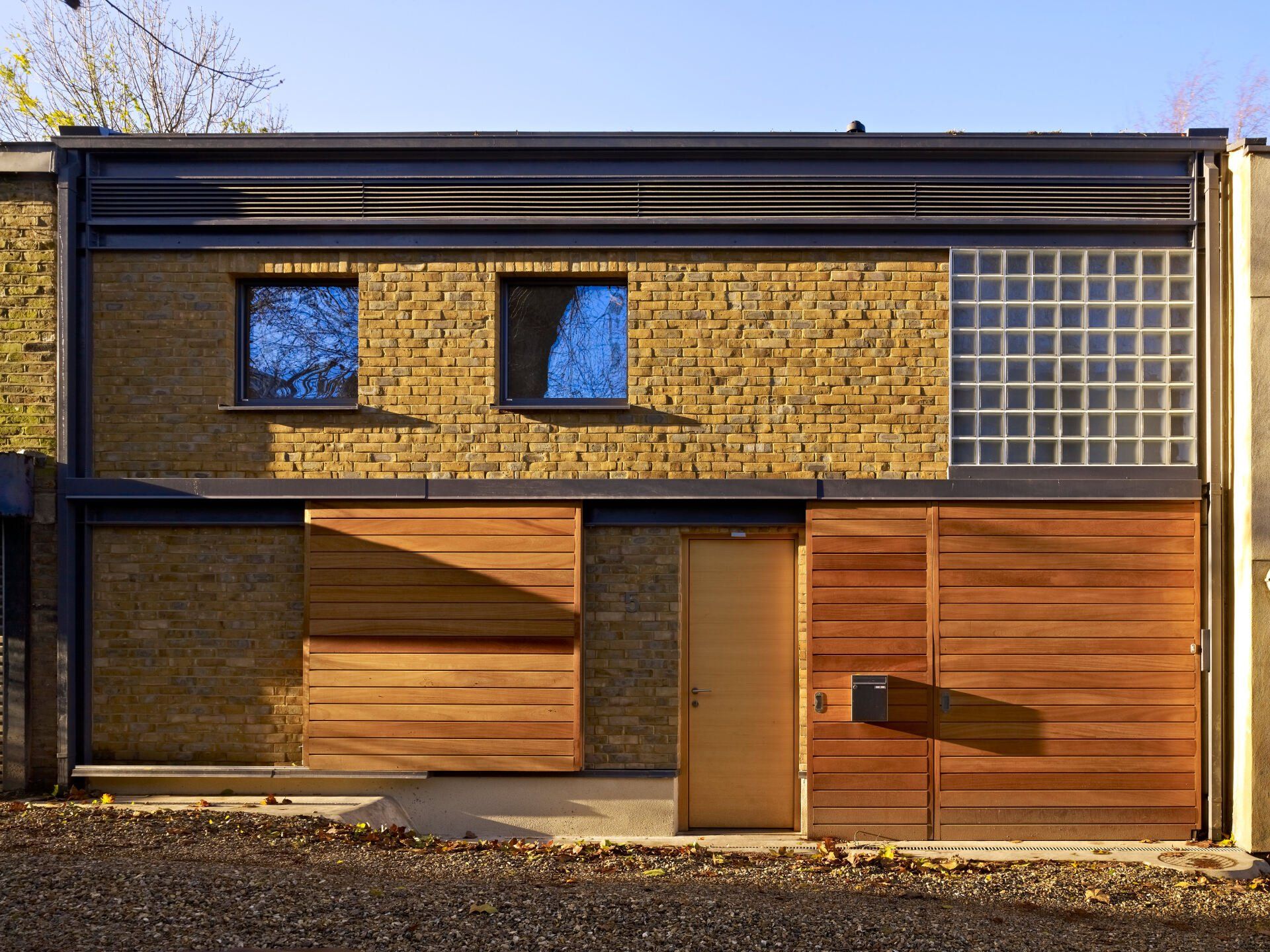
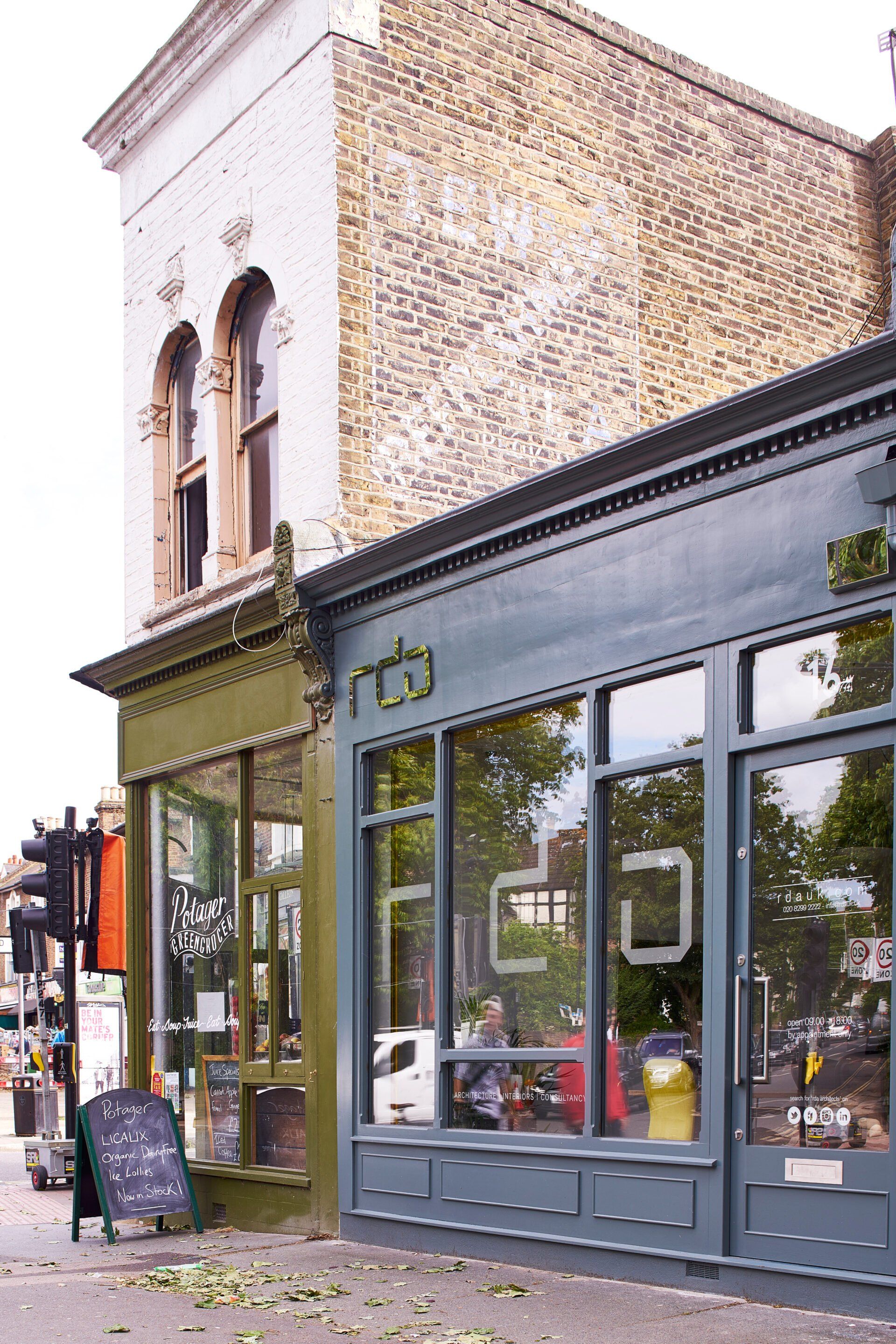
Our current studio has undergone many transformations in its lifetime. From a bakery in the 1880s, to a dental surgery and now an architectural studio. We were keen to reflect the buildings history when renovating and Victorian photographs allowed us to sensitively design a timber shopfront that reflects the buildings past whilst fitting seamlessly into its current surroundings.


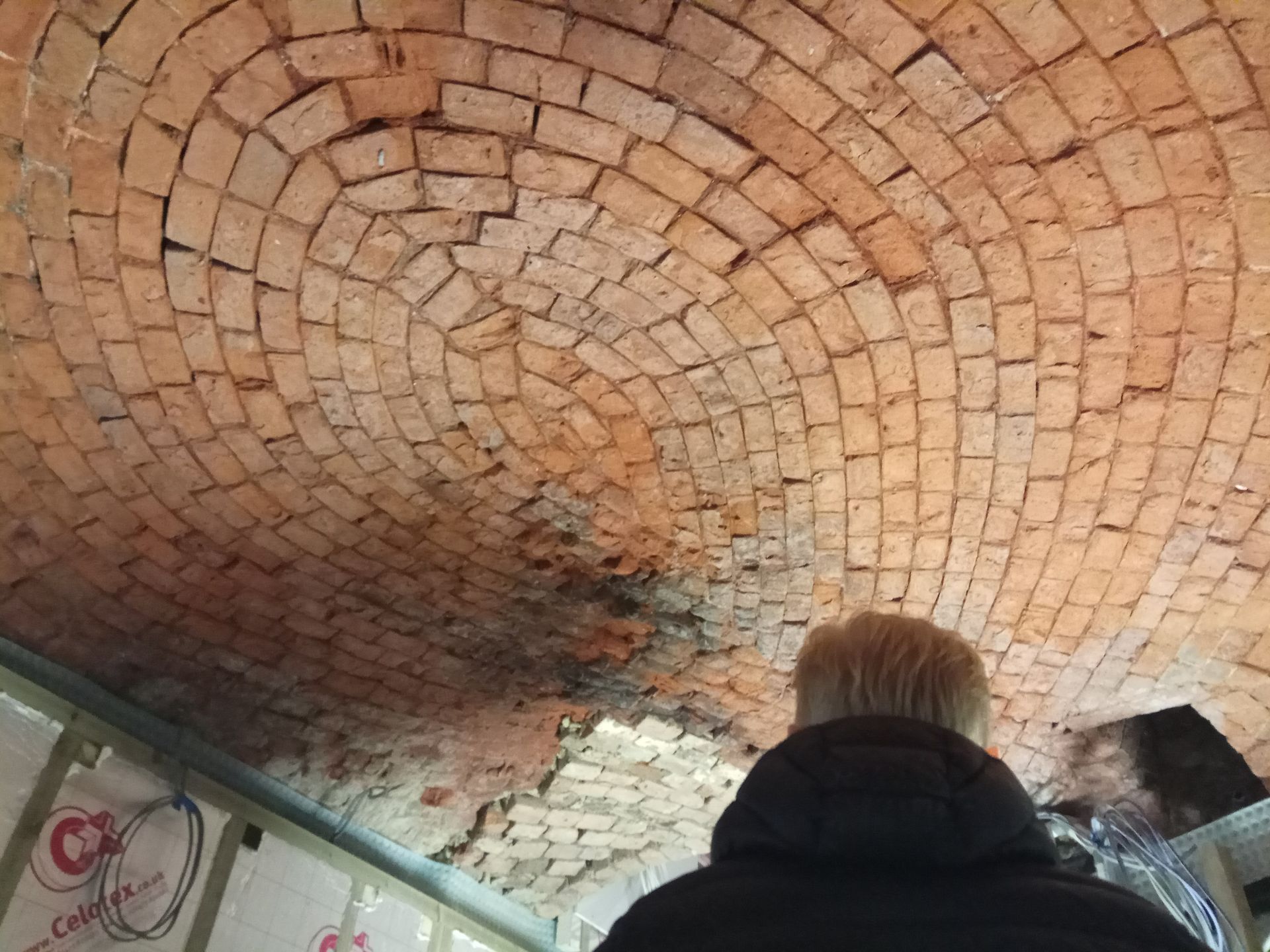
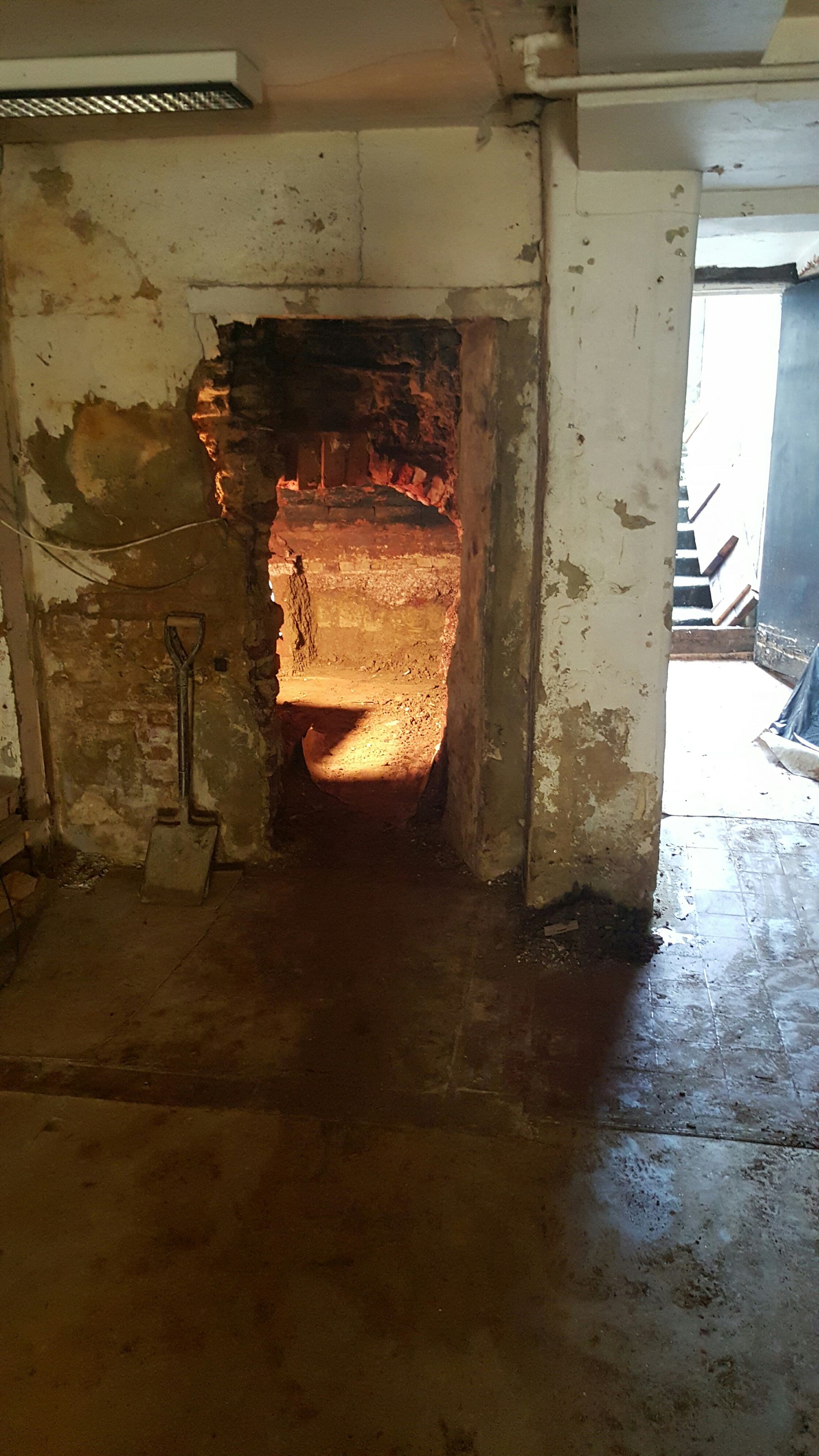
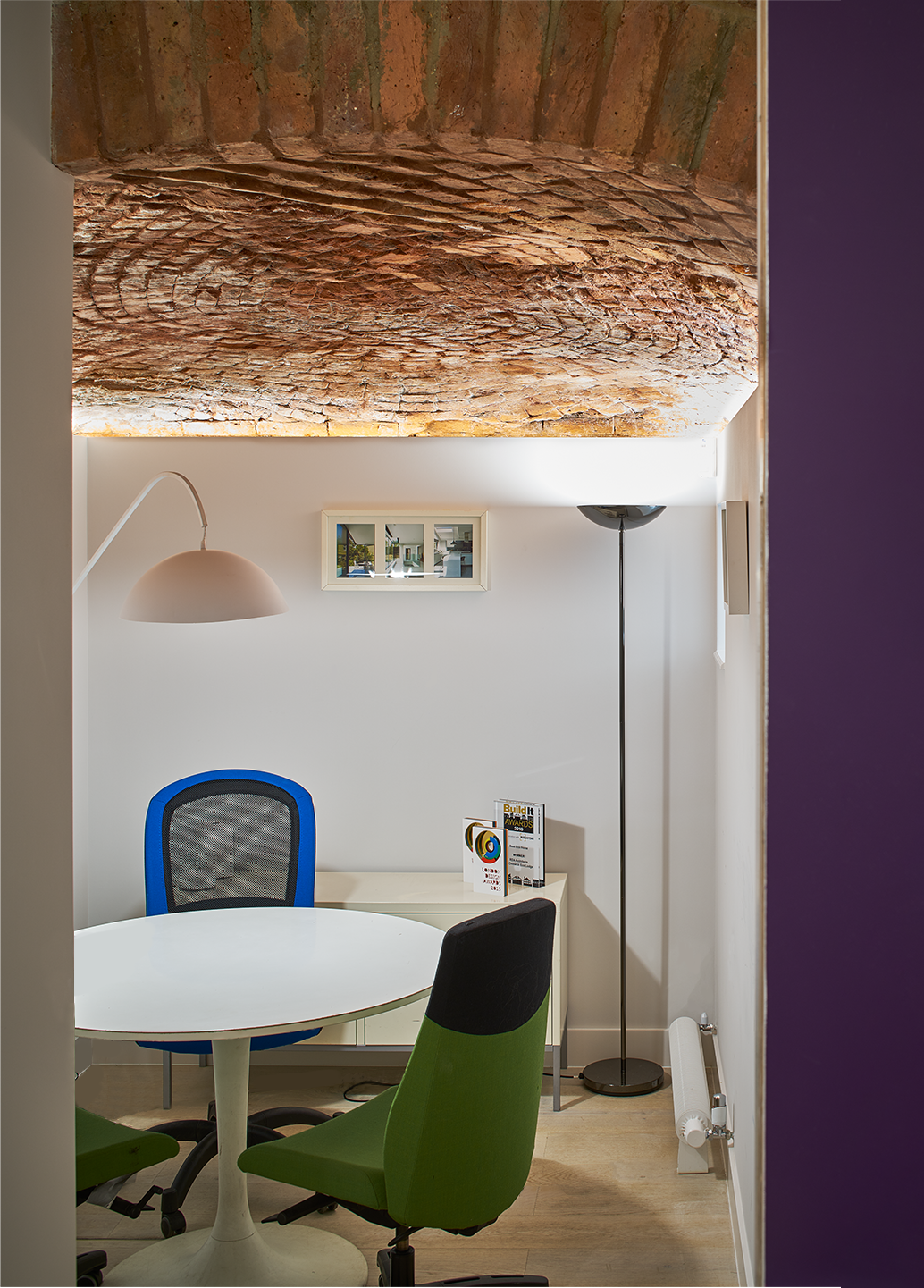
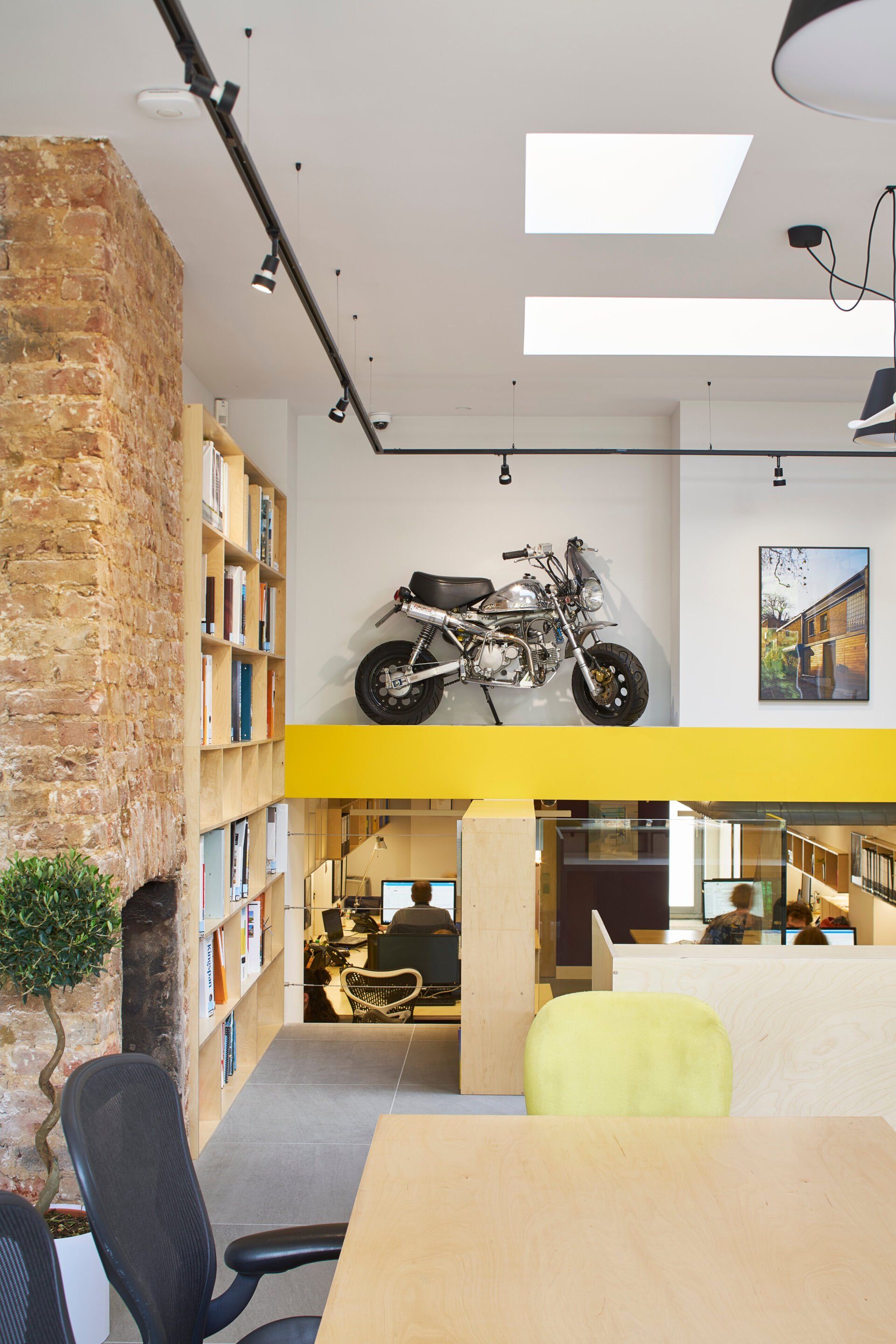
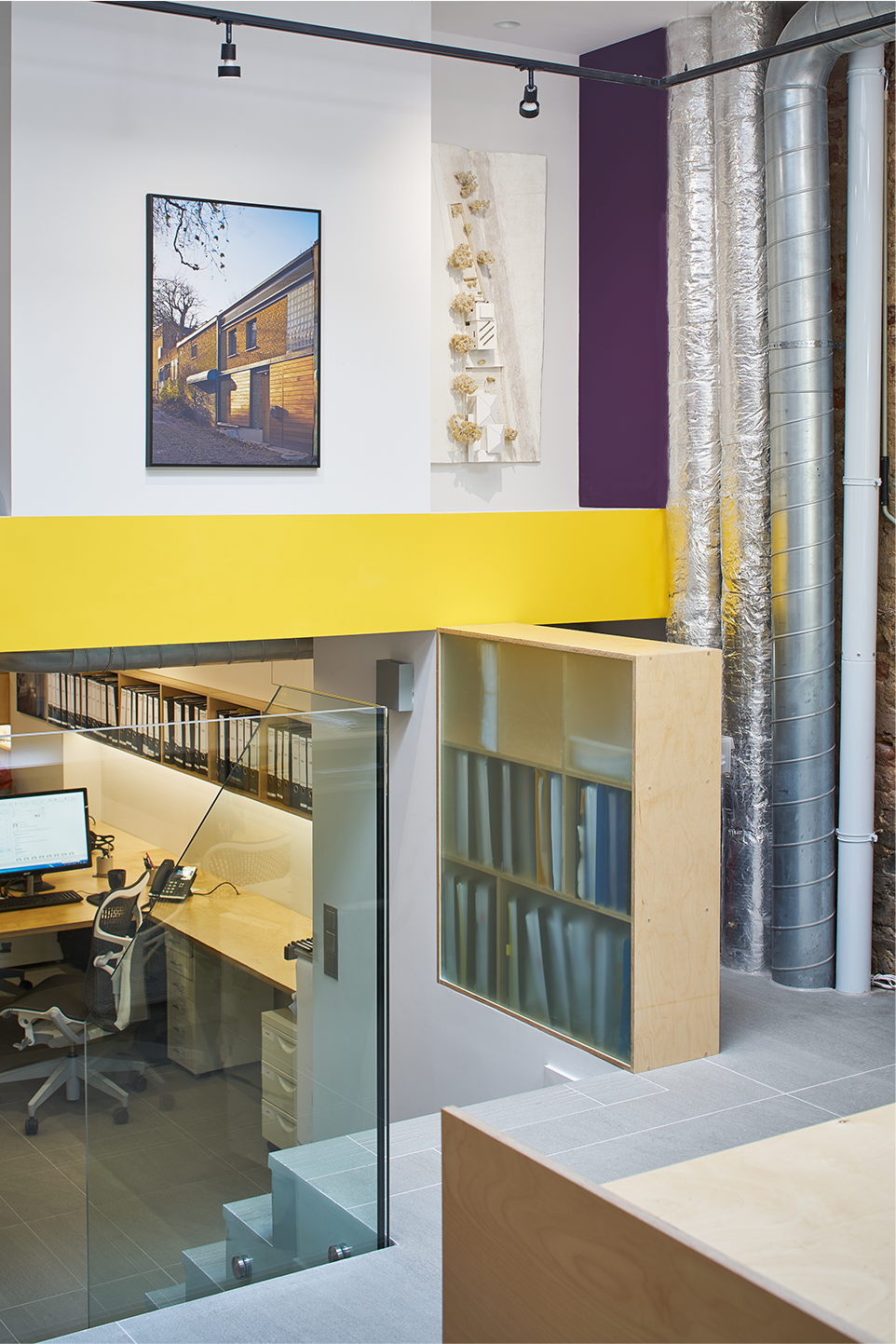
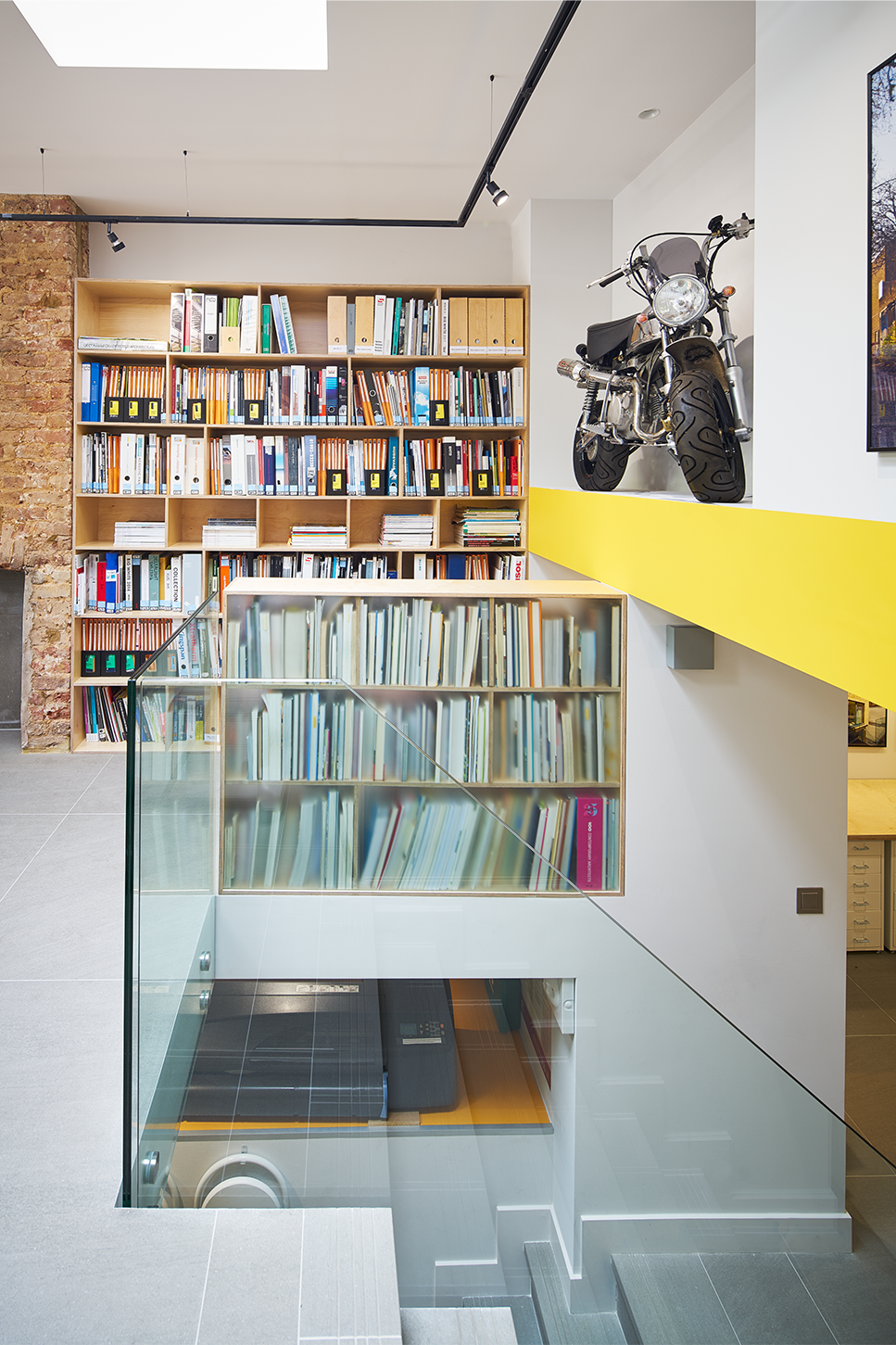
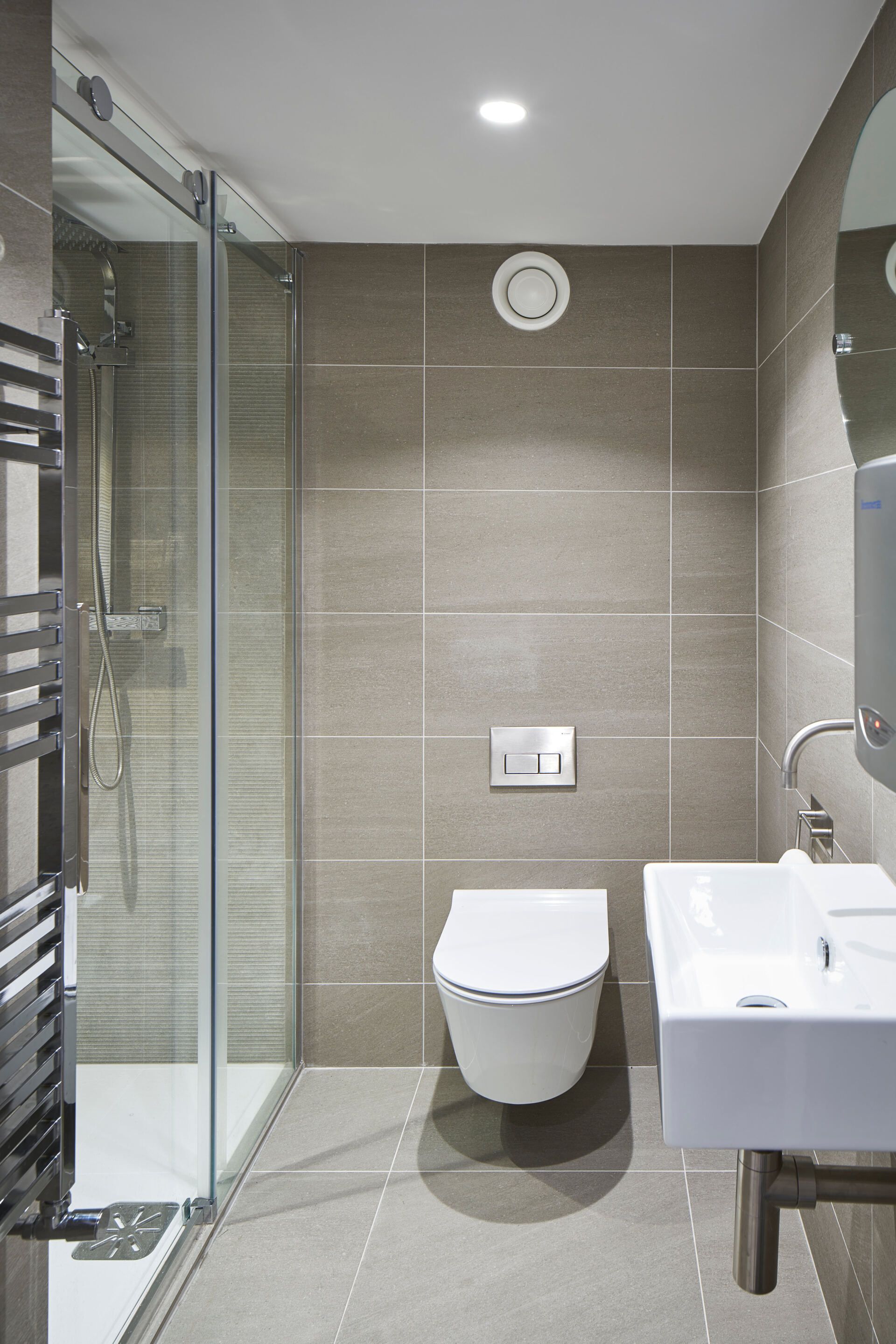
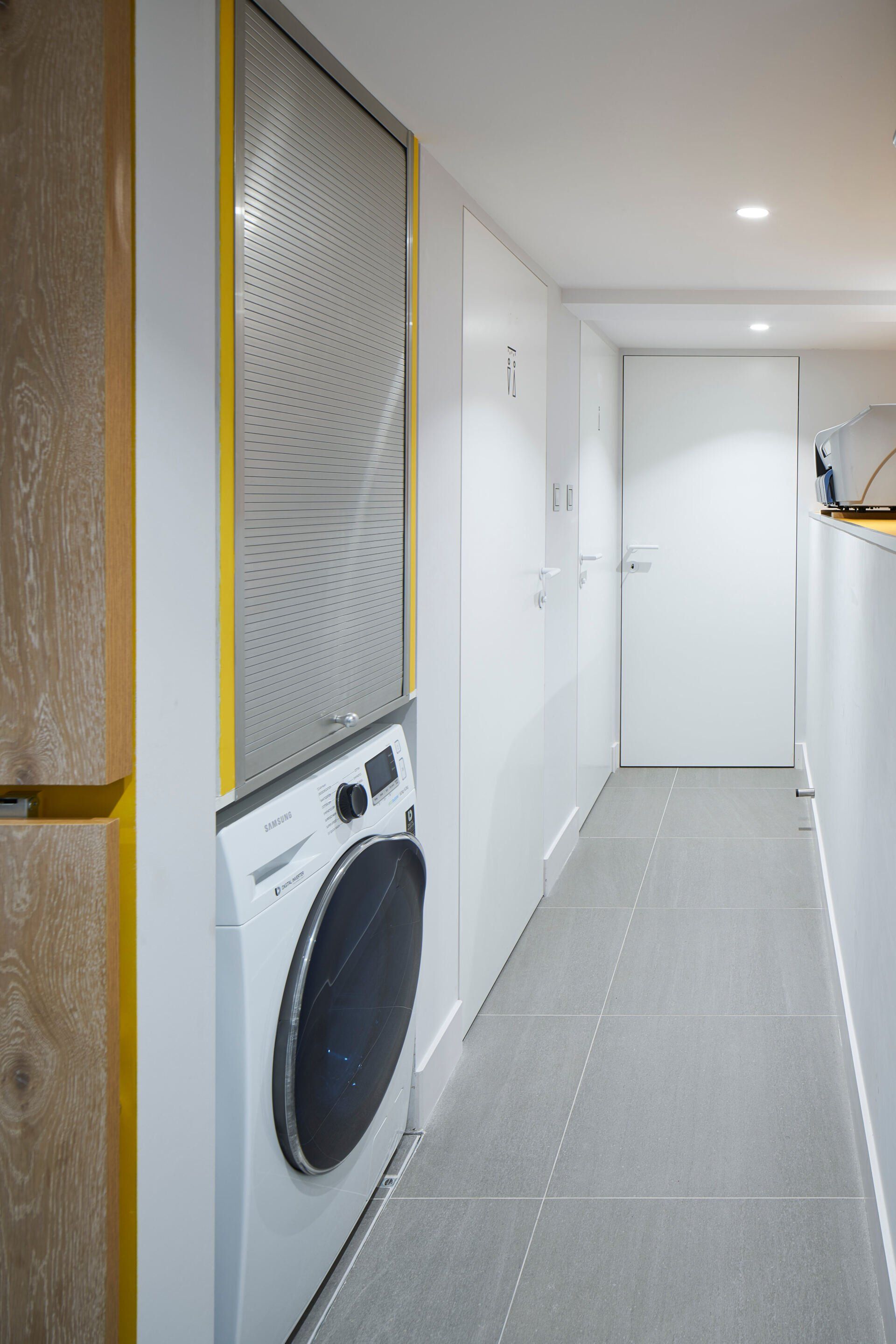
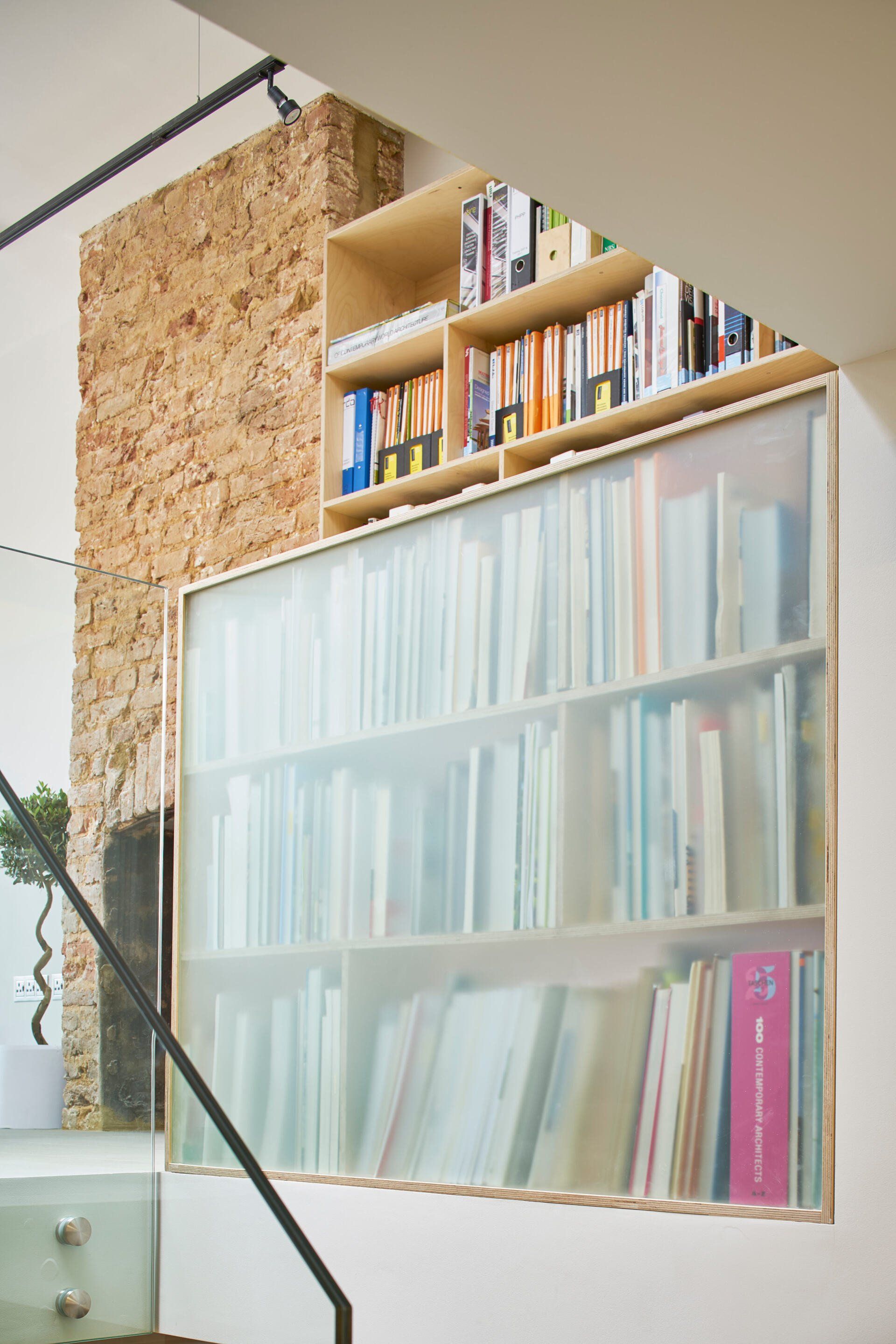
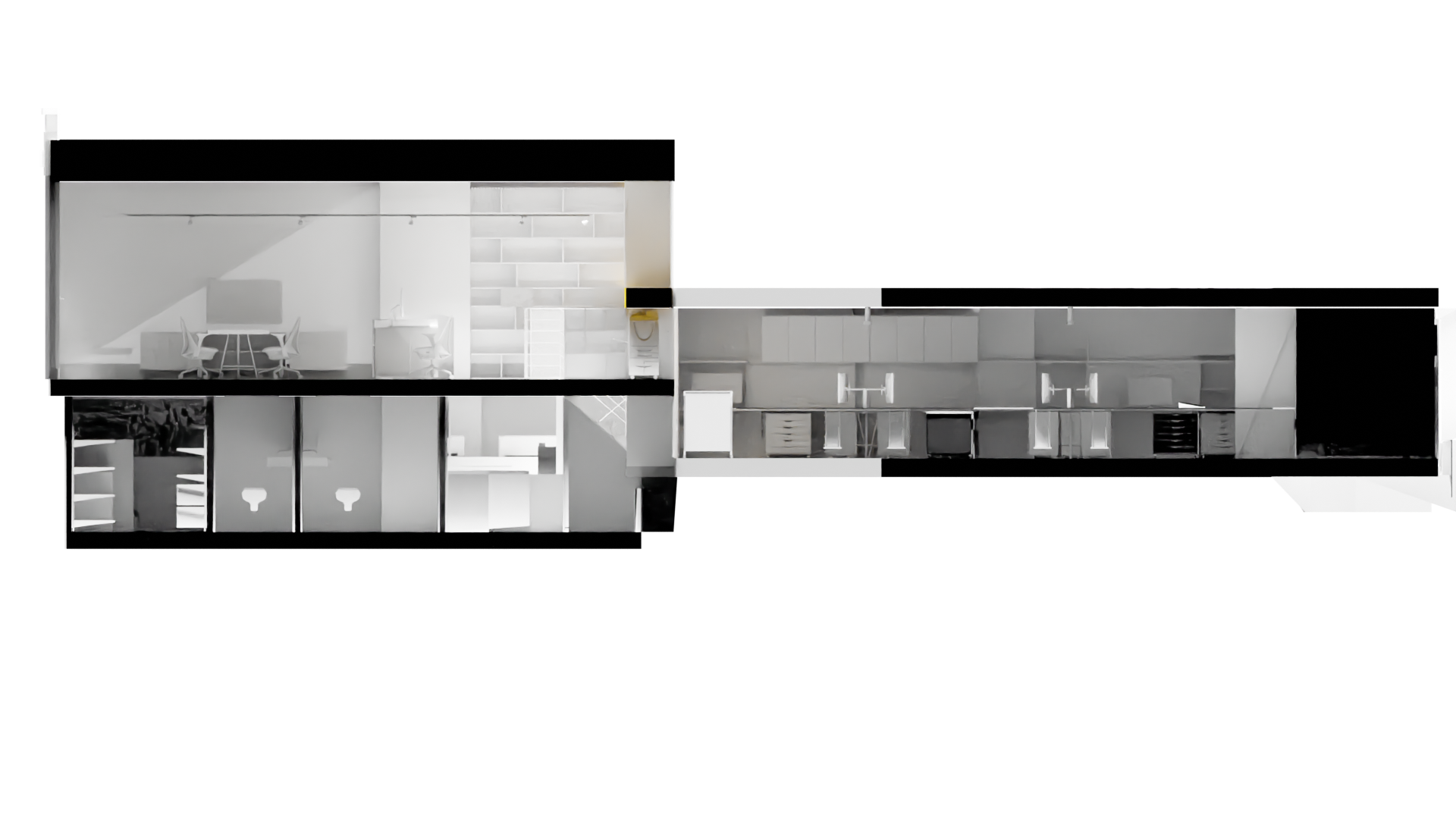
 During the build, a larger basement was constructed incorporating a kitchen, WC, and shower room, encouraging staff to cycle in. A surprise discovery was a Victorian bakers’ oven. After an archaeological investigation the oven was exposed and a small office created leaving the original vaulted brick ceiling uncovered. The rest of the building underwent an equally dramatic transformation.
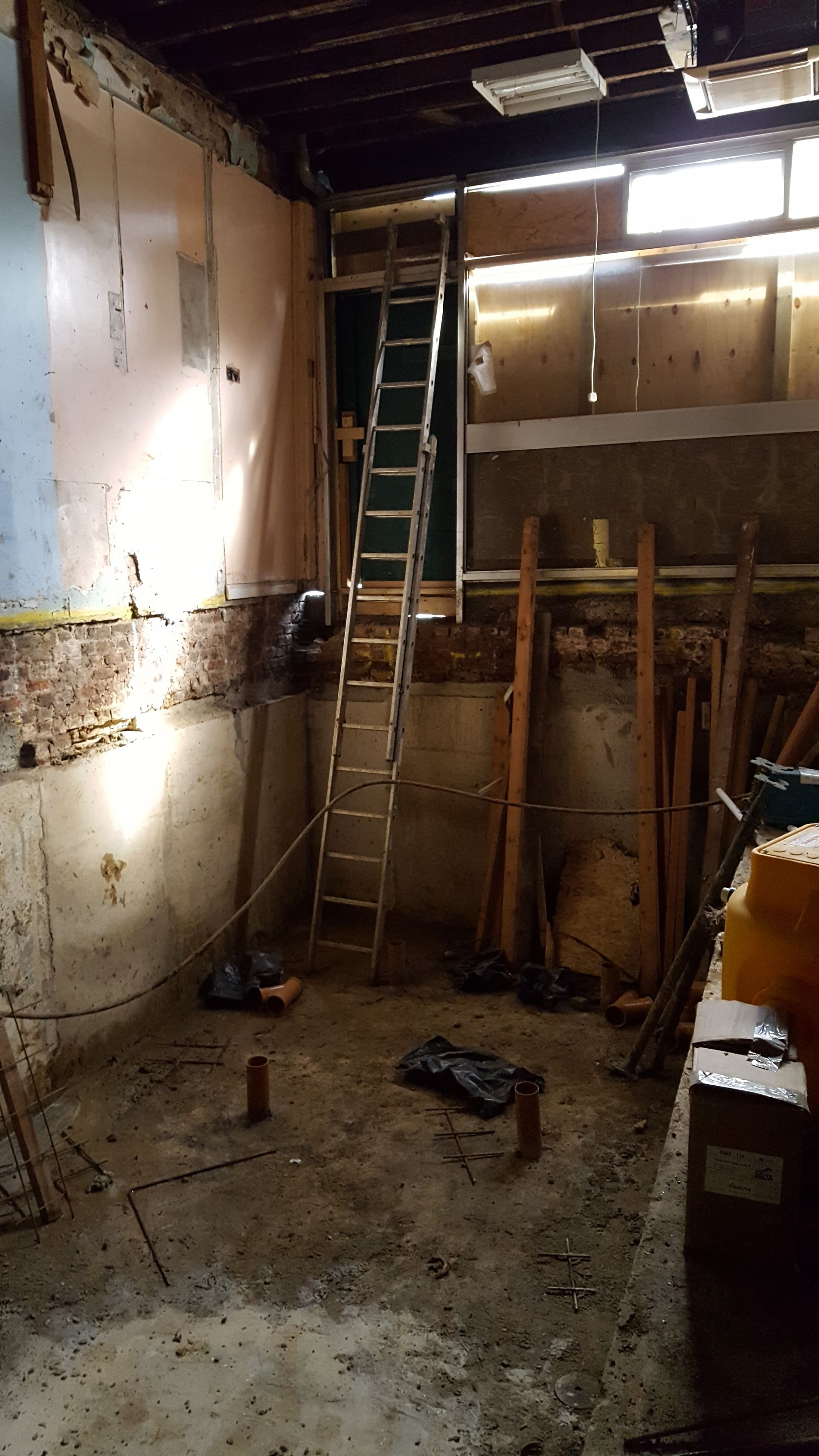
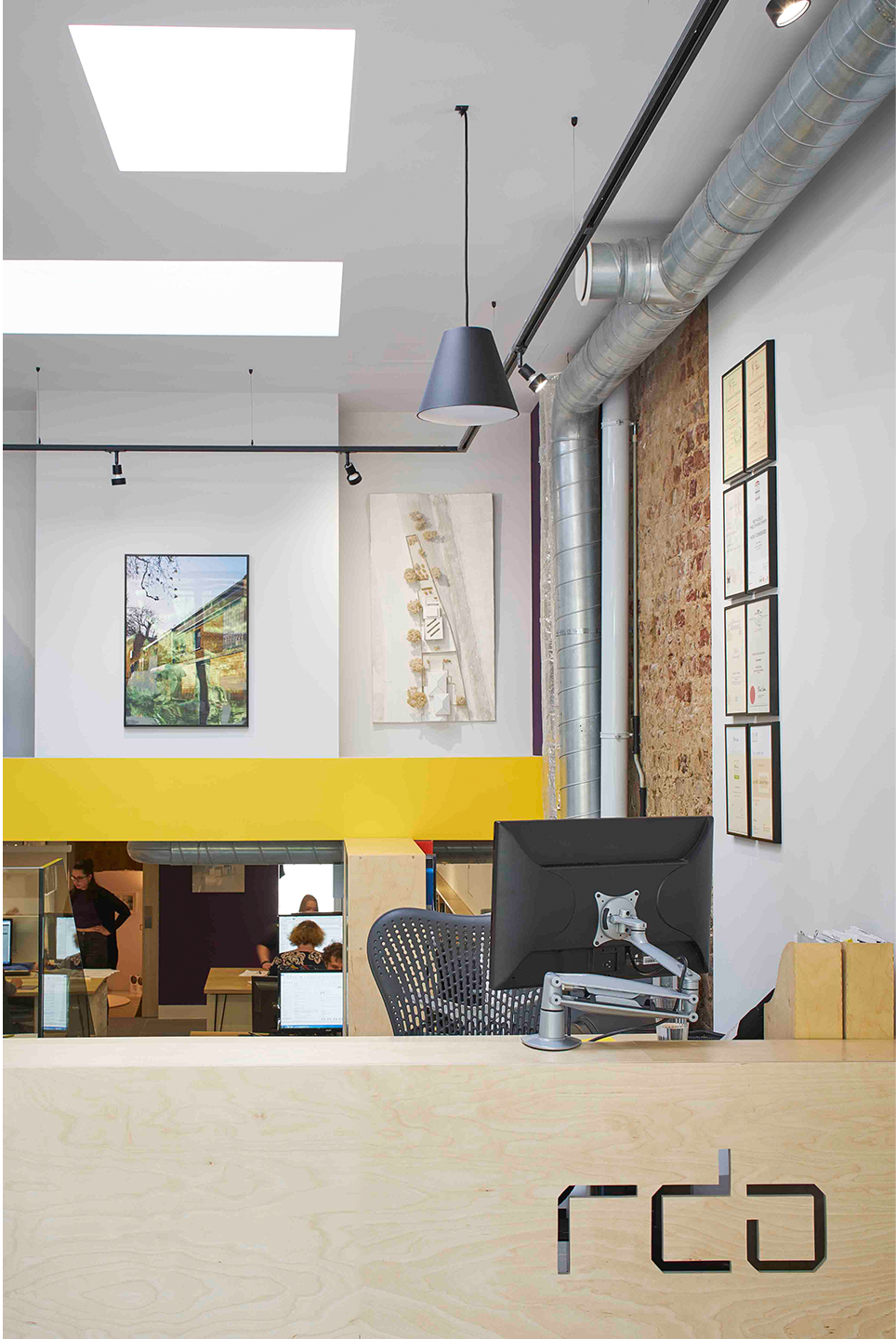
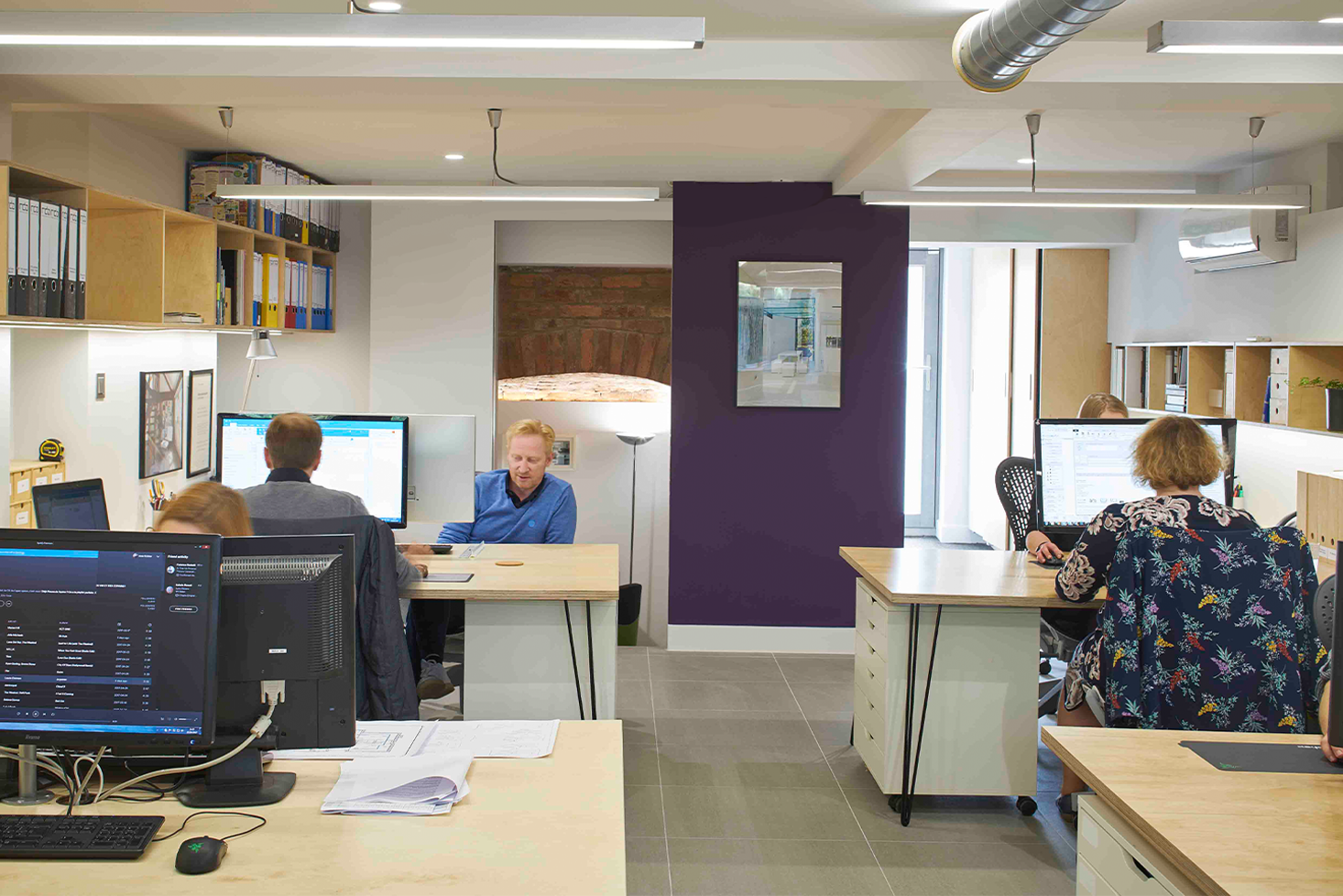
The front of the shop has been designed to be a flexible space; movable furniture allows the area to be used as a meeting room, gallery or yoga studio. Skylights were added to allow for a greater degree of light to be thrown into the basement whilst Mechanical Ventilation Heat Recovery systems were installed to improve the air quality. The internal environment is monitored for C02, particulate matters, volatile compounds and general pollution, allowing us to ensure that our workplace is healthy and comfortable.


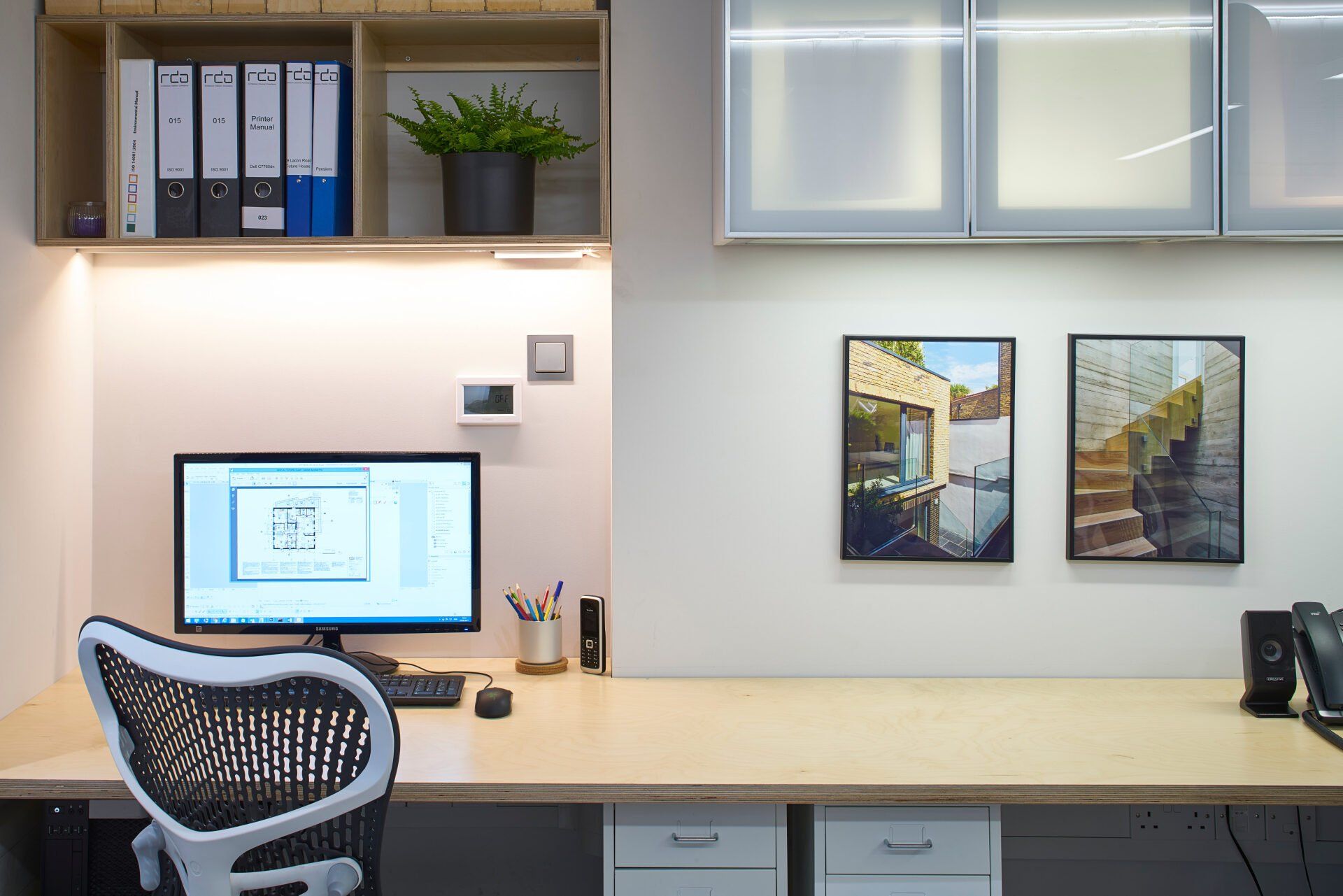
 The furniture throughout is intentionally simple and functional and, although designed on a budget, forms a stunning part of the office. Our new studio framed by the original shopfront contributes to the transformation of the streetscape and thus helping to regenerate this previously forgotten area of East Dulwich.
Recent Blogs

By Richard Dudzicki November 19, 2025
What Makes Brownfield Sites Unique? Across the UK’s cities, thousands of small, disused plots sit idle: the remnants of former garages, workshops, and scrap yards. These brownfield sites, often dismissed as too constrained or contaminated for development, represent an untapped opportunity. Yet within these limits lies enormous potential. When approached with imagination and technical rigour, they can become prototypes for compact, sustainable urban living. Projects on brownfield sites are unique in their demand for a precise balance between innovation, practicality, and sustainability; ultimately, every square metre counts. And the result can be one of the most rewarding in contemporary housing design. Our project, Eva’s House , completed in 2005, offers a compelling example. Built on the footprint of two derelict garages in Southeast London, this modest three-storey home demonstrates how a forgotten plot can be transformed into a durable, adaptable dwelling that continues to perform nearly two decades later.
By Richard Dudzicki October 10, 2025
Architectural Trip Venice Biennale RDA Architects
By Richard Dudzicki September 23, 2025
Upgrading a listed home is one of the most rewarding yet challenging projects a homeowner can undertake. Unlike Standard properties, every change must respect strict planning regulations whilst protecting the historic character that makes the building unique. Choices that may seem simple in modern homes such as changing windows, adding insulation, or altering layouts can become complex negotiations between performance, aesthetics and compliance. The key to success lies in working with conservation architects, skilled craftspeople, and heritage professionals who understand both the technical and regulatory landscape. With their guidance, upgrades can be achieved in ways that not only preserve but often enhance the building's long-term performance and beauty. When done right, a listed home can be both energy-efficient and historically authentic, ready to thrive for future generations.
By Richard Dudzicki November 19, 2025
What Makes Brownfield Sites Unique? Across the UK’s cities, thousands of small, disused plots sit idle: the remnants of former garages, workshops, and scrap yards. These brownfield sites, often dismissed as too constrained or contaminated for development, represent an untapped opportunity. Yet within these limits lies enormous potential. When approached with imagination and technical rigour, they can become prototypes for compact, sustainable urban living. Projects on brownfield sites are unique in their demand for a precise balance between innovation, practicality, and sustainability; ultimately, every square metre counts. And the result can be one of the most rewarding in contemporary housing design. Our project, Eva’s House , completed in 2005, offers a compelling example. Built on the footprint of two derelict garages in Southeast London, this modest three-storey home demonstrates how a forgotten plot can be transformed into a durable, adaptable dwelling that continues to perform nearly two decades later.
By Richard Dudzicki October 10, 2025
Architectural Trip Venice Biennale RDA Architects
By Richard Dudzicki September 23, 2025
Upgrading a listed home is one of the most rewarding yet challenging projects a homeowner can undertake. Unlike Standard properties, every change must respect strict planning regulations whilst protecting the historic character that makes the building unique. Choices that may seem simple in modern homes such as changing windows, adding insulation, or altering layouts can become complex negotiations between performance, aesthetics and compliance. The key to success lies in working with conservation architects, skilled craftspeople, and heritage professionals who understand both the technical and regulatory landscape. With their guidance, upgrades can be achieved in ways that not only preserve but often enhance the building's long-term performance and beauty. When done right, a listed home can be both energy-efficient and historically authentic, ready to thrive for future generations.
By Richard Dudzicki August 6, 2025
Thinking about renovating your home? Don’t do it alone. We will be explaining how working with an architect rather than just a construction team alone can help you save potential future costs to your project. A big renovation can be exciting, but overwhelming. Costs can spiral, timelines shift and without the right advice, costly mistakes can sneak in. This is where we come in. What is a RIBA Chartered Architect? At RDA Architects, we are RIBA Chartered Architects. RIBA (the Royal Institute of British Architects) is the UK's professional body for architects, setting the gold standard for architectural practice. This means when you work with RDA, you're partnering with professionals who have proven their expertise and commitment to maintaining the highest standards in architecture. But more importantly, we help homeowners like you get the most out of your budget and avoid the kind of problems that can turn a dream project into a nightmare. As shown in the diagram below, RDA (the architect) plays a central role in your project, acting as the hub for information exchange and coordination between the client, design team, and contractor team. We work closely with the specialists, engineers, and contractors to develop and communicate the design, ensuring your vision is realised efficiently and within budget, while helping you avoid the common pitfalls that can derail a project.