
BEYOND WORDS: Reimagining Spaces for Fifty Years

This June, RDA will be hosting our first ever exhibition in partnership with the London Festival of Architecture. 

BEYOND WORDS is a reunion of some of Britain's boldest thinkers from the 1960s. From Archigram, the Avant Garde architecture collective who’s (largely unbuilt) bold designs influenced buildings like the Pompidou Centre. To Ian Hamilton Finlay, a concrete poet, artist and sculptor, who is one of Scotland’s most celebrated and moving artists. Each of the figures featured in this exhibition reimagined the possibilities and the structure of their fields, mostly to initial outrage, but 50 years down the line, their influence is clear. 
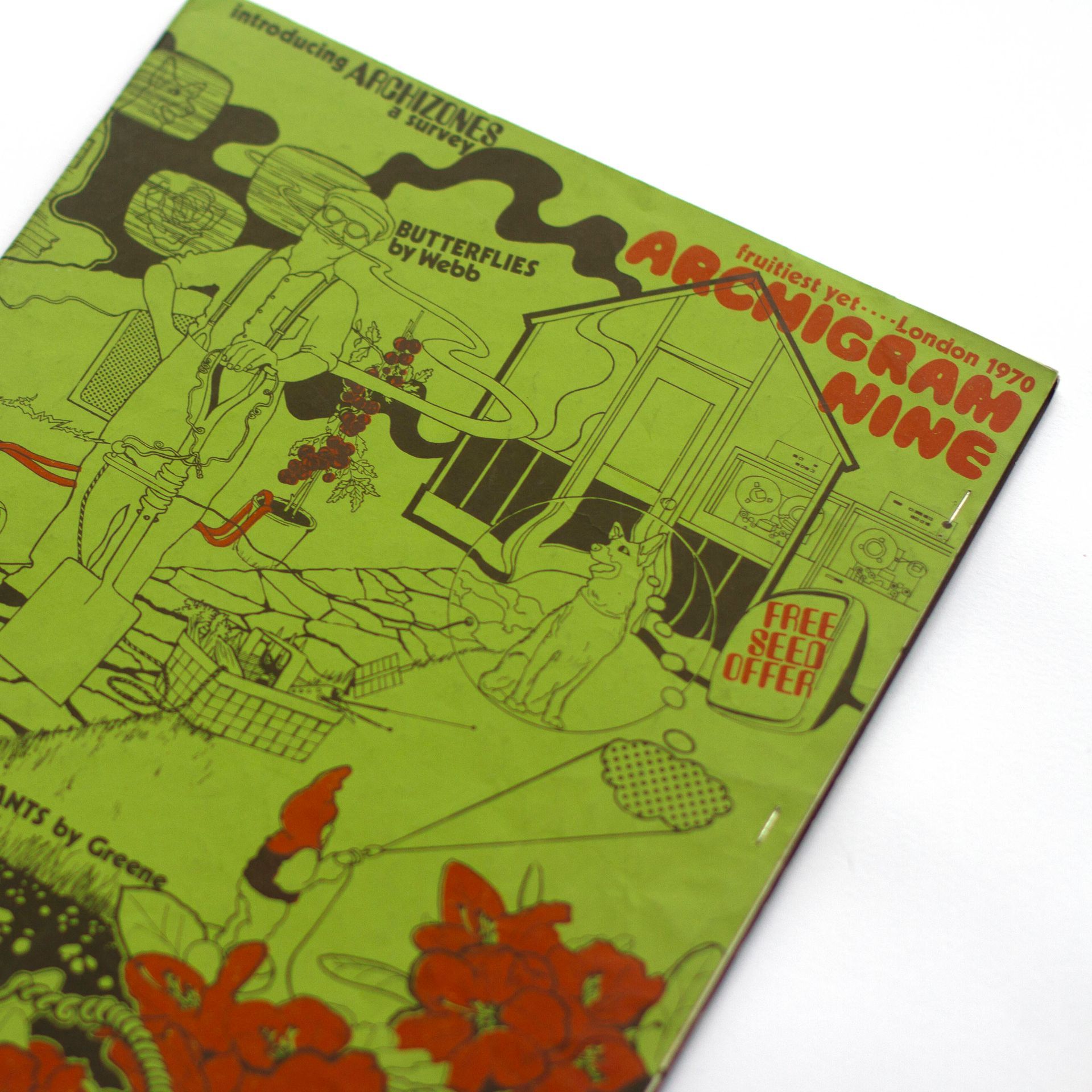

This year, in honour of the LFA’s 20th anniversary their theme is ‘Reimagine’. It’s hard to imagine a more apt theme for architecture in 2024, as our industry faces huge challenges that can only be overcome by unwavering creativity. As in the 1960’s, Britain today faces austerity, political unrest and an overwhelming sense of greyness that is not just limited to our skies. This group of artists, architects, poets and creatives redefined the boundaries of their practices in a way that changed each one for the better. By examining their work and influence, hopefully it might encourage a new era of creativity and reimagination that will strengthen and diversify our great cities.


We will be hosting a Private View (RSVP only, space is limited!) on Thursday 20th June, from 6-8 pm at our East Dulwich studio – please follow the link below to RSVP, we’d love to see you there.


BEYOND WORDS: Reimagining Spaces for 50 Years

PV Thursday 20th June, 6 – 8pm

On Show (By appointment only) 21 – 27 June


RSVP

Recent Blogs

By Richard Dudzicki March 10, 2026
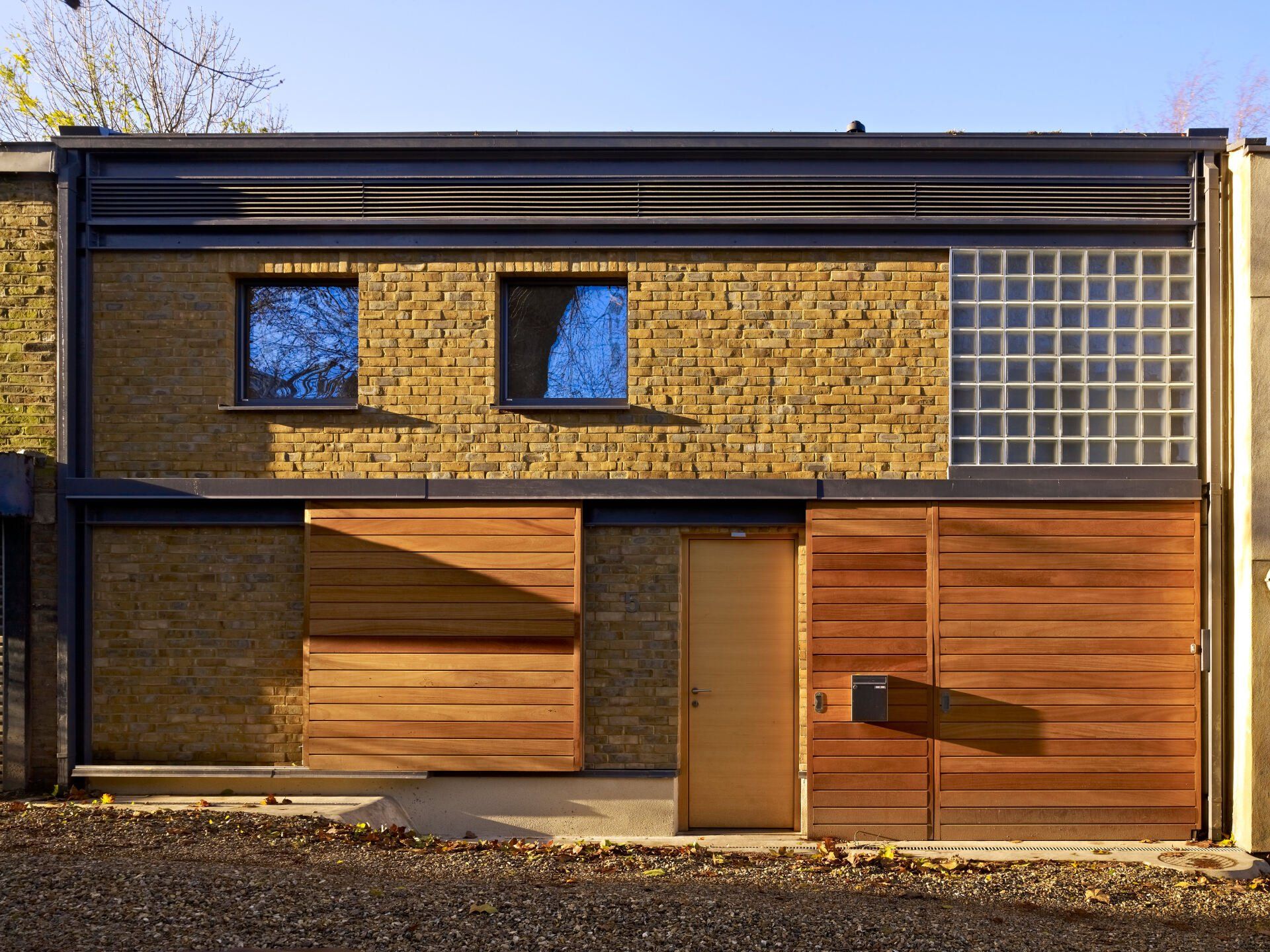
On 25 March, Richard will be speaking at NLA’s Coffee Conversation about how London’s most constrained and overlooked sites can play a role in addressing both the housing crisis and the climate emergency. Across the city, small and fragmented plots are often dismissed as too difficult to develop. Backland sites, former garages and leftover spaces within established neighbourhoods are frequently overlooked by conventional development models. Yet collectively they represent a significant and largely untapped opportunity.
By Richard Dudzicki March 3, 2026
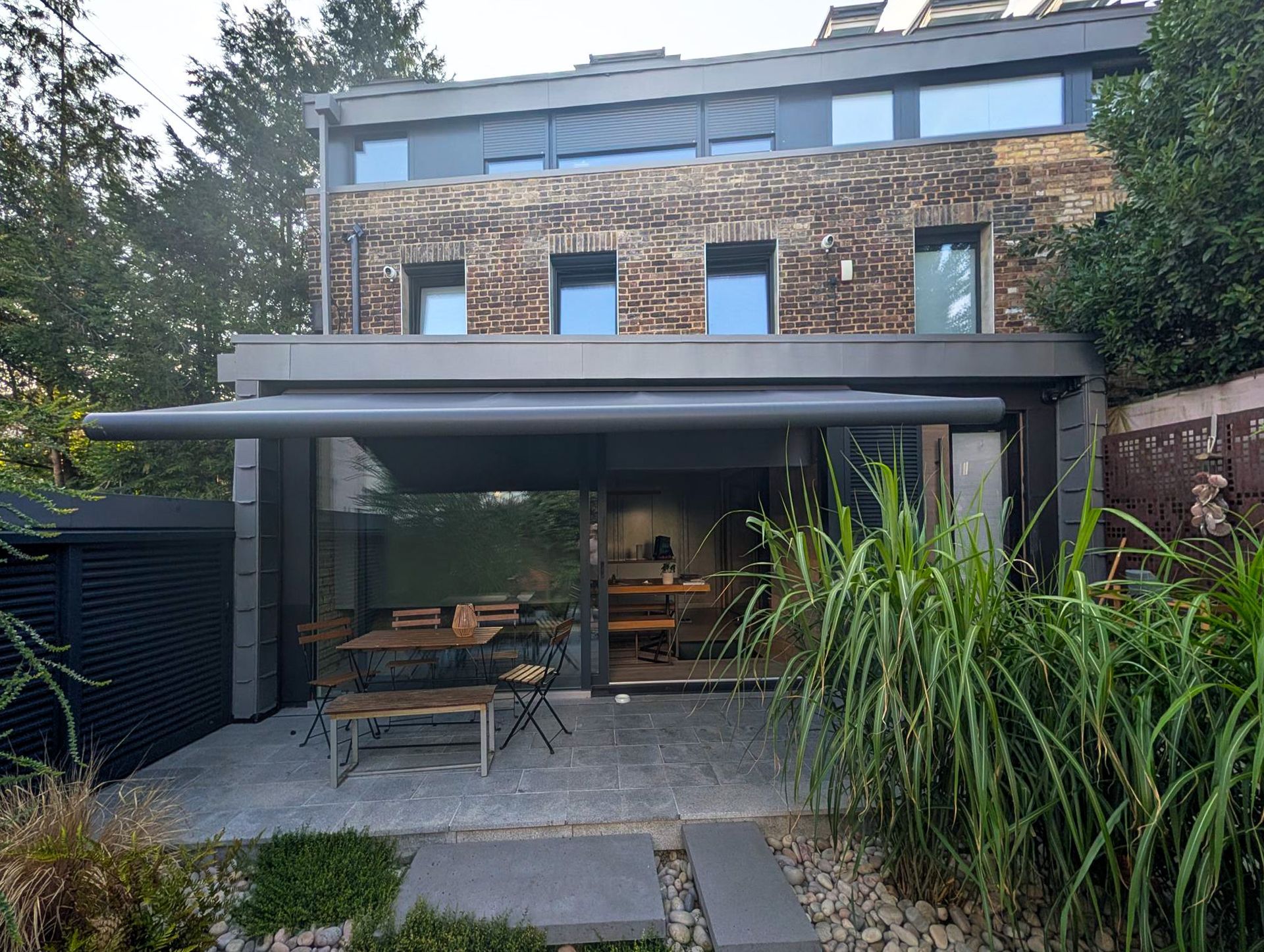
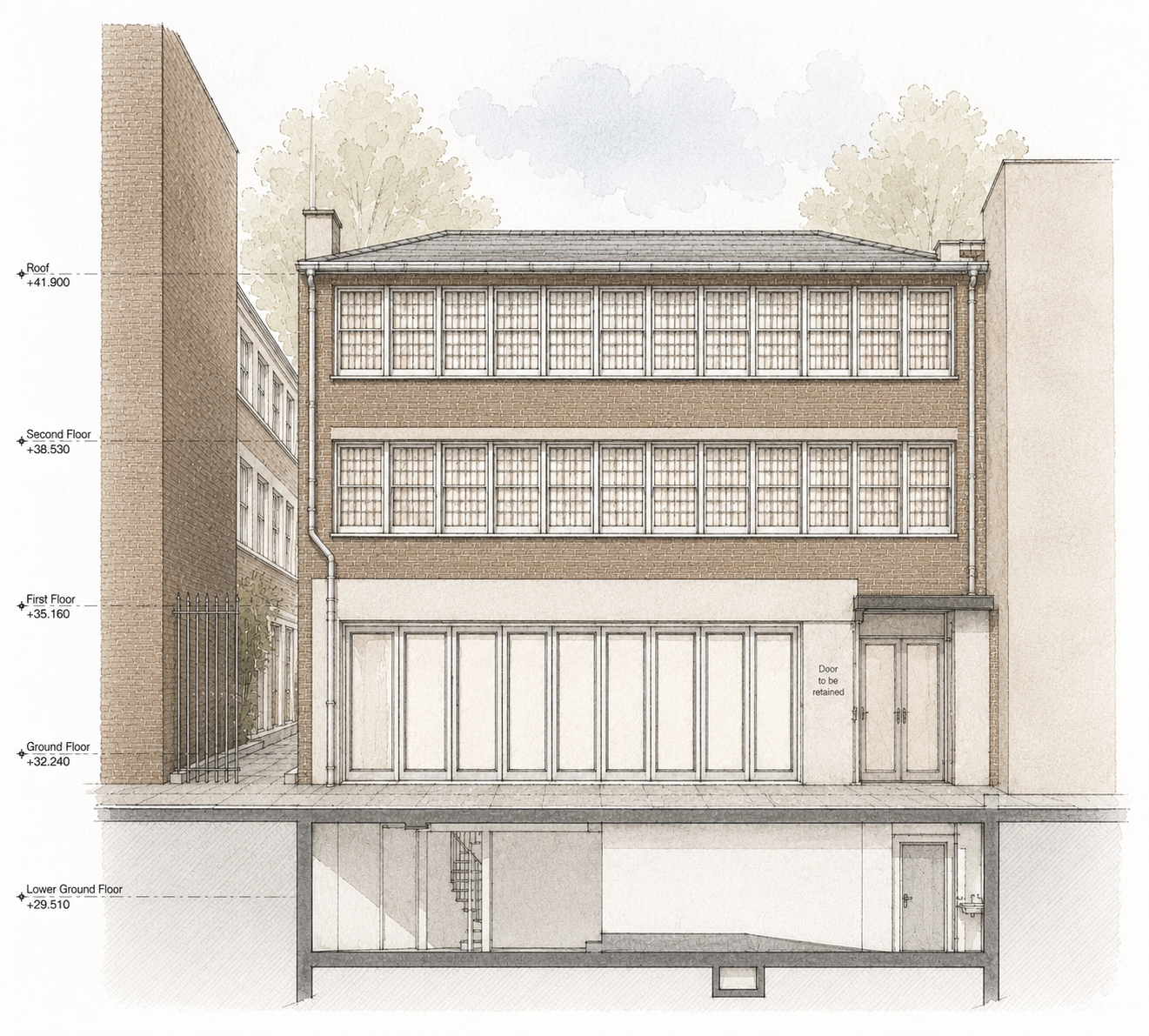
There is a particular responsibility that comes with working on an existing building. The Old Timberyard , a former Victorian workshop, offered the opportunity to demonstrate how careful retrofit can honour heritage whilst delivering genuine long-term performance. Behind its retained brickwork and historic fabric sits a carefully executed EnerPHit upgrade. This was not about surface improvements, but a rigorous, fabric-first transformation, reworking a cold, underperforming structure into a comfortable, resilient and low-energy building fit for contemporary use.
By Richard Dudzicki March 3, 2026
Three weeks ago, Heather Faulding and I had the pleasure of presenting at the NLA’s technical briefing on Retrofit and Reuse a CPD-certified webinar on low-energy & high-performance buildings. It was a fantastic session spotlighting some of the most innovative retrofit work. Heather shared her incredible project for Daily Paper in New York: a powerful example of creative reuse, transforming a crumbling structure using over 7,500 soda cans crafted by local communities. The shimmering façade reflected not only light but the heritage of African beadwork a story of culture and circularity woven into architecture.
By Richard Dudzicki March 10, 2026
On 25 March, Richard will be speaking at NLA’s Coffee Conversation about how London’s most constrained and overlooked sites can play a role in addressing both the housing crisis and the climate emergency. Across the city, small and fragmented plots are often dismissed as too difficult to develop. Backland sites, former garages and leftover spaces within established neighbourhoods are frequently overlooked by conventional development models. Yet collectively they represent a significant and largely untapped opportunity.
By Richard Dudzicki March 3, 2026
There is a particular responsibility that comes with working on an existing building. The Old Timberyard , a former Victorian workshop, offered the opportunity to demonstrate how careful retrofit can honour heritage whilst delivering genuine long-term performance. Behind its retained brickwork and historic fabric sits a carefully executed EnerPHit upgrade. This was not about surface improvements, but a rigorous, fabric-first transformation, reworking a cold, underperforming structure into a comfortable, resilient and low-energy building fit for contemporary use.
By Richard Dudzicki March 3, 2026
Three weeks ago, Heather Faulding and I had the pleasure of presenting at the NLA’s technical briefing on Retrofit and Reuse a CPD-certified webinar on low-energy & high-performance buildings. It was a fantastic session spotlighting some of the most innovative retrofit work. Heather shared her incredible project for Daily Paper in New York: a powerful example of creative reuse, transforming a crumbling structure using over 7,500 soda cans crafted by local communities. The shimmering façade reflected not only light but the heritage of African beadwork a story of culture and circularity woven into architecture.
By Richard Dudzicki February 13, 2026
We’re excited to share our refined Project Planning Pack, designed to support anyone preparing to embark on a design or building project. Planning ahead is one of the most important steps in ensuring a successful project . This clear, easy-to-follow resource helps you reduce risk , improve your design outcomes, and gain a better understanding of costs and the architect’s role in the process. It also introduces core design principles and provides tools to assess where you’re at before you begin, giving you confidence in every decision. Whether you’re a first-time homeowner, an experienced developer, or simply exploring ideas for a renovation or new build, this pack is an essential companion for your project journey. What’s included: • A structured framework to plan and organise your project • Guidance on core design principles • Insights into costs and the architect’s role • Tools to assess your project readiness We’ve refined this pack to be practical, user-friendly, and aligned with real-world architectural practice. Our goal is to give you clarity, reduce uncertainty, and make the design process as smooth as possible . Access the full Project Planning Pack here: