
Keeping Warm with PassivHaus Design: Richard's Insights

As the founder of one of the UK’s leading PassivHaus design firms, with chilly weather on the horizon we're here to explain how living in a Passivhaus, or low-energy home can keep your home warm throughout the winter, all while reducing your heating bills. 


Richard Dudzicki, Director RDA Architecture & Interiors


When it comes to staying warm in winter without draining energy or your wallet, PassivHaus design is a game-changer. At RDA Architecture, we’re passionate about creating homes that are as warm as they are efficient, blending advanced technology with thoughtful design to achieve unparalleled comfort. Let me explain how it all works, and why this approach might be just what your home needs.

Airtight But Breathable


One of the first things people notice about a Passivhaus is the remarkable consistency of indoor temperatures. This starts with airtight construction. By meticulously sealing every nook and cranny, we prevent unwanted cold air from sneaking in and precious heat from slipping out. Think of it like a snug winter coat for your home. But airtight doesn’t mean stuffy - a mechanical ventilation system (MVHR) ensures a constant supply of fresh air while recycling up to 90% of the heat from the outgoing air.
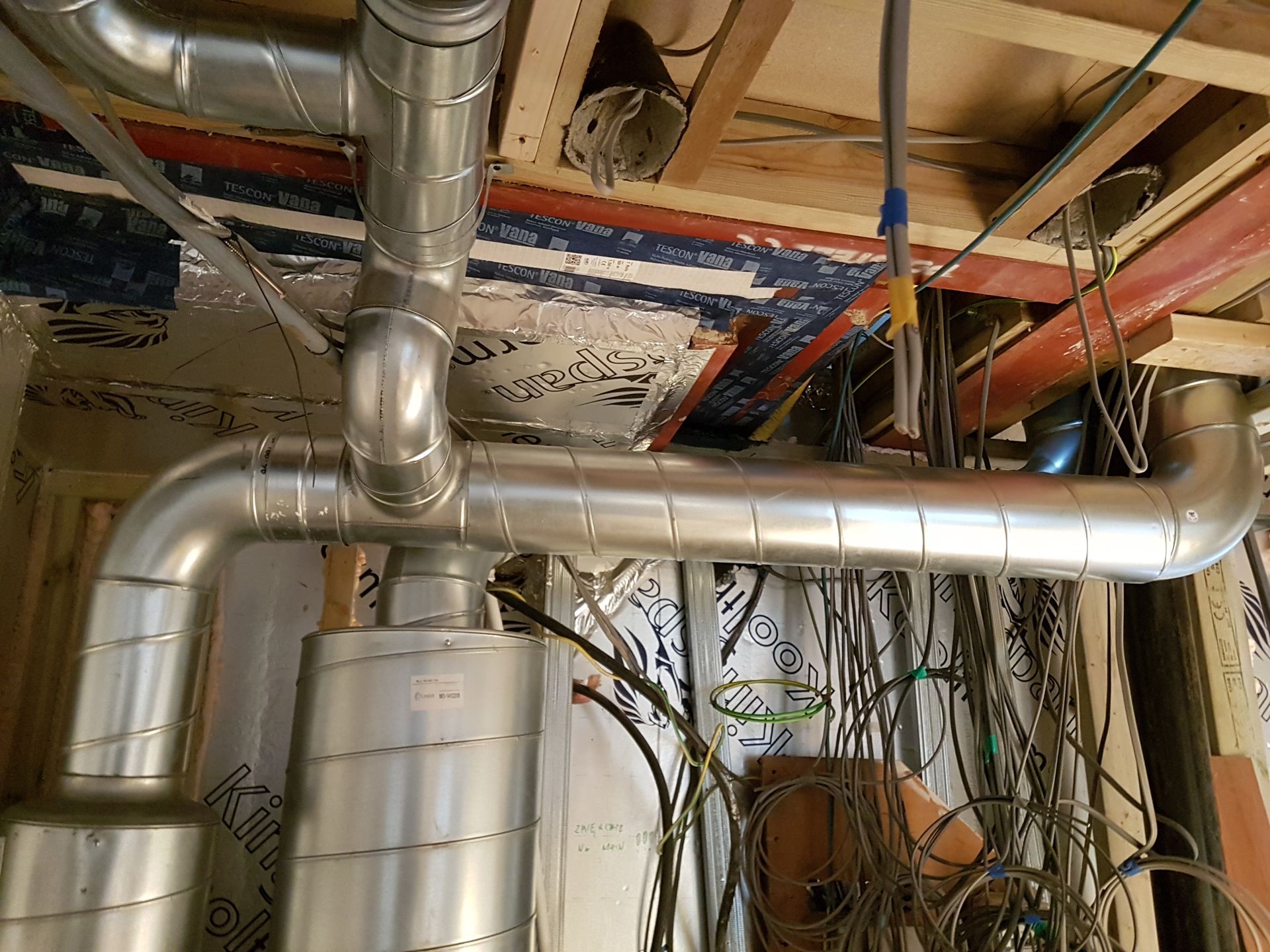

The MVHR system and Kooltherm premium performance insulation

Insulation that Works Overtime


Insulation in a Passivhaus is no ordinary job. We’re talking superinsulation—layers upon layers of high-performance materials that wrap your home like a thermal blanket. This isn’t just in the walls; it’s under your floors and in the roof too. By eliminating thermal bridges (those pesky spots where heat loves to escape), we lock warmth inside where it belongs.


Windows That Earn Their Keep


Now, let’s talk about windows. They’re often the weakest link in traditional homes, but not in a Passivhaus. Here, we use triple-glazed windows with insulated frames. These not only block heat loss but invite sunlight in to naturally warm your space—a strategy we call passive solar gain. The placement of these windows is just as important. We carefully orient homes to maximize sunlight in winter, ensuring your home stays bright and toasty.
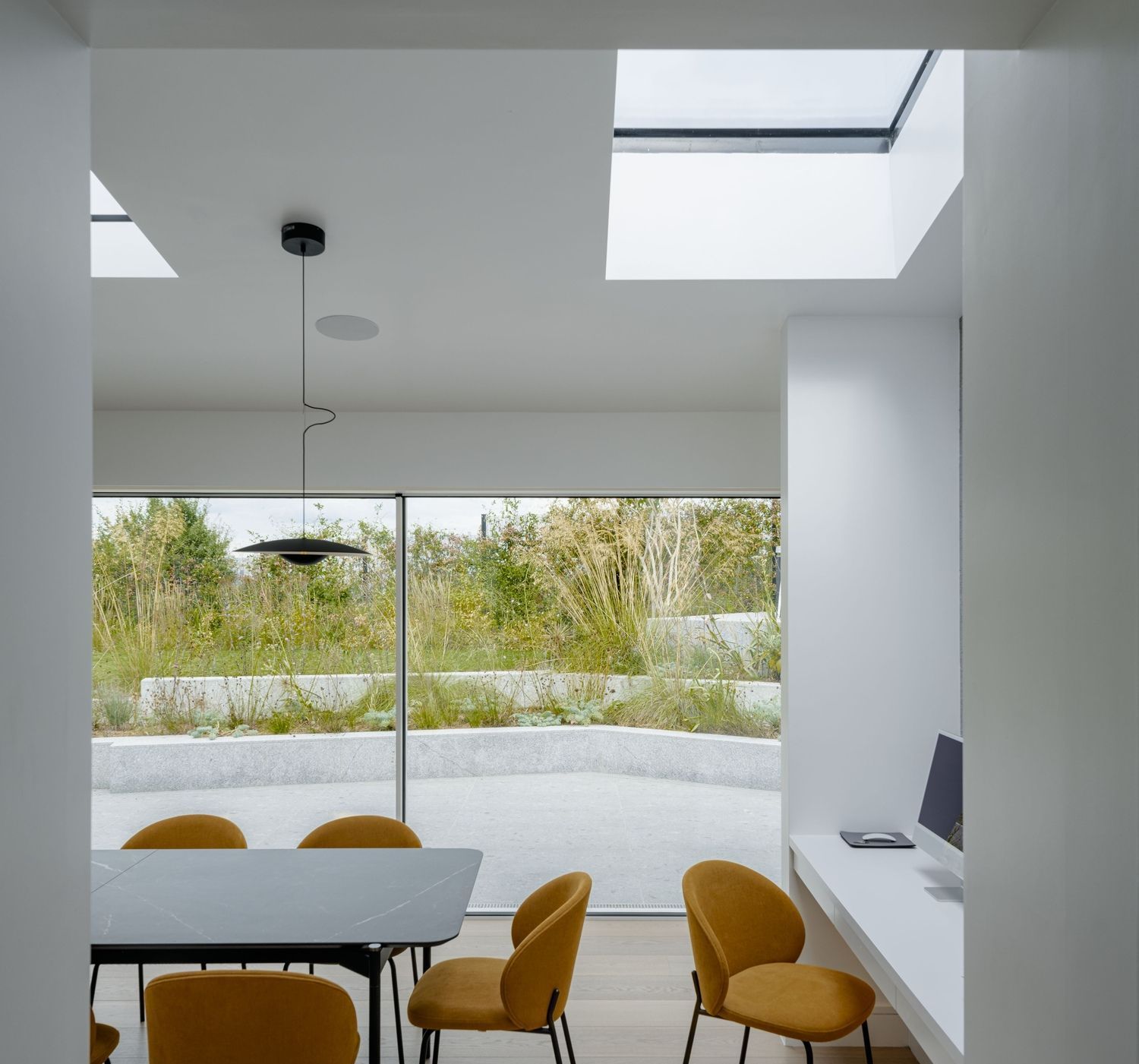
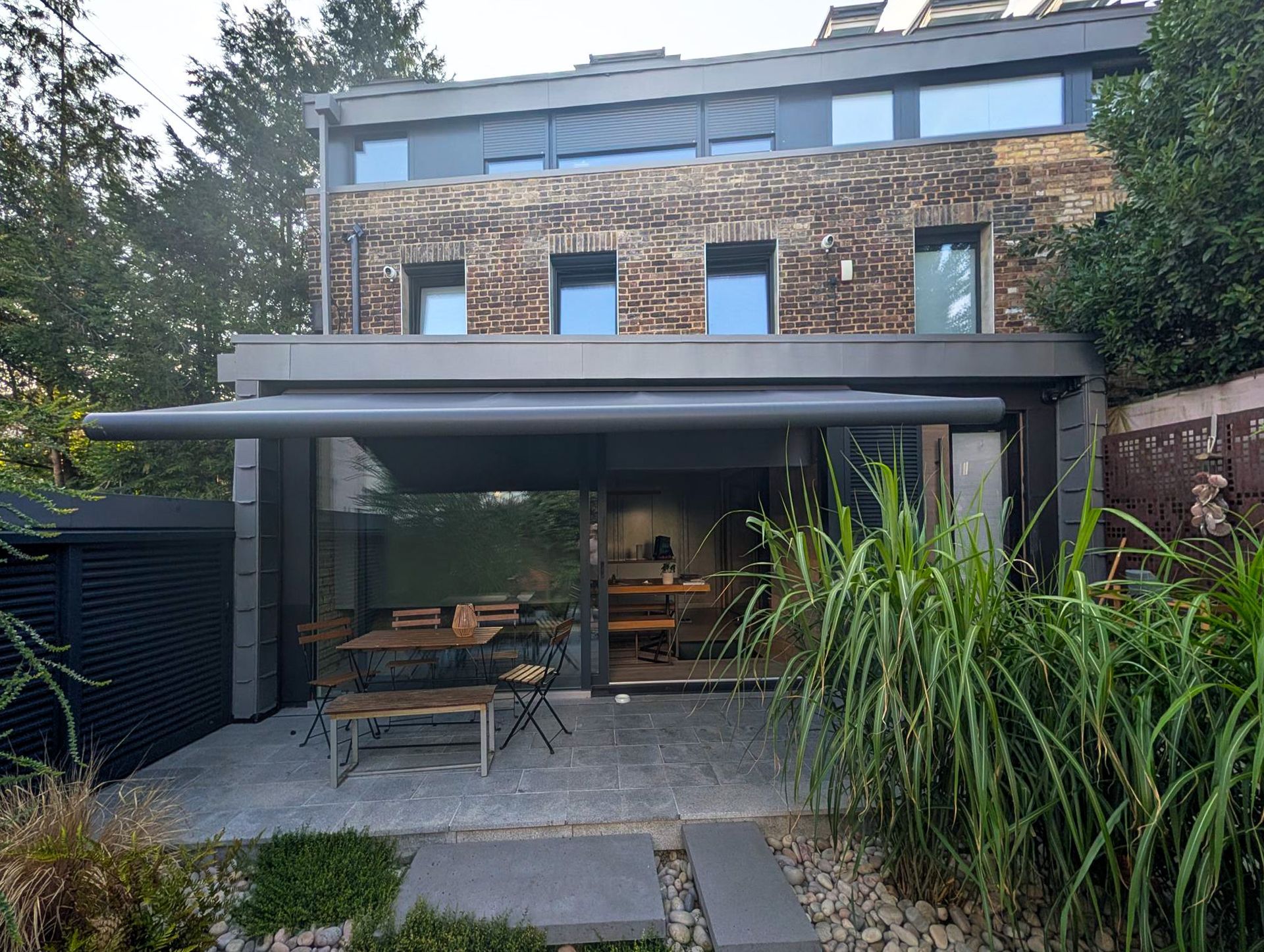
At Connected House, triple-glazed sliding doors and skylight windows make the most of solar gain, but prevent heat escaping.


Less Heating, More Living


Here’s the kicker: a properly designed Passivhaus needs minimal additional heating. The warmth generated from your everyday activities—cooking dinner, a hot shower, or even just you and your family going about your day—is often enough to keep things comfortable. For colder climates or those really icy days, a small heating system may be added, but its workload is minimal compared to a conventional home.


By installing solar panels, or super discreet solar tiles as seen below, these can reduce your energy costs even further by providing your own, sustainably sourced energy to be used as needed. At Connected House, solar tiles supply the full electricity needs for the house, which works so efficiently that our client is even able to sell back excess energy to the grid. They've seen their annual running costs go down from £3,500 to under £700, for a large, three-bedroom family home.
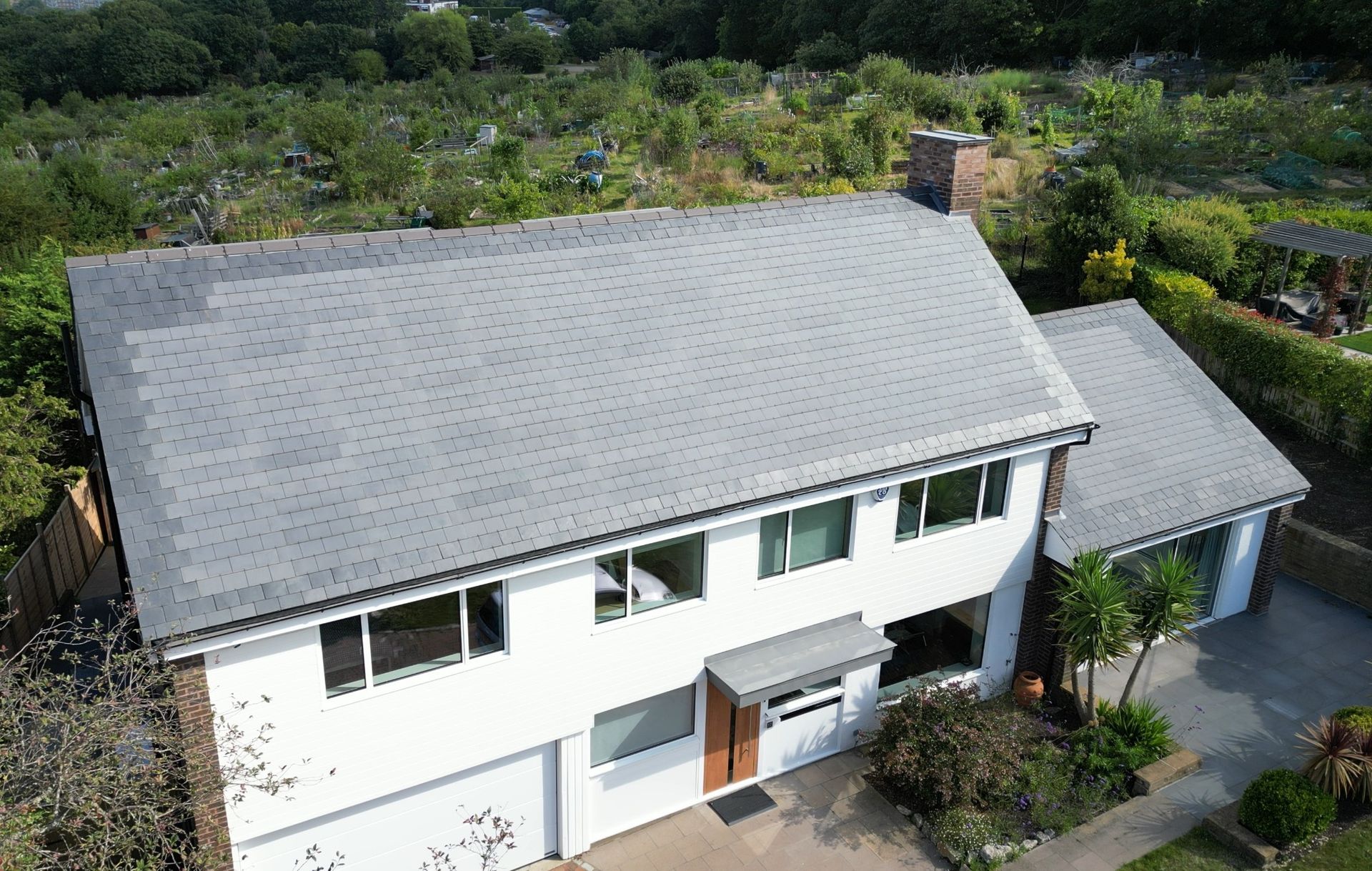


At Connected House, GB Solus solar tiles blend in subtly and provide electricity to power the house year round.

Sustainable Comfort


Beyond keeping you warm, PassivHaus design is about doing more with less. Less energy wasted means lower bills and a lighter carbon footprint. It’s a way to live comfortably while caring for the environment—a win-win in my book.


If you’re looking for a home that keeps you warm, cuts energy use, and provides a healthier living environment, a Passivhaus might be your answer. At RDA Architecture, we’ve been working on, and refining our skills in Passivhaus projects, and I’d be delighted to share my experiences and ideas with you.


To find out more about RDA’s extensive PassivHaus experience, and to explore the beautiful homes we’ve built and retrofitted over the last twenty-five years, click here!


Or, book in a free consultation with our award-winning PassivHaus certified designer and Director, Richard Dudzicki below.


Book Your Free Consultation

FAQs about Passivhaus

  • How does Passivhaus work?

    A Passivhaus building will have exceptional insulation, be triple glazed, be more airtight than a typical house and will have mechanical ventilation with a heat recovery system. Internal room temperature is maintained at a comfortable level all year round. There is no draft because all the windows are sealed. My clients tell me they come into their homes, remove their shoes and walk comfortably in t-shirts. The air is clean thanks to filtered air from Mechanical Ventilation Heat Recovery Unit. This results in a healthier home.


    RDA is a leading PassivHaus design firm in the UK. 

    To get started with RDA, please schedule an “Ask the Expert” session.

  • How much energy does Passivhaus use?

    A Passivhaus energy use depends on whether it is s new built or refurbished. A new built Passivhaus spends on average 15 kwh/sqm for heating while a refurbished one consumes 25 kwh/sqm. In comparison, the average UK home yearly energy consumption is 214 kWh/m². Consequently, energy bills could reduce up to 90%.

  • Is Passivhaus worth it?

    Passivhaus helps you to have an economic house that reduces energy bills. The new Part L regulations are already very close to Passivhaus requirements, therefore with a little more upfront cost spent on services it will lead to greater savings. In addition to that, you would enjoy a healthier home with thermal control and cleaner air circulation. Passivhaus future-proofs your home.

  • History of Passivhaus?

    Passivhaus was developed by Wolfgang Feist and Professors Bo Adamson in Germany in the early 1990s.

Recent Blogs

By Richard Dudzicki November 19, 2025
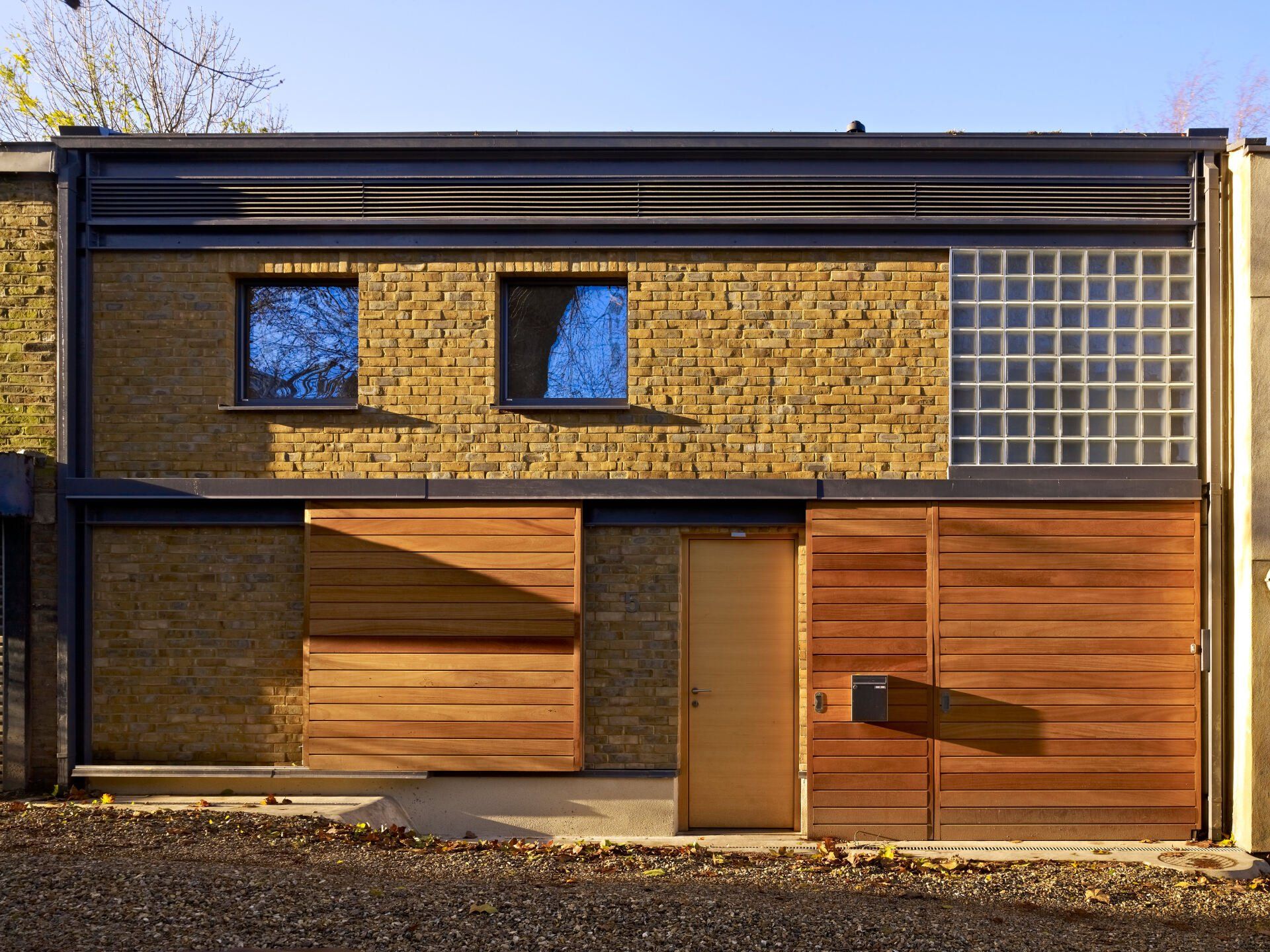
What Makes Brownfield Sites Unique? Across the UK’s cities, thousands of small, disused plots sit idle: the remnants of former garages, workshops, and scrap yards. These brownfield sites, often dismissed as too constrained or contaminated for development, represent an untapped opportunity. Yet within these limits lies enormous potential. When approached with imagination and technical rigour, they can become prototypes for compact, sustainable urban living. Projects on brownfield sites are unique in their demand for a precise balance between innovation, practicality, and sustainability; ultimately, every square metre counts. And the result can be one of the most rewarding in contemporary housing design. Our project, Eva’s House , completed in 2005, offers a compelling example. Built on the footprint of two derelict garages in Southeast London, this modest three-storey home demonstrates how a forgotten plot can be transformed into a durable, adaptable dwelling that continues to perform nearly two decades later.
By Richard Dudzicki October 10, 2025
Architectural Trip Venice Biennale RDA Architects
By Richard Dudzicki September 23, 2025
Upgrading a listed home is one of the most rewarding yet challenging projects a homeowner can undertake. Unlike Standard properties, every change must respect strict planning regulations whilst protecting the historic character that makes the building unique. Choices that may seem simple in modern homes such as changing windows, adding insulation, or altering layouts can become complex negotiations between performance, aesthetics and compliance. The key to success lies in working with conservation architects, skilled craftspeople, and heritage professionals who understand both the technical and regulatory landscape. With their guidance, upgrades can be achieved in ways that not only preserve but often enhance the building's long-term performance and beauty. When done right, a listed home can be both energy-efficient and historically authentic, ready to thrive for future generations.
By Richard Dudzicki November 19, 2025
What Makes Brownfield Sites Unique? Across the UK’s cities, thousands of small, disused plots sit idle: the remnants of former garages, workshops, and scrap yards. These brownfield sites, often dismissed as too constrained or contaminated for development, represent an untapped opportunity. Yet within these limits lies enormous potential. When approached with imagination and technical rigour, they can become prototypes for compact, sustainable urban living. Projects on brownfield sites are unique in their demand for a precise balance between innovation, practicality, and sustainability; ultimately, every square metre counts. And the result can be one of the most rewarding in contemporary housing design. Our project, Eva’s House , completed in 2005, offers a compelling example. Built on the footprint of two derelict garages in Southeast London, this modest three-storey home demonstrates how a forgotten plot can be transformed into a durable, adaptable dwelling that continues to perform nearly two decades later.
By Richard Dudzicki October 10, 2025
Architectural Trip Venice Biennale RDA Architects
By Richard Dudzicki September 23, 2025
Upgrading a listed home is one of the most rewarding yet challenging projects a homeowner can undertake. Unlike Standard properties, every change must respect strict planning regulations whilst protecting the historic character that makes the building unique. Choices that may seem simple in modern homes such as changing windows, adding insulation, or altering layouts can become complex negotiations between performance, aesthetics and compliance. The key to success lies in working with conservation architects, skilled craftspeople, and heritage professionals who understand both the technical and regulatory landscape. With their guidance, upgrades can be achieved in ways that not only preserve but often enhance the building's long-term performance and beauty. When done right, a listed home can be both energy-efficient and historically authentic, ready to thrive for future generations.
By Richard Dudzicki August 6, 2025
Thinking about renovating your home? Don’t do it alone. We will be explaining how working with an architect rather than just a construction team alone can help you save potential future costs to your project. A big renovation can be exciting, but overwhelming. Costs can spiral, timelines shift and without the right advice, costly mistakes can sneak in. This is where we come in. What is a RIBA Chartered Architect? At RDA Architects, we are RIBA Chartered Architects. RIBA (the Royal Institute of British Architects) is the UK's professional body for architects, setting the gold standard for architectural practice. This means when you work with RDA, you're partnering with professionals who have proven their expertise and commitment to maintaining the highest standards in architecture. But more importantly, we help homeowners like you get the most out of your budget and avoid the kind of problems that can turn a dream project into a nightmare. As shown in the diagram below, RDA (the architect) plays a central role in your project, acting as the hub for information exchange and coordination between the client, design team, and contractor team. We work closely with the specialists, engineers, and contractors to develop and communicate the design, ensuring your vision is realised efficiently and within budget, while helping you avoid the common pitfalls that can derail a project.