

Sign up to our Newsletter
The RDA Blog
RDA is a leader in Passivhaus and EnerPHit design. Here we share our advice and expertise from over 25 years of leading sustainable architecture.
By Richard Dudzicki
•
September 16, 2026
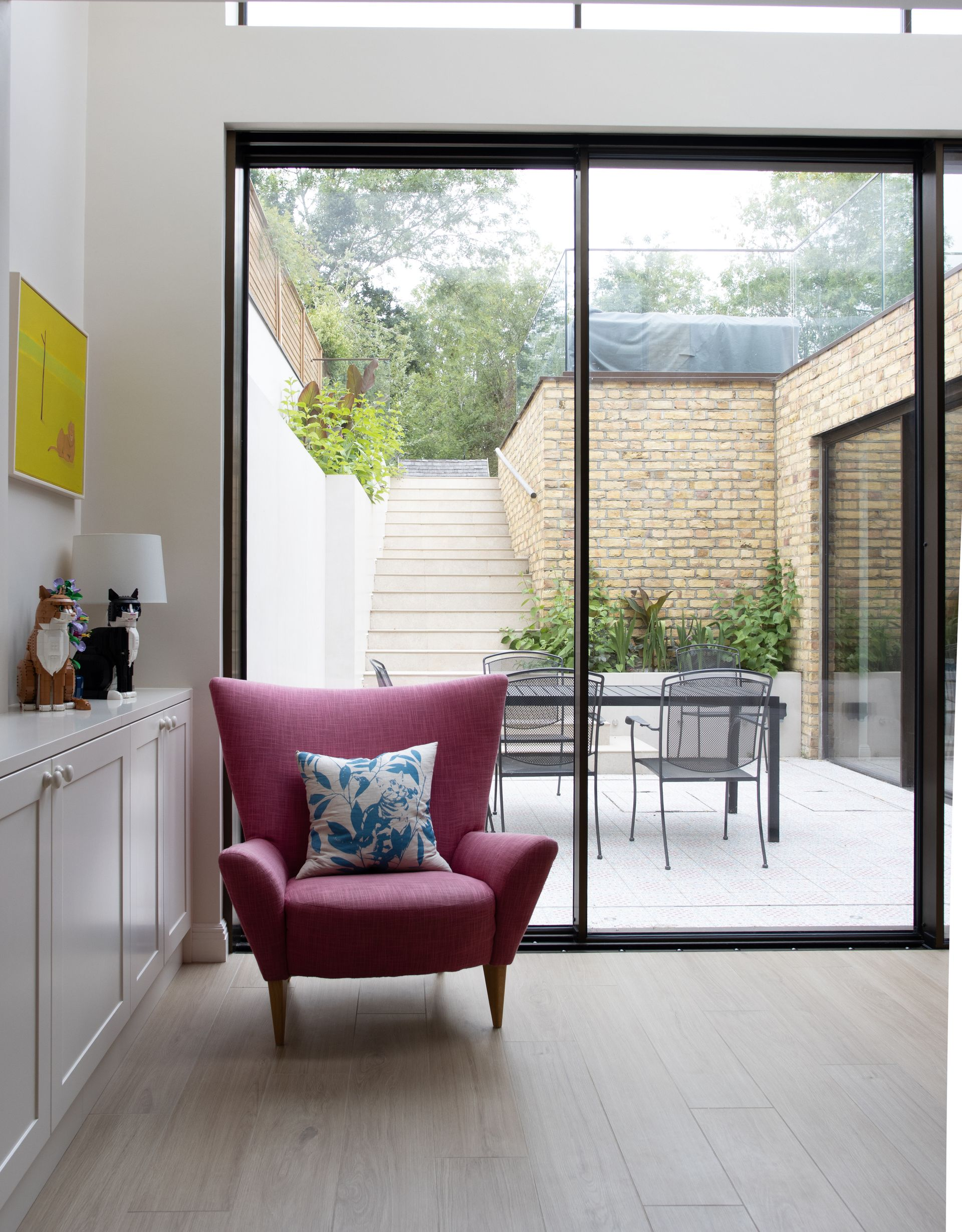
How Do You Retrofit a Victorian House Without Losing Its Character?
By Richard Dudzicki
•
July 10, 2026
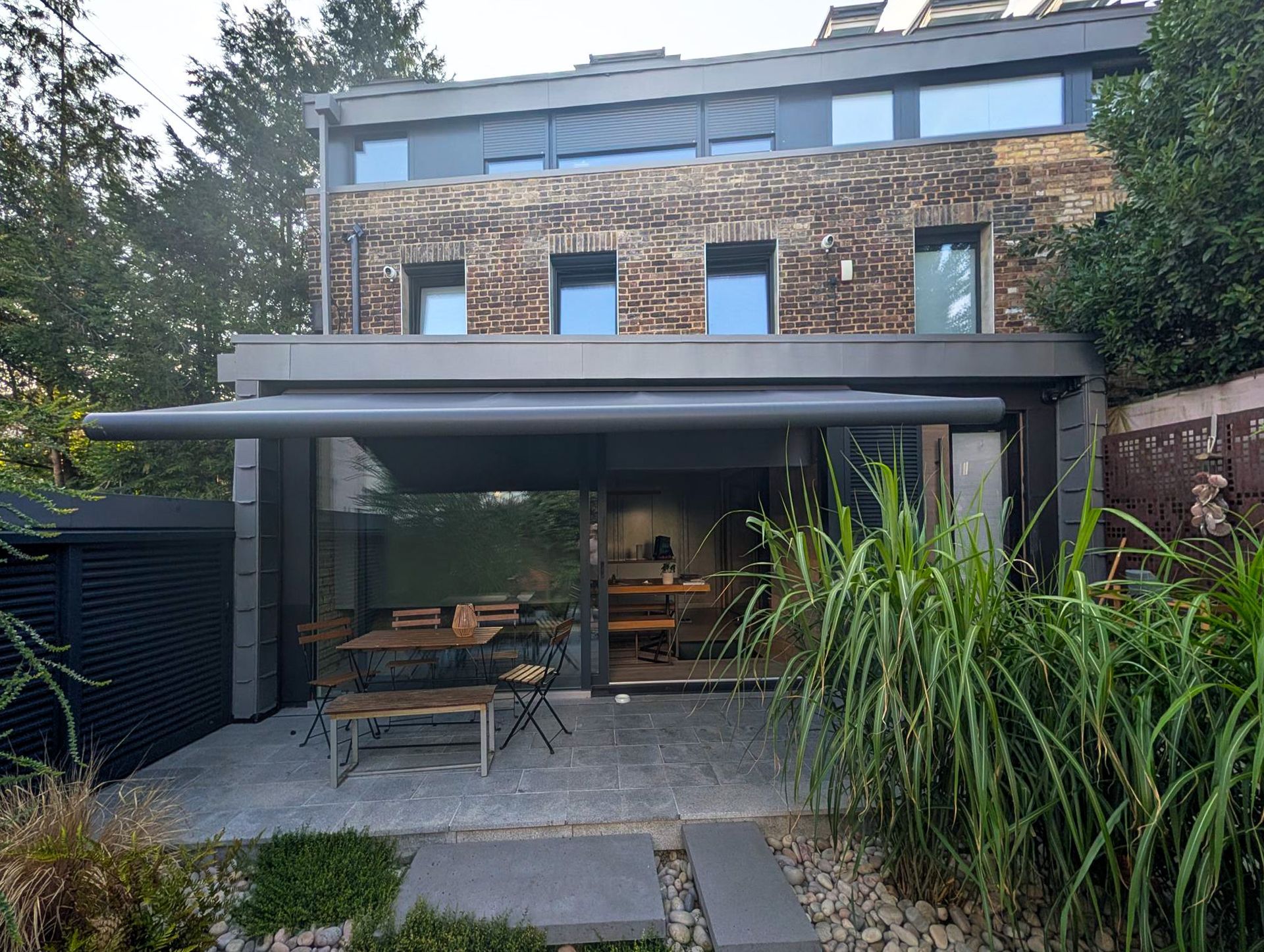
How we keep an EnerPHit home cool during a heatwave?
By Richard Dudzicki
•
July 2, 2026
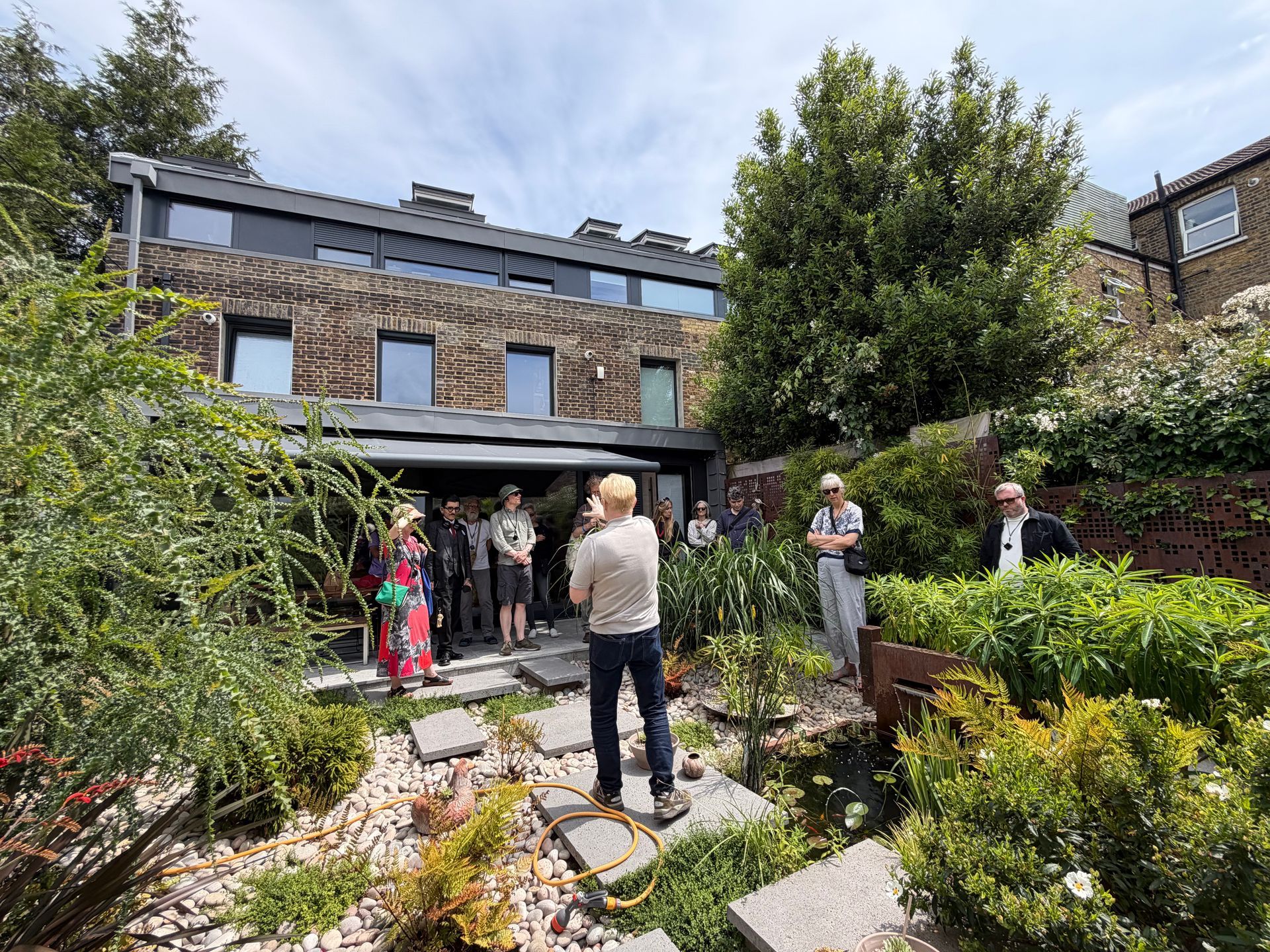
London Festival of Architecture: Small sites and Big Belonging with RDA, Guided Tour
By Richard Dudzicki
•
June 18, 2026
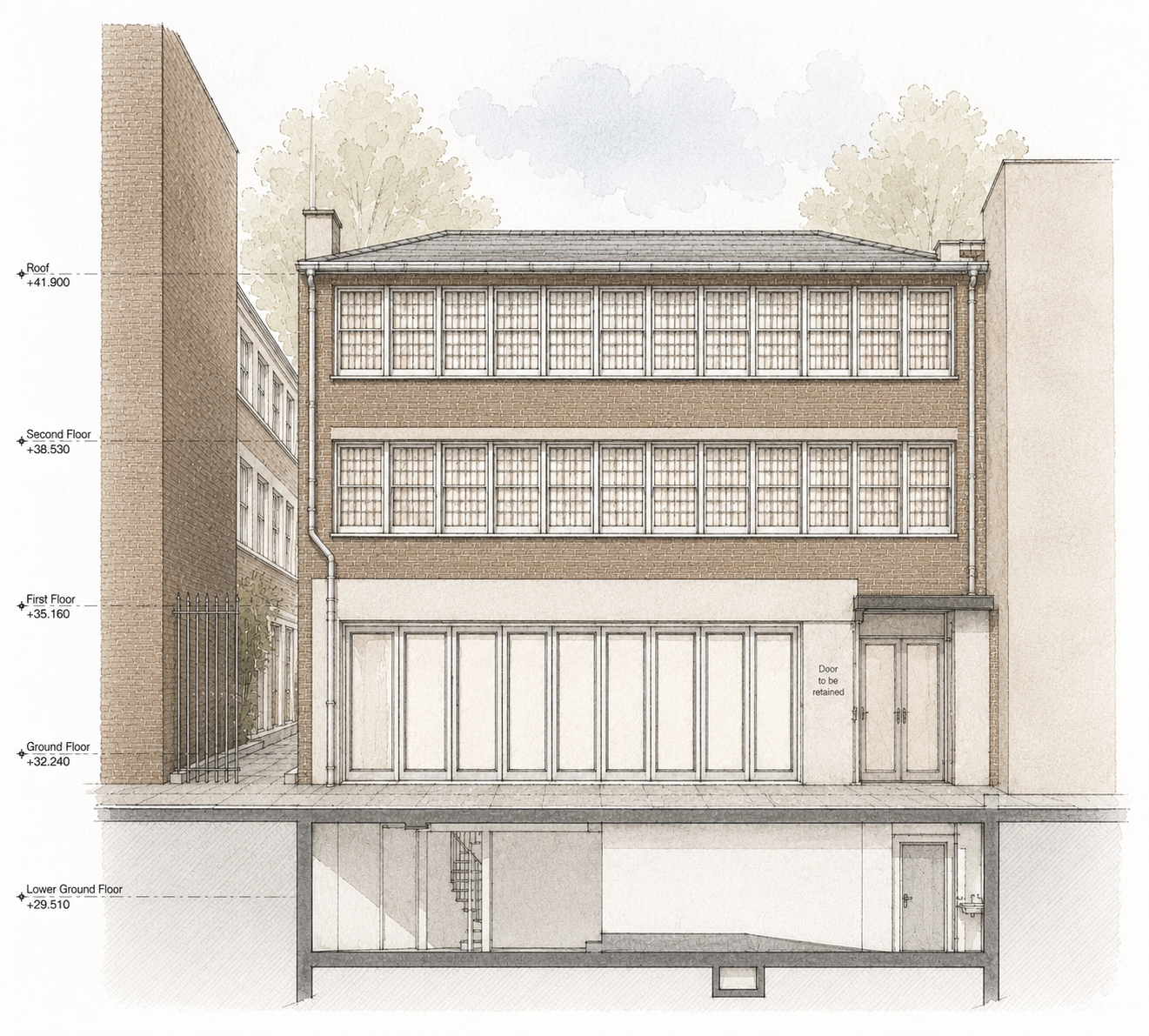
We are pleased to announce that planning approval has been secured for Wedged House . A conversion of a three-storey commercial building with basement accommodation into a single dwelling. The project presented a number of design challenges, including an unusual triangular footprint, limited access to natural daylight and an inefficient internal arrangement. Through a comprehensive internal reconfiguration, the proposal transforms the building into a bright and functional home while working entirely within the existing building envelope.
By Richard Dudzicki
•
May 13, 2026
On March 25th, New London Architecture’s Coffee Conversation brought together a cross section of voices from architecture, planning, development and policy to discuss one of the most urgent questions facing London today: how can small and difficult urban sites make a meaningful contribution to our housing crisis?
By Richard Dudzicki
•
March 27, 2026
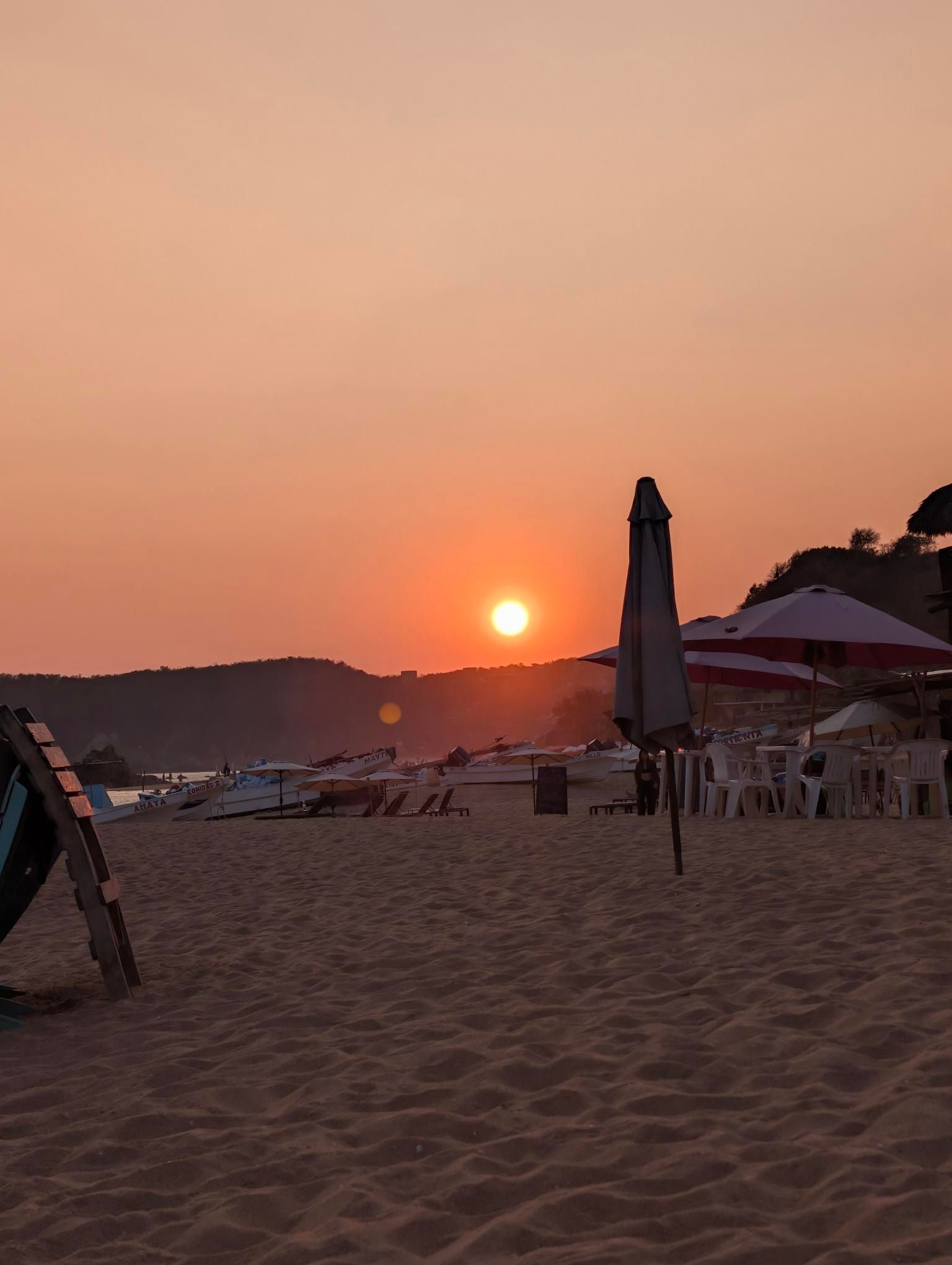
Between History and Innovation: Learning from Mexico City Richard recently travelled to Mexico City with the Architects Marketing Group for a series of intensive workshops exploring the intersection of marketing and artificial intelligence within architectural practice.
By Richard Dudzicki
•
March 10, 2026
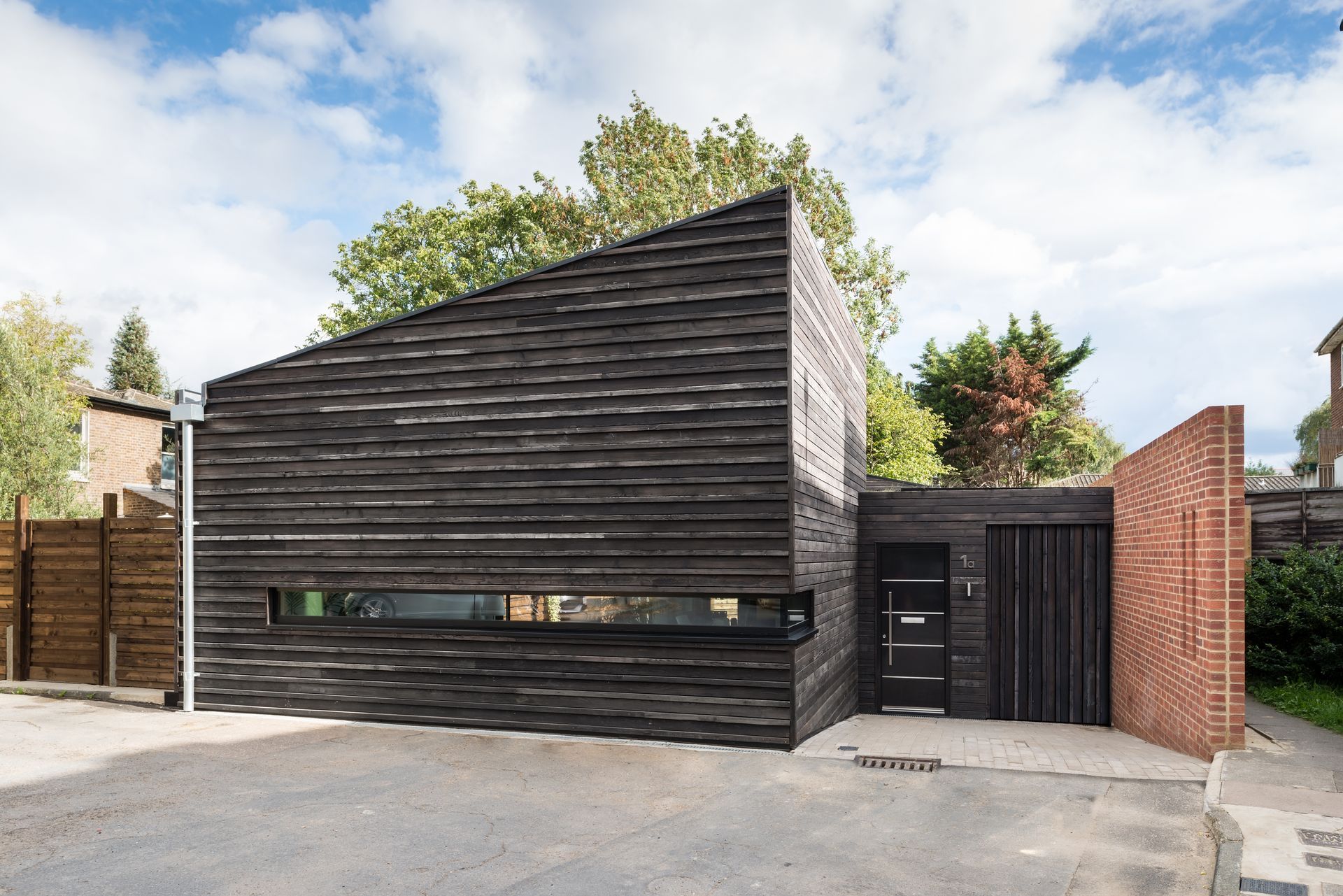
On 25 March, Richard will be speaking at NLA’s Coffee Conversation about how London’s most constrained and overlooked sites can play a role in addressing both the housing crisis and the climate emergency. Across the city, small and fragmented plots are often dismissed as too difficult to develop. Backland sites, former garages and leftover spaces within established neighbourhoods are frequently overlooked by conventional development models. Yet collectively they represent a significant and largely untapped opportunity.
By Richard Dudzicki
•
March 3, 2026
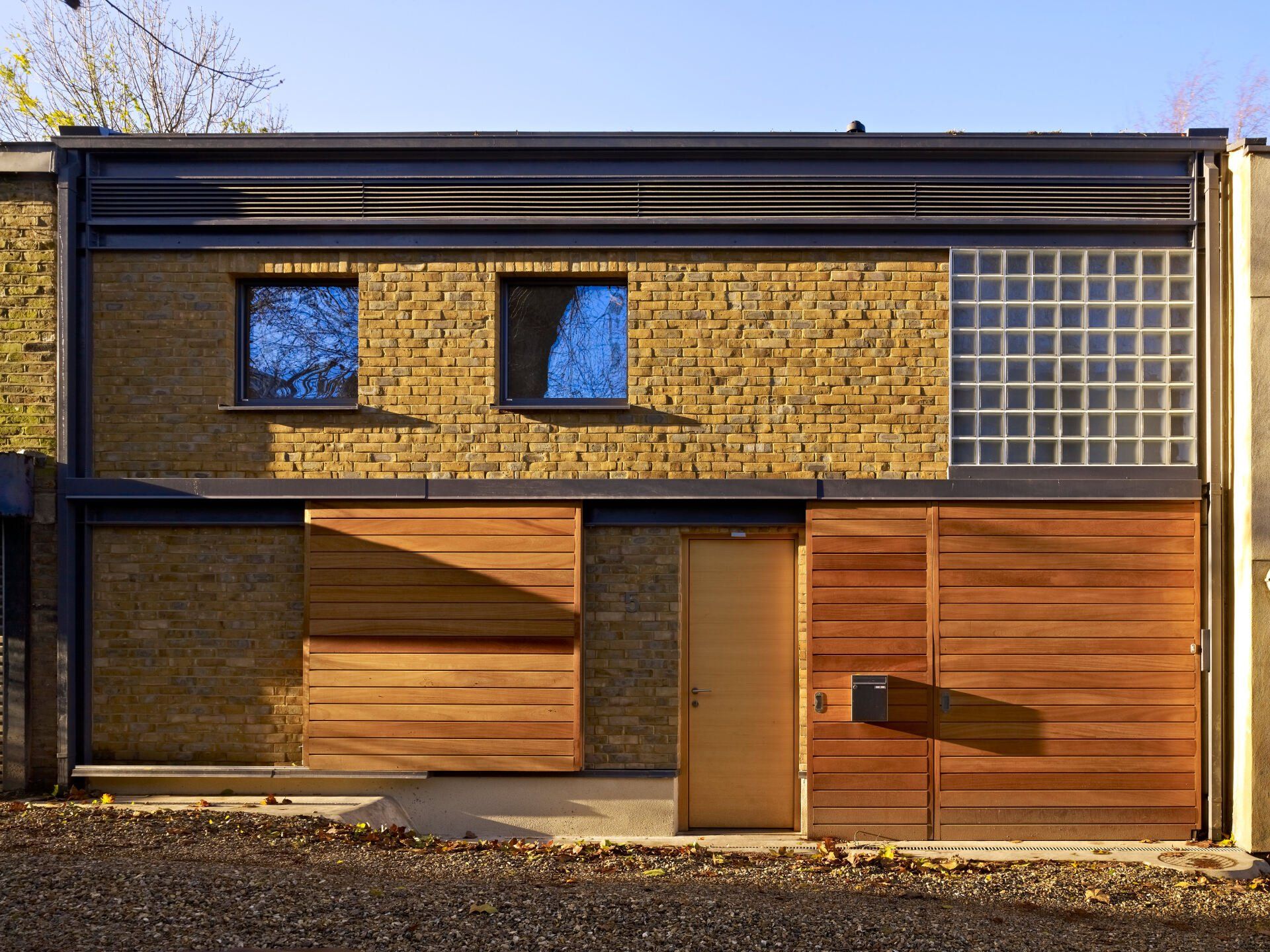
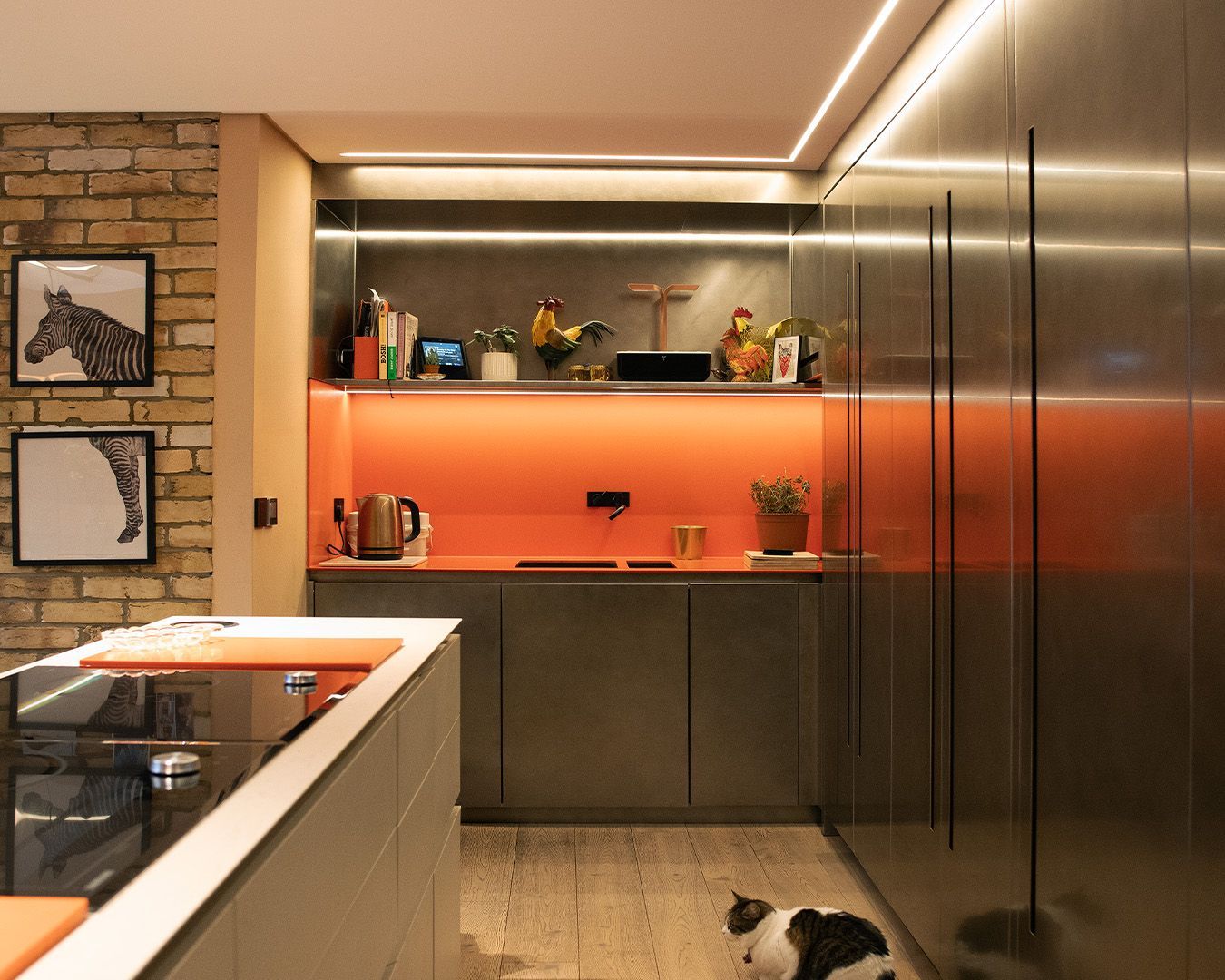
There is a particular responsibility that comes with working on an existing building. The Old Timberyard , a former Victorian workshop, offered the opportunity to demonstrate how careful retrofit can honour heritage whilst delivering genuine long-term performance. Behind its retained brickwork and historic fabric sits a carefully executed EnerPHit upgrade. This was not about surface improvements, but a rigorous, fabric-first transformation, reworking a cold, underperforming structure into a comfortable, resilient and low-energy building fit for contemporary use.
By Richard Dudzicki
•
September 16, 2026
How Do You Retrofit a Victorian House Without Losing Its Character?
By Richard Dudzicki
•
July 10, 2026
How we keep an EnerPHit home cool during a heatwave?
By Richard Dudzicki
•
July 2, 2026
London Festival of Architecture: Small sites and Big Belonging with RDA, Guided Tour
By Richard Dudzicki
•
June 18, 2026
We are pleased to announce that planning approval has been secured for Wedged House . A conversion of a three-storey commercial building with basement accommodation into a single dwelling. The project presented a number of design challenges, including an unusual triangular footprint, limited access to natural daylight and an inefficient internal arrangement. Through a comprehensive internal reconfiguration, the proposal transforms the building into a bright and functional home while working entirely within the existing building envelope.
By Richard Dudzicki
•
May 13, 2026
On March 25th, New London Architecture’s Coffee Conversation brought together a cross section of voices from architecture, planning, development and policy to discuss one of the most urgent questions facing London today: how can small and difficult urban sites make a meaningful contribution to our housing crisis?
By Richard Dudzicki
•
March 27, 2026
Between History and Innovation: Learning from Mexico City Richard recently travelled to Mexico City with the Architects Marketing Group for a series of intensive workshops exploring the intersection of marketing and artificial intelligence within architectural practice.
By Richard Dudzicki
•
March 10, 2026
On 25 March, Richard will be speaking at NLA’s Coffee Conversation about how London’s most constrained and overlooked sites can play a role in addressing both the housing crisis and the climate emergency. Across the city, small and fragmented plots are often dismissed as too difficult to develop. Backland sites, former garages and leftover spaces within established neighbourhoods are frequently overlooked by conventional development models. Yet collectively they represent a significant and largely untapped opportunity.
By Richard Dudzicki
•
March 3, 2026
There is a particular responsibility that comes with working on an existing building. The Old Timberyard , a former Victorian workshop, offered the opportunity to demonstrate how careful retrofit can honour heritage whilst delivering genuine long-term performance. Behind its retained brickwork and historic fabric sits a carefully executed EnerPHit upgrade. This was not about surface improvements, but a rigorous, fabric-first transformation, reworking a cold, underperforming structure into a comfortable, resilient and low-energy building fit for contemporary use.