Reflections from the NLA Coffee Conversation, 25th March
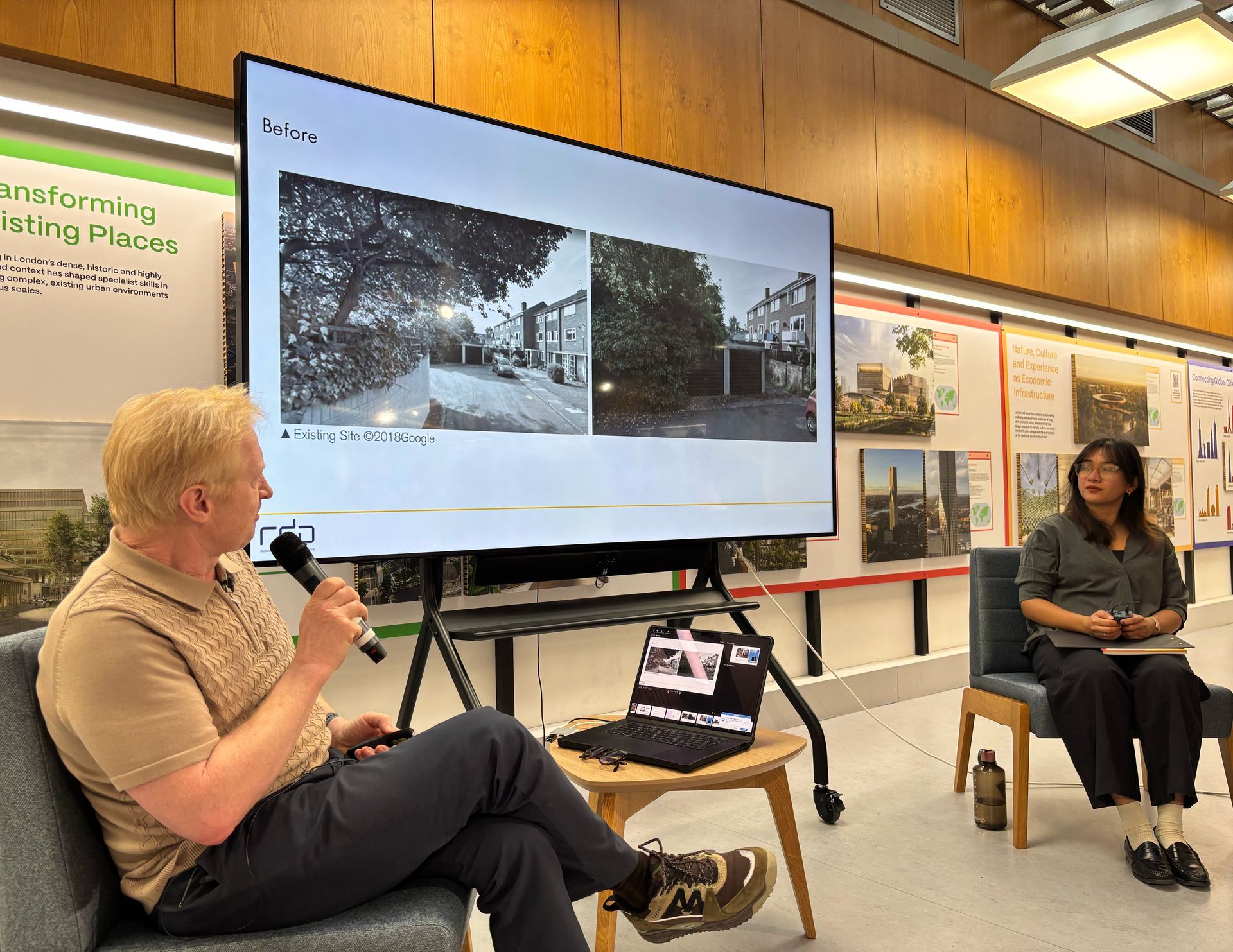
On March 25th, New London Architecture’s Coffee Conversation brought together a cross section of voices from architecture, planning, development and policy to discuss one of the most urgent questions facing London today: how can small and difficult urban sites make a meaningful contribution to our housing crisis?
RDA Architects has been working on constrained, complex, “impossible” sites for over 30 years, so this is a debate we care about deeply. Our thanks to NLA for convening the conversation and for inviting Richard Dudzicki to speak on a topic that has been central to our practice since the 1990s.
What emerged from the session was clear: the future of housing delivery cannot rely on large strategic sites alone.
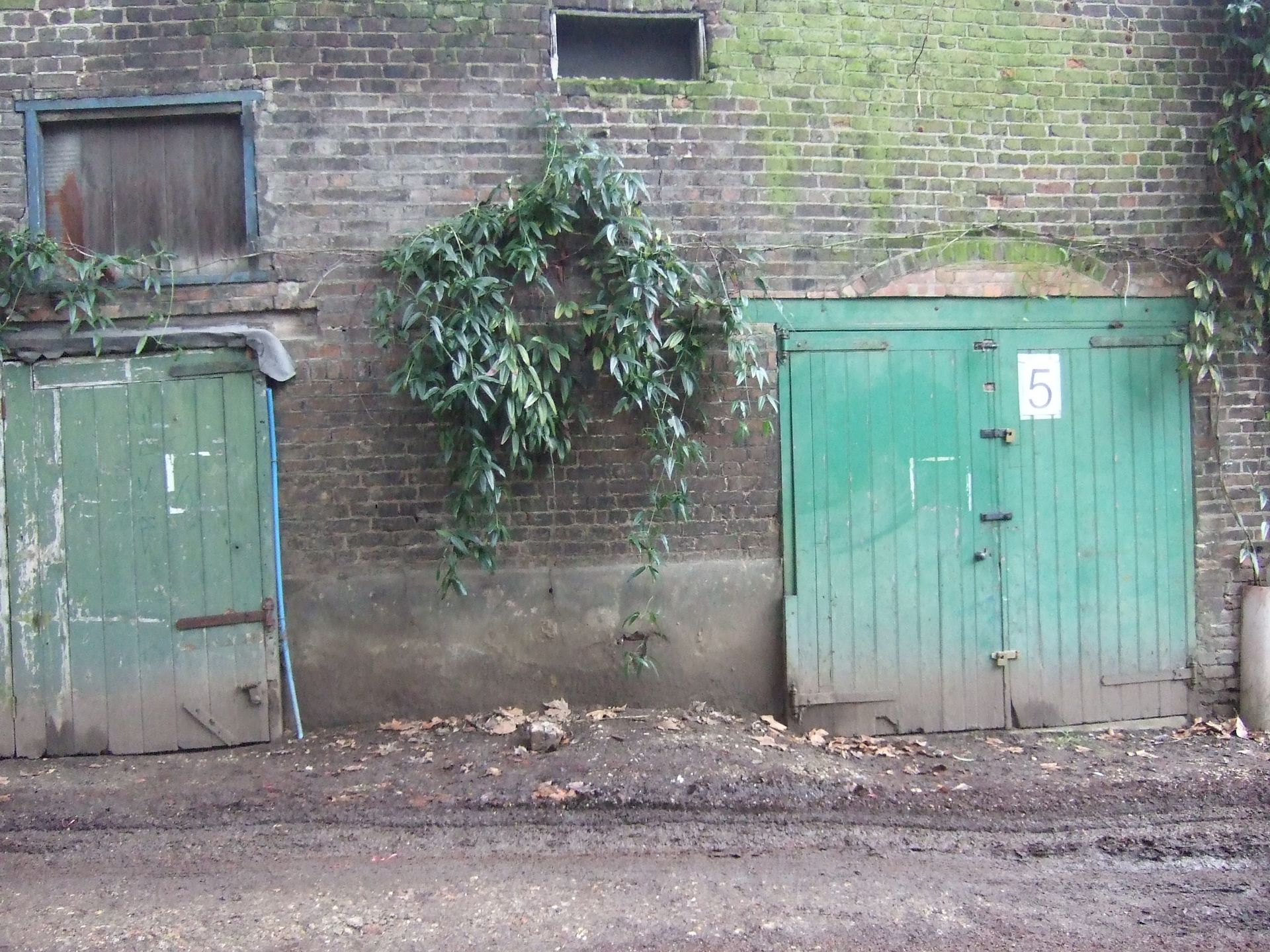
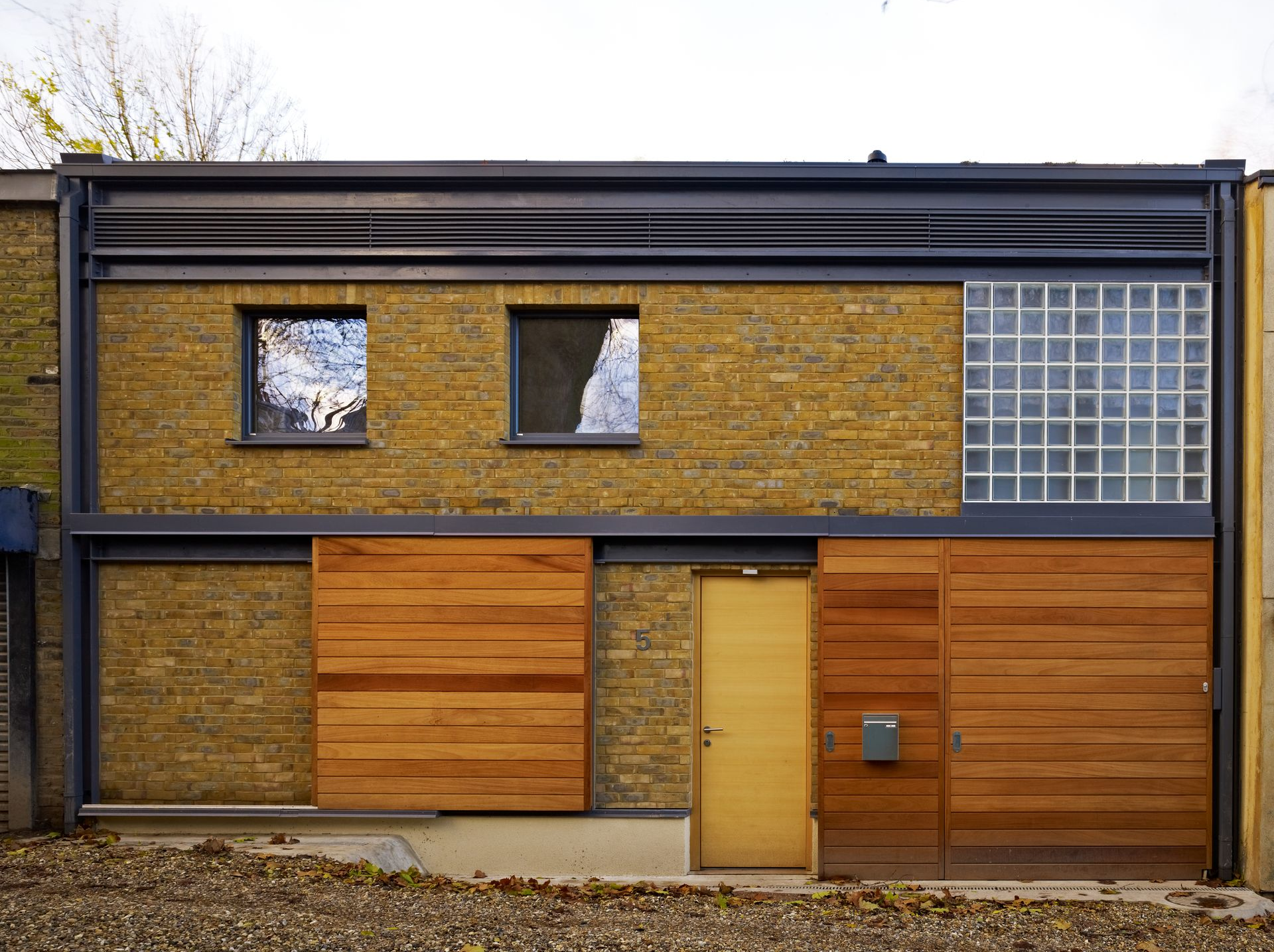
The scale of the challenge and why small sites matter
National government continues to pursue ambitious housing targets, often cited as 300,000 homes a year across England, yet actual delivery consistently falls short. In London, the London Plan identifies a need for around 52,000 new homes per year, while completions struggle to keep pace, hovering closer to the 30-40,000 mark in many recent years.
The Prime Minister’s recent announcements and the latest budget reiterate the political focus on “unlocking land” and “cutting red tape”. But most of the public narrative still gravitates towards large strategic sites, major regeneration areas and new settlement proposals.
The reality on the ground is different.
Across London, some of the most immediate and transformative opportunities are already hiding in plain sight, within the existing urban fabric:
• Former garage courts and yard spaces
• Backland plots and infill gaps
• Fragments of brownfield land
• Redundant commercial premises and service yards
• Awkward slivers between established buildings
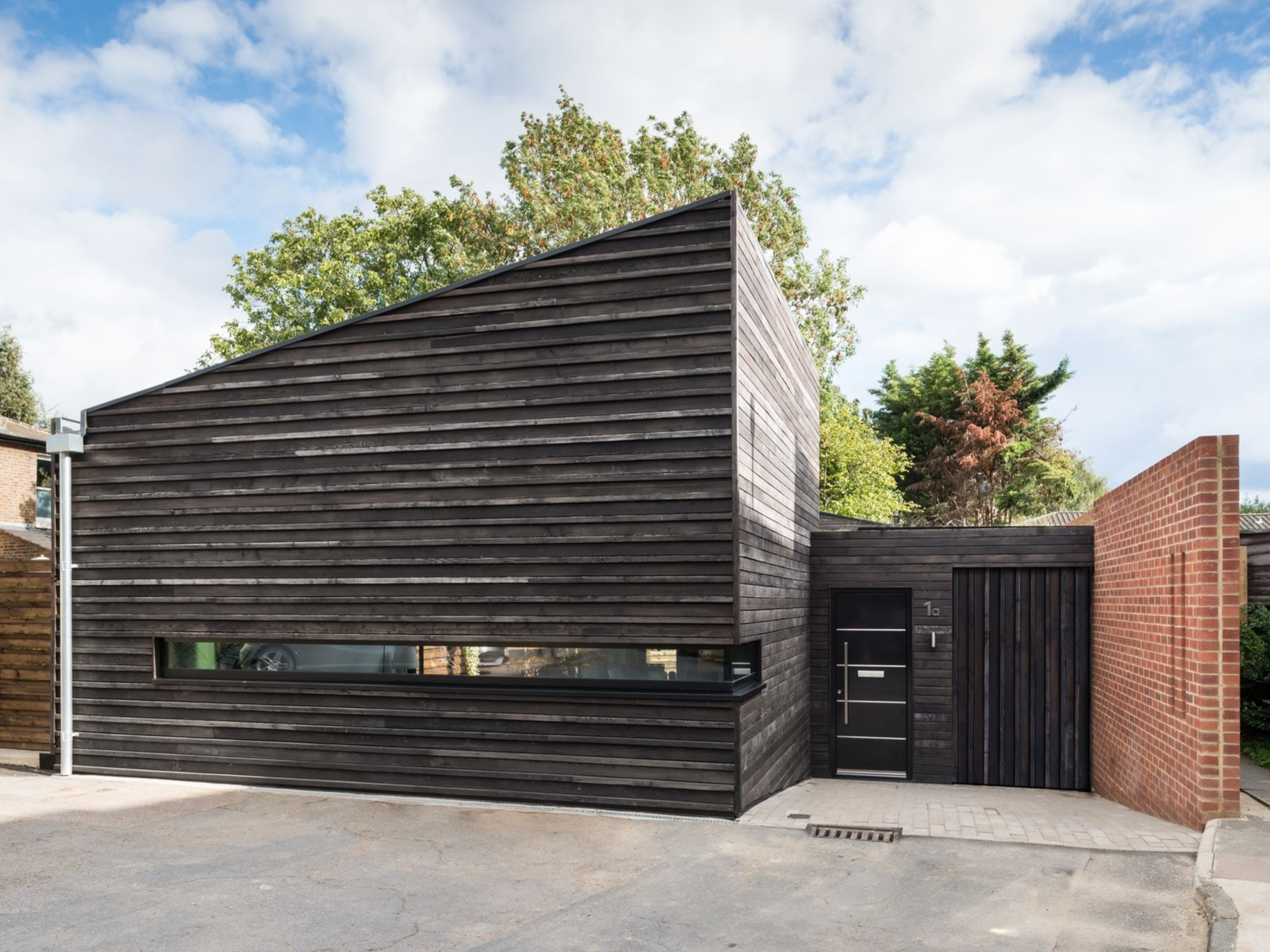
These small, difficult sites are not marginal. Taken together, they represent one of the most significant, and least effectively tapped, sources of housing capacity in the city.
The question is not whether these sites exist.
The question is whether our policy, planning and design frameworks are agile enough to unlock them.
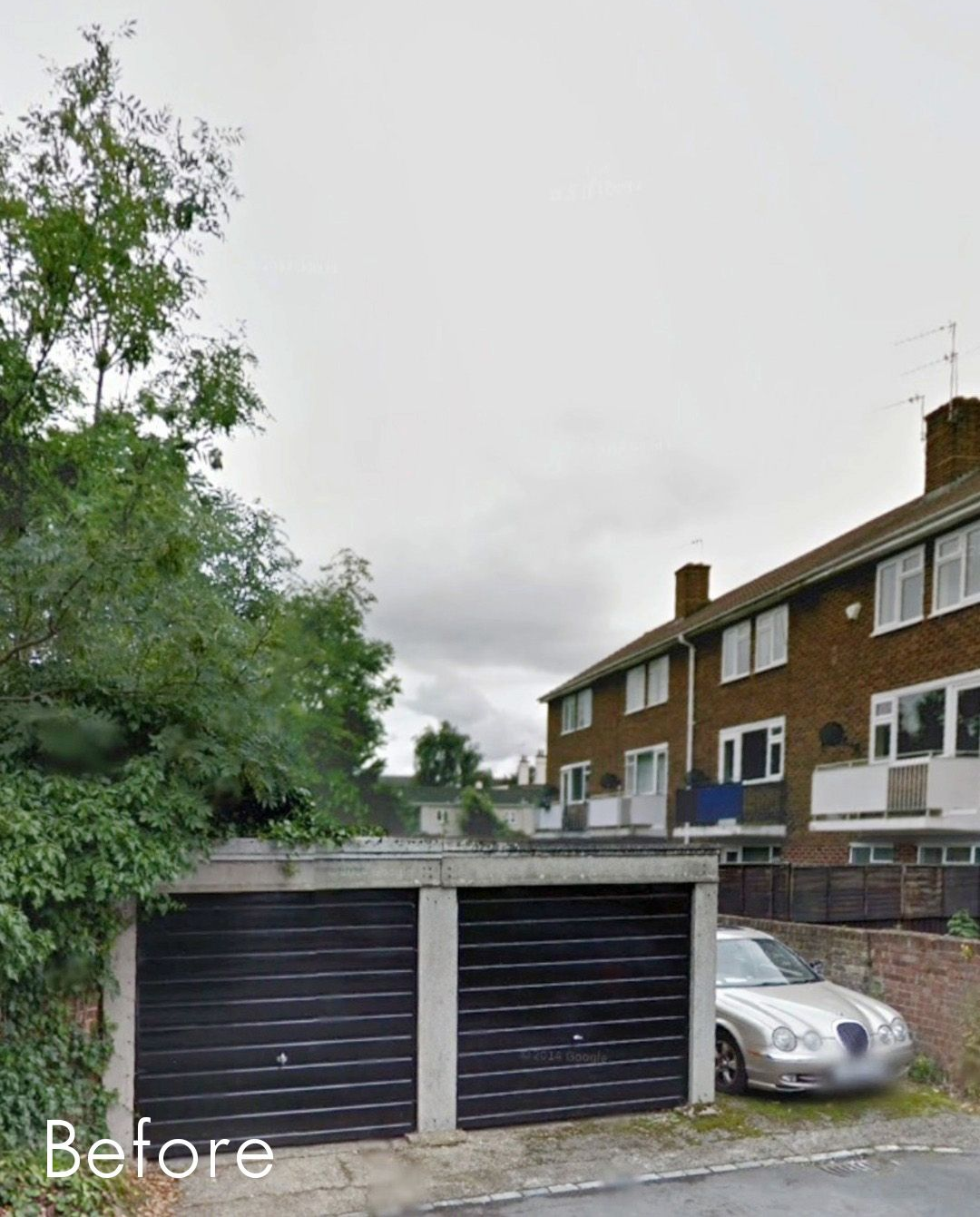
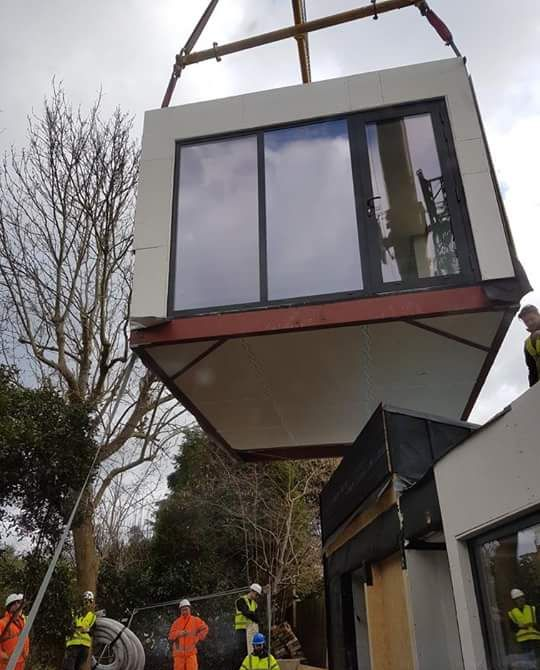
The policy paradox: small sites, big rules
One of the strongest messages from both the NLA conversation and wider research is that small sites are often forced through a system designed for large schemes.
Research by Lichfields in collaboration with Pocket Living, examining 60 small residential developments across London, found that 98% took longer than the statutory 13 week determination period, with average times stretching to more than four times the intended timeframe. This is not a minor administrative issue.
For SME developers and specialist delivery partners, time is viability. Unlike volume housebuilders spreading risk across multiple schemes, smaller players typically carry:
• Higher equity exposure on each site
• Tighter financing conditions
• Less capacity to absorb prolonged uncertainty.
Every extra week in planning means more interest, more risk and delayed delivery. As Pocket Living’s Marc Vlessing put it, for small developers “time is the enemy.”
Behind this sits a deeper misconception: that applying the same layered planning obligations to a 20 home infill scheme and a 300 home regeneration project represents fairness and consistency.
In practice, this “one size fits all” approach often creates the opposite:
• Disproportionate burdens on constrained plots
• Complex affordable housing negotiations on marginal schemes
• Heavy viability and transport requirements on sites with limited capacity
• A cumulative layering of standards that simply does not reflect the realities of tight urban footprints
Small does not mean simple. In many cases, small actually means more complex and our policies need to recognise that.
Policy is (slowly) catching up with urban reality
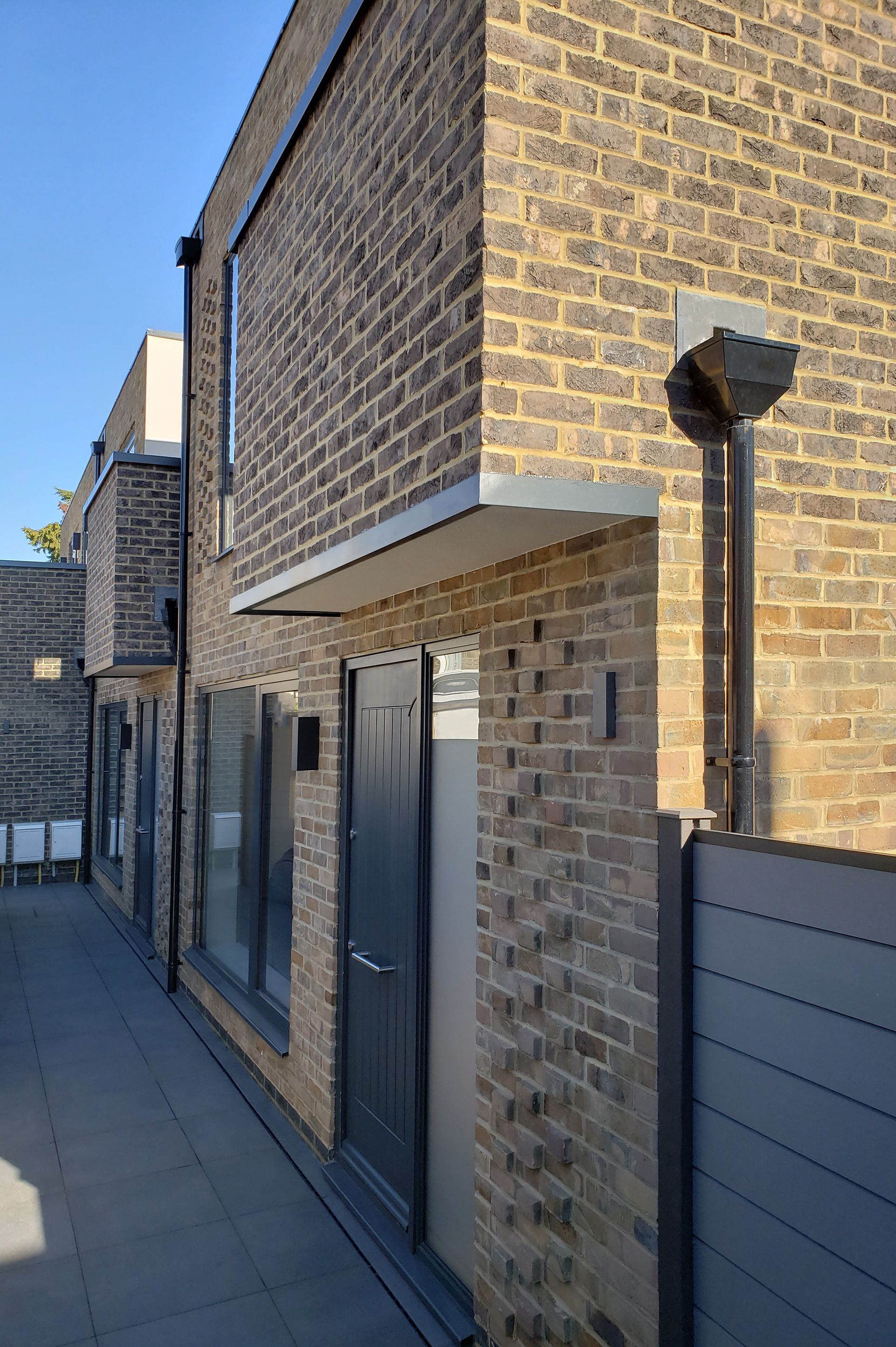
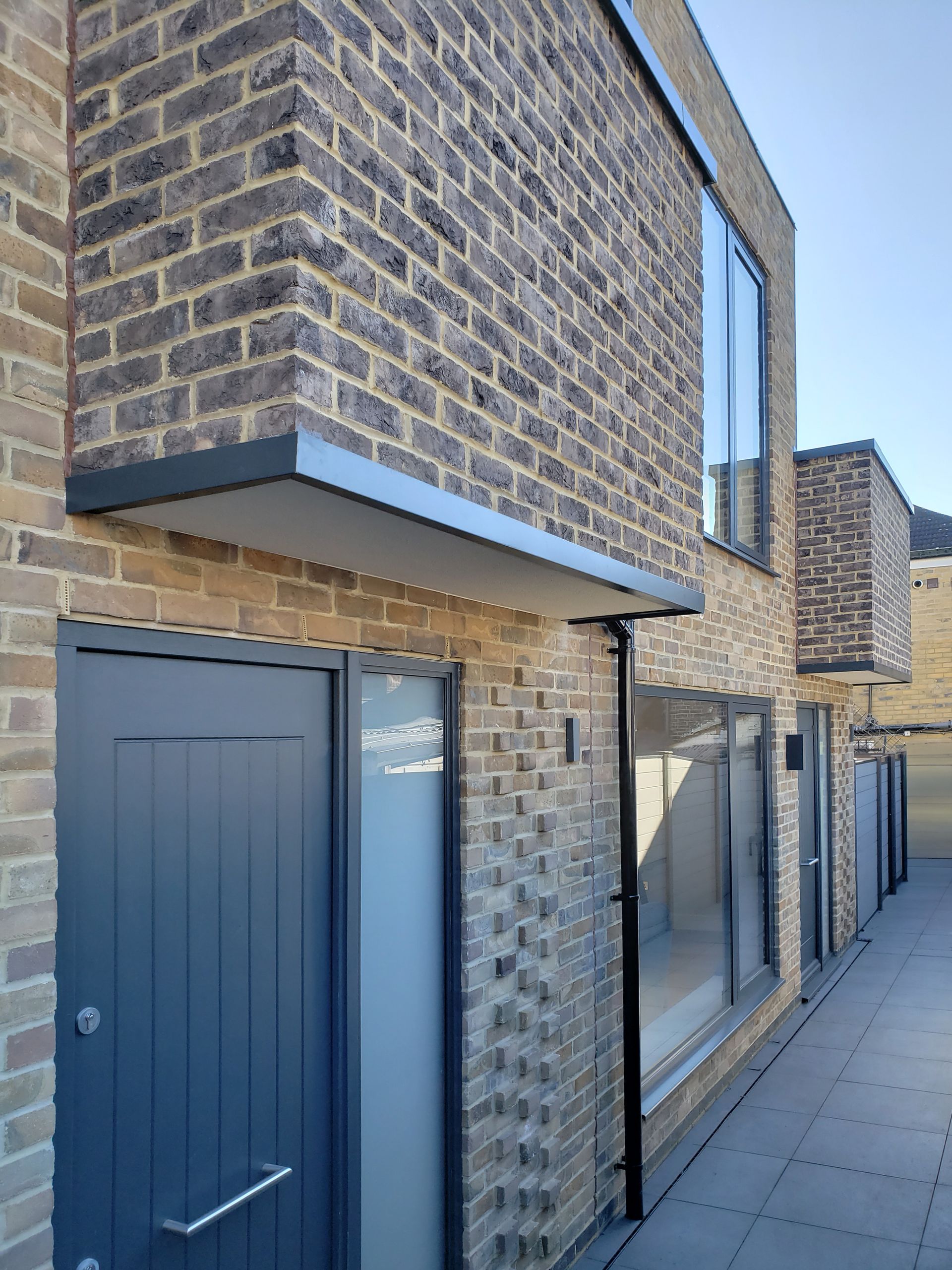
One of the more encouraging themes from the NLA Coffee Conversation is that policy is beginning to catch up with what architects, planners and SME developers have known for years: small sites are central to housing delivery, not peripheral to it.
The Greater London Authority has made this increasingly explicit, particularly through London Plan Policy H2 (Small Sites) and related guidance. As City Hall states, “small sites should play a much greater role in housing delivery”.
Key shifts include:
• A clear expectation that sub 0.25ha sites contribute substantially more to borough wide housing targets.
• Support for area wide design codes and more proactive identification of small site capacity.
• Recognition that small sites can and should play a significant role in brownfield, context sensitive growth.
Most importantly, the GLA’s small site design codes challenge a long held myth in planning culture: that small, fragmented sites are too awkward to deliver meaningful numbers of homes.
In reality, policy is now edging towards the opposite conclusion.
Properly supported, small sites are one of the fastest ways to deliver well designed, climate conscious homes within existing neighbourhoods. This shifts the conversation from “Do small sites matter?” to “How do we actually unlock them?” That is where architectural leadership becomes critical.
Small difficult sites as urban catalysts, not leftovers
A particularly valuable strand of the NLA discussion was the move away from seeing small sites as mere tick‑boxes towards housing targets, and towards their urban design value.
Handled well, small sites can:
· Repair broken streetscapes and awkward edges
· Activate dead frontages and underused corners
· Increase density in a fine‑grained, neighbourly way
· Support local high streets, public transport and social infrastructure
· Allow neighbourhoods to evolve incrementally rather than via one‑off, disruptive mega‑schemes.
With careful design, they can deliver high-quality homes in places where people already want to live. This is a form of incremental urbanism that respects the grain of the city.
From a design perspective, small difficult sites demand some of the most rigorous thinking:
· Access and servicing in tight conditions
· Rights to light and neighbouring amenity
· Overlooking, privacy and acoustic control
· Level changes, existing structures and complex boundaries
This is where the constraints of a site can drive
genuine innovation. Some of the most inventive and contextually sensitive housing we have produced as a city has come from exactly these kinds of plots.
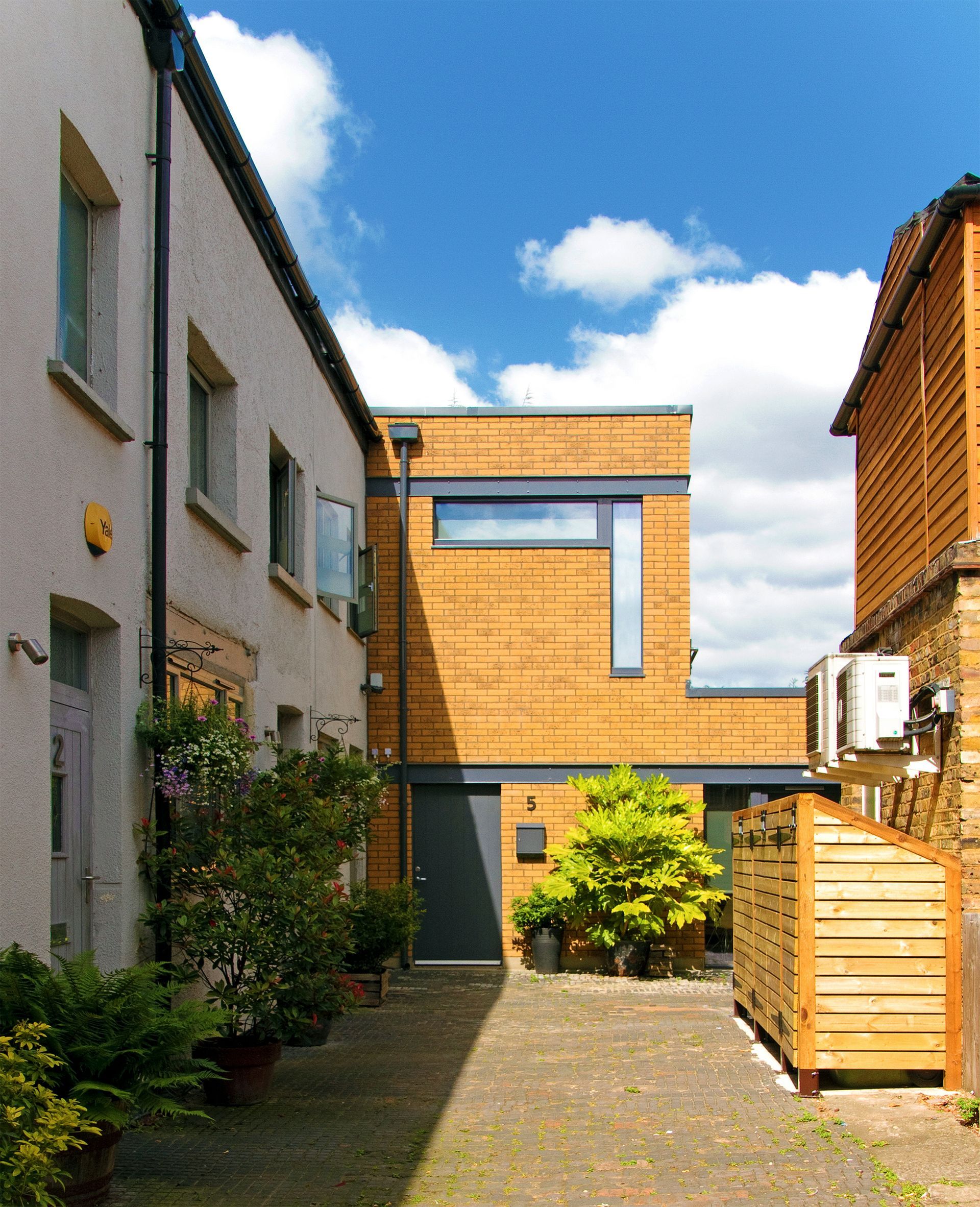
30 years of unlocking “impossible” sites: RDA’s perspective
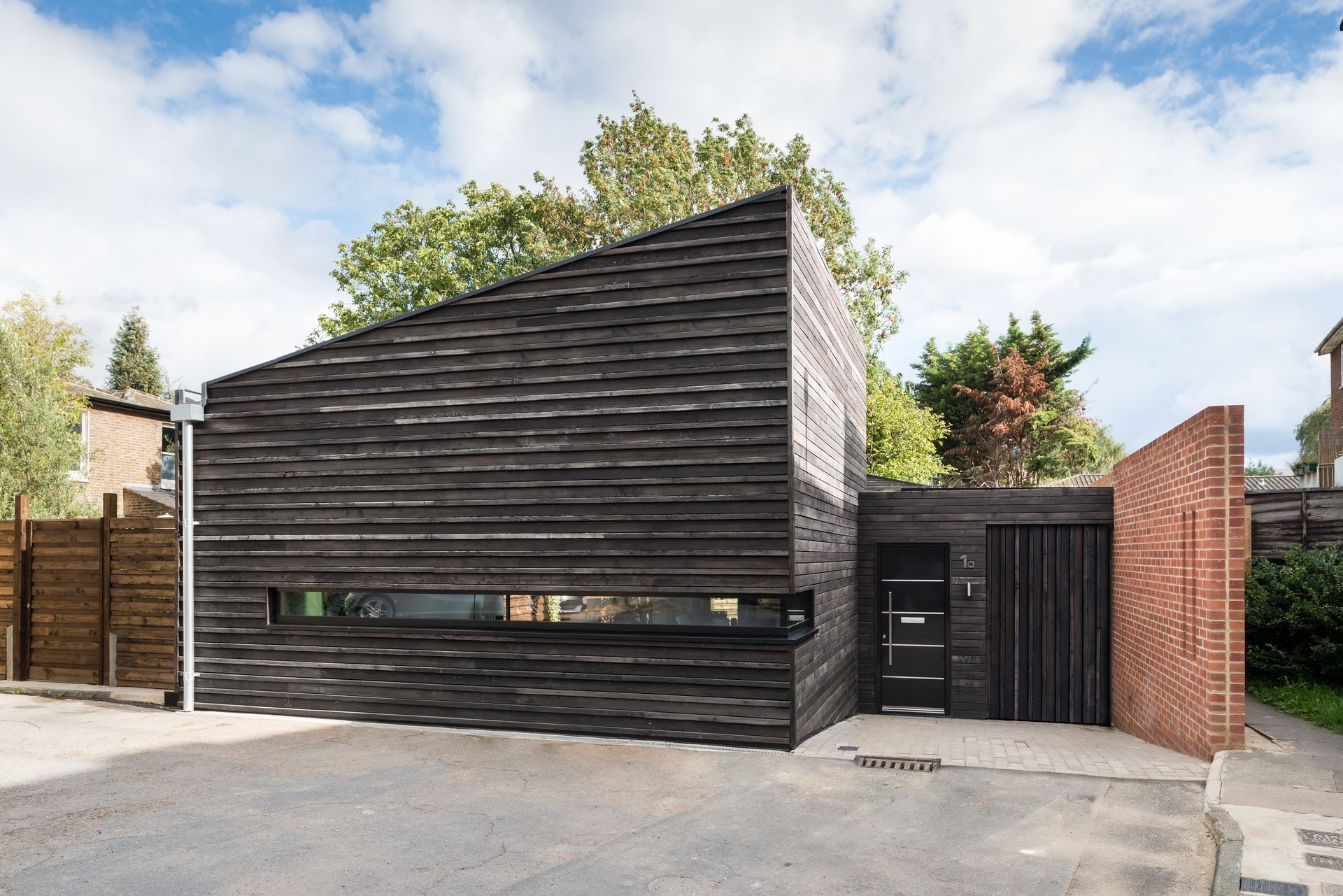
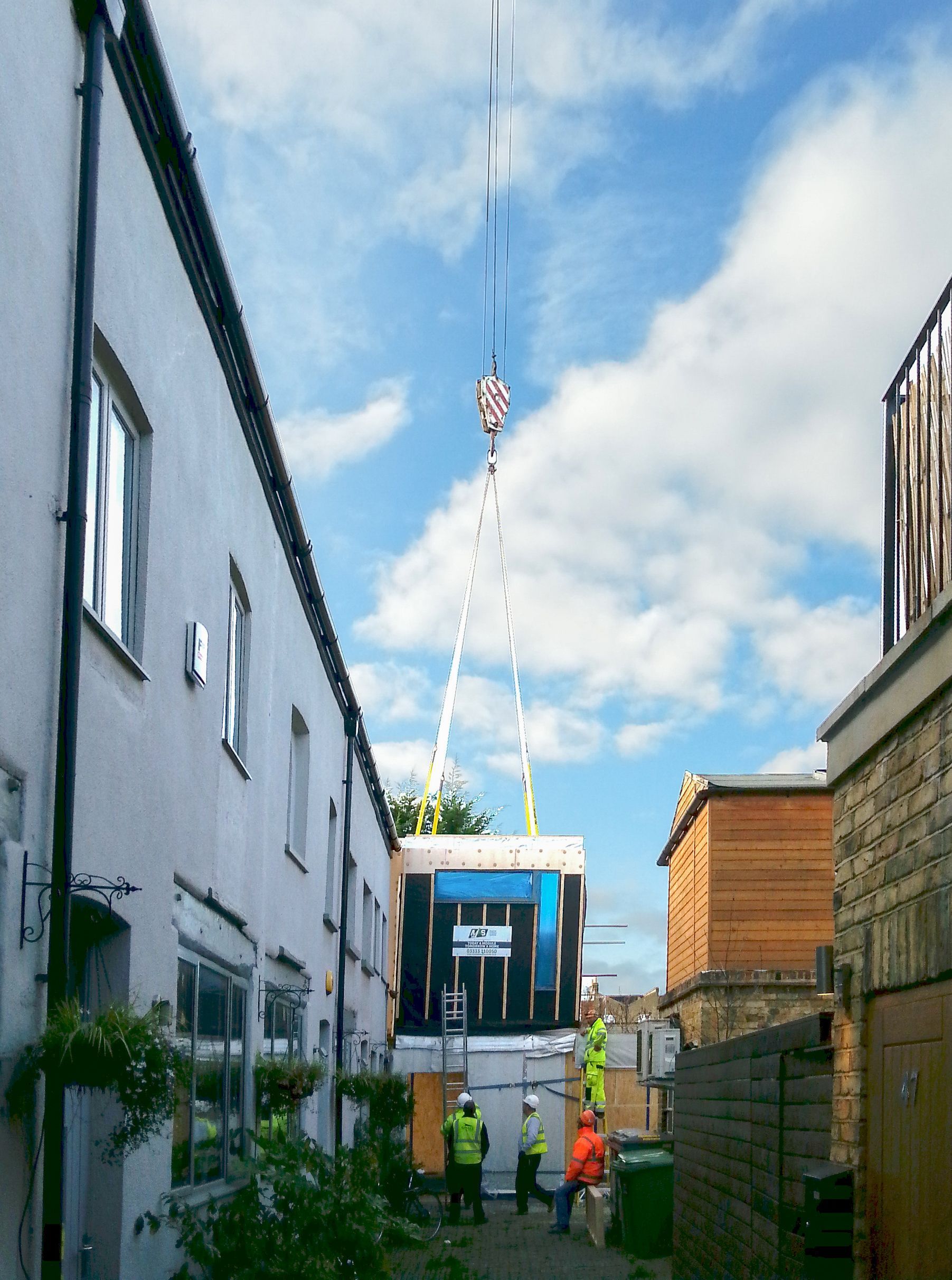
For RDA, this conversation is not theoretical. For over three decades, we have been helping clients see opportunity where others see constraint: from backland infill and tight mews plots to awkward brownfield remnants and complex mixed‑use schemes.
Across that time, we have learned that unlocking small difficult sites requires far more than good elevations and a clever plan. It demands a fluent grasp of policy - understanding how to work with the London Plan, borough policies and estate management regimes rather than around them. It needs commercial realism - aligning design ambition with buildability, viability and market positioning. It calls for urban empathy - recognising that these schemes live cheek‑by‑jowl with existing neighbours and communities. It also benefits from long experience in retrofit, conservation and tight sites, where every millimetre and every junction counts.
This is the space RDA has operated in since the early 1990s: making the “too difficult” sites work, technically, politically and architecturally.
Being part of NLA’s Coffee Conversation reinforced what we are already seeing across our work: local authorities, landowners and developers are increasingly open to rethinking how these small opportunities are identified, aggregated and brought forward – particularly in London, but equally in other urban centres.
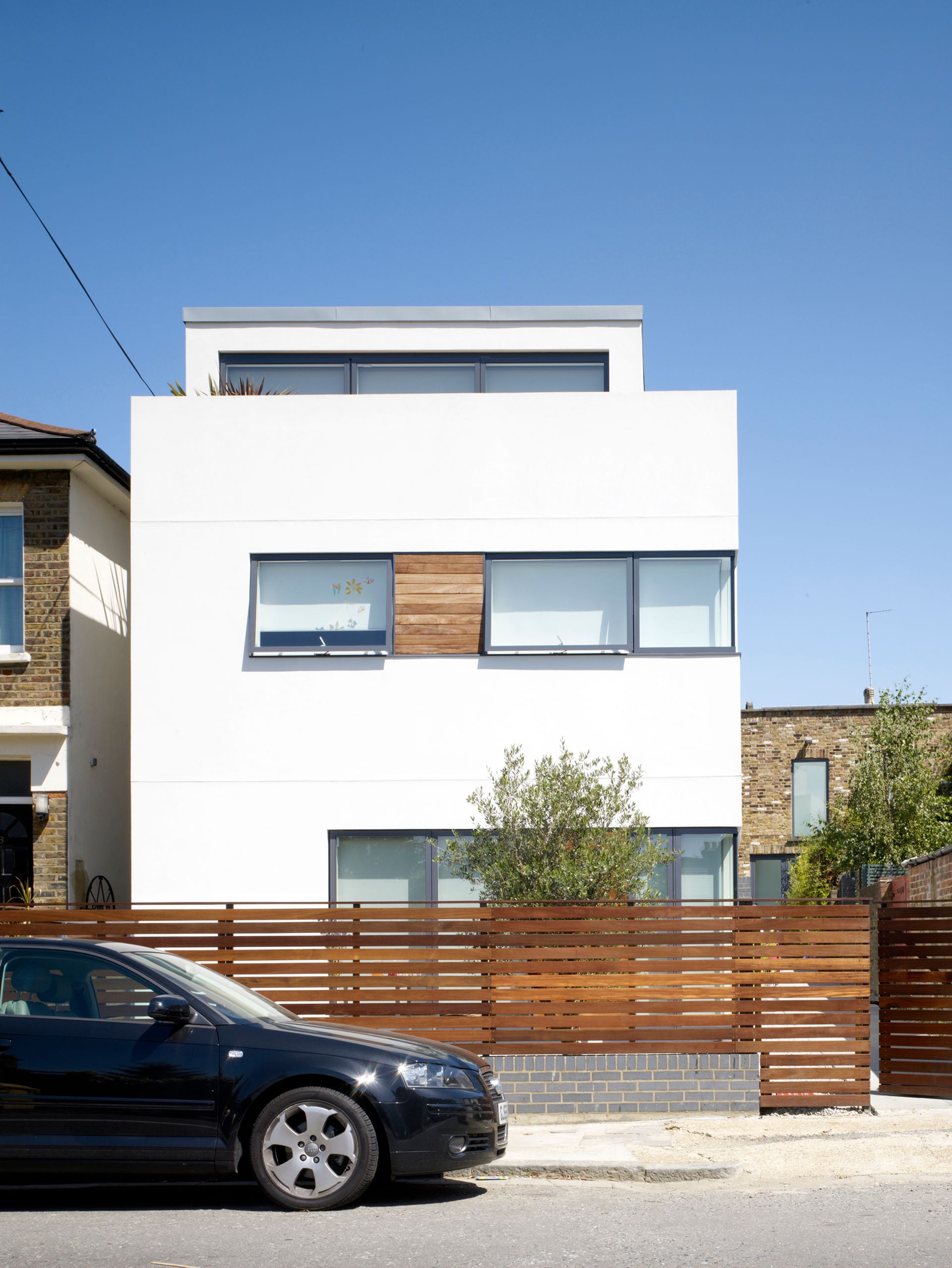

Looking ahead: from overlooked plots to strategic supply
The future of housing delivery in London will rely on multiple scales of response:
· Large strategic sites and major regeneration areas
· Medium‑scale neighbourhood intensification
· And a step‑change in how we treat small and difficult sites.
For too long, that last category has been treated as residual - the awkward last piece in a bigger jigsaw. The emerging London Plan guidance and wider political focus give us a chance to reverse that logic.
If we take small sites seriously, they can:
· Add homes quickly, by working within existing infrastructure
· Deliver rich, context‑responsive architecture rather than generic solutions
· Support the 15‑minute city ambition by reinforcing local centres
· Spread growth more evenly, and more fairly, across boroughs.
At a time when planning reform, housing targets and the “numbers game” dominate headlines, this feels like a pivotal moment to ask a different question: how can we use small difficult sites not just to build more homes, but to
build better cities?
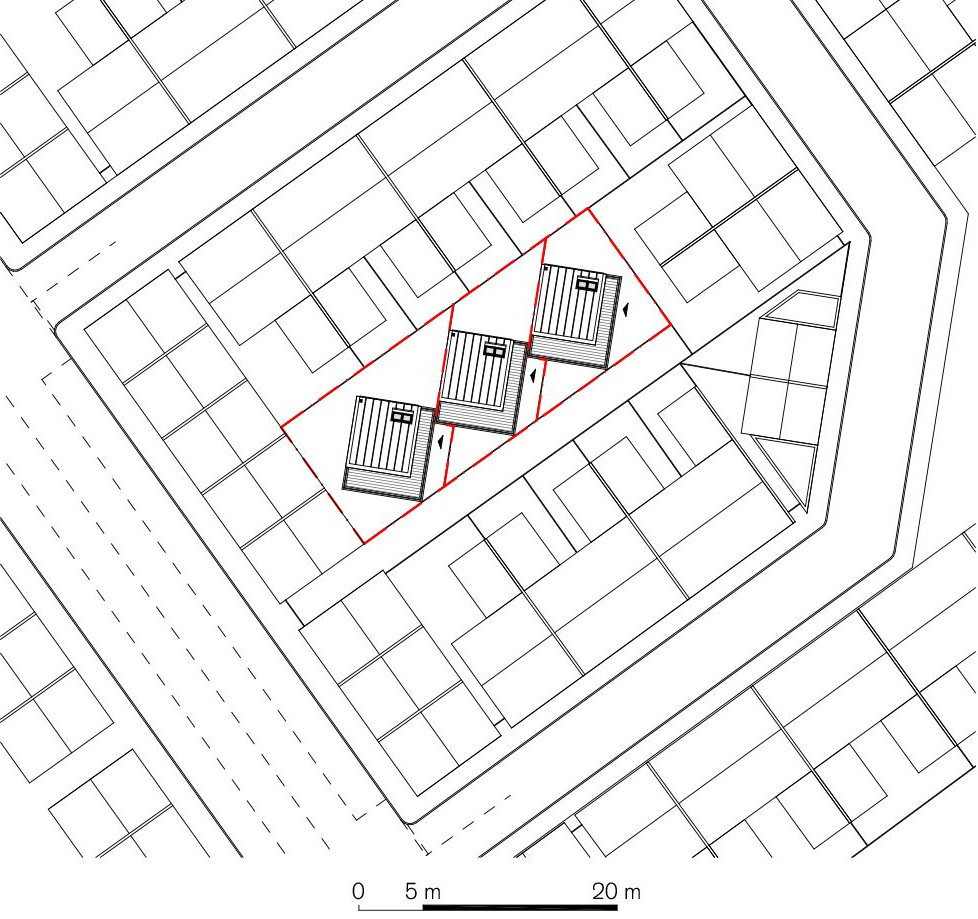
For RDA, this is where our 30‑year track record and our ongoing leadership - including Richard’s role in conversations such as NLA’s Coffee Conversation - can make a real difference.
We are excited to continue working with boroughs, landowners, developers and community organisations to turn overlooked plots into strategic housing supply, and to show, project by project, that small difficult sites are not the edge case of housing policy. They are central to its future.
If you are feeling inspired, book a call with Richard to discuss your plans for your home.
Read more about the projects mentioned in this blog:
Ask an expert
Book a free consultation today with Richard Dudzicki, RDA's director, founder and lead architect.
Ease your mind and take the first step towards your future home with confidence. No commitment, flexible timings.