
Constrained Sites
Unlocking London's most overlooked and challenging plots through intelligent, low impact design
London needs more homes. Overlooked sites can be part of the answer. At RDA, we combine experience in constrained site housing with research and industry debate to turn difficult plots into opportunities for well designed, low energy homes.
We believe these sites have a vital role in London’s housing future.
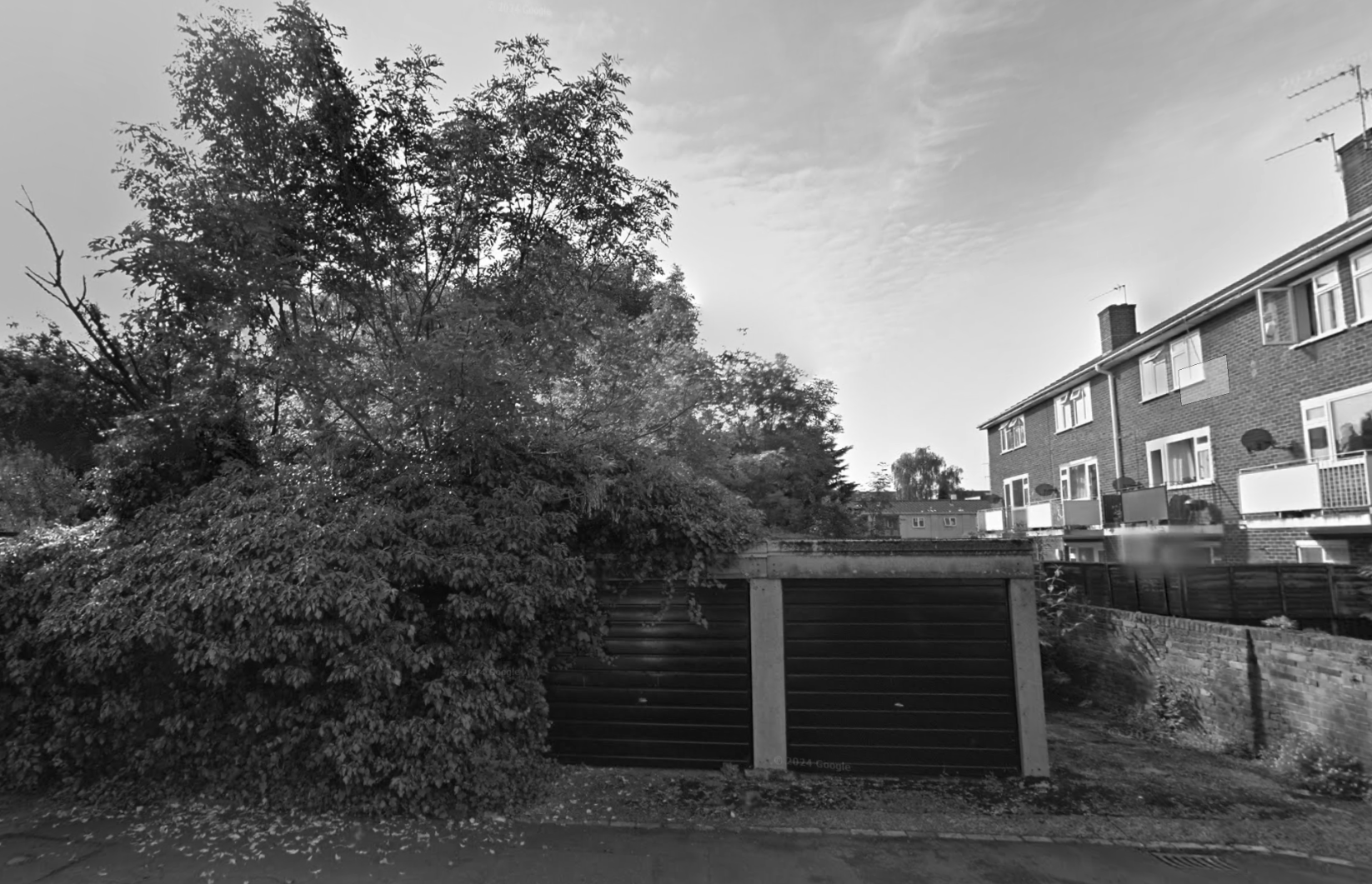
The Modern Courtyard: Previous garage site in a residential area
(5.3 Backland street infill)
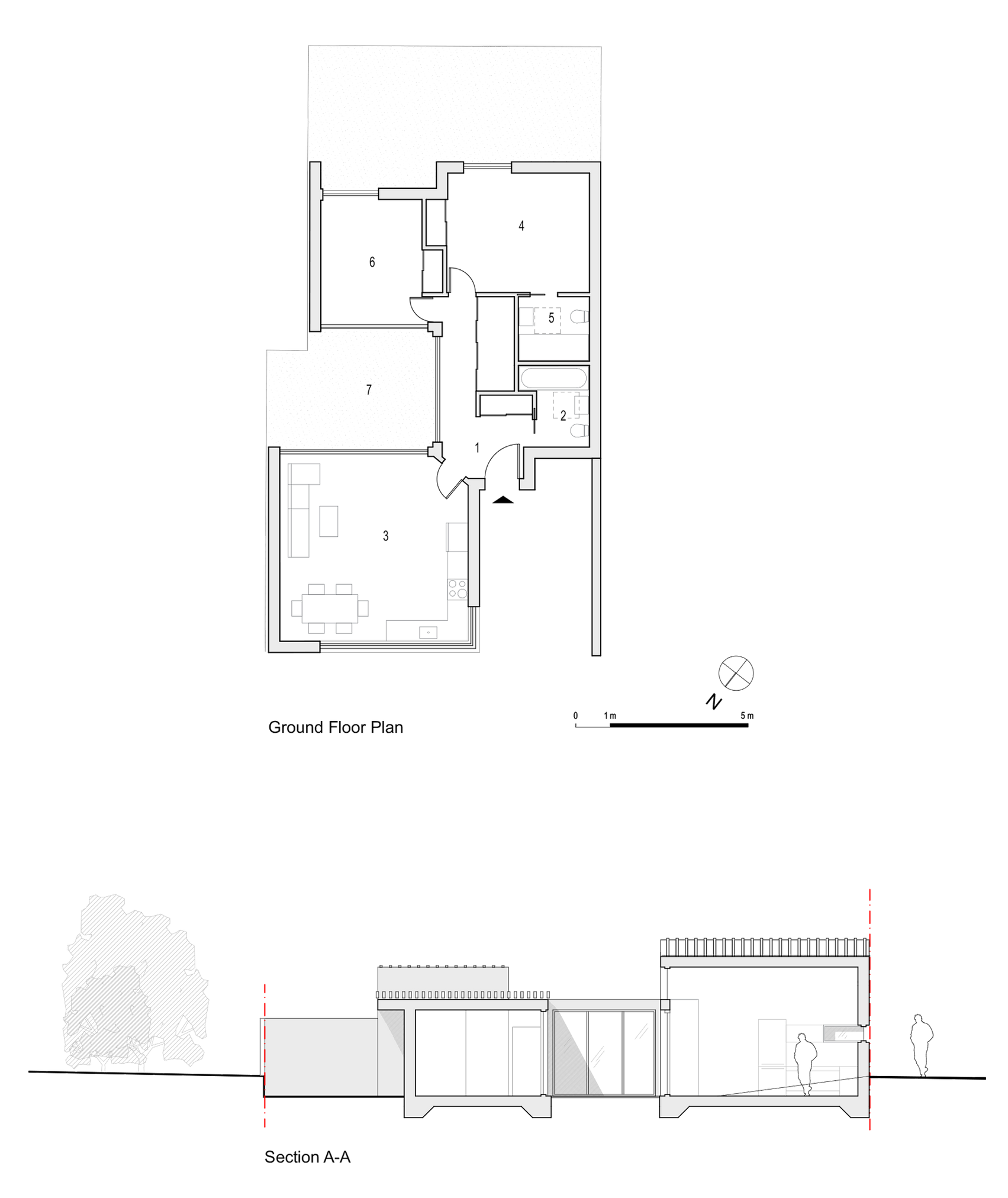
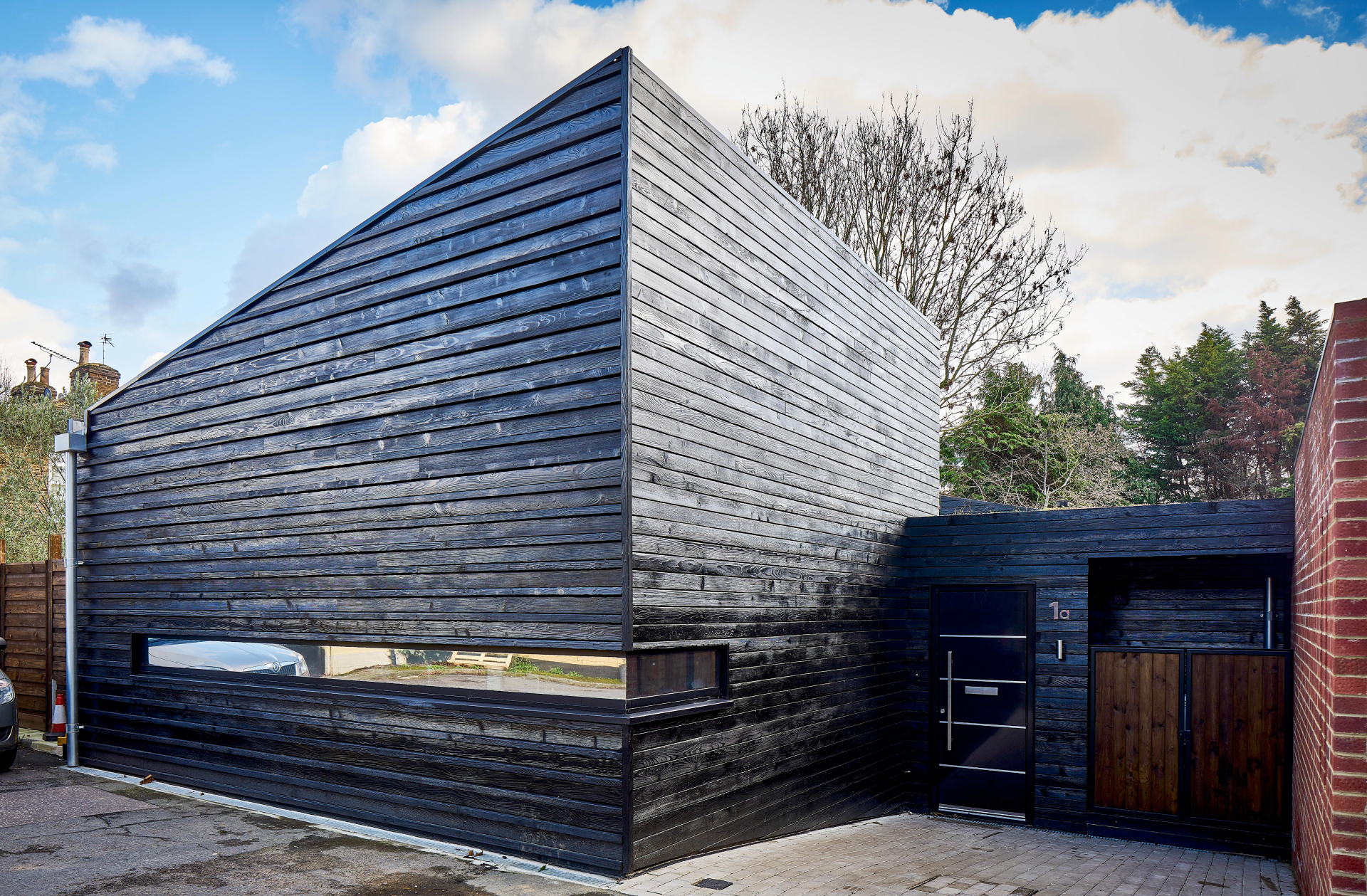
From backland plots and brownfield land to tight urban infill and complex planning contexts, we have spent over 30 years turning limitations into opportunities for thoughtful, sustainable architecture.
Have a small or difficult site in mind?
Book a free call with Richard to discuss its potential.
London is delivering roughly 38% of its assessed annual housing need. Small sites account for around 23% of the adopted London Plan’s housing target.
Meeting London’s housing needs means looking carefully at the land within the city we already have. Garages, backland plots and underused spaces can offer opportunities for new homes within established neighbourhoods, close to transport, shops and services.
Yet identifying a site is only the beginning. Restricted access, contamination, neighbouring properties and planning uncertainty can make these opportunities difficult to assess. Understanding the constraints early helps landowners and developers make informed decisions about design, costs and whether a project can realistically move forward.
Through our projects, research and conversations with developers and local authorities, we explore what prevents these sites from being built and what could help unlock them. We ask how planning can provide greater clarity, how design can respond to challenging conditions, and how smaller developments can create comfortable, low energy homes while respecting their neighbours.
An awkward site should not automatically be written off. Its potential begins with understanding it properly.
In 2026, we are building on our project experience with a dedicated programme of research into small and constrained sites. From presentations at
The New London Centre to leading roundtables with professionals across the built environment, we are bringing together practical perspectives on planning, design, viability and delivery. These discussions will inform a report examining how the
draft London Small Site Design Code could support housing delivery, and where further clarity or support may be needed.
Small sites are expected to contribute almost a quarter of the adopted London Plan’s housing target, equivalent to nearly 12,000 homes a year. From garage plots to backland and urban infill, these opportunities can make a meaningful contribution to London’s housing supply. Realising that potential depends on understanding what makes each site difficult and finding a practical route from initial feasibility to construction.
(Source: Greater London Authority, London Plan 2021, Policies H1 and H2, Tables 4.1 and 4.2.)
Our approach
We approach constrained sites through a combination of spatial intelligence, technical rigour and long-term thinking.
Reworking before extending
We prioritise reorganisation of existing space before adding volume.
Thinking in section, not just plan
Vertical layering, split levels and compact volumes unlock space where footprint is limited.
Maximising light and outlook
Careful positioning of openings, courtyards and terraces ensures quality of space.
Working with planning constraints
We engage early with planners and neighbours to shape viable proposals.
Low-energy, long-life design
Even on the tightest sites, we embed high-performance fabric and sustainable systems.
Have a small or difficult site in mind?
Book a free call with Richard to discuss its potential.
RDA's Constrained Sites Projects:
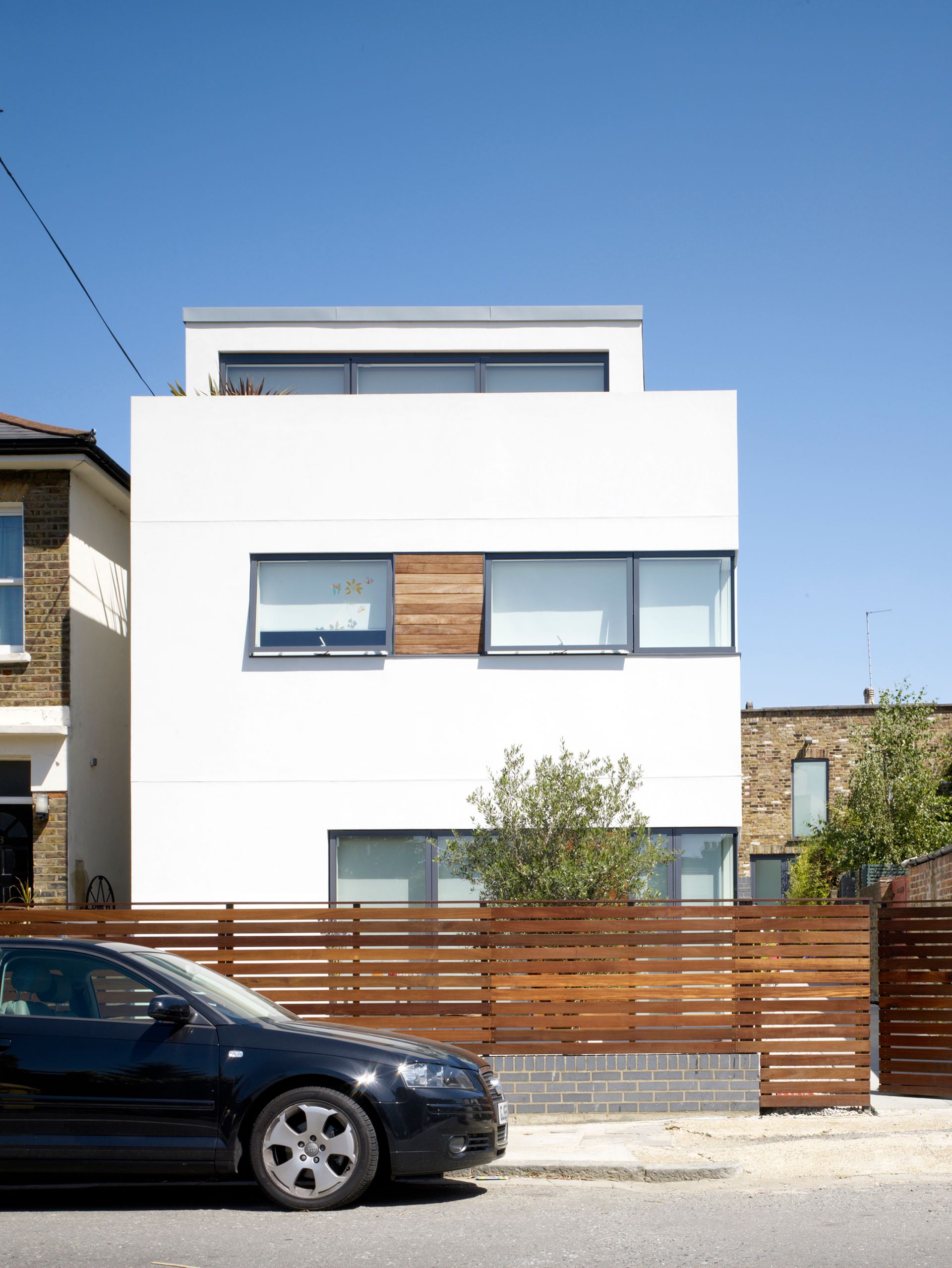
Eva's House
(5.6 Mid street Infill)
This compact contemporary family home was designed for a highly constrained 6 × 6 metre corner site in South East London, formerly occupied by garages and a scrap yard. Significant ground remediation was required, including the excavation and replacement of 1.5 metres of oil-contaminated soil.
Constructed using structural insulated panels (SIPs), the 100% timber structure, largely recycled, was assembled in just three weeks without steel. The adaptable 100sqm layout has evolved from two to three bedrooms, demonstrating long-term flexibility. Built to early Passivhaus principles, the house achieves excellent thermal performance with low energy use and is future-proofed for renewable technologies.
Despite its limited footprint, the design maximises natural light through a rear lightwell, with added outdoor space including a front garden and second-floor balcony.
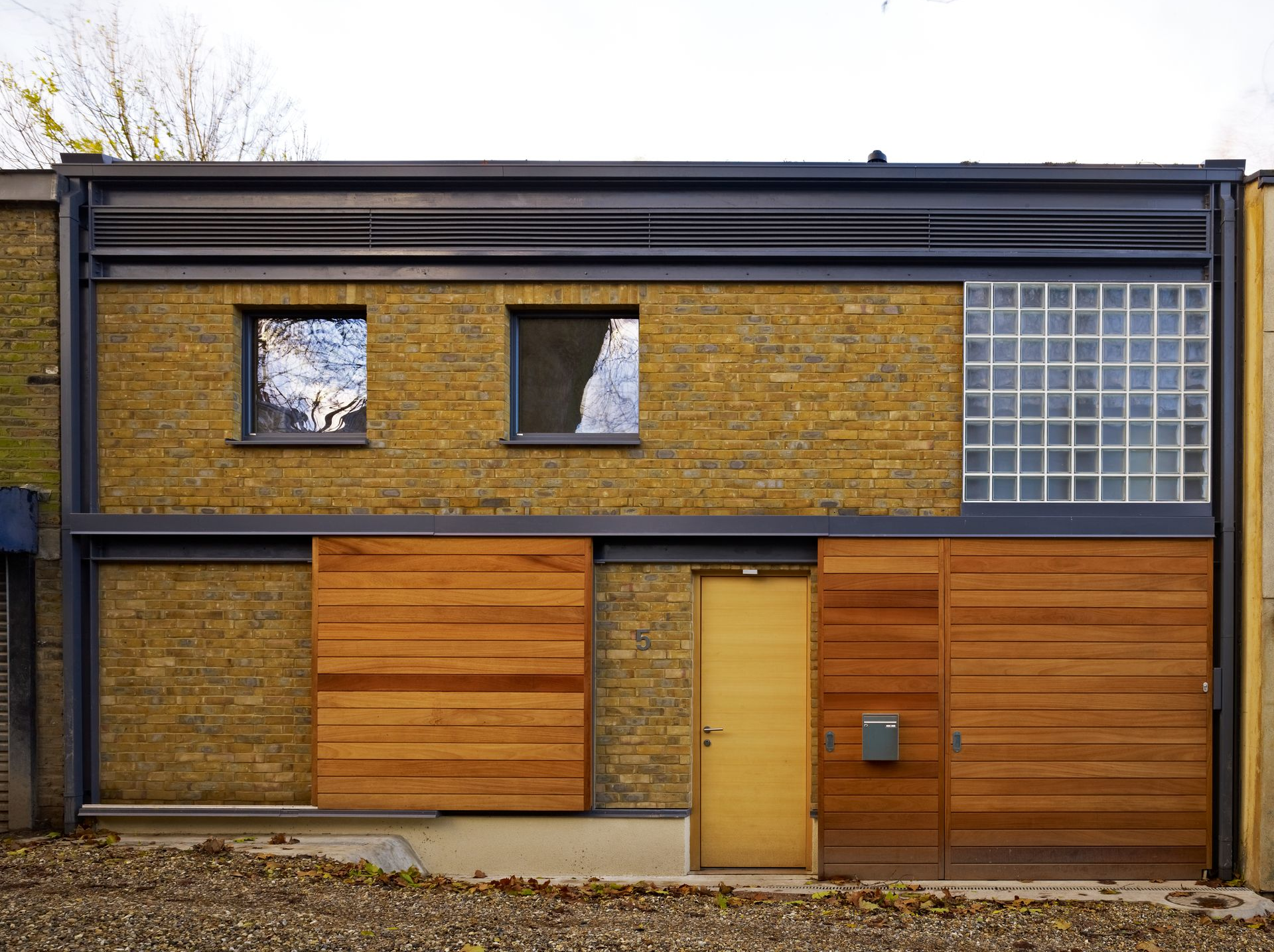
Passive Mews I
(5.5 Rear Street Development)
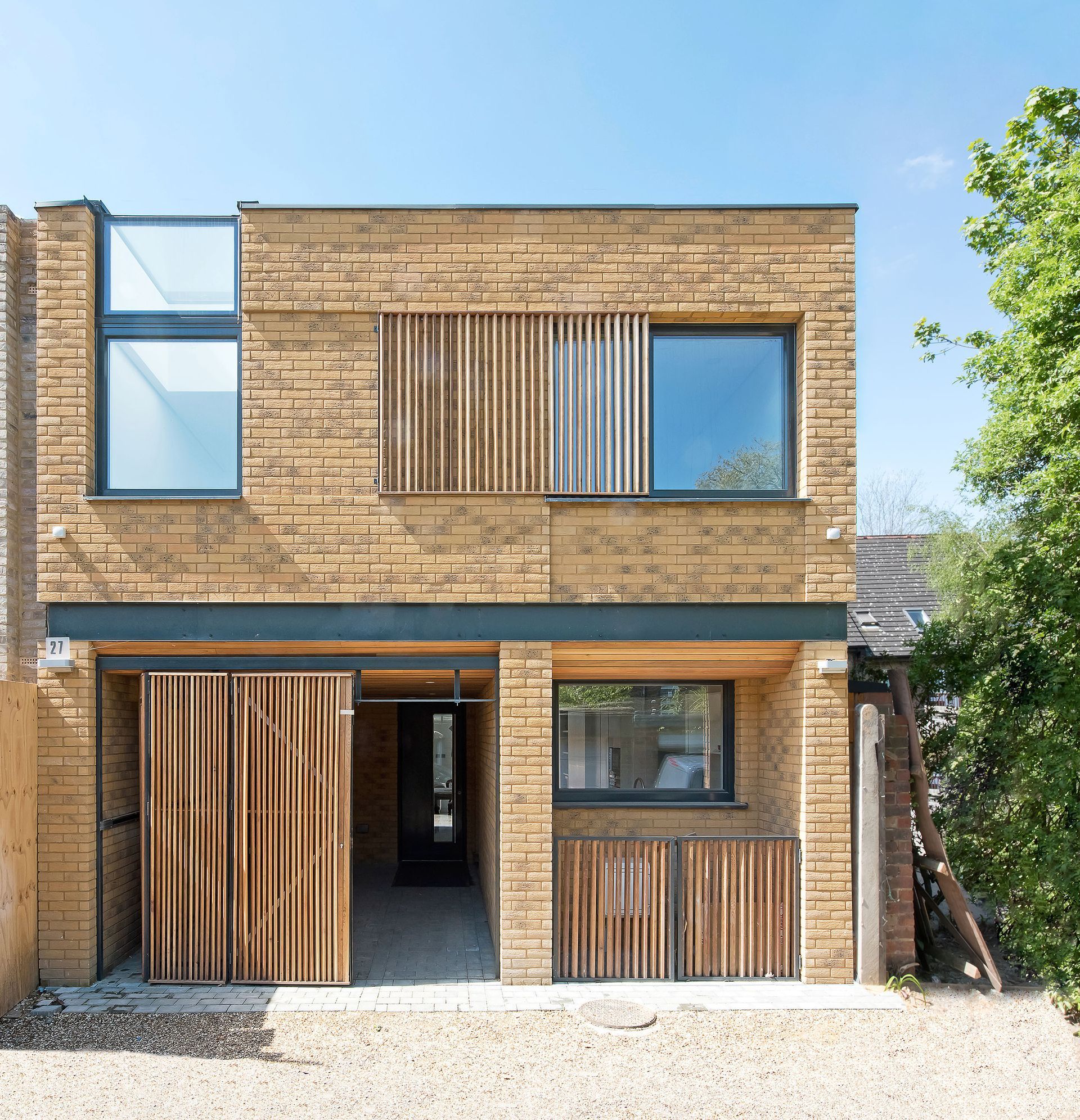
This project is RDA’s first certified Passivhaus, delivered on a tightly constrained infill site within a South London mews, to the rear of a Grade II listed building. Limited access, planning restrictions and the conservation setting presented significant design and construction challenges.
The original coach house lacked thermal efficiency, and the new home was designed to retain its industrial character. Constructed using structural insulated panels (SIPs), the modular system enabled off-site fabrication and efficient assembly despite the narrow access. A brick slip cladding system was used to reflect the surrounding materiality.
Built to Passivhaus standards, the house incorporates triple glazing and high levels of airtightness, reducing heating demand by up to 95% while significantly lowering carbon emissions.
Passive Mews II
(5.5 Rear Street Development)
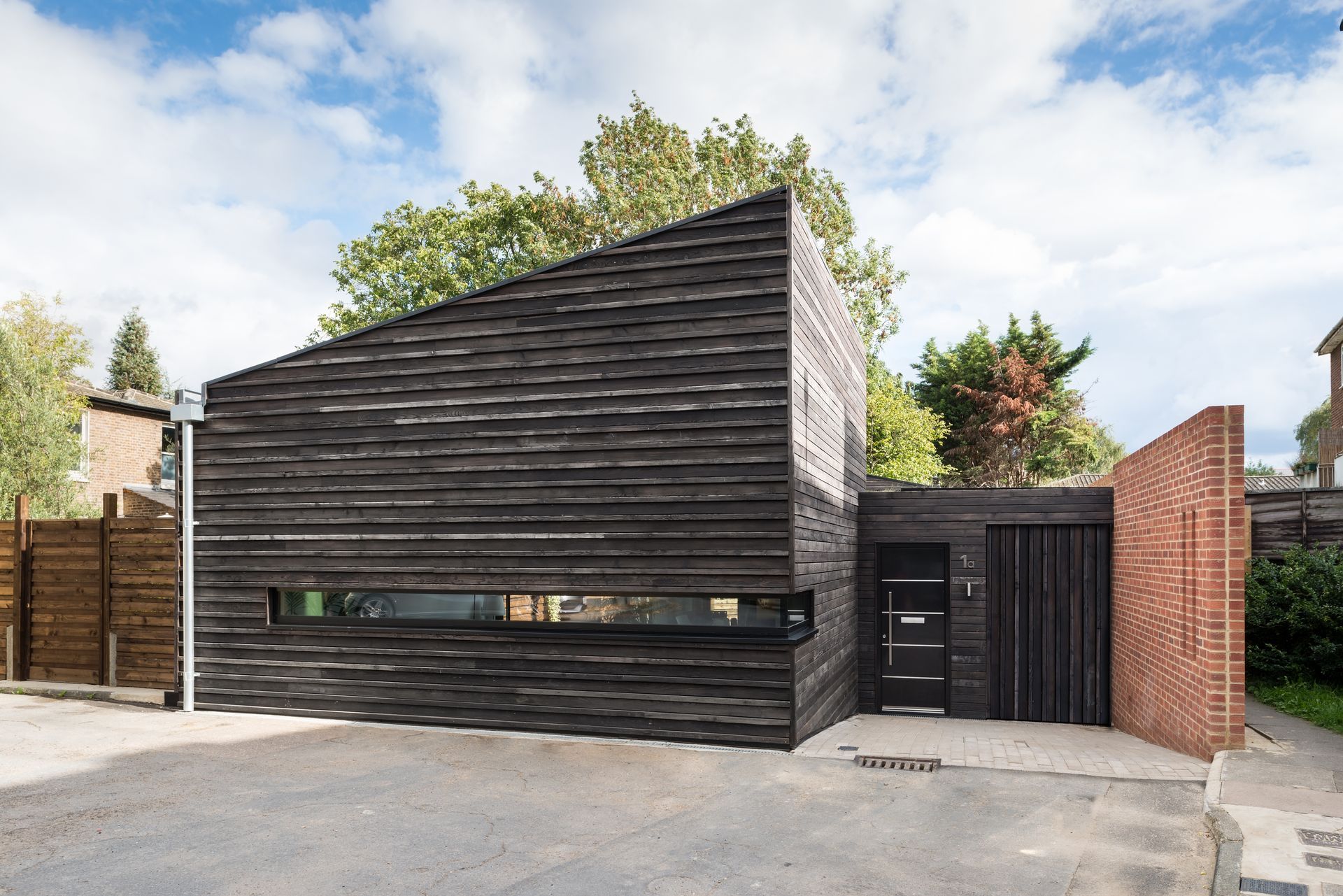
This three-bedroom certified Passivhaus, completed in 2017 for a budget of £250,000, was delivered on a tight infill site within a conservation area, with restricted access and planning constraints shaping the design.
The home features red cedar detailing and chamfered timber soffits, adding warmth and softness to a pared-back form. A concealed hydrotherapy pool is integrated within the scheme, powered and heated primarily by four large photovoltaic panels on the roof, supporting the home’s low-energy performance.
The Modern Courtyard
(5.3 Backland street infill)
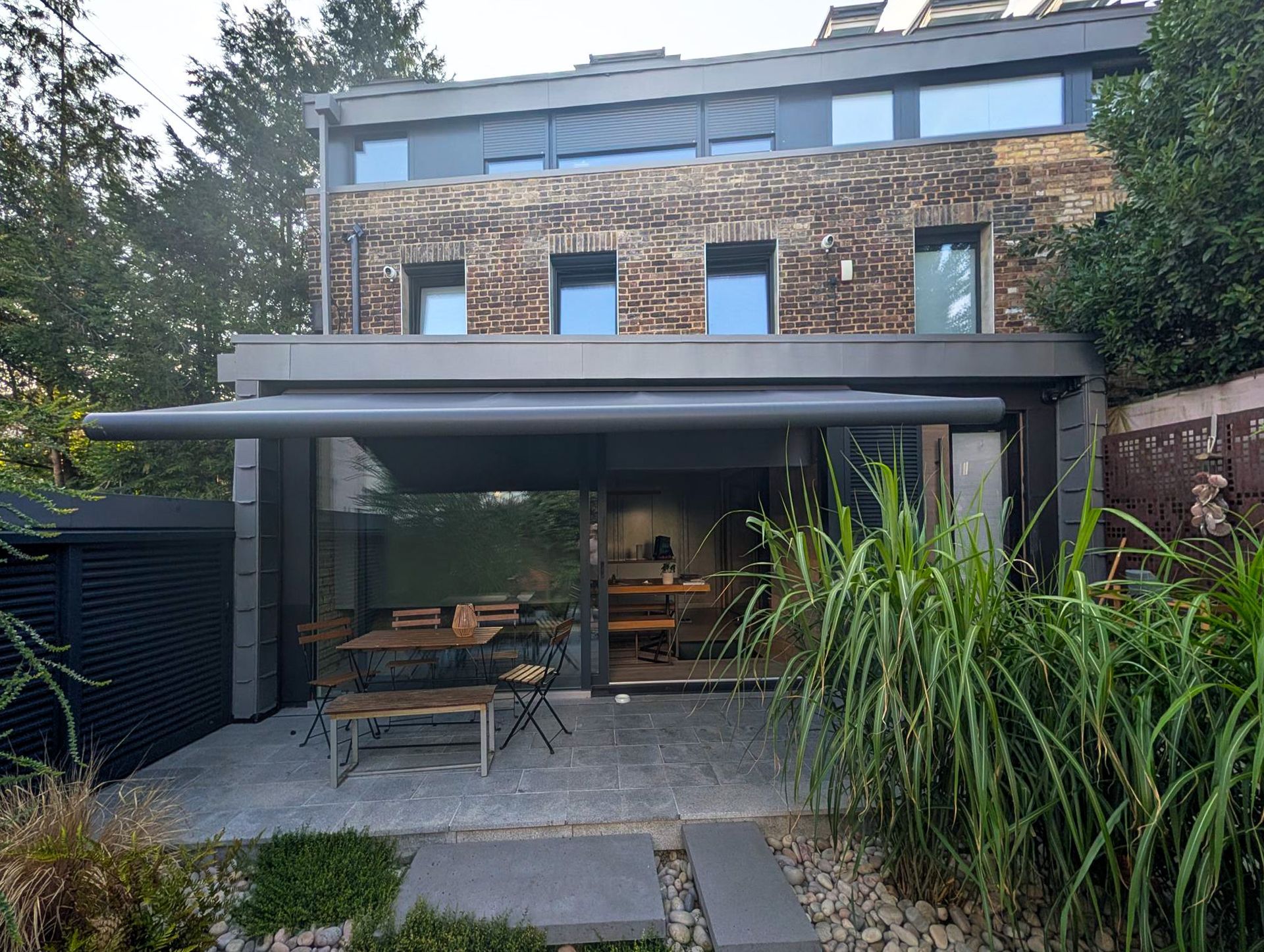
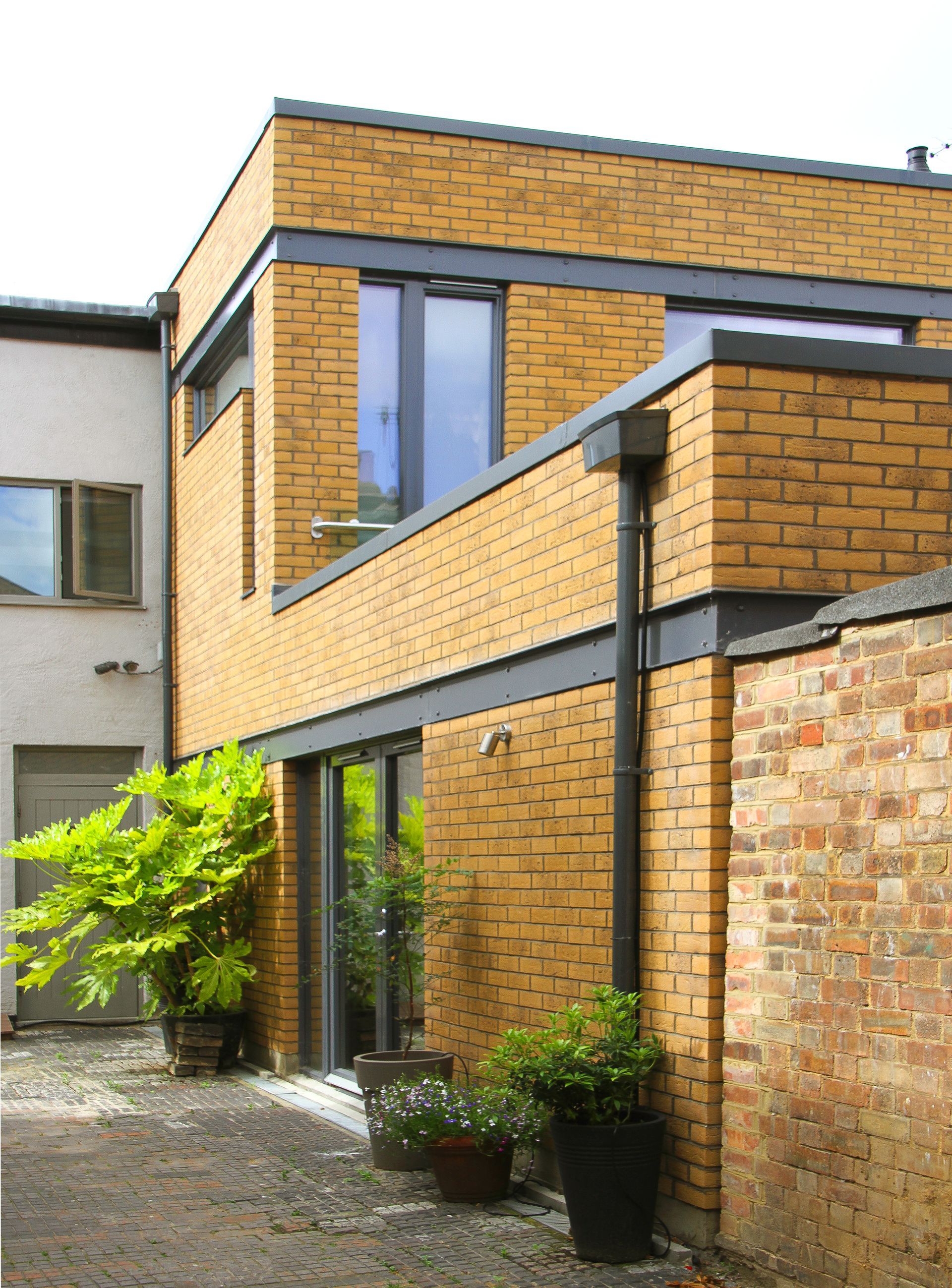
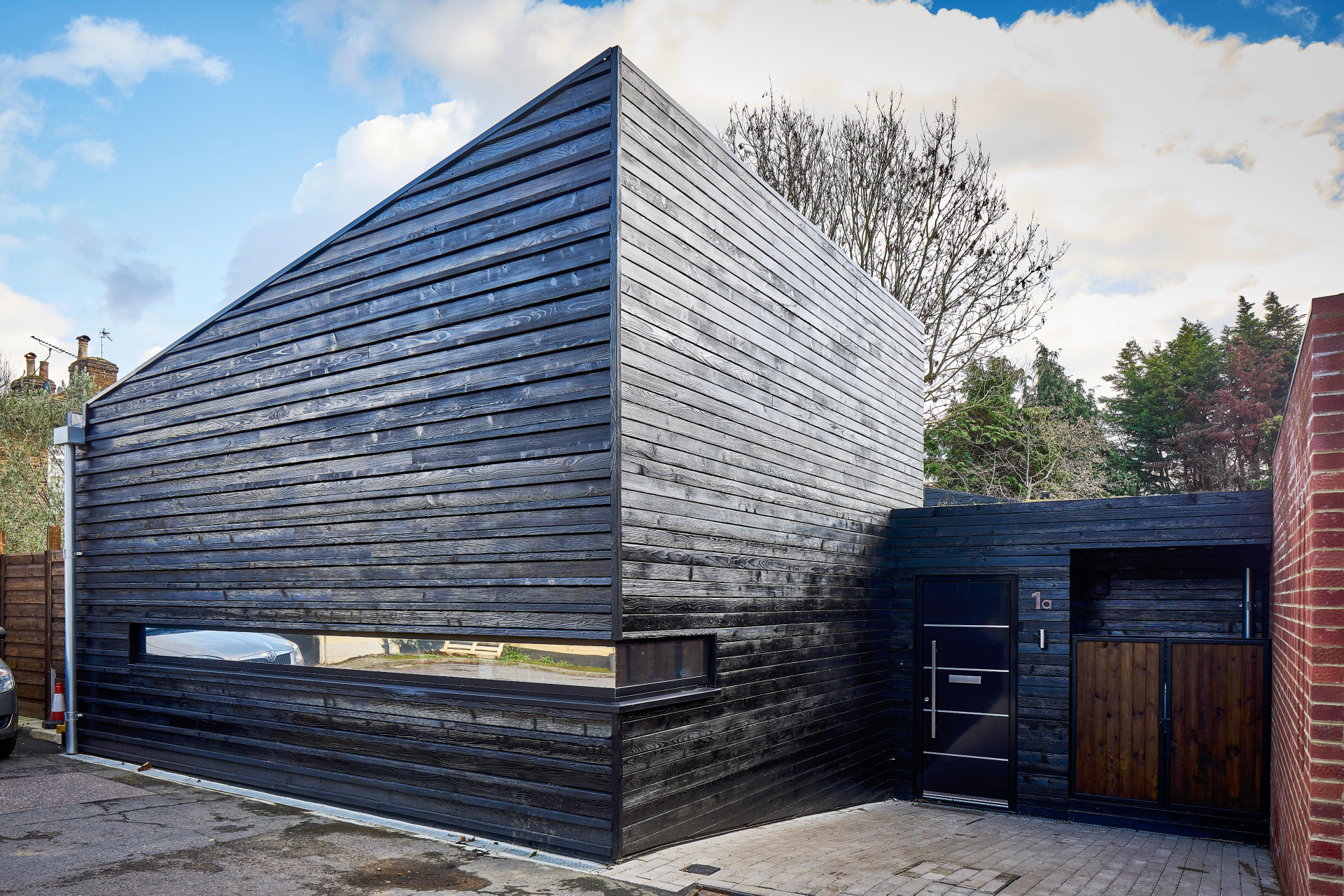
This prefabricated home was delivered on a highly constrained former garage site, shaped by planning and noise restrictions as well as extremely limited access.
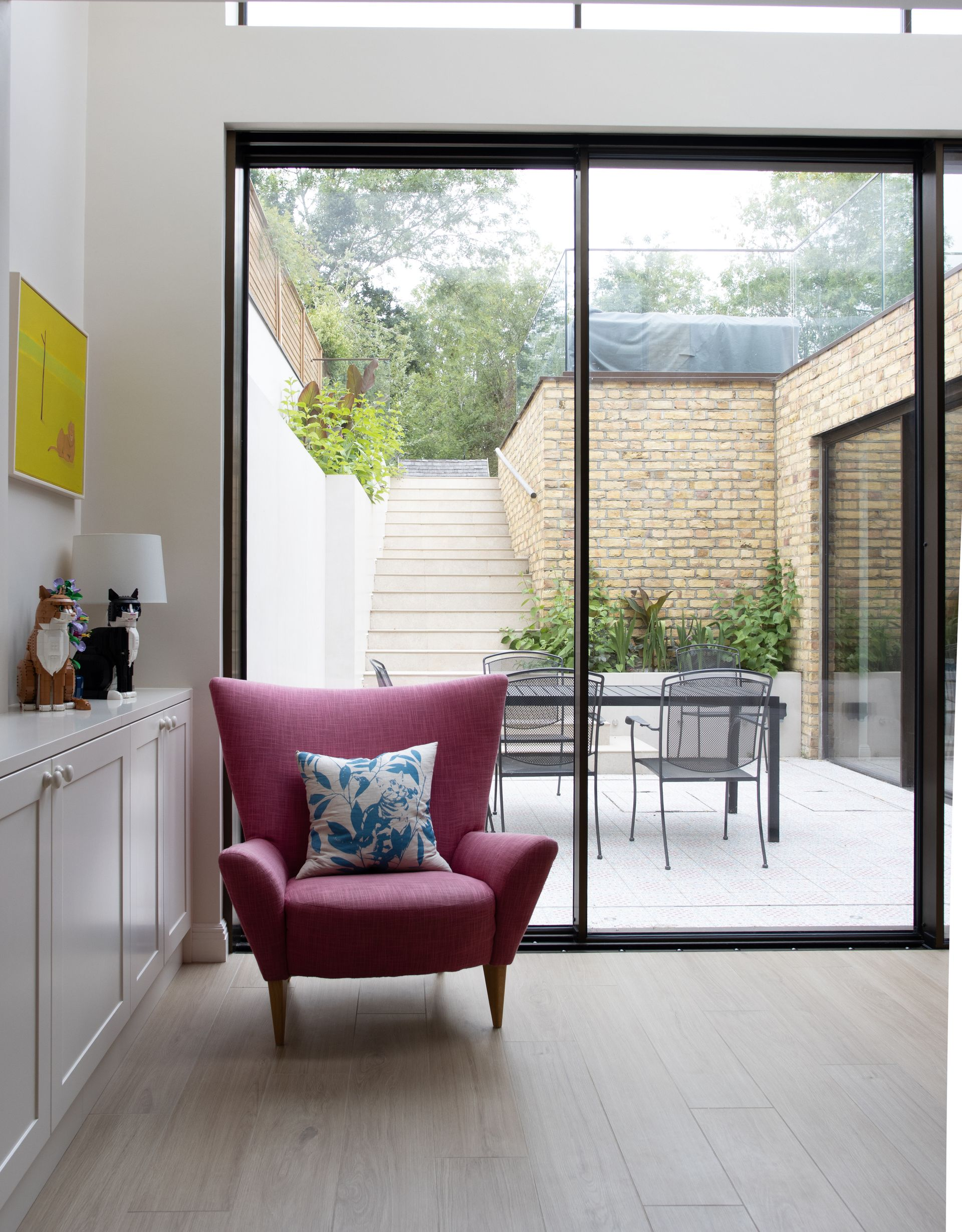
Designed in direct response to its overlooked cul-de-sac setting, the house is partially sunken to achieve generous ceiling heights and organised around two internal courtyards. These bring natural light deep into the plan while meeting amenity requirements, with carefully positioned glazing maintaining privacy. The restrained, industrial form creates architectural interest without dominating its surroundings.
Modular construction was integral from the outset. The house was split into seven prefabricated modules, fully fitted with glazing, services, and interiors, and assembled on site in just one day following extensive groundworks, offering both speed and cost control.
The Old Stables
(6.3 Backland Rear Of High Street Development)
The Old Stables transforms a constrained backland mews site in East Dulwich into a compact live/work home, shaped by limited access, a tight programme and budget, and a dense urban context.
Designed to accommodate a ground-floor workspace with a self-contained studio above, the scheme uses a modular approach to unlock the site. Constructed from brick-clad SIPs panels, the building responds to its surroundings with a robust, industrial character, while bespoke window designs manage privacy and introduce visual interest.
Fabricated off-site and delivered in three modules, the structure was craned into position and assembled rapidly, with fit-out completed in just weeks. Informed by early thermal modelling, the 100sqm building achieves high energy performance while remaining adaptable and cost-efficient, delivered for approximately £150,000.
Discover more of RDA's constrained site projects:

Chiswick - Eco Lodge
Modern Cojurtyard
Passive Mews II
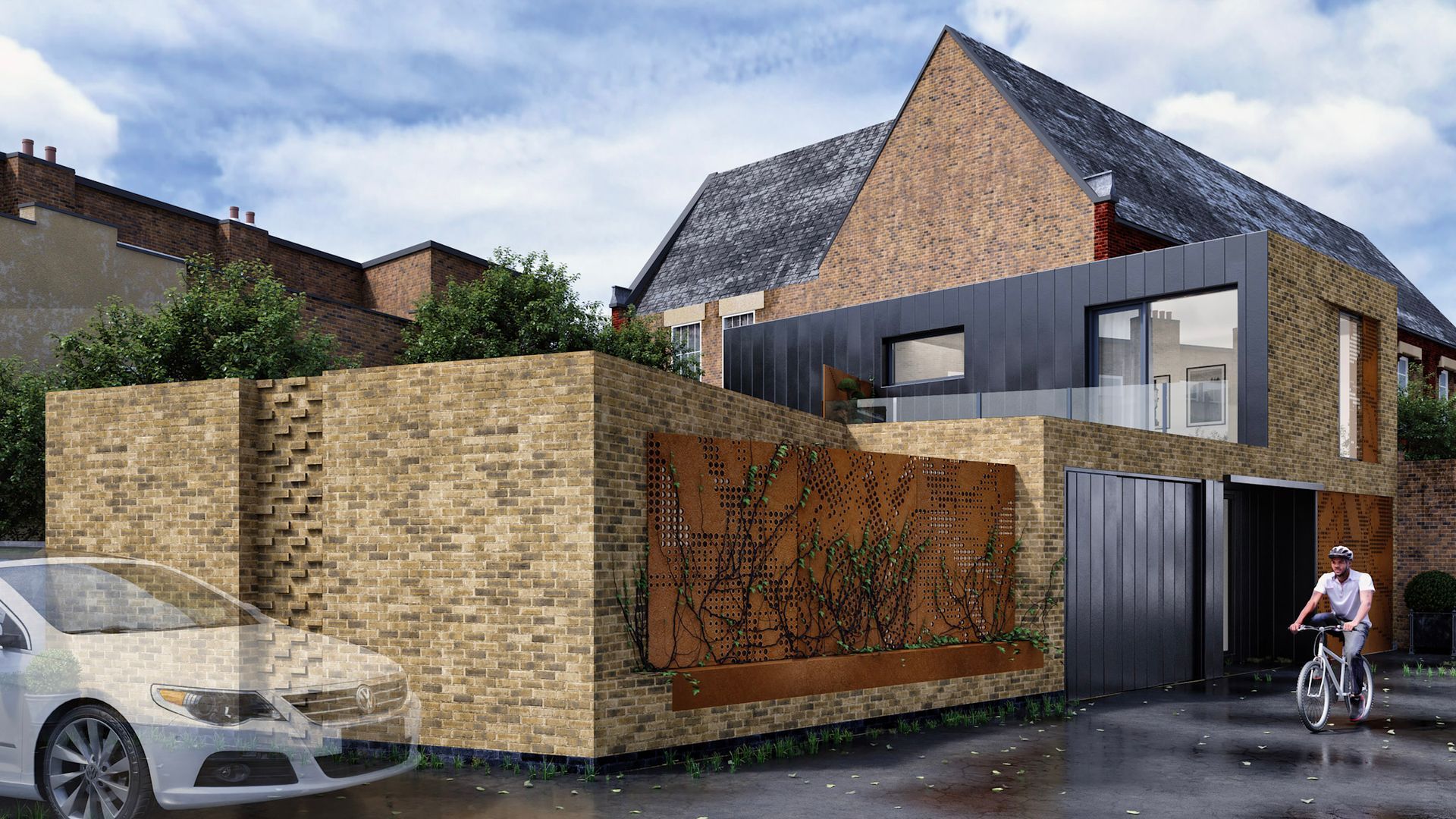
Artist's Courtyard
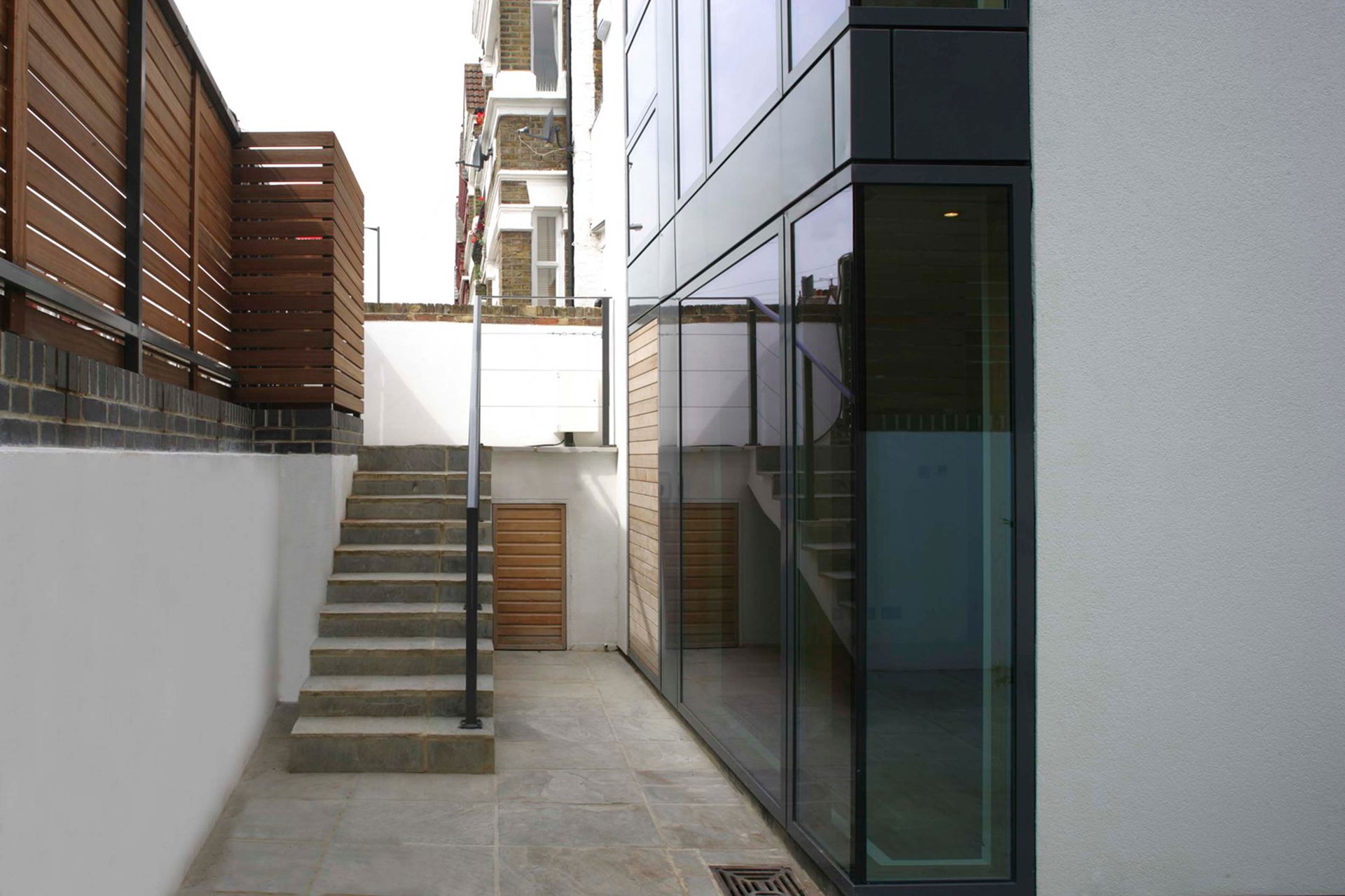
Chamber House
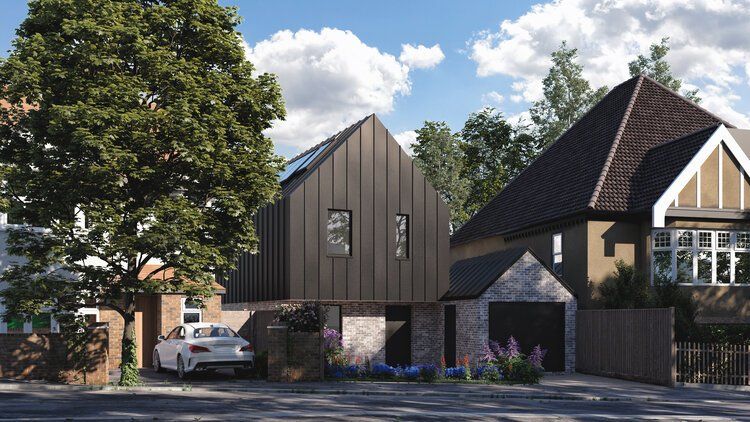
Split House
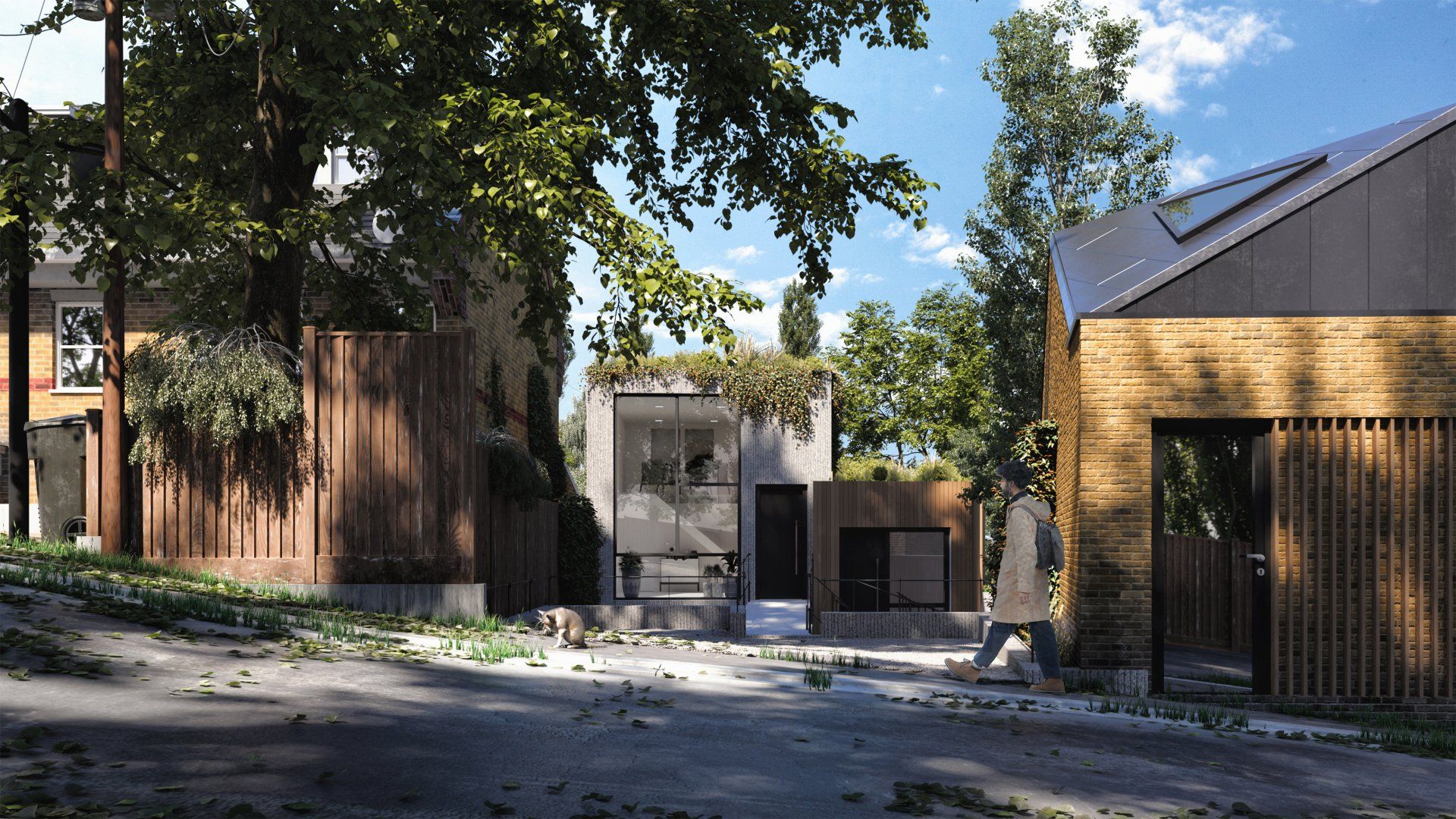
Urban Sanctuary
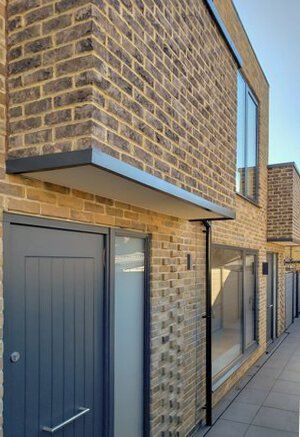
Manor Mews
Ask an expert
Inspired? Have a site or a derelict building in mind?
Book a free consultation today with Richard Dudzicki, RDA's director, founder and lead architect.
Ease your mind and take the first step towards your future home with confidence. No commitment, flexible timings.